Whether a Mastiff Gets Cataracts
One of the most heart-wrenching concerns for any Mastiff owner is noticing changes in their beloved giant's eyes, especially when that tell-tale cloudiness starts to appear. It's a natural fear to wonder if your gentle companion is developing cataracts, a condition that can severely impact their vision and quality of life. This guide will thoroughly explore what cataracts are, whether Mastiffs are particularly susceptible, how to recognize the signs, and what steps you can take to manage this condition should it arise.
Understanding Cataracts in Dogs
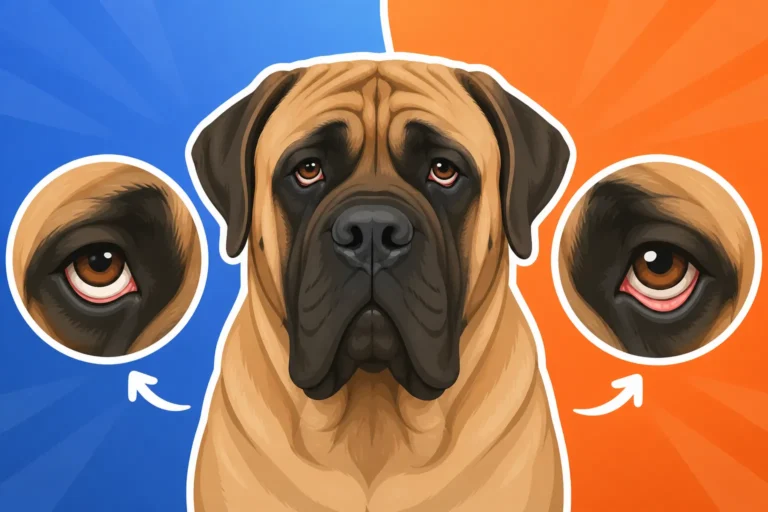
It's truly unsettling when you peer into your Mastiff's deep, soulful eyes and notice something isn't quite right. That cloudy, bluish-grey haze can spark immediate worry, and rightly so. Understanding what's happening at a basic level can help you approach the situation with knowledge rather than pure panic.
What Exactly Are Cataracts?
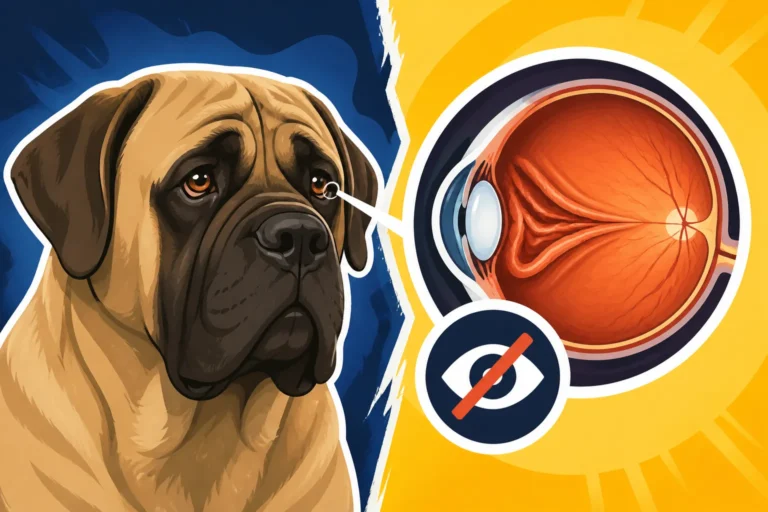
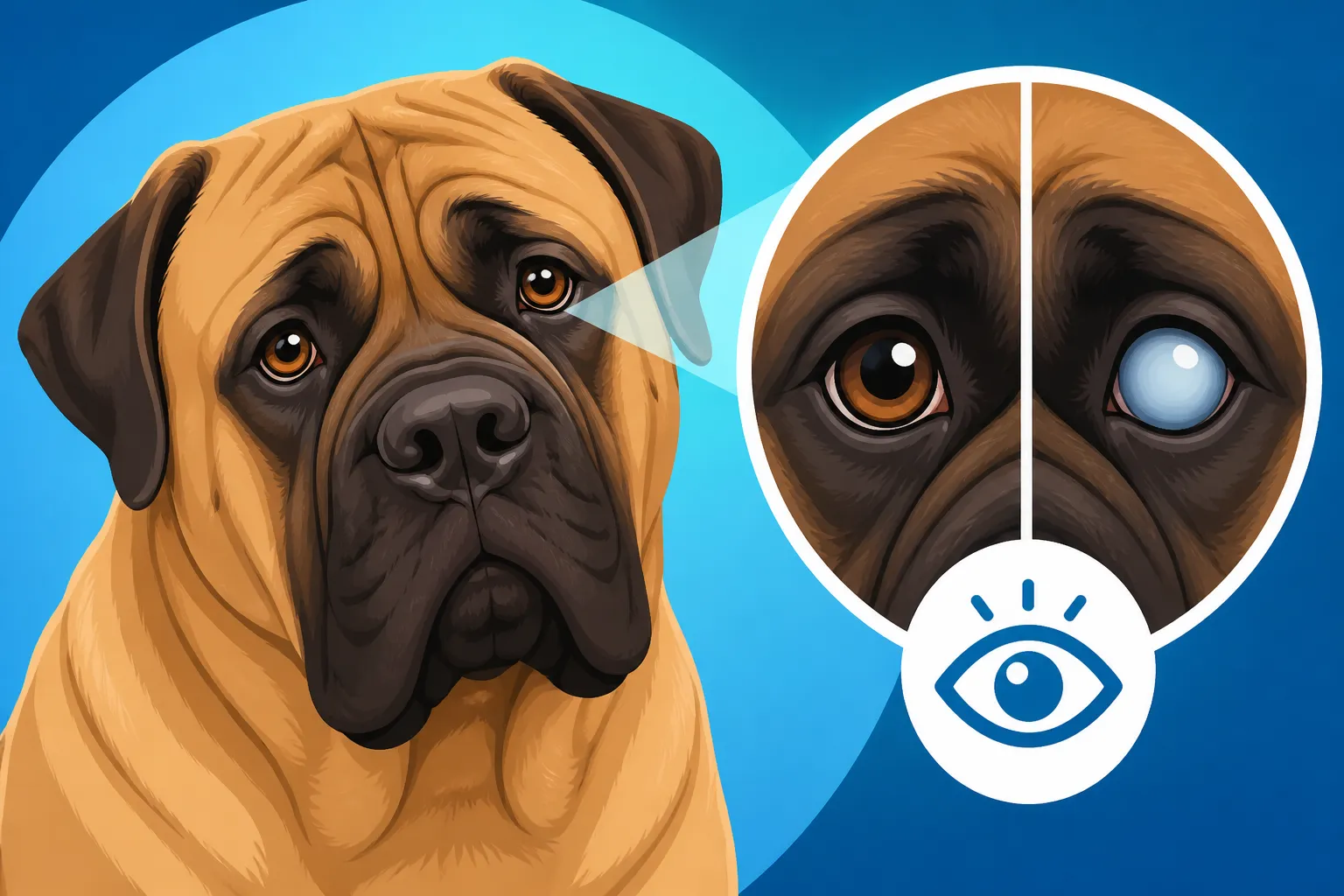
At its core, a cataract is a clouding of the eye's natural lens. Think of your dog's eye like a camera: the lens is responsible for focusing light onto the retina at the back of the eye, which then sends visual information to the brain. When a cataract forms, proteins within the lens clump together, obstructing the passage of light and making the lens opaque. This means light can't properly reach the retina, leading to blurry vision, reduced light perception, and eventually, in severe cases, blindness.
It's not usually a sudden onset problem; cataracts typically develop gradually. In the early stages, you might notice just a small, hazy spot. As it progresses, this cloudiness can expand, covering more and more of the lens. The severity of vision impairment depends entirely on the size and density of the cataract. A small, peripheral cataract might not bother your Mastiff much at all, but a large, dense one right in the center of their vision can be incredibly disorienting. For a massive breed like a Mastiff, whose senses help them navigate their substantial bulk, clear vision is paramount for their confidence and safety.
Common Causes and Types of Canine Cataracts
Cataracts aren't a one-size-fits-all condition; they can arise from various underlying causes and present in different forms. For some dogs, it's simply an age-related change, much like in humans, often referred to as senile cataracts. These tend to develop slowly and might not severely impair vision until very late in life, particularly as we consider that the average Mastiff lifespan is often only Six to Ten Years Is What a Mastiff Gets.
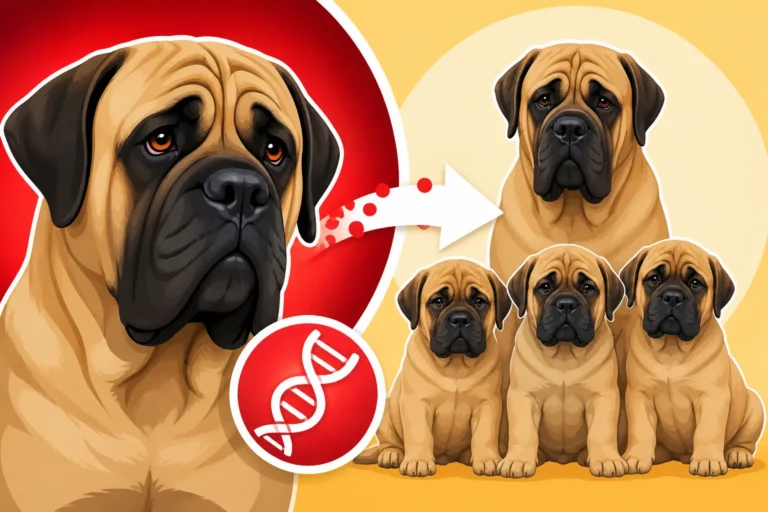
However, other types can be far more aggressive. Diabetes is a significant culprit for rapid cataract development in dogs. If a Mastiff has undiagnosed or poorly managed diabetes, the excess glucose in their system can be converted to sorbitol in the lens, causing fluid to accumulate and proteins to denature, leading to swift cataract formation. Trauma to the eye, severe inflammation (uveitis), nutritional deficiencies in puppies, or exposure to certain toxins can also trigger cataracts. But perhaps the most common and concerning cause for many breeds, including some Mastiffs, is genetics. Some breeds are predisposed to inherited cataracts, where a specific gene mutation leads to the condition, sometimes even in relatively young dogs.
Cataracts in the Mastiff Breed
The sheer size and deep, thoughtful gaze of a Mastiff can make any eye issue feel particularly alarming. While they are generally a robust breed, like all dogs, Mastiffs aren't immune to health problems, and eye conditions can be among them.
Are Mastiffs Predisposed to Cataracts?
When it comes to cataracts, Mastiffs are generally not considered to be a breed with a high primary genetic predisposition for hereditary cataracts in the same way some other breeds like Boston Terriers, Afghan Hounds, or Miniature Schnauzers are. This isn't to say a Mastiff can't develop them, but it's less likely to be a direct, early-onset inherited trait compared to other eye conditions we see in the breed.
Instead, when Mastiffs do develop cataracts, they are often linked to other factors. As mentioned, diabetes is a prime concern, especially in a breed that can be prone to weight issues if not managed correctly. Age-related cataracts are also a possibility, though given their shorter lifespans, these might appear as they approach Caring for a Mastiff Past Five, which is already considered senior for our giants. It's more common to hear about other Mastiff eye and eyelid issues, such as entropion or ectropion (where the eyelids roll in or out) or even Cherry Eye in a Mastiff, which can sometimes be mistaken for an internal eye problem by an untrained eye.
It's vital for Mastiff owners to differentiate cataracts from lenticular sclerosis (nuclear sclerosis), a benign age-related change common in older dogs where the lens hardens and appears bluish-grey. While it can cause some mild loss of vision, it's not a true cataract and doesn't usually require treatment. Only a veterinary ophthalmologist can definitively tell the difference.
Identifying Symptoms of Cataracts in a Giant Breed
Spotting the signs of cataracts in any dog requires keen observation, but with a Mastiff, their sheer size and stoic nature can sometimes mask early symptoms. You're looking for subtle changes in their eyes and behavior. The most obvious visual cue is a cloudy or opaque appearance in one or both pupils. This cloudiness can range from a small speck to covering the entire lens, often appearing bluish, grey, or white.
Beyond the visible changes, observe your Mastiff's daily movements and interactions. Are they bumping into furniture, especially in dimly lit areas or unfamiliar environments? Are they hesitant to go up or down stairs, or do they misjudge distances? You might notice they're more cautious on walks, perhaps slowing down, or showing less confidence in navigating obstacles. A Mastiff relying on their formidable size and presence often uses their vision to gauge space, so impaired sight can be very unsettling for them. Early signs might also include a subtle dilation of the pupils, especially in bright light, as the eye tries to let in more light around the cloudy lens. They might also appear more startled by sudden movements or sounds, compensating for their reduced vision. If you notice these changes, it's crucial to schedule a visit to your vet. Don't wait; early detection can make a significant difference in management and treatment outcomes.
| Symptom Category | Specific Signs to Watch For | What it Might Indicate |
|---|---|---|
| Visual Changes | Cloudy, bluish, or white appearance in the pupil | Lens opacity (cataract or lenticular sclerosis) |
| Dilated pupils, especially in bright light | Attempting to let in more light past a cloudy lens | |
| Behavioral Changes | Bumping into objects, furniture, walls | Impaired depth perception or overall vision loss |
| Hesitation on stairs or unfamiliar terrain | Loss of confidence due to reduced sight | |
| Increased startle response to touch or sound | Compensating for visual impairment | |
| Difficulty finding toys or food bowl | General vision decline affecting daily tasks | |
| Changes in interaction with family or other pets | Feeling vulnerable or disoriented | |
| Eye Appearance | Redness, inflammation (less common for pure cataracts) | Secondary issues like uveitis or glaucoma |
| Squinting or rubbing at the eyes | Discomfort or pain, possible secondary issue |
Diagnosis and Treatment Options for Mastiff Cataracts
Finding out your gentle giant has cataracts can be a daunting prospect, but modern veterinary medicine offers several paths forward. The first, and most important, step is an accurate diagnosis to determine the type, cause, and severity of the cataract.
The Diagnostic Process for Your Gentle Giant
When you first bring your Mastiff to the vet with concerns about their eyes, a thorough general physical exam will be conducted, followed by a detailed ocular examination. Your regular veterinarian can often perform an initial assessment using an ophthalmoscope, looking for changes in the lens. However, given the complexity of eye conditions and the importance of precise diagnosis, they will very likely recommend a consultation with a board-certified veterinary ophthalmologist. These specialists have advanced equipment and expertise to properly evaluate the eye.
The ophthalmologist will perform a comprehensive eye exam, which typically includes:
- Slit-lamp biomicroscopy: This allows for a magnified, detailed view of the lens and other structures of the eye.
- Ophthalmoscopy: To examine the retina and optic nerve at the back of the eye.
- Tonometry: To measure intraocular pressure, ruling out glaucoma.
- Electroretinography (ERG): This test assesses retinal function. It's crucial because if the retina isn't working correctly, even successful cataract surgery won't restore vision. This test often requires light sedation, which is a consideration for our big dogs, as How Much Anesthetic a Two Hundred Pound Mastiff Takes is a significant factor.
- Ocular ultrasound: To visualize the structures behind the lens, especially if the cataract is so dense that the retina cannot be seen.
If diabetes is suspected as an underlying cause, blood tests will also be performed. This diagnostic journey is thorough but essential for creating the best treatment plan for your Mastiff. Early detection means better prognosis for vision preservation.
Medical and Surgical Interventions
Once cataracts are diagnosed, the treatment approach depends heavily on their cause, severity, and whether your Mastiff is a candidate for surgery. For most true cataracts, especially those that are progressing and significantly affecting vision, surgery is the only effective treatment to restore sight. Eye drops or other medications are generally ineffective at dissolving or reversing established cataracts. They might be used to manage secondary inflammation (uveitis) that sometimes accompanies cataracts, but they won't clear the lens.
Cataract surgery in dogs is performed by a veterinary ophthalmologist using a technique called phacoemulsification, which is very similar to human cataract surgery. It involves using ultrasonic waves to break up the cloudy lens, and then aspirating the fragments out. An artificial intraocular lens (IOL) is usually implanted to restore focusing ability. The success rate for uncomplicated phacoemulsification is quite high, often over 90% for restoring functional vision. However, it's a specialized procedure requiring general anesthesia, and recovery involves meticulous post-operative care, including multiple eye drops and restricted activity for several weeks. Considering Why Anesthesia Is Riskier in a Mastiff, careful pre-surgical evaluation is always paramount.
Not every Mastiff with cataracts is a surgical candidate. If there are other underlying eye diseases, a poor prognosis for retinal function, or significant general health risks associated with anesthesia, surgery may not be recommended. In these cases, the focus shifts to managing comfort and adapting to vision loss.
Managing Life with a Cataract-Affected Mastiff
If surgery isn't an option, or if you choose not to pursue it, your Mastiff can still lead a fulfilling life with vision impairment. These dogs adapt remarkably well, especially if the vision loss is gradual. Your role becomes their guide and protector, helping them navigate their world safely.
Creating a consistent, predictable home environment is key. Avoid moving furniture, keep clutter off the floor, and establish clear pathways. Use scent markers or textured mats to help them identify key areas like their food and water bowls or exit points. Verbal cues become even more critical; talk to your Mastiff frequently, especially when approaching them, to avoid startling them. Consider a harness with a handle for better control and guidance on walks. Remember, even with diminished sight, their other senses, particularly smell and hearing, are excellent.
Safety outdoors is paramount. Leash walks are essential to prevent them from wandering into traffic or dangerous situations. Keep a close eye on their behavior around other dogs or people, as they might feel more vulnerable. While a completely blind Mastiff copes at home with consistency and love, it's a significant adjustment for both dog and owner. Pet insurance providers like Healthy Paws can often help offset the cost of diagnostics and potential surgery, making these decisions a little less financially burdensome, but always check your policy details for coverage specifics. Providing a secure, loving environment will ensure your Mastiff continues to thrive despite their visual challenges.
Preventive Measures and Responsible Breeding
While some eye conditions are unavoidable, there are definitely steps you can take to protect your Mastiff's vision and contribute to the overall health of the breed. Prevention and responsible practices are always the best defense.
The Role of Regular Eye Exams
One of the simplest yet most impactful things you can do for your Mastiff's eye health is to ensure they receive regular veterinary check-ups, which should include an eye examination. Many owners wonder Whether a Mastiff Should Have a Yearly Eye Exam, and the answer is a resounding yes! A routine annual exam allows your general practitioner to screen for any abnormalities, from early signs of cataracts to other common Mastiff eye issues like entropion, ectropion, or even the subtle onset of conditions like glaucoma.
For a giant breed like the Mastiff, these exams are particularly important because early detection of any health issue can be critical. Catching cataracts when they are small, or identifying an underlying condition like diabetes before it causes severe vision loss, can significantly improve treatment outcomes and quality of life. An experienced vet might even recommend a specialized ophthalmological exam more frequently as your Mastiff reaches The Age a Mastiff Starts to Slow, as age-related changes, including lenticular sclerosis (which can be mistaken for cataracts), become more common. Don't underestimate the power of these routine visits; they are your frontline defense against many health challenges your Mastiff might face.
Responsible Breeding Practices for Eye Health
For those considering adding a Mastiff puppy to their family, or for current owners who may be involved in breeding, understanding responsible breeding practices for eye health is paramount. While Mastiffs are not typically known for inherited cataracts with the same prevalence as some other breeds, reputable breeders still take eye health very seriously. They should screen their breeding stock for a range of ocular conditions.
This often includes annual eye examinations performed by a board-certified veterinary ophthalmologist, with results submitted to organizations like the Orthopedic Foundation for Animals (OFA) through their Companion Animal Eye Registry (CAER) program. This certifies that the dog is free of observable inherited eye disease at the time of examination. It's part of the comprehensive health clearances that all responsible Mastiff breeders adhere to, which typically also includes the Which Four Tests the Mastiff Club of America Requires for hips, elbows, heart, and often thyroid. If a breeder shares that Why a Mastiff Litter Needs an Eye Exam it shows a commitment to the health of their puppies.
If a Mastiff parent develops cataracts, especially at a young age and without an obvious secondary cause like diabetes, a responsible breeder would carefully evaluate that dog's lineage and consult with a veterinary ophthalmologist and geneticist before breeding them again. The goal is always to reduce the incidence of debilitating conditions in future generations, ensuring these magnificent dogs continue to bless us with their presence for as long and as healthily as possible. Choosing a puppy from parents with clear health clearances, including eye exams, provides the best possible start for your new family member and contributes to a healthier future for the Mastiff breed overall.
Disclaimer
The information provided in this article is for general educational purposes only and is not intended to be a substitute for professional veterinary advice, diagnosis, or treatment. Always seek the advice of your veterinarian or other qualified animal health provider with any questions you may have regarding a medical condition. Never disregard professional veterinary advice or delay in seeking it because of something you have read in this article.