Whether a Mastiff Gets Hygromas on Its Elbows
One of the lesser-known but very common challenges of owning a magnificent Mastiff is the distinct possibility of encountering hygromas, particularly on their elbows. These often unsightly and sometimes problematic fluid-filled sacs can be a source of worry and discomfort for both you and your gentle giant. This guide aims to demystify elbow hygromas, helping you understand what they are, why your Mastiff is susceptible, and most importantly, how to prevent and manage them effectively.
Understanding Hygromas in Mastiffs
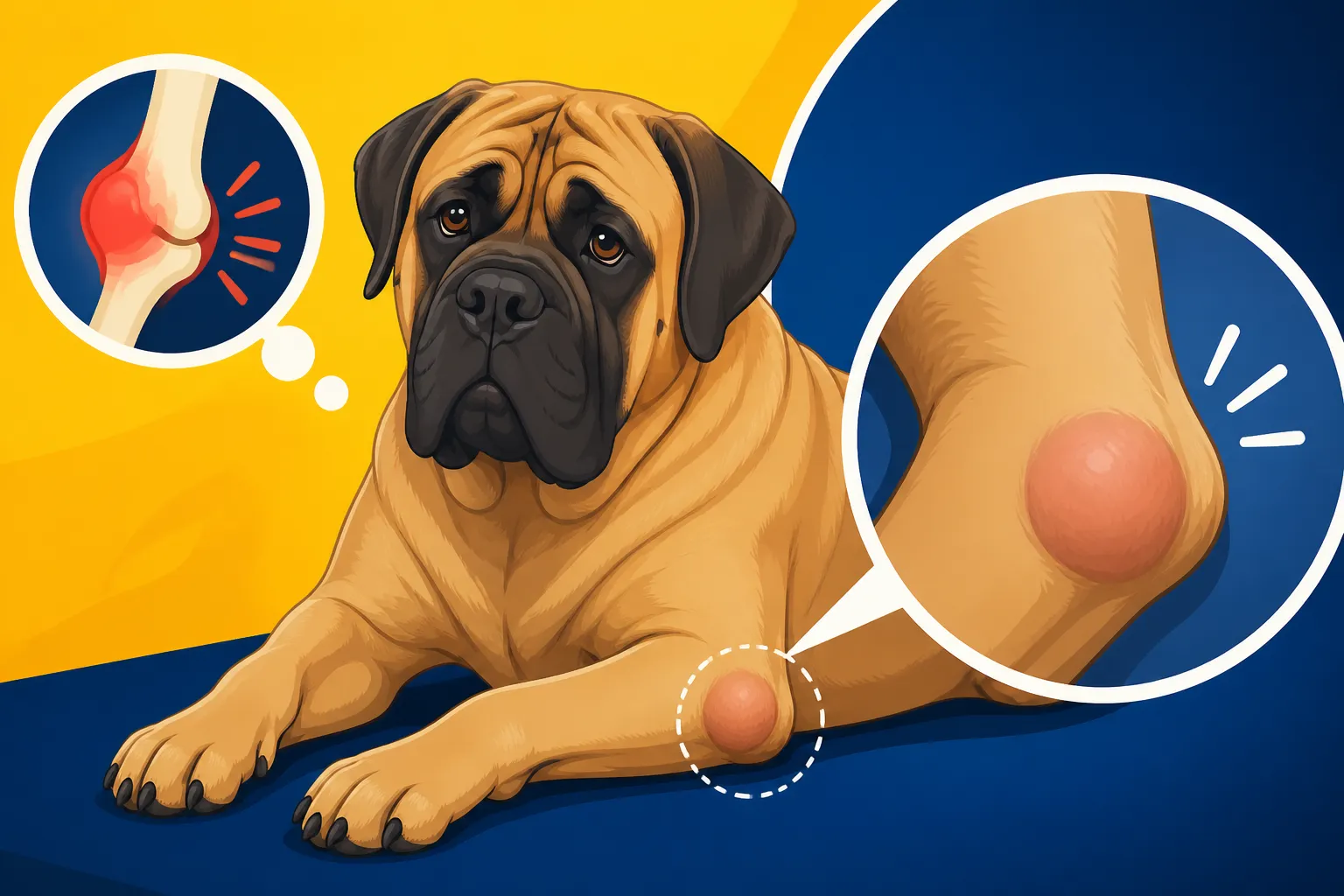
It's a disheartening reality that our big, beautiful Mastiffs are prone to certain conditions simply because of their sheer size and mass. One such condition is the elbow hygroma. You might spot a soft, fluctuating lump on your Mastiff's elbow and immediately think the worst, but rest assured, a hygroma isn't a tumor or a cancerous growth. It's an acquired, non-painful (unless infected) inflammatory lesion that forms as a direct response to repeated trauma. Think of it as your Mastiff's body trying to protect itself, but sometimes overdoing it.
Mastiffs, with their incredible weight and love for lounging, often choose hard, unyielding surfaces for their naps – concrete garage floors, tile in the kitchen, or even that favorite spot on the hardwood. Each time they plop down, that heavy elbow hits the hard surface, and over time, this repetitive impact can lead to the formation of a hygroma. It feels like it comes out of nowhere, but it's usually a slow process, a cumulative effect of all those heavy landings. It’s a common frustration for owners who just want their dogs to be comfortable and healthy.
The Mechanics of Hygroma Formation
To really get to grips with hygromas, it helps to understand the underlying mechanics of how these unwelcome lumps develop. Your Mastiff's body has natural shock absorbers, called bursae, located over bony prominences like the elbows. These bursae are essentially small, fluid-filled sacs that cushion the bones and tendons from friction and impact. They're designed to protect.
However, when a Mastiff's massive weight repeatedly crashes down onto a hard surface, the trauma to the bursa over the elbow becomes excessive. The body's response is to produce more fluid within the bursa, thickening its walls and creating a larger cushion. This is where the hygroma begins: an accumulation of serous fluid (a clear, yellowish fluid) within the bursa. Initially, it might be soft and pliable, but if the trauma continues, the sac can enlarge, the fluid can become thicker, and in some cases, the walls can fibrose, making it feel firmer. It's a testament to A Mastiff Lying Two Hundred Pounds on One Elbow All Day that their bodies are constantly under such strain. This process is distinct from, though often occurs alongside, the development of Why a Mastiff Develops Elbow Calluses, which are thickened skin patches that form in response to friction.
Recognizing the Signs: What to Look For
Spotting a hygroma early can make a big difference in how easily it's managed. The first thing you'll likely notice is a small, soft, often squishy swelling directly over your Mastiff's elbow joint. It feels like a small water balloon under the skin. At this initial stage, your dog probably won't show any signs of pain or discomfort. They'll walk normally, play normally, and won't flinch if you touch it.
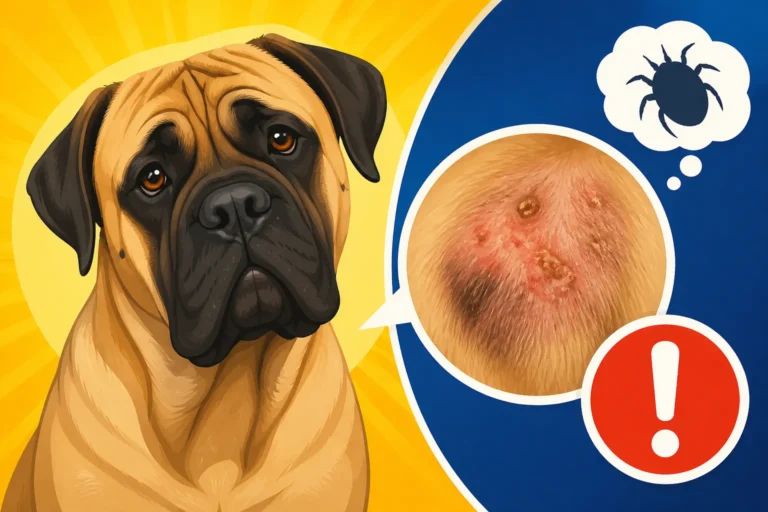
As the hygroma progresses, if the repetitive trauma continues, it will grow larger. It might go from the size of a golf ball to a tennis ball, or even larger in very substantial Mastiffs. The swelling might become firmer to the touch, and in some cases, if it becomes infected, it can be warm, red, and painful for your Mastiff. An infected hygroma is a much more serious situation, often requiring immediate veterinary attention because the infection can spread. So, keeping an eye on those elbows during your regular grooming or petting sessions is really crucial for early detection. Any change in size, texture, or if your dog starts reacting to touch, warrants a call to your vet.
Preventing Hygromas: Your Best Line of Defense
When it comes to elbow hygromas in Mastiffs, prevention truly is worth a pound of cure, or perhaps, in Mastiff terms, two hundred pounds of prevention! Given how prone these big dogs are to developing them, being proactive about their environment and comfort is the most effective strategy you can employ. It's all about cushioning those precious elbows and minimizing impact wherever your Mastiff chooses to rest. This might seem like a simple concept, but with a dog of such immense size, it takes a dedicated approach to ensure soft surfaces are always available and appealing.
The Importance of Soft Bedding
This cannot be stressed enough: soft, supportive bedding is non-negotiable for a Mastiff. Forget those flimsy pet store beds that flatten after a week; your Mastiff needs something substantial. Investing in high-quality orthopedic beds is not a luxury, it's a necessity for their long-term joint health and hygroma prevention. Look for beds with dense, supportive memory foam that won't flatten under their considerable weight. How Thick a Bed a Mastiff Needs is often much more than you'd think. The goal is to elevate their elbows off the hard floor entirely when they lie down.
Consider placing these robust beds in all your Mastiff's favorite resting spots. If they love to nap in the living room, by the back door, or even out on a covered patio, make sure a suitable bed is there. You can find excellent options on platforms like Chewy or Amazon, where you can read reviews from other giant breed owners about durability and support. Don't be shy about having multiple beds throughout your home; it’s a small price to pay to avoid the pain and expense of managing a full-blown hygroma. Think about Whether a Mastiff Needs Orthopedic Foam – the answer is almost always yes.
Environmental Modifications for a Mastiff's Comfort
Beyond dedicated beds, you need to think about the general flooring in your home. Hard surfaces like tile, hardwood, and laminate are beautiful, but they can be brutal on a Mastiff's joints and elbows. These surfaces provide no give when your dog plops down or even just walks across them.
To mitigate this, strategically place rugs and runners in areas where your Mastiff frequents. High-traffic pathways, areas in front of the couch, or next to their water bowl are all prime candidates. These provide much-needed cushioning and also offer better traction, which is important for their overall joint health, especially as they age. What Floor Runners for a Mastiff Cost can vary, but it's an investment in your dog's well-being. If your Mastiff spends time outdoors on a concrete patio or in a kennel run, ensure there's a raised dog bed or a thick mat available. Even for short stints, lying on concrete can contribute to hygroma formation. The goal is to eliminate any opportunity for their elbows to directly contact a hard surface.
Managing and Treating Hygromas Once They Appear
Discovering a hygroma on your Mastiff can be alarming, but remember, early and appropriate action can often prevent it from becoming a more serious problem. The moment you notice any swelling on your Mastiff's elbow, it's time for a visit to your veterinarian. Self-diagnosis and treatment are never recommended, as what might look like a simple hygroma could be something else, or it could be on its way to becoming infected, which requires professional medical intervention.
Your vet will be able to properly assess the size, consistency, and any signs of inflammation or infection. They'll then guide you through the best course of action, which could range from conservative management for small, uncomplicated hygromas to more involved surgical options for larger or infected ones. It's a team effort between you and your vet to ensure the best outcome for your beloved Mastiff.
Conservative Management: When It's Possible
For small, non-infected hygromas, your vet will almost certainly recommend a conservative approach. This primarily revolves around strict adherence to soft bedding – even more so than for prevention. Every single spot your Mastiff rests, indoors or out, must be soft and supportive. This means no more sneaking onto the cool tile or concrete. It might involve creating designated soft zones in every room they frequent.
Additionally, your vet might suggest elbow wraps or protective sleeves. These are padded garments designed to cushion the elbow and prevent further trauma. They can be a bit challenging to keep on a large, active Mastiff, but with diligence, they can be very effective. You can often find these specialized wraps on online marketplaces like Amazon, but always consult your vet for recommendations on the right fit and type. If there's even a hint of infection, your vet will likely prescribe a course of antibiotics. The key to conservative management is consistent monitoring for any changes in the hygroma's size, texture, warmth, or if your dog shows any signs of pain. Without addressing the underlying cause (repeated trauma), the hygroma is likely to persist or even worsen.
Surgical Intervention: When It's Necessary
Sometimes, conservative management just isn't enough, or the hygroma is too advanced at diagnosis. Surgical intervention becomes a consideration in cases of very large hygromas, those that are chronically infected, or ones that cause your Mastiff pain or interfere with their movement. There are a couple of main surgical approaches.
One option is drainage, where the vet removes the fluid from the sac. However, this is often a temporary fix, as the fluid can quickly re-accumulate if the underlying trauma isn't completely resolved. A more definitive surgical procedure involves removing the entire hygroma sac, sometimes along with any fibrotic tissue. This can be a more complex surgery, especially on such a large joint and with the Mastiff's considerable body mass, and it typically requires a longer recovery period. Risks include infection, wound dehiscence (the wound opening up), and even recurrence if prevention measures aren't strictly maintained post-surgery. The healing process can be slow due to the constant movement of the elbow and the skin's limited elasticity. It's also important to factor in the financial aspect, as What Elbow Surgery Costs on a Mastiff can be substantial, reflecting the complexity and aftercare involved for a giant breed.
Living with a Mastiff Prone to Hygromas
Living with a Mastiff who has either developed or is prone to hygromas means embracing a lifelong commitment to prevention and vigilance. These gentle giants, with their immense size, face unique health challenges, and hygromas are just one example of how their physical characteristics can lead to specific conditions. It’s not about blame, but about understanding and adapting your care routine to ensure their comfort and quality of life. The proactive steps you take now can prevent a lot of discomfort and costly interventions down the road, giving your Mastiff the happiest, healthiest life possible. It ties into the broader narrative of Caring for a Mastiff Past Five and recognizing their specific needs as they age.
The Role of Weight Management
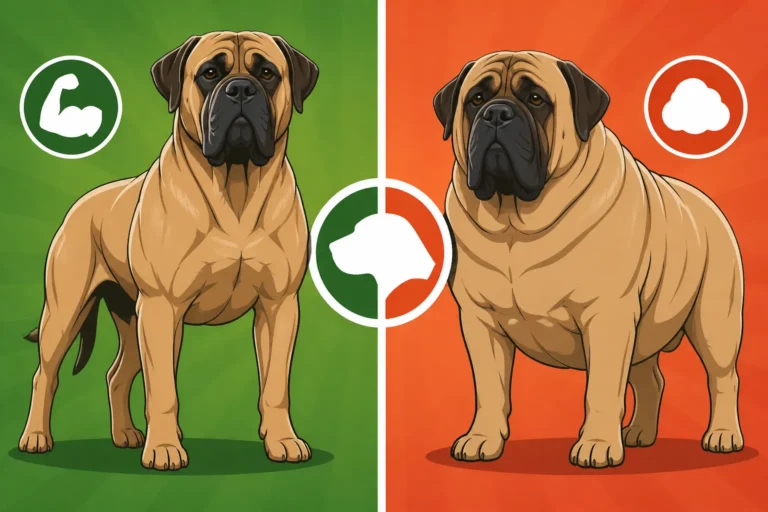
It might not seem immediately obvious, but keeping your Mastiff at a healthy, lean weight plays a significant role in preventing and managing hygromas. Every extra pound on your Mastiff translates to more force and impact on their joints, including those vulnerable elbows, when they lie down. A leaner Mastiff experiences less pressure on these bony prominences, reducing the risk of trauma that leads to hygroma formation. It's a simple physics equation: less weight equals less impact.
Monitoring your Mastiff's diet and ensuring they don't become overweight is therefore a critical component of their overall health strategy. Understand How Much an Adult Mastiff Eats by Weight Each Day and adjust accordingly. Work with your vet to determine the ideal The Weight Range a Male Mastiff Should Hold (or female) for your specific dog. High-quality dog food, portion control, and avoiding excessive treats are key. Some owners even turn to fresh food options, like those offered by Ollie, to ensure optimal nutrition and easier weight management. Keeping them lean also supports their overall joint health and can help extend their lifespan.
Daily Checks and Early Detection
Making a routine of regularly checking your Mastiff's elbows should become as natural as feeding them. A quick, gentle feel of their elbows during your daily petting sessions, after walks, or during grooming can make all the difference. You're looking for any new lumps, bumps, swelling, or changes in existing calluses.
Pay attention to:
- Size: Has a small bump grown larger?
- Temperature: Does the area feel warm or hot to the touch?
- Pain Response: Does your Mastiff flinch, pull away, or show any discomfort when you touch their elbow?
- Redness: Is the skin over the elbow inflamed or discolored?
- Open Sores: Are there any breaks in the skin, scabs, or discharge?
Any of these signs warrant a prompt call to your veterinarian. Early detection of a small, uninfected hygroma means you have a much better chance of managing it conservatively with bedding changes and protective wraps, avoiding the need for more invasive (and expensive) treatments like surgery. This consistent vigilance is a cornerstone of responsible Mastiff ownership.
Here’s a quick overview of hygroma stages and recommended actions:
| Hygroma Stage | Description | Symptoms | Recommended Action |
|---|---|---|---|
| Stage 1: Early/Mild | Small, soft, fluid-filled sac over the elbow | No pain, no redness, dog acts normally | Immediate and strict use of orthopedic bedding, environmental modifications. Monitor closely. |
| Stage 2: Moderate | Larger, possibly firmer sac | Still often painless, may have slight skin thickening | Vet examination, continued strict soft bedding, protective elbow wraps. Monitor for infection. |
| Stage 3: Advanced | Very large, firm, potentially thickened skin | May cause discomfort due to size, increased risk of infection | Vet examination, possible drainage by vet, consideration of surgical removal. Strict aftercare. |
| Stage 4: Infected | Any size, warm, red, painful, possibly open/draining | Clear signs of pain, lethargy, fever in severe cases, discharge | Immediate vet visit, antibiotics, possibly drainage or surgical debridement. Emergency. |
Disclaimer
This article is for general informational purposes only and does not constitute professional advice. Laws, prices and regulations vary by location and change over time. Consult a qualified professional for guidance on your specific situation.