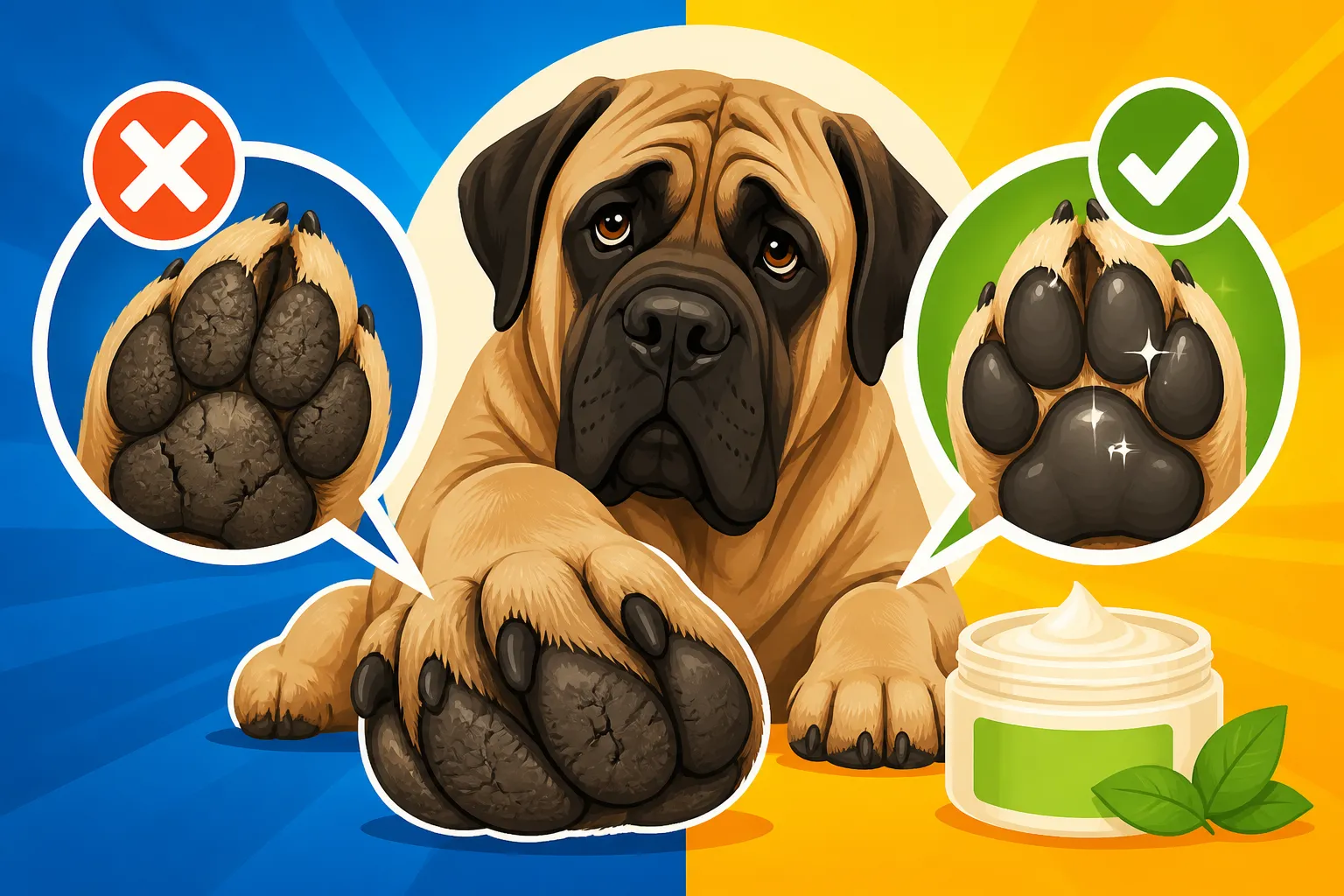
Whether a Mastiff’s Callus Should Be Moisturized
It’s a sight familiar to many Mastiff owners: those rough, sometimes dry, patches of skin on their beloved giant’s elbows. You look at them, you feel them, and your immediate thought is, "My poor dog! Do these calluses hurt? Should I be putting something on them?" It's a valid concern because while a few rough spots might seem minor, left unattended, they can become quite uncomfortable or even problematic. This guide is here to walk you through everything you need to know about Mastiff elbow calluses and whether moisturizing is the right approach.
Understanding Mastiff Elbow Calluses: More Than Just 'Rough Skin'
Before we dive into creams and balms, let's truly understand what these calluses are and why your magnificent Mastiff is so prone to them. It's not just a superficial issue; it's a direct result of their incredible size and the physics of gravity.
Why Mastiffs Get Calluses in the First Place
Imagine a creature weighing upwards of two hundred pounds, settling down for a nap. When a Mastiff lies down, especially on a hard surface, its immense body weight isn't distributed evenly. Instead, it concentrates intensely on specific bony prominences, primarily the elbows, but also sometimes the hocks or hips. These areas are where the bone is very close to the skin, with minimal fat or muscle padding.
Over time, this repeated pressure and friction cause the skin in these spots to thicken and harden. It's the body's natural defense mechanism, much like how a human develops calluses on their hands from manual labor. The skin cells respond to the constant trauma by multiplying and becoming tougher, forming a protective layer. Because Mastiffs are so heavy and love to sprawl out, these pressure points become incredibly pronounced. It’s not a sign of neglect; it’s a consequence of their impressive build. Why a Mastiff Develops Elbow Calluses delves deeper into this phenomenon.
The Difference Between a Normal Callus and a Problem
A typical, healthy Mastiff elbow callus is usually firm, dry, and often hairless. It might be a bit rough to the touch, and its color can range from gray to dark brown, sometimes even matching the dog's coat if any hair remains. Generally, these don't bother your dog. They just are. Your Mastiff might not even notice them unless you're poking and prodding.
However, these calluses can become problematic. Due to their dense, less pliable nature, they can crack, especially in very dry environments or if the dog is frequently active on rough surfaces. A cracked callus can be quite painful, exposing sensitive tissue underneath to dirt and bacteria, leading to infection. You might see redness, swelling, oozing, or your Mastiff might start licking or chewing at the area excessively. In severe cases, a fluid-filled sac called a hygroma can develop under the callus, which is essentially the body's attempt to cushion the area further. Whether a Mastiff Gets Hygromas on Its Elbows offers more insight into this specific complication. It’s crucial to recognize the signs of a problematic callus so you can intervene before it escalates.
The Role of Moisturizing: When It Helps and When It Falls Short
So, you've spotted the calluses, and you're wondering if a good moisturizer is the answer. It's a common, natural instinct, and yes, moisturizing does have its place in Mastiff elbow care, but it's important to understand its limitations.
Benefits of Regular Moisturizing for Healthy Calluses
For calluses that are simply dry and a bit rough, regular moisturizing can be incredibly beneficial. Think of it like moisturizing your own dry skin. It helps to soften the hardened tissue, making it more pliable and less prone to cracking. A well-moisturized callus is more comfortable for your Mastiff and less likely to snag or develop painful fissures.
Applying a good quality balm or cream can also create a barrier against environmental irritants and offer a degree of protection. It can reduce the "ashy" look some calluses get and simply make the area feel a bit more supple. For minor dryness, a daily application can make a noticeable difference in the texture and overall health of the callus, keeping it from progressing into something more troublesome. It's a proactive step in preventive care for those rough patches.
Limitations of Moisturizing Alone
Here's the critical truth: while moisturizing helps manage the symptoms of calluses, it doesn't address the root cause. No amount of lotion, no matter how expensive or effective, will stop a callus from forming or growing if your Mastiff continues to lie on hard, unforgiving surfaces. The fundamental problem is mechanical pressure and friction.
If your Mastiff spends most of its time on hardwood floors, concrete, or thin bedding, those calluses will persist, and possibly worsen, regardless of how diligently you moisturize. Moisturizing is a helpful tool in your arsenal, but it's a secondary measure. It's like putting a bandage on a wound without stopping the bleeding – it helps, but it’s not the complete solution. For deep cracks or infections, moisturizing alone is insufficient and can even trap bacteria if the area isn't cleaned properly first. It's vital to pair moisturizing with environmental changes to see lasting improvement.
Beyond Moisturizing: Holistic Care for Mastiff Elbows
True care for your Mastiff's elbows goes far beyond just slathering on a cream. It involves a holistic approach that focuses on prevention and environmental adjustments, making moisturizing a supportive player, not the star.
The Critical Importance of Proper Bedding
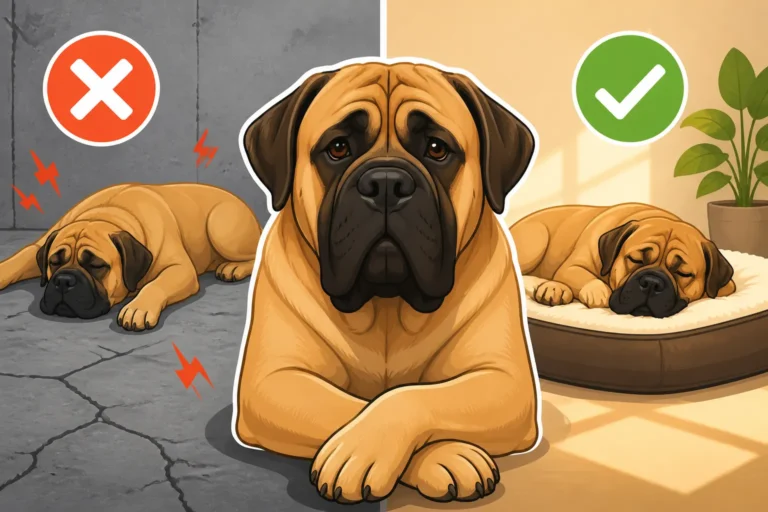
This cannot be stressed enough: the single most important thing you can do for your Mastiff's elbows is to provide adequate, high-quality bedding. Given their weight, a flimsy dog bed simply won't cut it. You need something that offers substantial cushioning and support, preventing those bony elbows from grinding against hard floors.
Look for orthopedic beds with dense, high-rebound foam – often memory foam or a similar material designed for large breeds. The bed needs to be thick enough that when your two-hundred-pound Mastiff lies on it, their elbows don't bottom out and touch the floor. A bed that's two to four inches thick for a smaller dog might need to be five to eight inches thick for a Mastiff. The size also matters; it needs to be large enough for your Mastiff to fully stretch out in any position without parts of their body hanging off the edge. Having multiple comfortable beds around the house, in all their favorite resting spots, encourages them to choose soft surfaces over hard ones. You can learn more about finding the right support in articles like How Thick a Bed a Mastiff Needs and What a Bed That Holds a Mastiff Costs. This investment in proper bedding will do more for callus prevention and management than any topical product ever could.
Addressing Underlying Issues: Weight Management and Veterinary Consultation
Another crucial factor in elbow callus development is your Mastiff's weight. An overweight Mastiff carries even more bulk, intensifying the pressure on their joints and bony prominences. Keeping your Mastiff at a healthy, lean weight is paramount not just for their elbows, but for their overall joint health and longevity. Keeping a Mastiff Lean on Purpose explains how important this is for their long-term well-being. Work with your vet to determine the ideal weight for your individual dog and adjust their diet and exercise accordingly.
If a callus becomes cracked, starts bleeding, shows signs of infection (redness, swelling, heat, discharge, foul odor), or if a hygroma develops, moisturizing is no longer the primary solution. At this point, a veterinary consultation is absolutely essential. Your vet can properly clean and treat any infection, prescribe antibiotics if necessary, and advise on further steps, which might include draining a hygroma or, in rare cases, surgical intervention for persistent, severe issues. Don't delay seeking professional help, as these problems can quickly become very painful and serious for your gentle giant.
Environmental Considerations: Flooring and Activity
While bedding is key, also consider the general flooring in your home. Hardwood, tile, or concrete floors are beautiful and easy to clean, but they offer zero cushioning for a Mastiff. If your dog spends significant time lounging on these surfaces, even if they have a bed nearby, their elbows will suffer. What Bare Floors Do to a Growing Mastiff explains the impact of hard surfaces on developing joints.
Consider placing rugs or runners in high-traffic areas or where your Mastiff frequently chooses to lie down. This provides more forgiving surfaces and reduces constant friction. While moderate, appropriate exercise is good for your Mastiff's overall health, avoid activities that involve excessive impact on hard surfaces, especially if their calluses are already sensitive. Short, gentle walks on grass or soft trails are preferable to long stints on pavement if elbow issues are a concern.
Practical Application: Choosing and Applying Moisturizers
Once you've addressed the environmental and weight factors, incorporating a good moisturizer can be a valuable part of your Mastiff's routine. But which one, and how do you apply it to such a large, sometimes opinionated, dog?
Types of Products and Key Ingredients
The market offers various products designed for canine calluses, ranging from thick balms to lighter creams and ointments.
- Balms: These are usually very dense and provide a strong protective barrier. They often contain ingredients like shea butter, cocoa butter, coconut oil, beeswax, and lanolin. Balms are excellent for very dry, cracked calluses as they provide intense moisture and help seal in hydration. Many can be found in stick form or small tubs, making application easy.
- Creams and Lotions: These are typically lighter in consistency, absorb more quickly, and are good for daily maintenance on less severe calluses. Look for ingredients like aloe vera, vitamin E, hyaluronic acid, and oatmeal for their soothing and hydrating properties.
- Ointments: Medicated ointments might be prescribed by your vet for infected or inflamed calluses, often containing antibiotics or anti-inflammatory agents. These are distinct from over-the-counter moisturizers.
When choosing, opt for products specifically formulated for dogs. Avoid human lotions, which might contain fragrances, chemicals, or ingredients like zinc oxide (found in many diaper rash creams) that can be toxic if ingested by your dog. Many pet supply retailers like Chewy or Amazon offer a wide array of dog-specific paw and nose balms that work perfectly for elbows too.
Application Techniques and Frequency
Applying moisturizer to a large Mastiff requires patience and consistency. Here's a simple guide:
- Clean the Area: Before applying any product, gently clean the callus with a mild, pet-safe cleanser or just warm water and a soft cloth. Pat dry thoroughly. This removes dirt and allows the moisturizer to penetrate better.
- Generous Application: Scoop out a generous amount of balm or cream. Gently massage it into the callus, ensuring good coverage. Don't forget the edges of the callus where skin can also dry out.
- Distraction is Key: Mastiffs, like all dogs, might try to lick off the product. This is where distraction comes in handy! Give them a long-lasting chew toy, a KONG stuffed with peanut butter, or engage them in a short training session immediately after application. You can also try applying it just before a meal.
- Frequency: For very dry or cracked calluses, you might need to apply a balm once or twice daily until improvement is seen. For maintenance on healthy calluses, every few days or even once a week might suffice, depending on your Mastiff's environment and individual needs. Consistency is more important than sporadic, heavy applications.
- Observe and Adjust: Pay attention to how your Mastiff's calluses respond. If they improve, you can maintain the routine. If they seem to worsen, or if your dog reacts negatively (e.g., increased licking, redness), stop use and consult your veterinarian.
Here's a quick comparison of common moisturizing products for your Mastiff's calluses:
| Product Type | Consistency | Best For | Key Ingredients (Common) | Pros | Cons |
|---|---|---|---|---|---|
| Balm | Thick, Waxy | Severely dry, cracked, or rough calluses | Shea Butter, Coconut Oil, Beeswax, Lanolin, Vitamin E | Intensive hydration, protective barrier, long-lasting | Can be greasy, may attract dirt, takes time to absorb |
| Cream | Thicker Lotion | Moderate dryness, daily maintenance, softer calluses | Aloe Vera, Vitamin E, Hyaluronic Acid, Oatmeal Extract | Less greasy than balm, absorbs relatively quickly | Less intense hydration than balm, needs more frequent application |
| Ointment | Gel-like/Greasy | Medicated treatment for infections (vet prescribed) | Antibiotics, Steroids (prescription-only) | Targeted treatment for specific conditions | Not for general moisturizing, requires vet guidance |
Remember, your Mastiff depends on you for their comfort and well-being. Addressing their calluses with a combination of proper bedding, weight management, and targeted moisturizing will help ensure those magnificent elbows stay as healthy and comfortable as possible.
Disclaimer
This article is for general informational purposes only and does not constitute professional advice. Laws, prices and regulations vary by location and change over time. Consult a qualified professional for guidance on your specific situation.