Whether a Mastiff Can Live in the South
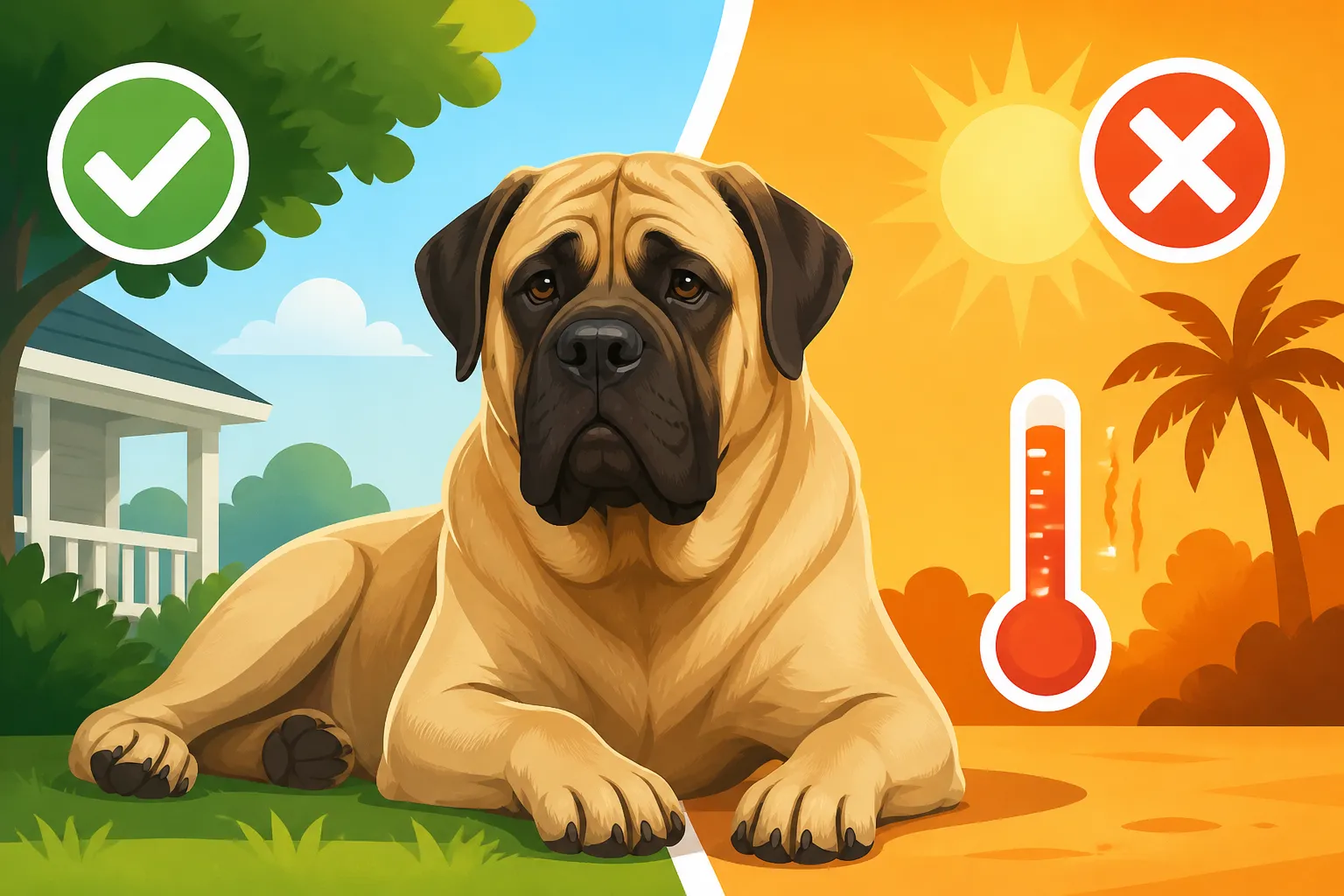
Bringing a majestic Mastiff into your life is a huge commitment, and if you live somewhere like the American South, with its famously intense heat and humidity, you might be wrestling with a very real concern: can this giant, magnificent dog truly thrive in such a climate? It's not just a matter of comfort; it's a critical health consideration for a breed known for its bulk and deep chest. This guide will walk you through the unique challenges Mastiffs face in warmer regions and, more importantly, share realistic, actionable strategies to ensure your gentle giant stays safe, happy, and cool when the temperatures soar.
The Physiological Challenges of Mastiffs in Southern Climates
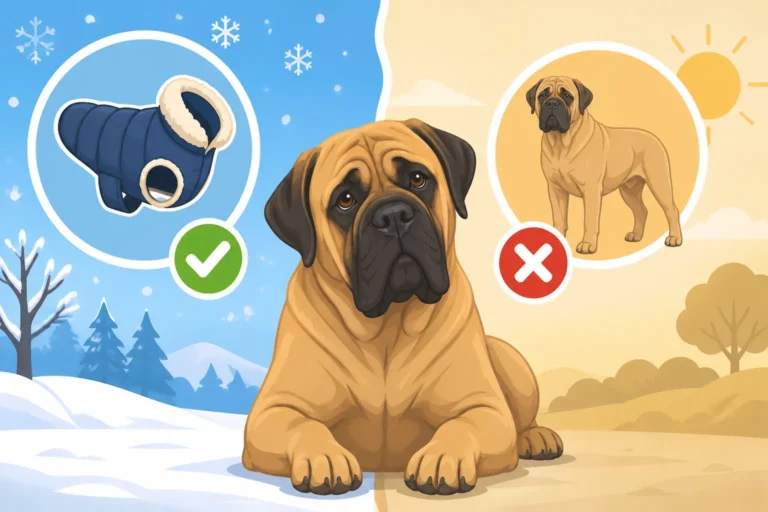
Let's be brutally honest: Mastiffs are not built for heat. They're originally from cooler, more temperate climes, and their physiology reflects that heritage. Understanding why they struggle is the first step in helping them.
Why Their Sheer Size is a Disadvantage
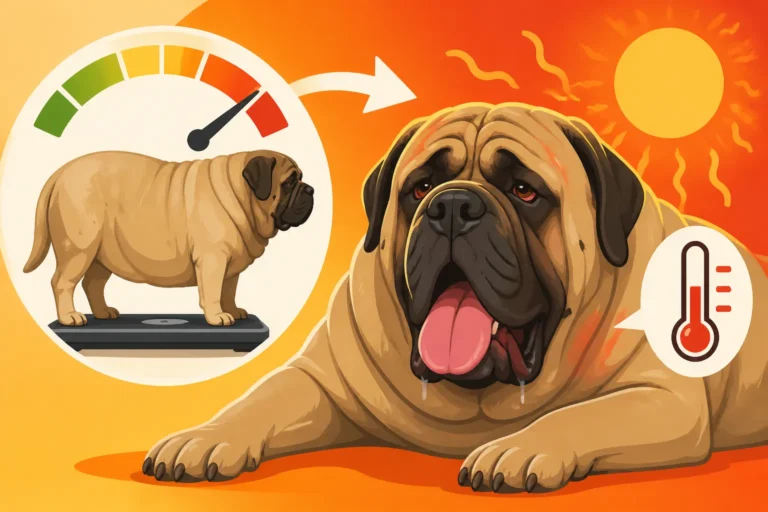
Imagine trying to cool down a massive oven versus a small toaster. That's a bit like the difference between a Mastiff and a leaner, smaller dog. Their incredible bulk, which we all adore, is actually a significant disadvantage when it comes to dissipating heat. Mastiffs have a relatively small surface area compared to their enormous volume. This means they have less skin available to release heat into the environment. Think about how a radiator works – it maximizes surface area to cool down fluid. A Mastiff does the opposite.
Their deep chests, while impressive, act like internal furnaces, retaining heat rather than shedding it. This isn't a problem when it's cold, but in the oppressive humidity of a Southern summer, it means their core temperature can rise quickly and dangerously. They simply can't cool down as efficiently as a sleek Greyhound or even a medium-sized Lab. It's a constant, uphill battle for their bodies, and it requires us, as their caretakers, to intervene significantly. You might want to read more about Why Bulk Makes a Mastiff Overheat to really grasp this concept.
Brachycephalic Tendencies and Breathing Difficulties
While Mastiffs aren't typically considered an extreme brachycephalic (short-nosed) breed like a Pug or a Bulldog, many individuals within the breed do have shorter muzzles and looser facial tissue than their ancestral counterparts. This can lead to what's known as Brachycephalic Obstructive Airway Syndrome (BOAS) to varying degrees. Even mild forms of this can severely impact a Mastiff's ability to pant effectively.
Panting is a dog's primary way of cooling down. It allows them to evaporate moisture from their tongues and respiratory tracts, which in turn cools their blood. If a Mastiff's airways are even slightly constricted, or if they have too much soft tissue around their palate and throat, that efficient airflow is compromised. They have to work harder to breathe, which generates more heat, creating a vicious cycle. You'll notice they might snore more, breathe heavily even at rest, or produce more foamy drool when hot. This isn't just uncomfortable; it's a serious impediment to their survival in high heat and humidity.
The Double Whammy: Exercise Intolerance and Heatstroke Risk
Combine their massive size and potential breathing challenges with intense heat, and you have a recipe for disaster: extreme exercise intolerance and a high risk of heatstroke. A Mastiff's natural inclination is already to be a couch potato, but in the South, even a short walk can become perilous. Their bodies simply can't shed heat fast enough. What might be a comfortable stroll for a smaller dog is a dangerous endurance test for a Mastiff.
Heatstroke in a Mastiff isn't a slow, gradual onset. It can strike with frightening speed. One moment your dog might seem a little warm, the next they could be collapsing. Symptoms like excessive panting, bright red gums, thick drool, lethargy, stumbling, and even vomiting or diarrhea demand immediate, emergency veterinary attention. There's a reason we often talk about The Minutes a Mastiff Has in a Warm Car – their internal temperature can skyrocket in an enclosed space or during strenuous activity, with devastating consequences. Prevention is absolutely non-negotiable because treatment for severe heatstroke is often too late or incredibly expensive with a guarded prognosis.
Adapting Your Home and Lifestyle for a Southern Mastiff
Living in the South with a Mastiff isn't about hoping for the best; it's about actively creating an environment where they can thrive, regardless of the outdoor temperatures. This means making significant adjustments to your home and daily routine.
Mastering the Indoor Environment: Air Conditioning and Cooling Zones
Let's get this out of the way: if you plan to have a Mastiff in the South, reliable, strong air conditioning is not a luxury; it's a fundamental necessity. Your home needs to be an arctic refuge for them during the hottest months. This isn't just about keeping the house "comfortable" for you; it's about preventing your dog from overheating. During peak summer, the A/C might need to be set lower than you'd typically choose, and certainly kept on even when you're out. Consider smart thermostats that allow you to monitor and adjust temperatures remotely.
Beyond just the A/C, think about creating specific "cooling zones" in your home. These might include:
- Cooling Mats: These mats, often gel-filled, absorb body heat and provide a cooler surface. You can find excellent options on Chewy or Amazon. Make sure to get one large enough for your Mastiff to sprawl out on.
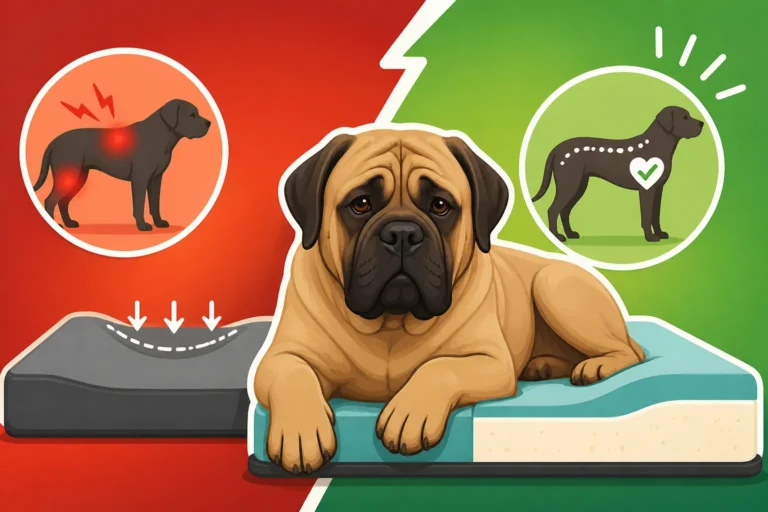
- Elevated Beds: While a giant orthopedic bed is crucial for their joints, an elevated mesh bed can allow for better airflow underneath them, preventing heat buildup from contact with the floor.
- Strategic Water Stations: Place multiple large, heavy water bowls around the house. Use ceramic or stainless steel bowls, as plastic can retain odors and warm up faster. Adding ice cubes to their water is a simple, effective trick.
- Fans: Position floor fans or tower fans in areas your Mastiff frequents. The moving air helps with evaporative cooling (panting).
Every Mastiff owner in a warm climate needs to understand How Much Cooling a Mastiff Household Needs because it truly is a primary factor in their well-being.
Smart Outdoor Management: Timing, Shade, and Hydration
While indoor comfort is paramount, Mastiffs still need to go outside for potty breaks, and perhaps a very gentle, short walk. How and when you manage their outdoor time is crucial.
- Timing is Everything: During the summer, outdoor activities must be restricted to the coolest parts of the day – typically early morning (before 8 AM) and late evening (after 8 PM, or even later). Avoid midday and afternoon heat like the plague. Even on cloudy days, humidity can be deadly.
- Surfaces Matter: Pavement, asphalt, and even concrete can retain tremendous heat, burning paw pads and radiating heat back up to your Mastiff's body. Stick to grass or cool, shaded dirt paths. Always test the ground with your hand; if it's too hot for your palm, it's too hot for their paws.
- Constant Hydration: Ensure they have access to cool, fresh water outdoors. If you're out for even a short period, bring a portable water bowl and a bottle of water. Adding ice to their outdoor water bowl can also help.
- Shade, Shade, Shade: If they are spending any time outdoors, whether for a quick potty break or just lounging, they must have immediate, constant access to dense shade. A single tree might not cut it; think about covered patios, large umbrellas, or even shaded dog runs.
- Kiddy Pools: A shallow, sturdy plastic kiddy pool filled with a few inches of cool water can be a wonderful relief. Many Mastiffs enjoy wading or lying in the water to cool their bellies. Just remember, due to their size and body type, Why Swimming Is a Poor Cooling Plan for a Mastiff means deep swimming isn't an efficient cooling method or even safe for many Mastiffs, so shallow wading is the goal.
Recognizing and Responding to Heat Stress
Being able to identify the subtle, and not-so-subtle, signs of heat stress is literally a life-saving skill for a Mastiff owner in the South. Don't wait; act immediately.
| Symptom | Severity | Action |
|---|---|---|
| Heavy panting, slight drooling | Mild | Get indoors to A/C immediately, offer water, observe closely. |
| Excessive panting, profuse drooling, lethargy | Moderate | Move to A/C, apply cool (not ice) water to armpits/groin/paws, offer water, call vet for advice. |
| Bright red gums, stumbling, disorientation, vomiting, diarrhea, collapse | Severe | Emergency Vet IMMEDIATELY. Apply cool water to body, fan, offer water if conscious. Do NOT force water. Keep calm. |
Early intervention is key. If you even suspect your Mastiff is too hot, get them into the coolest part of your home, offer water, and start gentle cooling measures. Apply cool (never icy) water to their belly, armpits, and groin where major blood vessels are close to the surface. Use a fan to aid evaporation. Call your vet immediately. They can advise if an emergency visit is necessary. Don't underestimate the situation; Signs a Mastiff Is Overheating can escalate incredibly quickly.
Diet, Hydration, and Health Considerations
Living in a warmer climate can subtly impact a Mastiff's nutritional needs and overall health management, even beyond direct heat concerns.
Tailoring Diet for Lower Activity
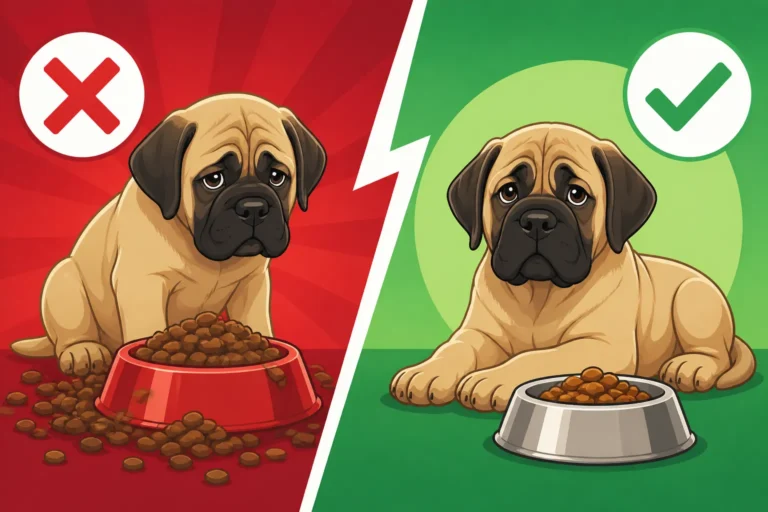
Given the restricted outdoor exercise a Mastiff in the South will experience during hotter months, careful attention to their diet is crucial to prevent obesity. An overweight Mastiff is at an even higher risk for joint problems, heart issues, and, critically, heatstroke, as the extra insulation makes cooling even harder.
You'll want to work with your veterinarian to determine the appropriate calorie intake for your specific Mastiff's age, weight, and actual activity level. This might mean feeding slightly less than recommended on general kibble bags, or choosing a food formulated for giant breeds with moderate protein and fat content. Brands like Chewy and Amazon offer a wide selection of quality giant breed kibbles, and some newer options like Ollie can provide fresh, balanced meals that might be more palatable, but you'd need to ensure the portion sizes are strictly controlled for their caloric density. The goal is to keep them lean and muscular, not heavy. Remember, Keeping a Mastiff Lean on Purpose is one of the best things you can do for their long-term health.
Ensuring Optimal Hydration
Hydration is always important for dogs, but for a Mastiff in a hot climate, it moves from important to vital. Ensure they have constant access to fresh, clean, cool water. Beyond just providing water, you can proactively increase their fluid intake:
- Multiple Water Sources: As mentioned, bowls in several locations encourage frequent drinking.
- Add Water to Food: Mixing a bit of warm water or low-sodium broth into their kibble can boost hydration.
- Wet Food or Fresh Food: If your budget allows, incorporating some wet food into their diet or using fresh food options (like Ollie, if available in giant breed formulations) can contribute to their overall water intake.
- Ice Cubes: Many Mastiffs love to crunch on ice cubes, which offers both hydration and a little cooling.
- Consider Electrolytes (with vet approval): In extreme heat, or if your dog has been particularly active (which should be minimal), your vet might recommend electrolyte solutions to replenish minerals lost through panting. This is especially true if you are concerned about something like How Much Water a Cystinuric Mastiff Needs, even if your dog isn't affected, the principle of ample hydration remains.
Vet Care and Seasonal Checks
Regular veterinary check-ups are always essential, but they take on added importance for Mastiffs in hot climates. Your vet can help you monitor for any underlying conditions that could be exacerbated by heat.
- Pre-Summer Check-up: Schedule a check-up before the hottest months begin. Your vet can assess your Mastiff's overall health, particularly looking for any subtle respiratory or cardiac issues that might make them more vulnerable to heat. For instance, Whether a Mastiff Needs a Cardiac Exam is a really good question to ask, as underlying heart conditions can significantly impact their ability to cope with heat stress.
- Weight Management: Your vet can help you accurately assess your Mastiff's body condition score and advise on diet adjustments to keep them at a healthy weight.
- Medication Review: If your Mastiff is on any medications, discuss with your vet if any adjustments are needed during extreme heat, or if certain medications might increase their heat sensitivity.
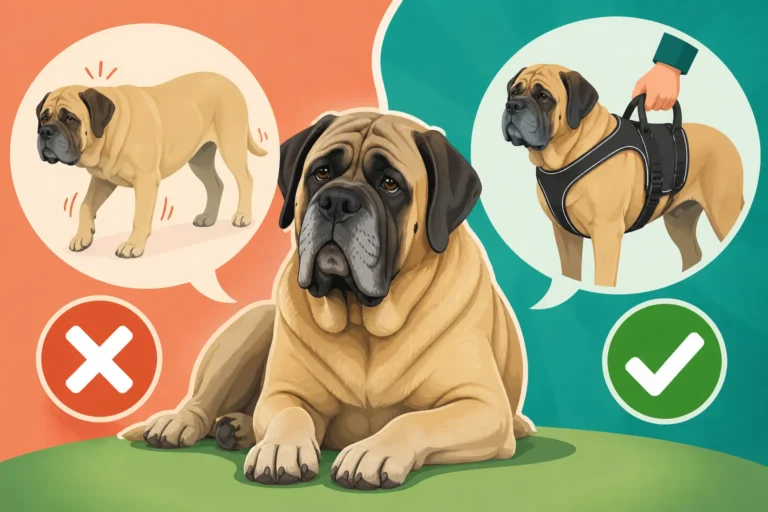
- Awareness of Breed-Specific Issues: Be mindful of conditions common in Mastiffs that could be worsened by heat, such as joint pain (which can make getting up and moving to a cooler spot harder) or skin fold infections (which can worsen in humid conditions).
Choosing the Right Mastiff for a Warm Climate
If you're still in the planning stages of bringing a Mastiff into your Southern home, there are a few considerations that might give your future companion a slight edge in coping with the heat.
Color and Coat Considerations
While all Mastiffs will struggle in the heat, subtle differences in coat color might play a minor role.
- Lighter Colors: Fawn and apricot Mastiffs, with their lighter coats, might reflect slightly more sunlight than brindle or darker-fawn individuals. This is a very minor advantage, mind you, as most heat absorption happens through their sheer bulk, but every little bit can help. What Fawn Looks Like on a Mastiff can give you an idea of the lighter shades.
- Coat Density: While Mastiffs have short coats, some lines can have a denser undercoat, particularly during seasonal changes. This denser coat could theoretically trap more heat. It's not a major factor, as they are not double-coated like a Husky, but it's something to be aware of. Regular brushing, even for their short coats, can help remove loose hair and improve airflow.
Ultimately, coat color is a minimal factor compared to overall management strategies, but it's worth a passing thought.
Temperament and Activity Levels
Mastiffs are generally known for their calm, lower-energy dispositions, which is a huge benefit in a hot climate where strenuous exercise is limited. When selecting a puppy or adopting an adult, observe their energy levels.
- Naturally Calm Individuals: Look for a Mastiff that is naturally laid-back and content to lounge. An unusually energetic Mastiff, while charming in a cooler climate, might struggle more with the necessary restrictions on activity in the South.
- Mental Stimulation: Since physical exercise will be curtailed, ensure you can provide plenty of mental stimulation with puzzle toys, training sessions indoors, and gentle enrichment activities. A bored Mastiff can be a destructive Mastiff, regardless of the heat.
Breeding and Health Testing
Perhaps the most critical consideration when acquiring a Mastiff for any climate, but especially a warm one, is to choose a reputable breeder who prioritizes health.
- Focus on Health Clearances: A responsible breeder will have performed extensive health testing on the parent dogs, including hip and elbow evaluations, cardiac exams, and eye certifications. These are often part of programs like the Orthopedic Foundation for Animals (OFA) and the Canine Health Information Center (CHIC). For instance, understanding The Four CHIC Tests a Mastiff Breeder Must Clear is crucial for ensuring you're getting a puppy from healthy lines. Healthy joints mean easier movement to find cool spots, and a healthy heart and respiratory system are paramount for coping with heat.
- Sound Structure: Look for Mastiffs with good, open nostrils and a well-defined, proportionate muzzle. While some Mastiffs will naturally have a shorter face, avoiding extremes in brachycephalic features can make a difference in their breathing efficiency.
- Transparency: A good breeder will be open about their dogs' health, temperament, and the challenges of the breed, including heat tolerance. They should be a valuable resource for advice on living with a Mastiff in your specific region.
In summary, it's certainly possible for a Mastiff to live in the South, but it requires an unwavering commitment from their owners. It means prioritizing their comfort and health with diligent management of their environment and daily routine.
Disclaimer
This article is for general informational purposes only and does not constitute professional advice. Laws, prices and regulations vary by location and change over time. Consult a qualified professional for guidance on your specific situation.