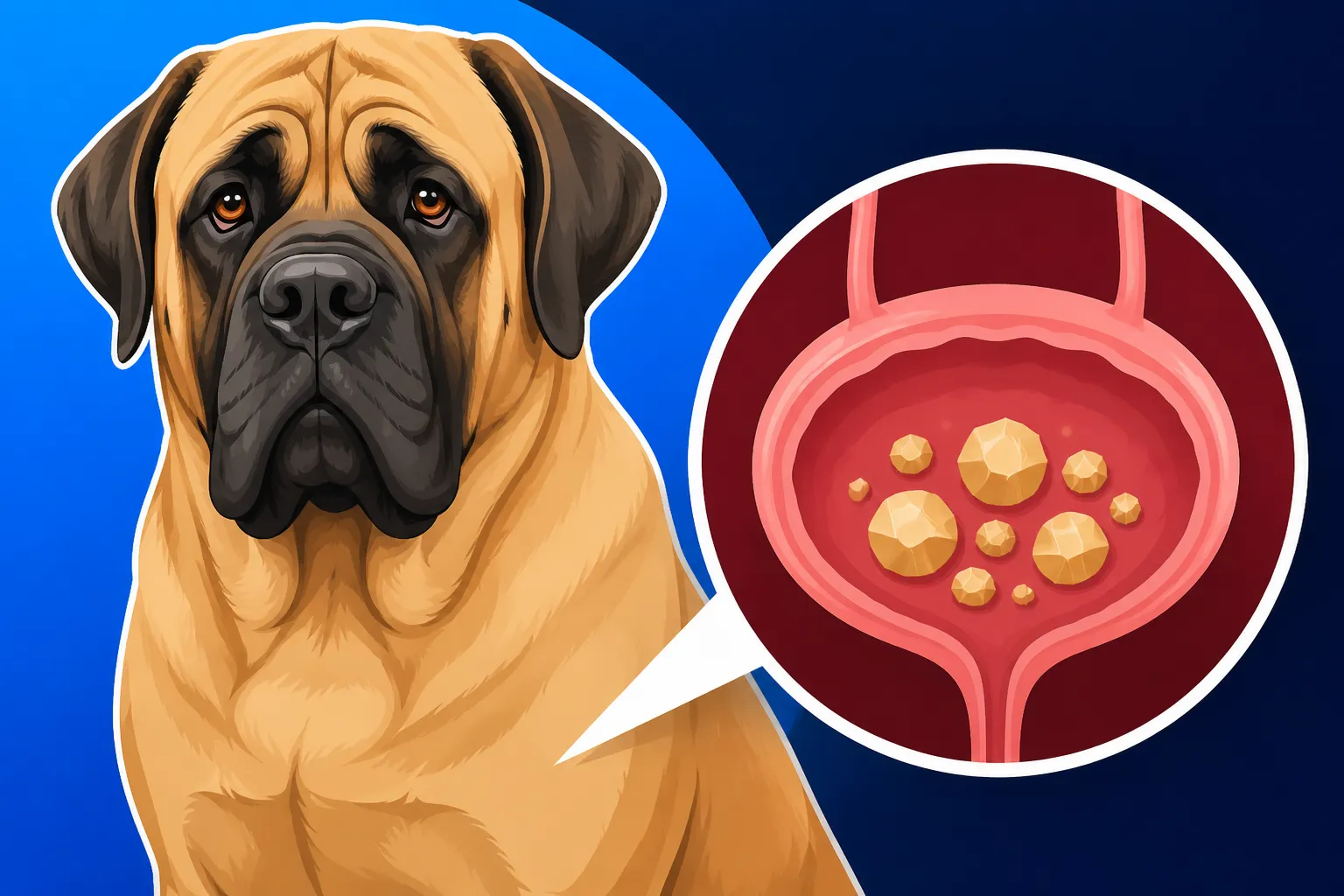
How a Mastiff’s Cystine Stones Are Found
It’s a truly frightening realization, isn't it? To know that your magnificent Mastiff, often so stoic and seemingly resilient, could be suffering from a painful, potentially life-threatening condition like urinary stones, and you might not even know until it’s a full-blown emergency. Cystine stones, in particular, are a sneaky opponent for our beloved big dogs. This guide is here to walk you through the crucial steps veterinarians take to uncover these hidden dangers, from the subtle hints your dog might give to the advanced diagnostic tools used to confirm their presence.
The Mysterious Threat: Understanding Mastiff Cystinuria
Before we dive into how these stones are found, it's essential to understand what we're dealing with. Cystinuria Type III is a metabolic disorder that affects certain breeds, and our Mastiffs are unfortunately among them. It’s not just any kind of stone; these are specific formations that can cause immense discomfort and serious health complications.
What Exactly is Type III Cystinuria?
At its heart, cystinuria is a genetic condition. It means there’s a glitch in the way a dog's kidneys reabsorb certain amino acids, primarily cystine. Instead of being reabsorbed and utilized by the body, an excess of cystine is excreted into the urine. This sounds innocent enough, but cystine isn't very soluble in urine. When there's too much of it, and the urine chemistry is just right (or, rather, wrong), these cystine molecules start crystallizing, clumping together, and forming stones. These stones can range from microscopic grains to large, obstructive formations in the bladder or, less commonly, in the kidneys. For Mastiffs, this specific genetic mutation is known as Type III, which differentiates it from other forms found in different breeds. This condition highlights Why Mastiff Retinal Atrophy Needs Only One Copy of the Gene because, while different diseases, both underscore the importance of genetic predispositions in our breed.
Why Only Intact Male Mastiffs Form These Stones
Here's where it gets particularly interesting, and often frustrating, for owners of male Mastiffs. While both male and female Mastiffs can carry the gene for cystinuria, it is almost exclusively intact (unneutered) males who develop the actual stones. This is due to the condition being androgen-dependent. Androgens, the male sex hormones like testosterone, play a significant role in the expression of this genetic trait. Without these hormones, the excessive cystine excretion often doesn't occur to the same degree, or the urinary environment is less conducive to stone formation. This is a critical piece of information for breeders and pet owners alike, as it directly impacts management and prevention strategies. Understanding Why Only Intact Male Mastiffs Form Cystine Stones is key to preventative care.
The Silent Threat: Why Early Detection is Crucial
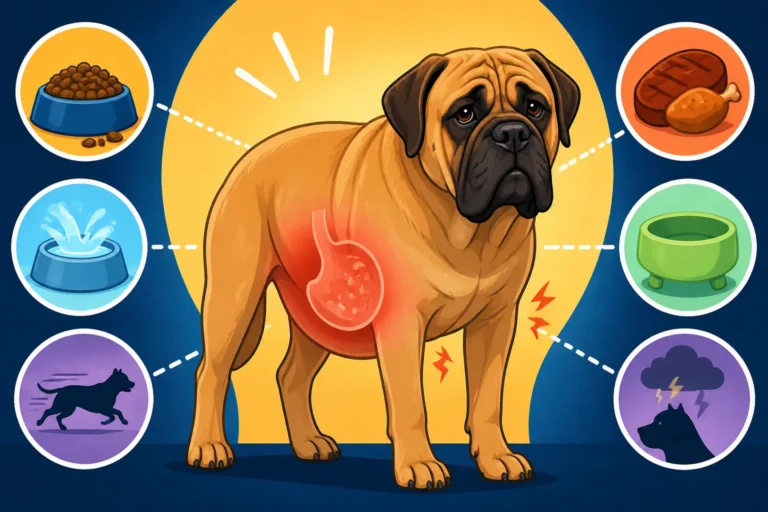
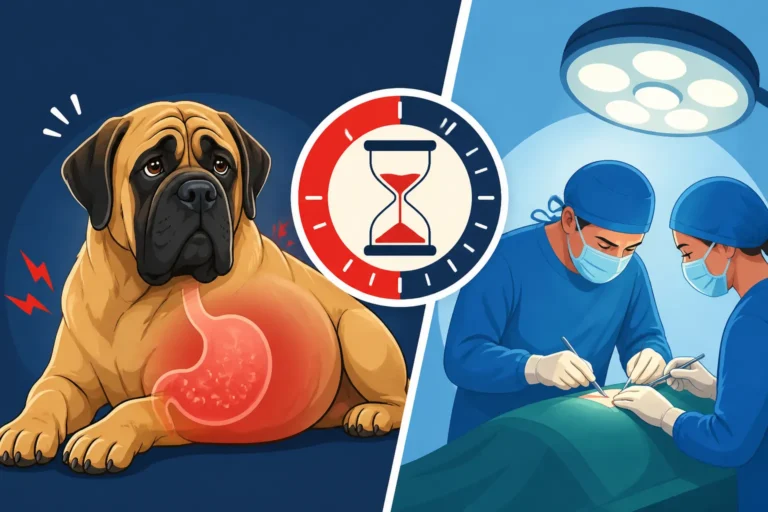
The biggest problem with cystine stones is their stealth. They can grow slowly, causing mild, intermittent symptoms that are easily missed or mistaken for other, less serious issues. Your Mastiff might just seem "a little off," or you might attribute a subtle change in urination to something else entirely. However, these stones can lead to severe pain, chronic urinary tract infections, and, most dangerously, a complete urinary blockage. A blockage is an absolute emergency; the urine can't exit the body, leading to a rapid build-up of toxins and potential rupture of the bladder. The Mastiff's sheer size and bulk mean that emergencies are always amplified. If you suspect a blockage, you truly have The Hours a Blocked Male Mastiff Has before it becomes critical.
Spotting the Silent Signals: Early Warning Signs
Because Mastiffs are such masters of stoicism, recognizing the initial signs of cystine stones often requires a keen eye and a deep understanding of your dog's normal behavior. You’re looking for subtle shifts, not always dramatic declarations.
Subtle Behavioral Changes
One of the first, most common indicators that something might be amiss is a change in your Mastiff's urination habits. These aren't always glaringly obvious, so pay close attention. You might notice your dog:
- Straining to urinate (stranguria): They might assume the position to pee, but nothing much comes out, or they strain for a longer period than usual. It can look like constipation, but it's clearly related to urination.
- Increased frequency of urination (pollakiuria): Your Mastiff might ask to go outside more often, or even have accidents in the house, despite being fully house-trained. This is especially alarming in an adult Mastiff who usually has excellent bladder control.
- Licking their genital area more frequently: This is a common self-soothing behavior when they're experiencing discomfort or irritation.
- Restlessness or discomfort: They might shift positions often, seem agitated, or be less enthusiastic about their usual activities. Some might show signs of abdominal pain, like a reluctance to jump (which Mastiffs rarely do anyway, but you get the idea) or a guarded posture.
- Changes in appetite or energy levels: While not specific to urinary issues, any deviation from your Mastiff's normal routine warrants investigation, as pain or discomfort can certainly lead to a decrease in their usual robust appetite.
It's easy to dismiss these things individually, particularly in a large, laid-back breed. But when multiple subtle changes coalesce, it’s a serious red flag.
Visible Signs in Urine
Sometimes, the evidence is a little more direct, though still requiring observation. Keep an eye on your Mastiff's urine itself:
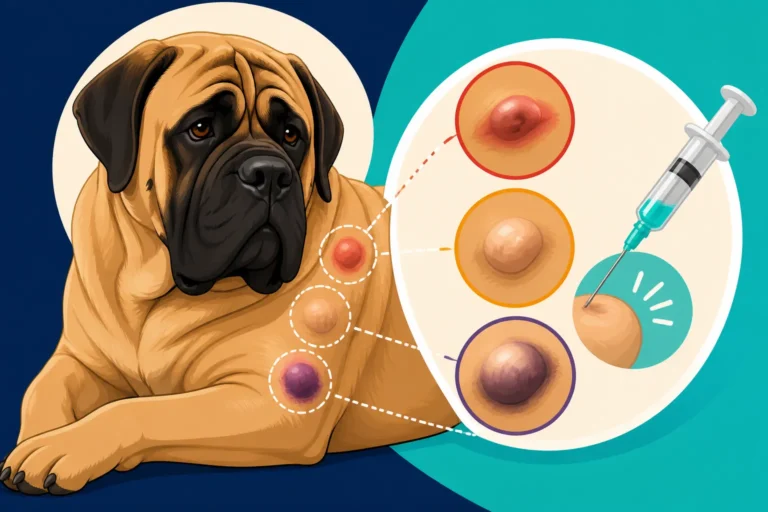
- Blood in the urine (hematuria): This can manifest as pinkish, reddish, or brownish urine. It might not always be visible to the naked eye, but sometimes you'll see a distinct change. Even a small amount of blood is concerning.
- Cloudy or discolored urine: Normal urine is usually clear and yellow. If it appears murky, hazy, or unusually dark, it could indicate infection or the presence of crystals and stones.
- Strong, unusual odor: While dog urine always has an odor, a particularly pungent, ammonia-like, or otherwise strange smell can be a sign of a urinary tract infection, which often accompanies stones.
These more visible signs are usually a prompt for immediate veterinary attention. Don’t wait to see if it resolves on its own; with cystine stones, time is truly of the essence.
Risk Factors and Who is Most Susceptible
Beyond the "intact male" factor, there are other elements that increase a Mastiff's risk. Genetics, as mentioned, are paramount. If you're considering a Mastiff puppy, asking about the parents' Whether the Cystinuria Marker Test Is Reliable in Mastiffs results is crucial. Some lines may have a higher prevalence of the genetic marker. Age can also play a role, with many dogs first presenting symptoms between 1 and 6 years of age, though it can occur younger or older. Recurrence is also a major risk, even after stones are removed or dissolved, making long-term management critical. The simple truth is, if you have an intact male Mastiff, especially one whose lineage includes others affected by cystinuria, you should be acutely aware of the possibility.
Unraveling the Mystery: The Veterinary Diagnostic Process
Once you suspect something is wrong, your veterinarian becomes your most important ally. They have a systematic approach to uncover what’s truly going on inside your Mastiff. The goal is not just to find a stone, but to identify its type and location, which guides treatment.
Initial Veterinary Examination and History
When you bring your Mastiff in, the vet will start with a thorough physical examination, which includes palpating the abdomen. They'll be looking for signs of pain, bladder distention, or any palpable abnormalities. Just as critical is the detailed history you provide. They’ll ask about all those subtle signs you’ve noticed: changes in urination, appetite, energy, and any previous health issues. Don't underestimate the power of your observations; you know your Mastiff best. Being transparent about your dog's lineage and whether previous generations or littermates have had urinary issues is also invaluable for diagnosis. This initial assessment helps the vet narrow down possibilities.
Urinalysis: The Frontline Test
This is typically the first and most fundamental diagnostic step. A urinalysis provides a wealth of information about your Mastiff’s urinary health:
- Urine pH: Cystine crystals are more likely to form in acidic urine. While not definitive, a consistently acidic pH can be a clue.
- Specific Gravity: This measures how concentrated the urine is. Dilute urine might suggest increased water intake or kidney issues.
- Presence of Crystals: The most direct evidence from a urinalysis is seeing cystine crystals under the microscope. This is a strong indicator that your Mastiff has cystinuria, even if stones haven't formed yet. However, crystals aren't always present, even if stones are.
- Blood, Protein, and White Blood Cells: These can indicate inflammation or infection, which often go hand-in-hand with stones. A urinary tract infection can worsen the environment for stone formation and increase discomfort.
Your vet will usually prefer a "cystocentesis" sample, meaning they collect urine directly from the bladder with a needle. This method prevents contamination from the urethra or external environment, providing the purest sample for analysis.
Genetic Testing: Confirming the Predisposition
For Mastiffs, there are specific DNA tests available to identify if your dog carries the gene for Type III Cystinuria. This is a simple, non-invasive test, usually done with a cheek swab.
- Carrier Status: A dog can be a carrier (one copy of the gene) or affected (two copies of the gene). As noted, only intact males with the genetic predisposition typically develop stones.
- Breeding Decisions: Genetic testing is paramount for responsible Mastiff breeders to prevent passing the gene onto future generations, ensuring they screen The CHIC Tests Both Mastiff Parents Must Clear and additional DNA panels.
- Proactive Management: If you know your male Mastiff carries the gene, even if he hasn't shown symptoms, you and your vet can implement proactive measures to prevent stone formation, such as dietary adjustments and increased water intake.
This test doesn’t find stones, but it confirms the underlying risk, which is invaluable for prevention and understanding a symptomatic dog's condition.
Imaging Techniques: The Visual Evidence
When symptoms are present, or if urinalysis suggests a strong possibility, imaging is critical to definitively locate and characterize the stones. This is where the physical evidence truly comes to light.
- Radiographs (X-rays): X-rays are often the first step in imaging. However, cystine stones are often "radiolucent," meaning they don't show up well on standard X-rays because they aren't dense enough to block the X-ray beam effectively. Some larger stones might be visible, but smaller ones or those in certain locations can be missed.
- Ultrasound: This is often the gold standard for finding cystine stones. Ultrasound uses sound waves to create real-time images of the bladder, kidneys, and urethra. It can detect even small stones that X-rays miss, evaluate the bladder wall for thickening (indicating inflammation), and check for kidney involvement. It's excellent for visualizing the soft tissues and structures of the urinary tract.
- Contrast Radiography: If basic X-rays or ultrasound are inconclusive, your vet might recommend a contrast study. This involves injecting a special dye into the bladder or intravenously. The dye highlights the urinary tract structures, making stones visible as "filling defects" within the contrast material. A double-contrast cystogram, where both air and contrast material are injected into the bladder, can be particularly effective.
Each imaging modality has its strengths and weaknesses, and often a combination is used to get the clearest picture. Considering your Mastiff's size, these procedures can be complex, and pet insurance from providers like Healthy Paws can be incredibly helpful in covering the costs of advanced diagnostics, ensuring you can make the best choices for your dog without financial strain.
Here's a quick overview of how these diagnostic tools contribute to finding cystine stones:
| Diagnostic Method | What It Looks For | Strengths | Limitations |
|---|---|---|---|
| Urinalysis | Cystine crystals, pH, blood, infection markers | Non-invasive, quick, good for initial screening | Crystals not always present; doesn't locate stones |
| Genetic Test (DNA) | Presence of Cystinuria Type III gene | Confirms genetic predisposition/risk | Doesn't confirm stone presence; only indicates risk |
| Standard X-ray | Radiopaque stones (calcium oxalate, struvite) | Good for dense stones, general organ layout | Cystine stones often radiolucent (invisible) |
| Ultrasound | Stones, bladder wall thickening, kidney changes | Excellent for soft tissue, real-time imaging, detects radiolucent stones | Operator dependent; sometimes difficult to visualize urethra fully |
| Contrast Radiography | Filling defects in contrast-filled urinary tract | Clearly outlines stones (even radiolucent) | More invasive, requires sedation, longer procedure |
Moving Forward: Post-Diagnosis and Prevention
Once cystine stones are definitively found, the focus shifts to treatment. This can involve medical dissolution (using special diets and medications to try and dissolve the stones) or surgical removal, especially if there's a blockage or the stones are too large for dissolution. Given the specific nature of this condition in Mastiffs, and that it's tied to male hormones, sometimes Why Neutering Ends the Cycle in a Cystinuric Mastiff becomes a significant part of the long-term management plan.
After the immediate crisis is handled, lifelong prevention is key. This typically involves a prescription diet designed to make the urine less acidic and increase water intake, as How Much Water a Cystinuric Mastiff Needs is crucial to flushing out cystine. Regular urinalysis checks are also vital to monitor for crystals and any signs of recurrence. This proactive management is not just about avoiding future emergencies but about ensuring your Mastiff lives a comfortable, healthy life. Again, this is where pet insurance, like a policy from Healthy Paws, can provide invaluable assistance, helping you afford the ongoing veterinary care, specialized diets, and monitoring that a cystinuric Mastiff will require over its lifetime.
Finding cystine stones in a Mastiff is a serious diagnosis, but with careful observation, prompt veterinary intervention, and a dedicated management plan, you can ensure your big companion receives the best possible care.
Disclaimer
This article is intended for informational purposes only and does not constitute medical advice. Always consult with a qualified veterinarian for any health concerns or before making any decisions about your pet's medical care.