Why a Mastiff Develops Elbow Calluses
Seeing those tough, leathery patches start to form on your beloved Mastiff's elbows can be a real moment of worry for any giant breed owner. You cherish every inch of your big dog, and when something looks off, especially something that seems uncomfortable, it's natural to feel concerned. This comprehensive guide will walk you through exactly why these elbow calluses develop, what they mean for your gentle giant, and most importantly, how you can prevent them and care for your Mastiff's skin to ensure they stay as comfortable and healthy as possible.
Understanding What Mastiff Elbow Calluses Are
Elbow calluses, often called pressure sores or decubital ulcers in more severe cases, are a remarkably common sight on large and giant breed dogs, and our majestic Mastiffs are certainly no exception. It’s not a reflection of poor care, but rather a physical manifestation of their immense size and their innate love for lounging. These aren't just cosmetic issues; they can lead to discomfort or even serious health problems if not properly managed.
The Anatomy of a Callus
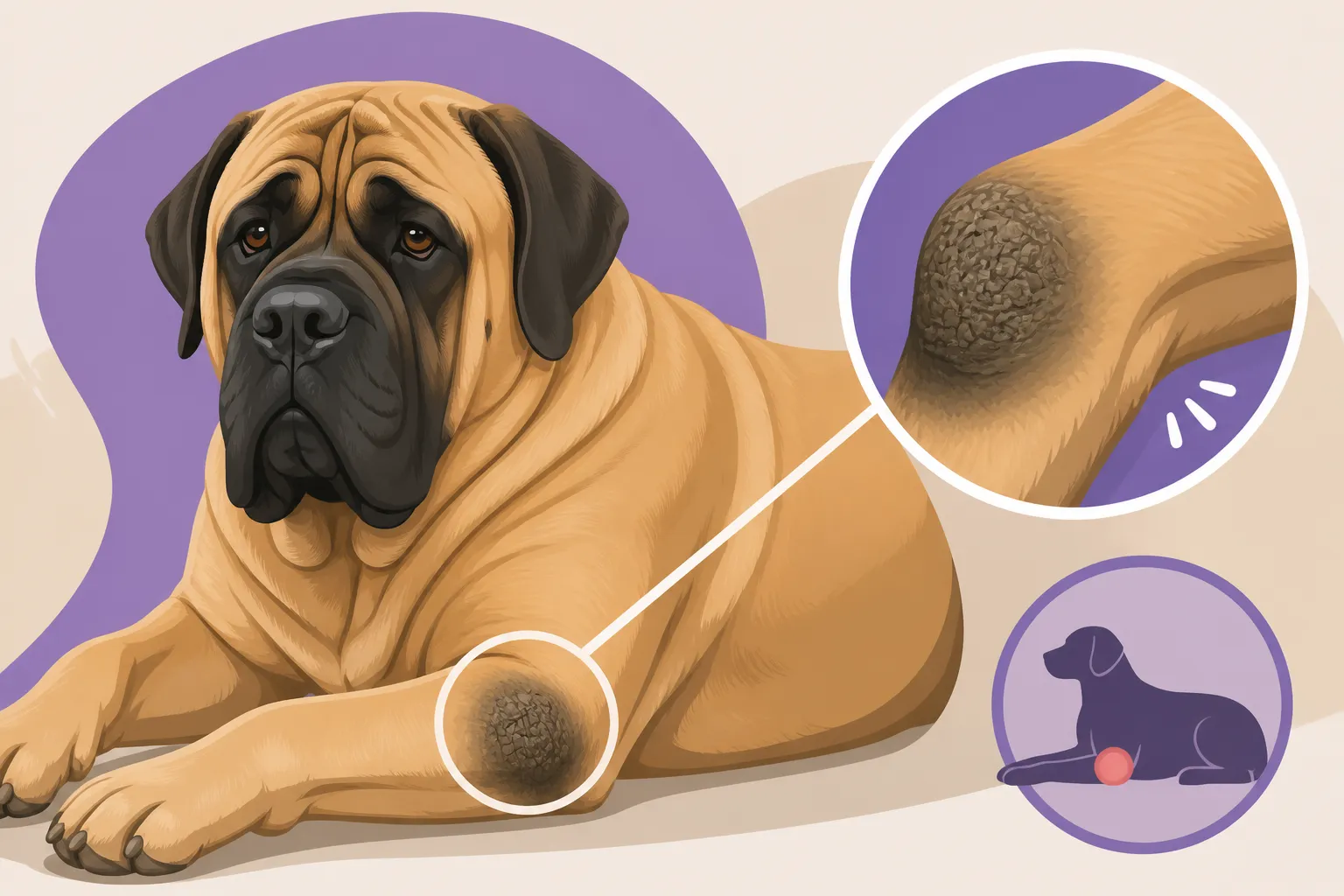
A callus is essentially a localized area of thickened, hardened skin that forms in response to repeated friction and pressure. Think about how a person might get a callus on their hand from a repetitive task. For dogs, especially Mastiffs, these typically develop over bony prominences where there's little natural padding, like the elbows, hocks, or hips. The skin in these areas loses its hair, becomes rough, dry, and often discolored, usually a darker gray or black. It's the body's natural defense mechanism, trying to protect the underlying bone and tissue from constant impact.
Over time, this constant pressure and friction cause the cells in the epidermis to multiply, making the skin much thicker and tougher than the surrounding tissue. The hair follicles in that area often become damaged or simply cease to produce hair, leading to the characteristic bald spot. The skin can also become hyperpigmented, appearing darker due to an increase in melanin production. While initially a protective response, this altered skin can lose elasticity, becoming prone to cracking, especially if it gets too dry, which then opens the door to potential secondary infections.
Why Mastiffs Are Prone to Them
The sheer scale of a Mastiff is undoubtedly their most defining, and often most endearing, characteristic. However, this magnificent size also comes with its unique set of challenges, and elbow calluses are high on that list. Imagine A Mastiff Lying Two Hundred Pounds on One Elbow All Day – that's an incredible amount of localized pressure. Unlike smaller dogs who can shift their weight more easily or whose bony points are not subjected to such extreme force, a Mastiff's weight acts as a powerful compressive force every time they lie down on a hard surface.
Their natural inclination to be couch potatoes doesn't help either. While we adore their placid nature and love for a good snooze, it means they spend a significant portion of their day lying down. Each time they settle onto a hard floor, their elbows, being one of the first points of contact with minimal muscle or fat cushioning, bear the brunt of their impressive mass. This continuous, repetitive compression and friction against unforgiving surfaces like concrete, tile, or even thin carpet, creates the ideal conditions for calluses to form. It’s less about if a Mastiff will develop them, and more about when and how severe they will become without proactive measures.
The Root Causes of Elbow Callus Formation
Understanding the "why" behind those rough patches on your Mastiff's elbows is the first step toward effective prevention and care. It's not usually one single factor, but rather a combination of their physical attributes and environmental influences that conspire to create these common skin conditions. Many owners feel a twinge of guilt when they see them, but it’s often an inevitable consequence of owning such a magnificent, heavy dog, which means focusing on management rather than blame.
The Impact of Hard Surfaces
This is probably the most obvious culprit. If your Mastiff loves to sprawl out on the cool kitchen tiles, the unforgiving concrete of the garage floor, or even just a thinly carpeted living room, their elbows are experiencing significant impact. Every time they lie down or shift position, those bony prominences scrape and press against the hard surface. Over time, this constant friction and pressure damage the delicate skin and underlying tissue. It’s like sandpaper rubbing against an unprotected spot, slowly but surely creating a tougher, less sensitive patch.
Even seemingly soft surfaces might not be enough. A thin rug on a hardwood floor, for instance, offers minimal cushioning for a dog as heavy as a Mastiff. The impact is still there, just slightly mitigated. This is particularly true in homes with a lot of Traction: Why a Mastiff Cannot Live on Bare Hardwood – while good for joint stability, if those hard floors are where they spend most of their lounging time, calluses are a very real risk. The body tries to protect itself, and a callus is essentially a shield, but one that can become brittle and problematic if not addressed.
The Role of a Mastiff's Immense Weight
There's no getting around it: Mastiffs are big dogs. Their weight, often well over a hundred pounds and frequently pushing two hundred, is a huge factor in callus development. This isn't just about general bigness; it's about how that weight is distributed and concentrated. When a Mastiff lies down, their massive bulk creates immense pressure on specific points of contact with the ground, primarily their elbows, hips, and hocks. These areas have very little fat or muscle to cushion them, leaving the bone and skin vulnerable.
Think of it like this: a small terrier might weigh 20 pounds, distributing that weight over its body when it lies down. A Mastiff, weighing ten times that, concentrates that force into a relatively small area on its elbow. This sheer magnitude of force compresses the blood vessels in the skin, reducing blood flow, which can lead to cellular damage over time. It's a continuous, low-level trauma that the body responds to by thickening the skin, essentially trying to create its own padding. This is also why Keeping a Mastiff Lean on Purpose is so crucial, not just for joint health, but for reducing overall pressure on these vulnerable areas.
Contributing Factors: Activity Levels and Genetics
While hard surfaces and heavy weight are the primary drivers, other elements can play a role. A less active Mastiff, for example, one who spends more time resting and lounging, will naturally put more sustained pressure on their elbows than a dog who moves around more frequently. This isn't to say your Mastiff needs to be a marathon runner – far from it, considering their joint needs – but understanding their typical daily routine can help you identify if prolonged resting periods on inadequate surfaces are contributing.
Genetics can also play a subtle part, though it’s less about direct inheritance of calluses and more about predispositions. Some Mastiffs may have slightly thinner skin, less natural cushioning, or a different skin type that makes them more susceptible to forming calluses, or to developing secondary issues like cracking or infection. While you can't change their genetics, being aware of their individual skin health can help you be more vigilant. For a male Mastiff, knowing The Weight Range a Male Mastiff Should Hold and for a female, The Weight Range a Female Mastiff Should Hold, is key, as managing their weight effectively directly mitigates the pressure on those vulnerable elbow joints.
Recognizing and Managing Existing Calluses
Catching elbow calluses early and knowing how to manage them can make a world of difference in your Mastiff's comfort and long-term skin health. It's easy to dismiss them as just a normal part of having a giant breed, but ignoring them can lead to more serious issues down the line. A proactive approach is always best for our big furry friends.
Identifying Early Signs
The earliest signs of a developing elbow callus are usually pretty subtle. You might notice a small patch of thinning hair on the outer point of the elbow. This area might feel a little rougher than the surrounding skin and perhaps appear slightly discolored, often a bit darker than their natural coat or skin tone. It’s easy to overlook these initial changes, especially if your Mastiff has a thick coat or darker pigmentation already.
As the callus progresses, the hair loss becomes more pronounced, leaving a distinct bald spot. The skin will thicken further, becoming hard, dry, and leathery to the touch. It might also deepen in color, becoming quite black or grey. At this stage, the skin can lose its elasticity, making it vulnerable to cracking, particularly if it's very dry. Keep an eye out for any signs that the skin is breaking or appears red, swollen, or warm to the touch, as these indicate a more serious problem. Regular gentle checks during grooming or cuddle time can help you spot these changes before they become more advanced.
Preventing Worsening and Infection
Once you've identified a callus, the goal is two-fold: prevent it from getting worse and protect it from infection. The primary way to prevent worsening is to eliminate or significantly reduce the pressure and friction that caused it in the first place. This means providing ample, soft, and supportive bedding everywhere your Mastiff likes to lie down. We'll delve deeper into bedding options shortly, but think plush, orthopedic beds, thick rugs, and cushioned mats.
For existing calluses, especially those that are dry and tough, moisture is key. Regular application of a pet-safe moisturizer or balm can help keep the skin supple and prevent it from cracking. Products containing ingredients like shea butter, coconut oil, or vitamin E can be beneficial. It's a bit like caring for your own cracked heels – consistency is crucial. If the callus is already cracked or open, keeping it clean is paramount to preventing infection. Gently wash the area with a mild antiseptic solution recommended by your vet and keep it dry. You might even need to protect it with a soft bandage or sock, though many Mastiffs aren't fans of these accessories. This is where you might find specialized balms and creams, readily available on Amazon or Chewy, designed specifically for tough paw pads and calluses.
When to Seek Veterinary Advice
While many elbow calluses are merely cosmetic and manageable at home, there are definite signs that warrant a trip to the vet. If the callus becomes red, swollen, painful to the touch, or starts oozing any fluid or pus, it's likely infected and requires professional attention. Cracks in the callus that are deep or bleeding are also serious and need immediate veterinary care, as they can be entry points for bacteria.
Sometimes, a callus can progress to a hygroma, which is a fluid-filled sac that forms over the joint in response to repeated trauma. A vet can differentiate between a simple callus and a hygroma and recommend the appropriate treatment, which might include draining or, in some cases, surgical intervention. Persistent lameness or reluctance to lie down can also indicate pain associated with the callus or underlying joint issues. Never hesitate to consult your veterinarian if you're unsure about the severity of your Mastiff's calluses or if they seem to be causing your dog discomfort. Early intervention can prevent a minor issue from becoming a major problem. You might find yourself asking Whether a Mastiff's Elbow Calluses Crack and Bleed or Whether a Mastiff Gets Hygromas on Its Elbows – these are definitely questions for your vet.
Practical Prevention Strategies for Mastiff Owners
The best defense against elbow calluses in Mastiffs is a good offense, meaning proactive prevention. Since we know the primary culprits are pressure and friction on hard surfaces, our efforts should focus on mitigating these factors in their everyday environment. It's about making your home a sanctuary for those big, bony joints.
The Importance of Proper Bedding
This cannot be stressed enough: good quality, thick, orthopedic bedding is absolutely non-negotiable for a Mastiff. These aren't just luxury items; they are essential health tools. A giant breed needs a bed that provides substantial cushioning and support, distributing their weight evenly and preventing those bony elbows from digging into the floor. A thin, flat dog bed might be fine for a smaller dog, but for a Mastiff, it's barely better than nothing. You need something robust that won't flatten out after a few weeks.
Look for beds with dense, high-quality foam, like memory foam or orthopedic foam, that can withstand their weight without compressing completely to the floor. The bed should be large enough for your Mastiff to stretch out comfortably in any position. Investing in multiple beds for different areas where your Mastiff likes to lounge – perhaps one in the living room, one in the bedroom, and even one in a frequently used hallway – is a wise move. Companies like Big Barker are specifically designed for giant breeds, offering robust support. You can often find excellent options on Chewy or through Amazon for these specialized beds. It’s worth checking out How Thick a Bed a Mastiff Needs and understanding What an Orthopedic Bed for a Mastiff Costs to budget appropriately.
Creating a Soft Environment Indoors
Beyond dedicated dog beds, think about transforming your entire home into a softer, more joint-friendly haven. This means strategically placing thick rugs, carpet runners, or padded mats in all the high-traffic areas and favorite lounging spots where your Mastiff spends time. If you have tile, hardwood, or laminate floors throughout your house, these additional soft surfaces are crucial.
Consider how your Mastiff moves through the house. Do they often sprawl out by the front door, or always curl up under a specific window? Those are prime locations for extra padding. Non-slip rug pads are essential to prevent slips and falls, especially for a heavy dog. Even old comforters or thick blankets can serve as temporary soft spots, though they won't offer the same orthopedic support as a proper dog bed. The goal is to minimize direct contact between your Mastiff's elbows and hard, unforgiving surfaces as much as possible, wherever they choose to rest. This proactive approach helps prevent calluses from ever forming or worsening if they're already present. You'll find that understanding What Flooring Suits a Mastiff goes a long way in setting up your home for success.
Dietary Considerations and Weight Management
Maintaining your Mastiff at a healthy, lean weight is one of the most impactful prevention strategies for calluses, as well as for their overall joint health. Every extra pound your Mastiff carries adds more pressure to those bony prominences when they lie down. It's a simple physics equation: more mass equals more force on the elbows. A lean Mastiff will naturally exert less pressure on their joints and skin, reducing the risk of callus formation and progression.
Work closely with your veterinarian to determine the ideal weight for your Mastiff, keeping in mind that the breed standard emphasizes substance but not obesity. Feed a high-quality, large-breed appropriate diet and carefully monitor their calorie intake. While treats are wonderful for training and bonding, they should be given in moderation. Regularly assess your Mastiff's body condition score – you should be able to feel their ribs without seeing them prominently, and they should have a discernible waist. If your Mastiff is on the chunkier side, a gradual weight loss plan can significantly alleviate the pressure on their elbows. Products from brands like Ollie that focus on fresh, healthy ingredients can be excellent for weight management, providing nutrient-dense meals without excess fillers. This also ties into the broader concept of Keeping a Mastiff Lean on Purpose.
Long-Term Care and Living with Elbow Calluses
Even with the best preventative measures, some Mastiffs may still develop or have existing elbow calluses. The key then shifts to effective long-term management, ensuring these areas remain healthy, comfortable, and free from infection. It's an ongoing commitment, much like all aspects of caring for such a magnificent breed.
Daily Maintenance and Hygiene
For Mastiffs with existing calluses, a consistent daily routine is essential. Start by gently cleaning the callus area with a soft, damp cloth to remove any dirt or debris. This is especially important for calluses that might be a bit rough or cracked, as debris can easily get lodged in them. Follow with a thorough but gentle drying. Never rub vigorously, as this can cause further irritation.
Once clean and dry, apply a generous amount of a pet-safe, deeply moisturizing balm or cream. Products specifically formulated for rough paws or calluses often contain lanolin, beeswax, or other soothing and protective ingredients. Regular application helps keep the skin supple, preventing it from drying out, cracking, and becoming painful. Think of it as daily moisturizing for their elbows. This consistent care improves the skin's elasticity, making it more resilient. You might find many options available on Amazon that are highly rated for this purpose, or specialized balms on Chewy. This directly addresses questions like Whether a Mastiff's Callus Should Be Moisturized.
Specialized Products and Treatments
Sometimes, over-the-counter balms aren't quite enough, or a callus might have progressed to a point where more targeted treatment is needed. Your veterinarian might recommend specific medicated creams if there's any sign of inflammation or bacterial overgrowth. These could contain ingredients to reduce swelling, fight infection, or promote healing. In cases where the callus has become severely thick and hardened, the vet might even suggest methods to gently debride or soften the outer layers.
For Mastiffs that develop hygromas (fluid-filled sacs over the elbow joint) in conjunction with calluses, veterinary intervention is crucial. Treatment might range from conservative management with protective bandages and strict rest on soft surfaces, to aspiration (draining the fluid), or in rare, severe cases, surgery. It's vital not to attempt to drain a hygroma yourself, as this can introduce infection and cause more harm than good. Always follow your vet's advice for any specialized products or treatments, as they can accurately diagnose the underlying issue and prescribe the safest and most effective course of action. Keep an eye out for any unusual swelling, and ask your vet Whether a Mastiff Gets Hygromas on Its Elbows if you're concerned.
Adapting Your Home for a Giant Breed
Living with a Mastiff means making certain adaptations to your home, and preventing elbow calluses is a perfect example of this. It's not just about buying a single bed; it's about creating an environment where soft, supportive surfaces are readily available wherever your dog chooses to relax. This could mean strategically placing larger, washable area rugs over hard flooring in communal living spaces.
Consider creating a "soft zone" in any area where your Mastiff tends to lie down frequently, perhaps near a sunny window or by your desk. This might involve layering several thick blankets or using extra-large dog beds designed for comfort and support. Even ensuring that their crate, if used, has exceptionally thick padding can make a difference. The goal is to make it genuinely more appealing for them to lie on a soft surface than a hard one. This can also tie into broader home adaptations for their joint health, such as finding solutions for Traction: Why a Mastiff Cannot Live on Bare Hardwood with runners or special coatings. By thinking ahead and making these adjustments, you can significantly reduce the cumulative trauma to their elbows and keep them comfortable for years to come.
Comparison of Mastiff Bedding Options
Choosing the right bedding is paramount for preventing and managing elbow calluses in your Mastiff. Not all dog beds are created equal, especially when you're supporting a two hundred-pound gentle giant. Here's a comparison of common bedding types and their suitability for your Mastiff.
| Bedding Type | Material/Construction | Pros | Cons | Suitability for Mastiffs (Callus Prevention) |
|---|---|---|---|---|
| Orthopedic Memory Foam | High-density memory foam or layered support foam | Excellent pressure relief, conforms to body, durable | Higher initial cost, can retain heat (some have cooling gels) | Best – Superior support and pressure distribution. |
| Bolster Beds | Polyester fill or foam core with raised edges | Provides head/neck support, sense of security, often washable | Fill can flatten over time, foam core density varies, bolsters take up space | Good – If foam core is dense, bolsters protect elbows. |
| Pillow/Cushion Beds | Loosely filled with polyfill, cedar chips, or recycled | Affordable, lightweight, easy to move | Flattens quickly under weight, minimal pressure relief, fill can shift | Poor – Insufficient support for heavy breeds. |
| Elevated/Cot Beds | Fabric sling stretched over a frame (often metal) | Promotes airflow, easy to clean, keeps dog off floor, good for outdoors | Some dogs dislike the instability, can create pressure points if fabric sags, no soft cushioning | Moderate – Good for cooling, but need thick pad on top for elbows. |
| Self-Warming/Cooling Mats | Reflective layers or cooling gel | Regulates temperature, portable | Thin, offer no significant orthopedic support, can be expensive for size needed | Poor – Primarily for temperature, not callus prevention. |
| Thick Area Rugs/Carpet | Densely woven, high pile, non-slip backing | Provides widespread soft surface, blends with decor | Can be hard to clean, may still not offer enough cushioning for direct resting spots | Good (as supplement) – Excellent for general floor coverage, but add a bed for primary lounging. |
Ultimately, the goal is to prevent those bony elbows from hitting anything hard. While a mix of solutions might work, always prioritize a robust orthopedic bed for your Mastiff's primary resting spots. Remember that How Often a Mastiff Flattens a Bed is a real concern, so investing in quality that lasts is key.
Disclaimer
This article is for general informational purposes only and does not constitute professional advice. Laws, prices and regulations vary by location and change over time. Consult a qualified professional for guidance on your specific situation.