What a Mastiff Does When Someone Knocks
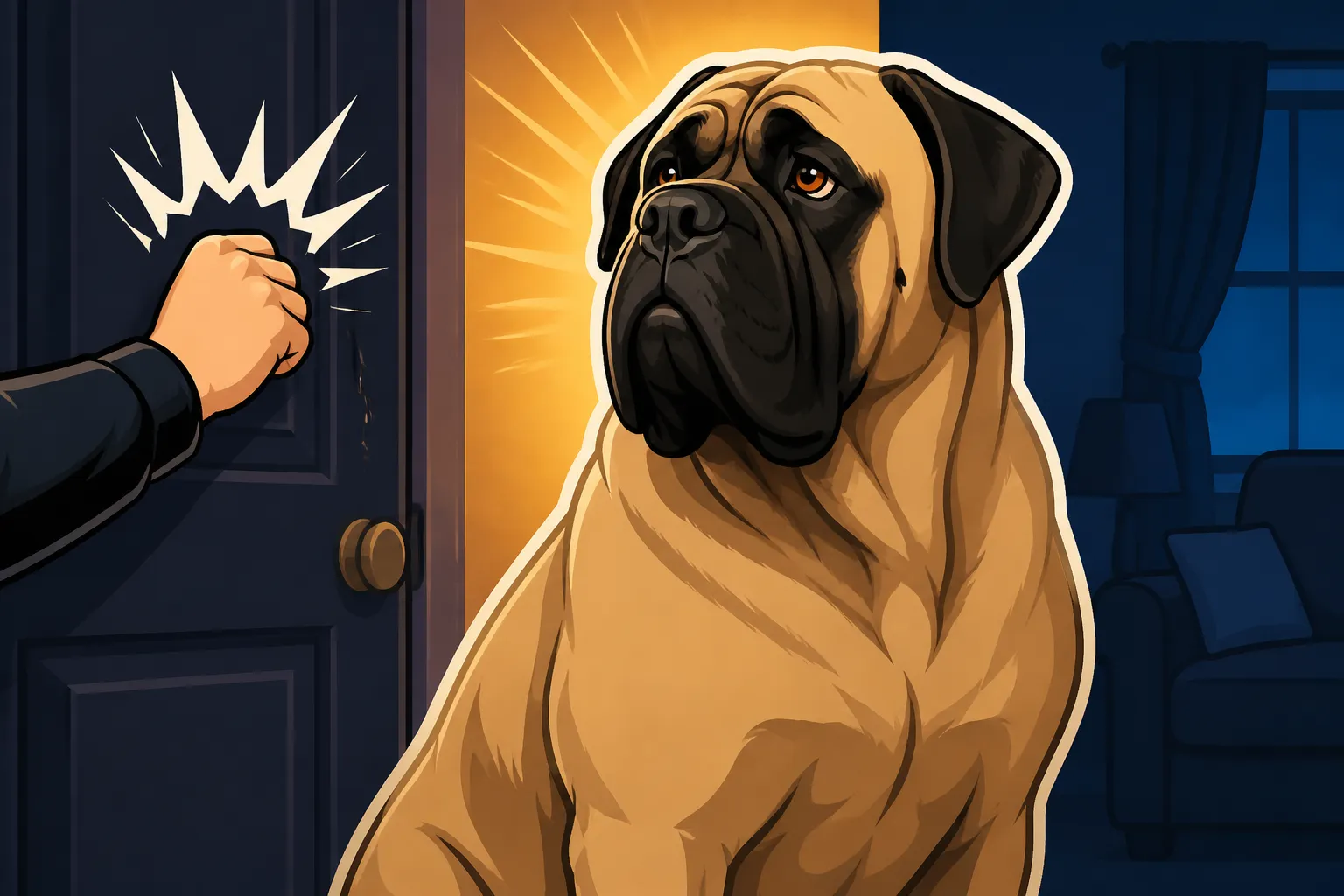
That sudden thump-thump-thump at your front door can send any dog into a frenzy, but when you share your home with a Mastiff, that simple knock can feel like a seismic event. You know the drill: the deep, rumbling alert that vibrates through the floor, the lumbering rush to the door, and the sheer physical presence that can intimidate even the bravest delivery person. It's a common frustration for Mastiff owners, navigating that fine line between welcoming a guest and managing a two-hundred-pound canine's rather enthusiastic "hello." This guide will help you understand your Mastiff's reactions to a knock, what those reactions mean, and how to gently guide their responses for a calmer household.
The Instinctive Response: Why a Knock Triggers Your Mastiff
When that knock echoes through your home, your Mastiff isn't just reacting to a sound; they're responding to centuries of carefully honed instinct. These magnificent dogs were bred for specific roles, roles that very much involved keeping a watchful eye on their territory. Understanding this deep-seated history is the first step to truly appreciating (and managing) their door-greeting habits.
A History of Guarding, Not Aggression
Mastiffs, historically, were not bred to be aggressive attack dogs in the modern sense of personal protection. Instead, their purpose was that of a formidable deterrent and a living alarm system. Imagine a bygone era where a lone Mastiff, often weighing more than a grown man, stood sentry over an estate or a flock. Its sheer size and imposing presence were usually enough to make any would-be intruder think twice. Their job was to intimidate and alert, not necessarily to engage in a physical confrontation unless absolutely necessary. This historical context explains why your Mastiff might rush to the door with a booming bark but then, upon seeing a familiar face, simply stand there like a furry statue, blocking the entrance. They're fulfilling their ancient programming: "Something is here, and I'm aware of it!" They excel at How a Mastiff Guards Without Being Taught, often without any formal training in protection work.
They possess an inherent territorial awareness. Your home is their home, and a knock represents an unknown entity attempting to breach the perimeter. This isn't necessarily a sign of malice; it's a testament to their loyalty and their protective nature. They view themselves as the first line of defense, even if the "threat" is merely the postal worker with a package. Their intention is to investigate and inform you of the presence, and their imposing physical stature handles much of the "deterrent" part of the equation without them needing to do much else.
The Sound of Intrusion: Why a Simple Knock Is a Big Deal to Them
To a Mastiff, the sudden sound of a knock or a doorbell ringing isn't just a signal; it's a disruption to their peaceful domain. Their hearing is far more acute than ours, and what sounds like a gentle rap to us can be a startlingly loud intrusion to them. This sudden noise, combined with the scent and vibrations of someone standing just outside their territory, instantly puts them on alert.
Think about it from their perspective: one moment, all is calm, perhaps they're napping or enjoying a chew toy. The next, an unexpected sound, usually originating from their door, shatters the tranquility. This immediately triggers their "investigate and protect" mode. For a breed so attuned to the safety of their family and territory, this sudden noise demands an immediate response. It’s not just a polite announcement; it’s a potential challenge to their sense of order and security. Even a routine delivery can become a perceived threat when signaled by that jarring sound. This heightened sensitivity means that consistent training is essential to help them differentiate between true threats and everyday occurrences.
Decoding the Mastiff's Reaction: From Bark to Body Language
When that knock comes, your Mastiff's response isn't always a one-note performance. They communicate a great deal through their barks, growls, and subtle (and not-so-subtle) body language. Learning to read these signals can help you understand what your Mastiff is trying to tell you and manage the situation more effectively.
The Deep, Resonant Bark
The most immediate and unmistakable reaction to a knock is often that signature Mastiff bark. It's not a yappy, incessant bark like some smaller breeds; it's a deep, powerful sound that seems to originate from their very core, designed to carry across a field and certainly through a closed door. This bark serves as a clear announcement: "Someone is here! I hear them!" It's an alert, first and foremost, intended to inform you and to signal to the approaching person that there is a large, watchful dog on duty. How Rarely a Mastiff Barks otherwise means that when they do, you know it's important to them.
Often, this initial bark is enough. Once they've announced the presence, many Mastiffs will transition to a more observational stance, waiting for your cues. However, if the knocking continues or if the perceived presence lingers, the barking might intensify, becoming more insistent or even punctuated by a low growl. This escalation indicates a higher level of concern or a desire for the "intruder" to acknowledge their presence and perhaps move on. It’s important to note that a Mastiff’s bark isn’t necessarily aggressive, but rather a profound statement of presence and awareness, often coupled with a deliberate, slow movement toward the perceived source of the intrusion.
Body Language Beyond the Bark
While the bark is the primary auditory signal, your Mastiff's body language tells an even richer story. Their physical size alone is a statement, but observing their posture, tail, and facial expressions can reveal their true feelings.
- Leaning and Blocking: A common Mastiff behavior when someone is at the door is to position themselves directly in the doorway, often leaning their impressive weight against it or against your legs. This isn't just accidental; it's a subtle (or not-so-subtle) act of blocking. They're creating a physical barrier between the outside world and their family. It’s their way of saying, "You shall not pass, until my human gives the okay." This ties into Why a Mastiff Blocks Doorways Instead of Guarding Them, emphasizing their instinct to control access.
- Tail Wag vs. Stiff Tail: A loose, sweeping tail wag often indicates excitement or a friendly disposition, even if coupled with a bark. However, a stiff, high tail wag, or no wag at all, accompanied by a rigid body posture, suggests wariness or a more serious assessment of the visitor.
- Facial Expressions: Look at their eyes and ears. Alert, forward-facing ears and a focused gaze mean they are actively observing and processing. If their brow is furrowed or their lips are slightly drawn back, they might be feeling more apprehensive or protective. They will often take their time to How a Mastiff Judges a Stranger at the Door, slowly gathering information before fully committing to a reaction. This careful assessment speaks volumes about their deliberate nature.
Assessing the Stranger
Mastiffs are not typically impulsive. When someone is at the door, they engage in a thoughtful, if sometimes slow, assessment process. They are taking in all the information available – sounds, smells, visual cues – before deciding on their ultimate response. This isn't a quick judgment; it's a calm, calculated evaluation, which can sometimes be mistaken for slowness.
They want to know who is there, what their intentions are, and whether they pose any threat to their family. This is why you might see them sniff under the door, peer through a window, and then turn back to you for guidance. They rely on you, their leader, to confirm whether this "intruder" is friend or foe. Whether a Mastiff Is Wary of Strangers is often determined by their initial read of the situation and, crucially, your own relaxed or tense demeanor. If you're calm and welcoming, they are more likely to accept the person. If you're anxious, they pick up on that immediately and might maintain a higher state of alert. This nuanced interaction highlights the importance of consistent training and clear communication from you during these moments.
Managing the Mammoth Welcome: Training for a Calm Mastiff at the Door
Dealing with a large, protective Mastiff at the door requires patience, consistency, and clear boundaries. The goal isn't to eliminate their natural guarding instincts, but to channel them into appropriate and manageable behaviors. You want an alert dog, not an over-the-top, potentially overwhelming one.
Early Socialization and Exposure
The foundation for a well-mannered Mastiff at the door begins long before they reach their imposing adult size. Early, positive socialization is absolutely crucial. Expose your Mastiff puppy to a wide variety of sounds, sights, and people from a young age. This means having friends and family visit frequently, taking them to dog-friendly places (once fully vaccinated), and introducing them to all sorts of benign household noises.
The idea is to normalize these experiences so that a knock or doorbell isn't a shocking, rare event but just another part of daily life. The more experiences your puppy has with friendly strangers entering the home calmly, the less likely they are to perceive every visitor as a potential threat. Think of it as building a mental library of "safe" experiences. You can even stage "knocks" with a friend or family member, practicing calm responses. This helps them understand that people coming to the door is a normal, non-threatening occurrence. Remember, Socializing a Mastiff Puppy Before It Gets Heavy is paramount; it's much harder to correct behavioral issues when they outweigh you.
Consistent Training for the Doorbell
Once your Mastiff is past puppyhood, or if you're working with an adult, consistent training is key. Your aim is to teach them an alternative, acceptable behavior when the doorbell rings or someone knocks.
- "Place" or "Mat" Command: This is perhaps the most effective tool. Teach your Mastiff to go to a designated "place" (a specific bed, mat, or crate) and stay there until released, regardless of what's happening at the door. Start by practicing this without any door distractions, gradually introducing gentle knocks. Reward heavily for staying on their place. A sturdy, comfortable orthopedic bed (you can find many options on Amazon) can make their "place" more appealing.
- "Quiet" Command: If your Mastiff barks excessively, teach them a "quiet" command. Let them bark once or twice to alert you, then calmly say "Quiet" and reward them when they stop. This acknowledges their alert but sets a limit.
- Desensitization: Practice by having someone knock or ring the bell while you are ready to reward your Mastiff for not reacting, or for going to their "place." Start with very light knocks, then gradually increase the intensity.
- Consistency is King: Everyone in the household needs to be on the same page. If one person allows them to jump and bark, and another tries to correct it, your Mastiff will get mixed signals. Online training programs, like those offered by BAXTER & Bella, can provide structured lessons and support for consistent training strategies, ensuring everyone is using the same commands and expectations. This consistent effort is essential for Teaching a Mastiff Before It Outweighs You effectively. Learning to Whether a Mastiff Learns to Wait at a Threshold is an important part of this training.
Creating a Calm Zone
Sometimes, training alone isn't enough, or you need an immediate solution for certain visitors. Creating a calm zone provides your Mastiff with a safe, quiet space away from the immediate chaos of the front door.
- Use a Crate or Gate: If your Mastiff is crate-trained, a crate in a quiet room can be their designated "doorbell safe zone." Alternatively, a sturdy pet gate can block off access to the front door area, giving them a visual and physical barrier without feeling completely isolated. You can find robust, pressure-mounted gates on Amazon that are suitable for larger breeds.
- Pre-emptive Action: If you know a visitor is coming, or if you see a delivery truck approach, guide your Mastiff to their calm zone before the knock or doorbell rings. Give them a high-value chew toy or a stuffed Kong to keep them occupied and associate the "doorbell safe zone" with positive experiences.
- Visual Barriers: If your Mastiff gets over-aroused by seeing people outside, consider using privacy film on lower window panes or simply closing blinds or curtains during times of high foot traffic. This removes the visual stimulus that can trigger their reaction, allowing them to rely solely on sound and your commands. This management strategy reduces their overall stress and makes it easier for them to remain calm.
| Mastiff Door Behavior | Interpretation | Training Focus | Management Strategy |
|---|---|---|---|
| Loud, Deep Bark | Alerting you to a presence, fulfilling guardian role. | "Quiet" command, reward for ceasing barking. | Acknowledge, then guide to "place." |
| Standing/Blocking Door | Preventing entry, asserting protective instinct. | "Place" command away from the door, "Wait" at threshold. | Use gates, leash control initially. |
| Leaning on You/Visitor | Seeking reassurance, displaying affection/territoriality. | "Off" command, teach polite greetings. | Keep a leash on during initial greetings. |
| Low Growl | Warning, discomfort, or a stronger deterrent signal. | Redirect attention, build positive associations. | Avoid forcing interaction, create distance. |
| Ignoring the Door | May be habituated, or lacks strong guarding instinct. | (No specific training needed if calm.) | Enjoy the peace! |
| Jumping Up | Over-excitement, seeking attention, greeting too enthusiastically. | "Off" command, "Sit" for greetings, turn away when they jump. | Keep on a leash, have visitors ignore jumping. |
| Silent, Intense Stare | Deep assessment, wary, observing closely before reacting. | Positive reinforcement for calm observation. | Speak calmly, reassure, allow space for assessment. |
Common Challenges and Solutions: When Your Mastiff's Door Greeting Goes Awry
Even with the best intentions and consistent training, things don't always go smoothly. Mastiffs are complex creatures, and sometimes their reactions to a knock can be less than ideal. Recognizing these challenges and having a plan can save a lot of stress for both you and your gentle giant.
Excessive Barking or Lunging
While an initial bark is understandable, excessive, sustained barking, especially if accompanied by lunging at the door or a window, goes beyond a simple alert. This can be startling for visitors and stressful for your household. This behavior often stems from over-arousal, anxiety, or a lack of clear boundaries.
Solutions:
- Interruption and Redirection: The moment the barking starts, use a sharp, firm (but not angry) "Enough!" or "Quiet!" command. Once they stop, even for a second, immediately reward them. Then, redirect their attention to a more appropriate activity, like going to their "place" or performing another known command. This teaches them that listening to you earns a reward, not continued barking.
- Leash Management: For lunging, keep your Mastiff on a leash when you anticipate visitors. This gives you immediate physical control to prevent lunging and allows you to calmly guide them to their "place" or away from the door. A sturdy, flat collar or a well-fitting harness (many options available on Amazon) can provide the necessary control without causing discomfort.
- Identify Triggers: Is it always the same type of sound or person? Does it happen more when they're overtired or under-exercised? Understanding the specific triggers can help you manage or avoid them. Sometimes, just having a visual barrier like closed blinds can reduce the stimuli that cause the lunging.
Fear or Over-Protectiveness
Sometimes, a Mastiff's intense reaction isn't just about guarding; it can be rooted in fear, anxiety, or an over-protective instinct that borders on aggression. This might manifest as growling, retreating, or even a sudden snap if a stranger moves too quickly. Remember, The Sensitivity Nobody Expects in a Two Hundred Pound Mastiff means their reactions can sometimes be driven by internal states we don't immediately perceive.
Solutions:
- Positive Association: For a fearful Mastiff, every interaction with a new person needs to be overwhelmingly positive. Have visitors toss high-value treats (never force interaction) and speak in calm, gentle tones. Never allow a stranger to rush or loom over a fearful Mastiff.
- Space and Retreat: Ensure your Mastiff has a safe space to retreat to if they feel overwhelmed. Don't push them to interact if they're uncomfortable. Over-protectiveness, on the other hand, needs a firm but gentle hand. Your Mastiff needs to understand that you are in charge of assessing threats and that their intense reactions are not needed.
- Professional Help: If fear or over-protectiveness is severe, or if you worry about actual aggression, seeking guidance from a certified professional dog trainer or veterinary behaviorist is crucial. They can assess the root cause and develop a tailored behavior modification plan. This is particularly important for such a large and powerful breed where misjudgments can have serious consequences.
Jumping and Over-Excitement
A Mastiff jumping up to greet a visitor is not just rude; it's potentially dangerous. A two-hundred-pound dog can easily knock over an adult, let alone a child or an elderly person. Their sheer size means even a well-intentioned jump can cause injury. Whether a Mastiff Jumps Up on Visitors is a critical behavior to address.
Solutions:
- "Four on the Floor" Rule: Consistently enforce the rule that all four paws must remain on the floor for them to receive any attention. If they jump, immediately turn your back, cross your arms, and ignore them. Only when they settle (even for a second) do you turn back and offer a calm greeting or reward.
- Teach an Alternative Behavior: Instead of jumping, teach them to sit when greeting people. Ask visitors to wait until your Mastiff is sitting calmly before offering a treat or a gentle pet.
- Leash Control at Greetings: When expecting guests, have your Mastiff on a leash. As the guest approaches, hold the leash short enough to prevent jumping. If they try to jump, a gentle but firm downward pressure on the leash, combined with a "sit" command, can guide them into the correct position. This controlled introduction helps them learn the desired behavior without the risk of an accidental knockdown. Consistency across all family members and visitors is essential to ensure this training sticks.
Disclaimer
This article is for general informational purposes only and does not constitute professional advice. Laws, prices and regulations vary by location and change over time. Consult a qualified professional for guidance on your specific situation.