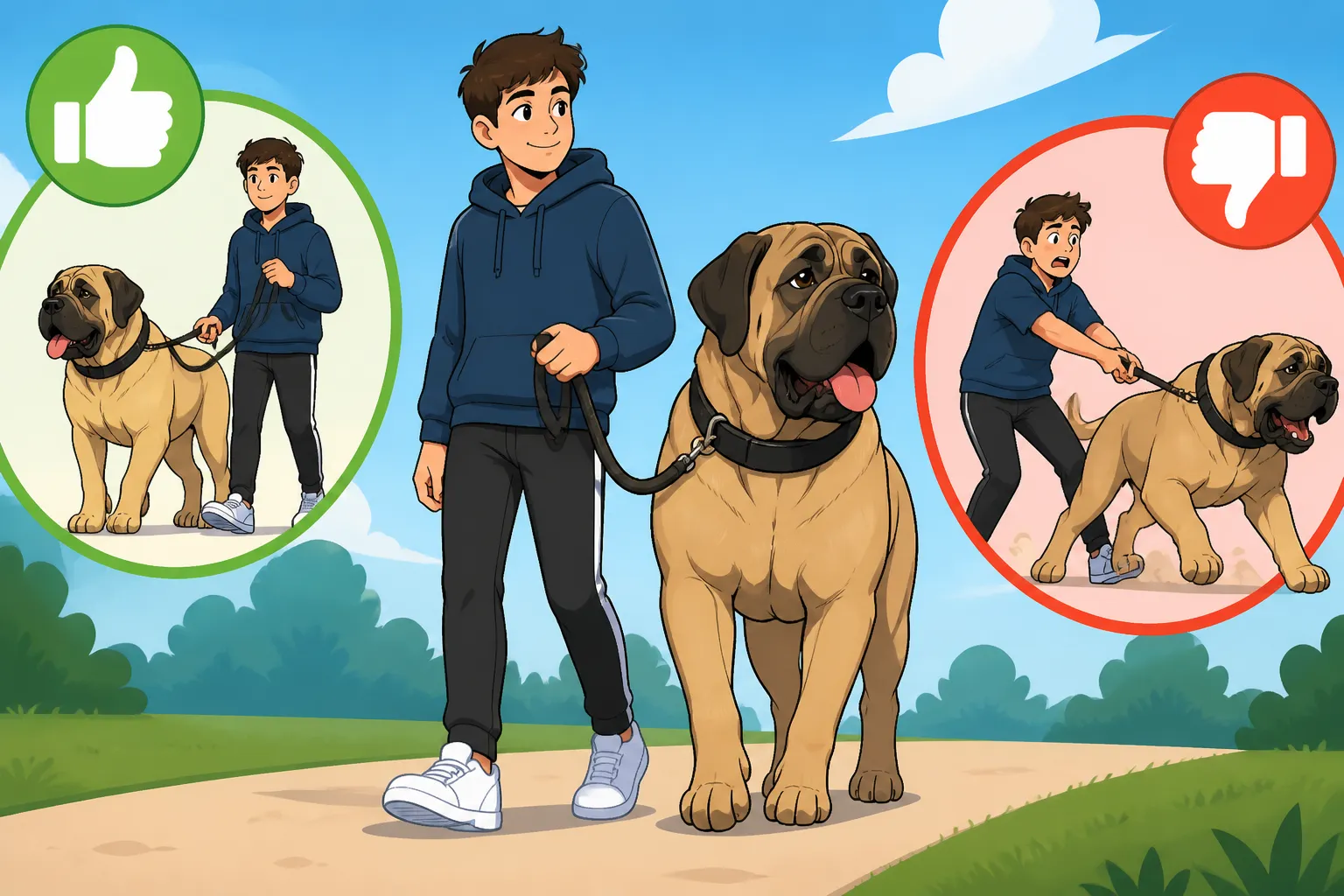
Whether a Mastiff Can Be Walked by a Teenager
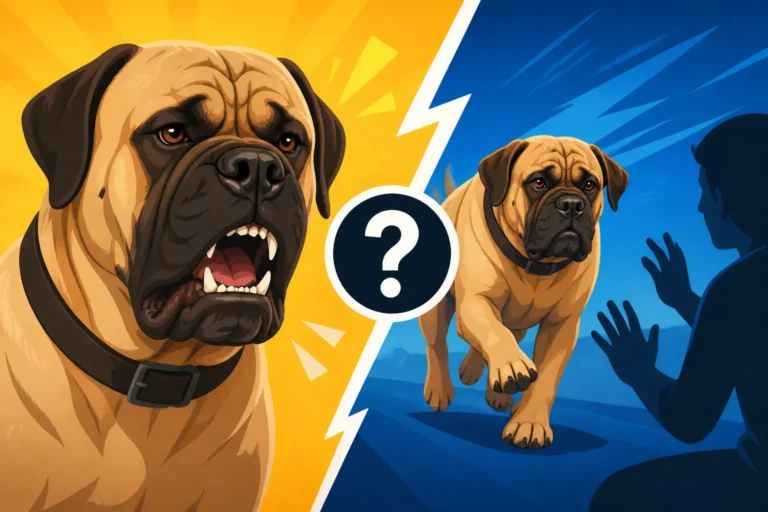
It’s a common scenario: your teenager is eager to take on more responsibility, and walking the family Mastiff seems like a natural fit. However, the sheer size and strength of a Mastiff can make even a short stroll feel like a tug-of-war, leaving many parents wondering if it’s truly safe or even possible for a younger person to manage. This guide will delve into the realities of a teenager walking a Mastiff, exploring the physical demands, necessary training, and safety considerations to ensure a positive experience for both your teen and your gentle giant.
The Physical Realities of Walking a Mastiff
Let's be honest, a Mastiff is a lot of dog. We're talking about a breed that can easily weigh in excess of 150 pounds, sometimes pushing past 200 pounds for a large male. This isn't just a number; it translates directly to immense physical power. While Mastiffs are generally calm and deliberate, their sheer mass means that even a slight pull or sudden dart can be incredibly challenging for anyone, let alone a growing teenager.
Understanding a Mastiff's Strength
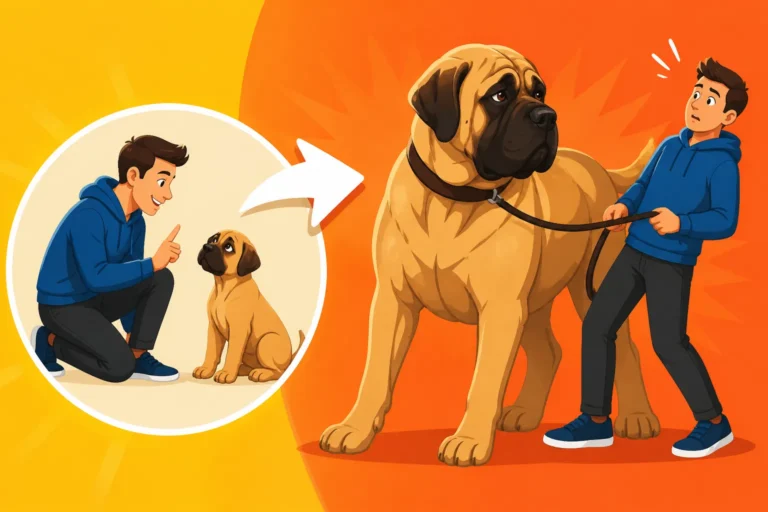
Imagine a situation where your Mastiff spots a squirrel or another dog across the street. Even if your Mastiff is usually well-behaved, that prey drive or social curiosity can kick in, and suddenly, you have a living, breathing anchor attached to the other end of the leash. The force generated by a two hundred pound dog suddenly lunging can be staggering. It's not about malice; it's just physics. How Much Force a Mastiff Can Apply on a Leash can be enough to pull an adult off their feet, let alone a teenager who might not have fully developed core strength or the same weight to brace against.
Consider the leverage too. A Mastiff's broad chest and low center of gravity mean they can really dig in. If your Mastiff decides it's time to investigate an interesting scent or simply A Mastiff Does Not Pull You Over, It Simply Stops in the middle of the sidewalk, a teenager might find themselves unable to budge them. It's not a matter of commanding authority alone; it's a battle of pure strength that a teenager is often simply outmatched in.
The Challenge of Growth and Development
Teenagers are still growing and developing physically. Their strength, coordination, and reaction times might not be fully mature. This isn't a criticism; it's a fact of life. A sudden, unexpected jerk from a Mastiff could lead to a strained shoulder, a scraped knee, or even a fall. This is especially true with an adolescent Mastiff, who might still be discovering their own power and can be a bit more clumsy or excitable than a fully mature adult.
It’s also important to recognize that consistent, controlled walks contribute to a Mastiff's overall well-being. If a teenager struggles to maintain control, the walks might become less frequent, shorter, or less enriching for the dog, which isn't fair to the Mastiff or beneficial for its behavior. We want our Mastiffs to be well-exercised and mentally stimulated, and that requires an individual who can confidently manage them in all situations.
Training and Temperament Considerations
While physical strength is a major factor, it's far from the only one. A Mastiff's temperament and its training history, especially with the individual holding the leash, play an equally critical role in determining whether a teenager can successfully walk them.
The Importance of Early Training and Socialization
A well-trained Mastiff is a joy to walk, regardless of who holds the leash. However, the operative word here is "well-trained." If your Mastiff received consistent, positive reinforcement training from puppyhood, establishing clear boundaries and leash manners, then the challenge becomes significantly less. Teaching a Mastiff Before It Outweighs You is paramount. A Mastiff puppy grows incredibly fast, and what seems like a manageable tug at 40 pounds becomes a serious issue at 150 pounds.
A Mastiff who understands cues like "heel," "stop," "leave it," and "watch me" is much easier to manage. This isn't just about obedience; it's about building a language between dog and handler. If a teenager has been involved in this training from the start, they might have a better bond and understanding of the dog's subtle cues. However, if the Mastiff has developed habits like Whether a Mastiff Pulls on a Leash or Stopping a Mastiff That Plants Itself and Will Not Move, these deeply ingrained behaviors can be incredibly difficult for a teenager to correct, especially when out on a walk with distractions.
Mastiff Temperament and Sensitivity
Mastiffs are known for their calm, gentle, and often sensitive nature. They aren't typically reactive or aggressive, but they are incredibly observant. The Sensitivity Nobody Expects in a Two Hundred Pound Mastiff means they respond best to calm, consistent handling, not harsh corrections or frustration. A teenager who might be prone to impatience or inconsistent commands could inadvertently create stress for the Mastiff, making walks more difficult.
Some Mastiffs are natural leaners and body-checkers, not out of aggression, but simply because they don't understand their size. This behavior, if not managed through training, can easily knock a smaller person off balance. A teenager needs to be confident and assertive, not aggressive, to manage a Mastiff effectively. They need to be able to anticipate their dog's movements and react calmly, rather than being overwhelmed.
When Teenagers and Mastiffs Have a Strong Bond
Sometimes, a teenager has a unique bond with the family Mastiff, perhaps they were involved in puppy classes or spent countless hours working on training. In these cases, with the right tools and supervision, it can absolutely work. This bond often comes from mutual respect and understanding, where the Mastiff trusts the teenager's commands and the teenager understands the dog's personality and potential triggers.
However, even with a strong bond, the physical difference remains. It’s crucial to be realistic about this. A bond helps with compliance, but it doesn't magically reduce the physical force of a sudden movement.
Safety Measures and Practical Solutions
Given the challenges, the question isn't usually an outright "no," but rather, "how can we make this safe and successful?" There are many practical steps and tools that can empower a teenager to walk a Mastiff safely.
The Right Equipment Makes All the Difference
Choosing the correct walking equipment is perhaps the single most important step. A standard flat collar and leash might be fine for a small dog, but it's often insufficient for a Mastiff, especially if they are prone to pulling.
Here are some options that can make a huge difference:
- Front-Clip Harnesses: These harnesses attach the leash at the dog's chest, rather than their back. When the dog pulls, it redirects their momentum sideways, gently turning them around rather than allowing them to pull forward with full force. Many owners find these invaluable for managing strong pullers. You can find many reputable brands on platforms like Amazon. Whether a Front Clip Harness Stops a Mastiff Pulling is a common question, and for many, it provides significant improvement.
- Head Halters (Haltis/Gentle Leaders): A head halter works much like a halter on a horse, giving you control over the dog's head, and where the head goes, the body follows. For a strong Mastiff, this can be an excellent tool, offering far more control than a neck collar or even a front-clip harness. They take some getting used to for the dog, but once acclimated, they can make walking a large dog much easier for anyone. Whether a Head Halter Suits a Mastiff is often debated, but for control, it's highly effective.
- Sturdy Leashes: Invest in a high-quality, strong leash. A six-foot standard leash made of durable nylon or leather is ideal. Avoid retractable leashes entirely, as they offer no control with a large dog and can cause serious injuries.
Structured Training Programs
If your Mastiff isn't perfectly leash-trained, or if your teenager needs to develop more confidence and skill, a structured training program is invaluable. Online courses can be a fantastic resource, allowing both the teenager and the Mastiff to learn together at their own pace. Companies like BAXTER & Bella offer comprehensive online puppy and dog training programs that focus on positive reinforcement techniques. This can help instill good leash manners and build the teenager's confidence as a handler.
Consider enrolling in a local obedience class if one is available and suitable for large breeds. While a teenager might not be strong enough to physically overpower a Mastiff, they can certainly learn the techniques to train the Mastiff to walk politely.
Supervised Practice and Gradual Independence
Don't just hand over the leash and send them out the door. Start with supervised walks in a controlled environment.
Here’s a step-by-step approach:
- Start in the Yard: Begin in your fenced yard or a very quiet area with minimal distractions.
- Parent Walks Too: Initially, walk alongside your teenager, ready to step in if needed. Give them verbal cues and advice.
- Short, Quiet Walks: Progress to short walks in quiet neighborhoods with few people or other dogs.
- Introduce Distractions Slowly: As confidence and control improve, gradually introduce more stimulating environments.
- Check-Ins: Even when a teenager starts walking the Mastiff independently, always ensure they are comfortable and that the dog is responding well. Discuss any challenges they encounter.
It's about building skill and confidence gradually. Remember, The First Year With a Mastiff Puppy That Doubles in Size is a crucial time for training and establishing good habits, and that includes who walks them and how.
When to Say No (Or Not Yet)
There will be times when, despite best intentions, a teenager isn't ready, or a specific Mastiff isn't suited for a teenager to walk alone. Recognizing these situations is key to everyone's safety and well-being.
Signs a Teenager Isn't Ready
- Lack of Physical Strength: If your teenager struggles to physically hold the leash even when the Mastiff isn't pulling, it's a clear sign they are not ready for unsupervised walks.
- Inconsistent Commands: If the teenager isn't consistent with training commands, or gets easily frustrated, it can undermine the Mastiff's training.
- Lack of Situational Awareness: Does your teenager pay attention to their surroundings? Do they notice potential triggers (other dogs, loud noises) before the Mastiff reacts?
- Hesitation or Fear: If your teenager is genuinely nervous or fearful of walking the Mastiff, it’s not a safe or enjoyable experience for either of them. Dogs pick up on our emotions.
Signs the Mastiff Isn't Suited for a Teenager to Walk
- Significant Reactivity: If your Mastiff is leash-reactive towards other dogs, people, or traffic, they require an adult handler with maximum control.
- Strong Pulling Habits: A Mastiff with a deeply ingrained habit of pulling on the leash, even with the right equipment, might still be too much for a teenager to manage consistently.
- Lack of Training Foundation: If the Mastiff hasn't had solid obedience training, expecting a teenager to enforce good manners is unrealistic.
- New or Rehomed Dog: A new or recently rehomed Mastiff, whose temperament and history are still being understood, should always be walked by an experienced adult until their behavior is fully predictable.
It’s completely acceptable to decide that a teenager can assist with walks, perhaps holding a second leash with an adult present, but not be the primary, sole handler. The safety of both your child and your dog must always come first. Whether a Mastiff Can Be Walked by One Person becomes a very important question when considering a teenager, and often, in challenging situations, two people might be better, at least initially.
Final Thoughts on Teenagers and Mastiff Walks
Allowing a teenager to walk your Mastiff can be a wonderful way to foster responsibility, build confidence, and strengthen the bond between them. However, it's not a decision to be taken lightly. It requires careful assessment of both the teenager's capabilities and the Mastiff's training and temperament.
By investing in the right equipment (a good front-clip harness or head halter from Amazon is a must), committing to consistent training (perhaps with resources like BAXTER & Bella), and providing vigilant supervision, you can create a safe and positive experience. Remember, the goal is not just to get the dog walked, but to ensure that every outing is calm, controlled, and enjoyable for everyone involved.
Disclaimer
This article is for general informational purposes only and does not constitute professional advice. Laws, prices and regulations vary by location and change over time. Consult a qualified professional for guidance on your specific situation.