Whether a Mastiff Is Wary of Strangers
One of the biggest questions new Mastiff owners or those considering the breed often have revolves around how these gentle giants interact with people they don't know. It's easy to assume such a large, imposing dog would be overtly aggressive or constantly on guard, leading to anxiety about having guests over or simply walking down the street. This guide will explore the true nature of a Mastiff's disposition towards strangers, dissecting the nuances of their protective instincts and offering practical advice for ensuring positive, calm interactions in any situation.
Understanding the Mastiff's Natural Temperament Towards Outsiders
Many people see a Mastiff's impressive size and automatically assume a certain level of aggression or unpredictability, especially around strangers. It's a natural leap to make, given their imposing presence. However, the Mastiff's true temperament is far more complex and, dare I say, refined. They aren't typically "wary" in the sense of being fearful or actively hostile. Instead, their default setting with unfamiliar people tends to be one of quiet observation, dignified reserve, and a deeply ingrained protective instinct.
The Guardian, Not the Aggressor
Historically, Mastiffs were bred for guarding estates and livestock, a role that required a keen sense of discernment rather than blind aggression. A true Mastiff isn't looking for a fight; they're looking to assess a situation. When a stranger approaches, your Mastiff will likely observe them with an intensity that can sometimes be mistaken for hostility. This isn't usually a prelude to an attack, but rather an information-gathering process. They want to know: Is this person a threat? Are they welcome? What are their intentions?
This discerning nature means they won't typically rush up to every new person with slobbery kisses like some other breeds might. They reserve their affection for their inner circle, their family. For outsiders, they offer a calm, watchful presence that says, "I see you, I hear you, and I'm evaluating you." This can be a huge relief for owners who might fear their massive dog will be a liability, but it also means understanding and managing this natural reserve is crucial. They are deterrents by size alone, often without needing to utter a sound or make an aggressive move. Whether a Mastiff Deters an Intruder by Size Alone is a common consideration for many.
Why "Wary" Might Not Be the Right Word
The term "wary" suggests a degree of apprehension or distrust. While a Mastiff certainly doesn't trust blindly, it's more accurate to describe their behavior with strangers as reserved, watchful, or discerning. They don't typically display fear, which can sometimes manifest as aggression in other breeds. Instead, they exhibit a calm confidence that allows them to stand their ground, observe, and react only if they perceive a genuine threat. This slow-to-react, ponderous nature is characteristic of the breed. They prefer to size up a situation, taking their time to process information before deciding on a course of action. This deliberation, which some might interpret as "slow" or "stubborn," is actually a Mastiff thinking. The Stubbornness That Is Actually a Mastiff Thinking is often a misinterpretation of their deep thought process.
This quiet, observant nature is often why many people remark on how calm a Mastiff is, even when new people are around. They aren't prone to excessive barking at every delivery driver or sudden visitor. They might offer a low growl or a deep, resonant bark if truly startled or if they perceive an immediate threat to their family, but this is usually after a period of silent assessment.
Factors Influencing a Mastiff's Reaction to Strangers
While Mastiffs share a general temperament, individual dogs are not clones. Several factors can profoundly influence how a particular Mastiff interacts with people outside their immediate family circle. Understanding these can help you better predict and manage your dog's behavior.
The Critical Role of Early Socialization
I cannot stress this enough: early, positive socialization is the absolute cornerstone of a well-adjusted Mastiff. A Mastiff puppy needs to meet a wide variety of people, see different environments, and experience new sounds and sights during their critical socialization window (typically 3 to 16 weeks of age). This isn't about letting every stranger mob your puppy, but about controlled, positive introductions. A puppy class can be invaluable for this, helping your young Mastiff learn to navigate the world without fear. Organizations like BAXTER & Bella offer online puppy training programs that can guide you through this process from the comfort of your home, ensuring your puppy is exposed to novel situations in a positive, structured way.
Without proper socialization, a Mastiff's natural reserve can easily tip into shyness, fear, or over-protectiveness. An undersocialized Mastiff might become genuinely wary, perhaps growling or trying to hide from unfamiliar guests, or even reacting defensively if approached too quickly. It's a big dog, and an under-socialized one can quickly become a challenge to manage. What Becomes of an Undersocialized Mastiff is a serious topic for a reason. Imagine a two-hundred-pound dog that is truly afraid—that's a situation you desperately want to avoid.
Genetic Predisposition and Breeding
Genetics play a significant role in temperament. A Mastiff from a line known for good temperaments, where both parents are confident and stable, is far more likely to develop into a calm adult. Conversely, a Mastiff from parents who are overly timid, fearful, or aggressive will have a higher predisposition to these traits, regardless of how much socialization they receive. This is why choosing a reputable breeder who prioritizes temperament and health is paramount. They should be transparent about the disposition of their breeding dogs and allow you to meet the puppy's parents. Whether an Untested Mastiff Litter Is Worth Buying is a question that often ties into these foundational traits.
A well-bred Mastiff should exhibit confidence, not fear. Their protective instincts should be strong but controlled, allowing them to differentiate between a friendly visitor and a genuine threat. Some Mastiffs may always be more outgoing than others, but none should be genuinely fearful or unprovokedly aggressive.
Past Experiences and Training Methods
Like all dogs, Mastiffs are shaped by their experiences. A Mastiff who has had negative encounters with strangers—perhaps being startled, mishandled, or even abused—may understandably develop wariness or fear. Conversely, a Mastiff consistently exposed to positive interactions, where strangers are gentle, respectful, and associated with good things (like treats!), will be more likely to maintain their calm, discerning demeanor.
The training methods you employ also matter. Harsh corrections or punishment-based training can damage a Mastiff's sensitive psyche, leading to distrust and potential reactivity. Mastiffs respond far better to positive reinforcement and patience. Their intelligence often presents as deliberation, not slowness, and they do not forget a bad experience. Whether a Mastiff Remembers a Bad Experience is a critical question for how you approach their training. Gentle guidance, clear expectations, and rewarding desired behaviors are key to building a confident, well-behaved Mastiff.
How to Socialize a Mastiff for Positive Interactions
Socializing a Mastiff isn't a one-and-done event; it's an ongoing process that starts from puppyhood and continues throughout their lives. The goal is to build a confident, well-adjusted dog who trusts your judgment and can handle new situations and people calmly.
Puppy Socialization: The Foundation
From the moment you bring your Mastiff puppy home, thoughtful socialization should begin. This includes:
- Controlled Exposure: Introduce your puppy to a wide variety of people of different ages, genders, and appearances (wearing hats, glasses, uniforms). Ensure these introductions are calm and positive. Ask people to approach slowly, offer a treat (if appropriate), and avoid overwhelming the puppy.
- Diverse Environments: Take your puppy to various places—parks (after vaccinations are complete), quiet shopping centers, friends' homes, even just sitting outside a coffee shop. The goal is to let them observe the world from a safe distance, associating new places with positive experiences.
- Puppy Classes: Enroll in a well-run puppy kindergarten class. This provides structured socialization with other puppies and people, under the guidance of a professional trainer. Many local pet stores or community centers offer these.
- Positive Reinforcement: Always use treats and praise to reward calm, confident behavior during new introductions. If your puppy seems hesitant, don't force them. Allow them to approach at their own pace.
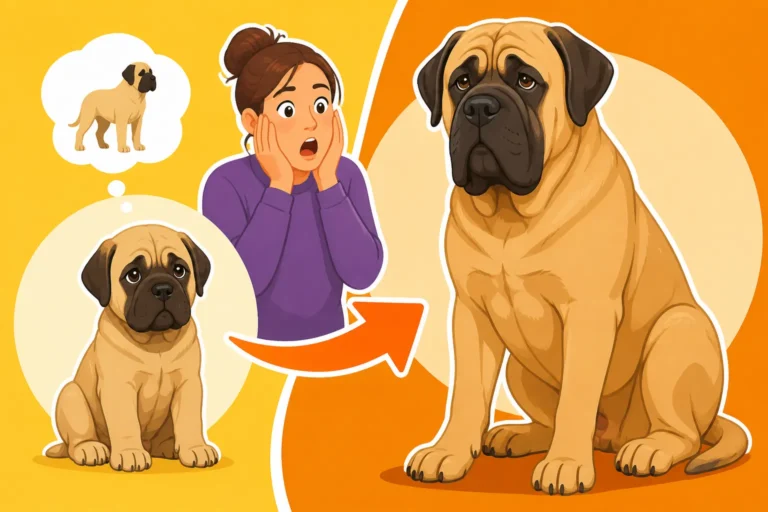
Remember, a Mastiff puppy grows incredibly fast, and their formative experiences are crucial before they become too big to easily handle. Socializing a Mastiff Puppy Before It Gets Heavy is vital advice.
Continued Socialization and Exposure for Adult Mastiffs
Socialization doesn't end when your Mastiff is an adult. Continued, positive exposure helps maintain their confidence and keeps their discerning nature from becoming overly suspicious.
- Regular Outings: Continue taking your Mastiff to different places where they can encounter new people and situations. A leashed walk in a busy park, a visit to a dog-friendly outdoor cafe, or even just going to a new walking trail can be beneficial.
- Guest Etiquette: When inviting guests over, ensure they understand how to interact with your Mastiff. Ask them to ignore your dog initially, letting the Mastiff approach them on their own terms. Avoid sudden movements or loud noises. Once the Mastiff initiates contact, a calm pet under the chin or a gentle scratch behind the ears is usually welcome. Some Mastiffs may even appreciate a treat from a new person, building a positive association.
- Respect Their Boundaries: Always respect your Mastiff's comfort level. If they seem uncomfortable, don't push them into interactions. Allow them to retreat to a safe space. A Mastiff that feels secure in its ability to retreat will be more confident than one forced into uncomfortable situations.
- Training Reinforcement: Consistent obedience training reinforces your bond and gives your Mastiff a sense of structure and confidence. Commands like "leave it," "stay," and "come" are invaluable for managing interactions with strangers, ensuring your dog listens to you even in distracting environments. Positive Training Alone Works on a Mastiff is often debated, but it forms the basis of a strong relationship.
Managing Encounters with Strangers Effectively
Even with the best socialization, a Mastiff will always be a large, powerful dog with natural protective instincts. Managing their interactions with strangers is about clear communication, consistent training, and sometimes, a little proactive planning.
Reading Your Mastiff's Body Language
Understanding what your Mastiff is "saying" with their body language is paramount to managing interactions.
| Body Language Sign | Possible Interpretation (with strangers) | What to Do |
|---|---|---|
| Relaxed Stance | Soft eyes, loose body, wagging tail (low, slow wag) | Dog is comfortable, perhaps curious. Allow polite interaction if appropriate. |
| Alert/Observant | Head up, ears forward, body still, tail slightly raised but not rigid | Dog is assessing the situation. Give space, observe closely, be ready to intervene if discomfort grows. |
| Stiffening/Staring | Body rigid, direct stare, tail held high and stiff, possibly a low growl | Dog is uncomfortable, potentially guarding. Immediately create distance, calmly redirect attention. |
| Lip Licking/Yawning | Stress signals, not necessarily sleepy or hungry | Dog is feeling stressed or anxious. Reduce pressure, create space, reassess the situation. |
| Head Turn/Averting Eyes | Dog is trying to disengage, feeling overwhelmed | Give the dog an escape route, calmly remove them from the situation. |
Always err on the side of caution. If you see signs of discomfort, intervene before the situation escalates. Your Mastiff relies on you to be their advocate and keep them safe.
Tools and Techniques for Controlled Introductions
When you know you'll be encountering strangers, having the right tools and strategies can make all the difference.
- Appropriate Leash and Collar/Harness: A sturdy leash and a well-fitting collar or harness are essential. A front-clip harness can provide better control for strong pullers, preventing your Mastiff from lunging unexpectedly. A durable harness from a reputable brand (easily found on Amazon, for example) can give you the leverage you need without putting undue pressure on their neck. Whether a Front Clip Harness Stops a Mastiff Pulling is a good question to consider for managing walks.
- "Meet and Greet" Routine: Develop a routine for introducing your Mastiff to new people. This might involve having them sit calmly, rewarding them for maintaining eye contact with you rather than fixating on the stranger, and then, if appropriate, allowing a controlled, brief interaction.
- Designated "Safe Space": Ensure your Mastiff has a quiet, comfortable "safe space" in your home where they can retreat if they feel overwhelmed by guests. This could be a crate, a specific bed in another room, or a quiet corner. Teach your Mastiff that this is their sanctuary. Whether a Mastiff Should Be Crated When Guests Arrive can be a valuable strategy.
- Your Confidence is Key: Dogs are incredibly adept at reading our emotions. If you are anxious or nervous about how your Mastiff will react to a stranger, they will pick up on that and may become more anxious themselves. Project calm confidence, and your Mastiff will be more likely to follow your lead.
When to Seek Professional Help
If your Mastiff's wariness seems to be escalating into genuine fear-based aggression (lunging, snarling, biting) or if you feel completely overwhelmed and unable to manage their reactions, do not hesitate to seek professional help. A certified professional dog trainer or a veterinary behaviorist can assess your dog's specific issues and develop a tailored behavior modification plan. This is not a sign of failure, but a responsible step to ensure the safety and well-being of both your Mastiff and others. Remember, dealing with a two-hundred-pound dog with behavioral challenges is far more difficult than managing a smaller breed, so early intervention is always best. When a Mastiff Owner Should Hire Training Help is a question that needs serious consideration when challenges arise.
A Mastiff is rarely "wary" in a negative sense. They are watchful, discerning, and protective, qualities that make them magnificent companions and guardians. With proper socialization, consistent positive training, and a deep understanding of their unique temperament, you can foster a confident, calm Mastiff who navigates the world with dignified grace, welcoming friends and observing strangers with a quiet, reassuring presence.
Disclaimer
This article is for general informational purposes only and does not constitute professional advice. Laws, prices and regulations vary by location and change over time. Consult a qualified professional for guidance on your specific situation.