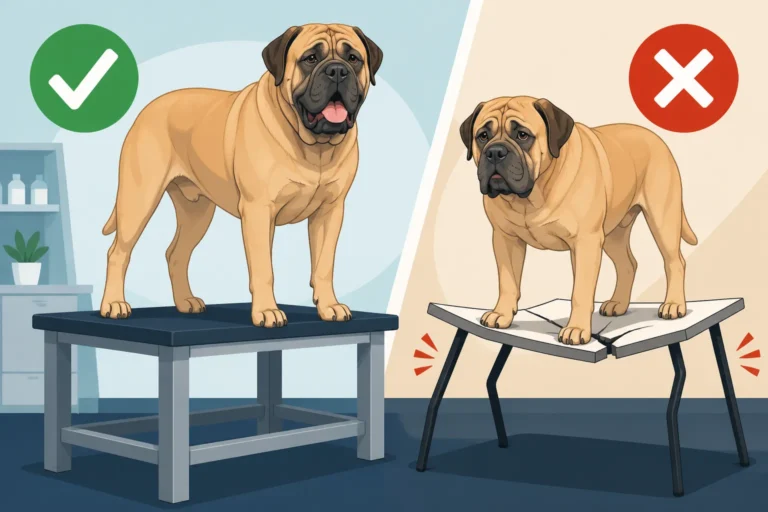
Whether Owners Give Up Mastiffs Before the Bills Start
It's a heartbreaking reality that many giant breed dogs, including our beloved Mastiffs, end up in shelters or rescues. Often, prospective owners hear tales of these gentle giants being surrendered because their families couldn't handle the immense costs. But the question many people wonder is: do these owners give up before the truly catastrophic health bills begin, or are those medical emergencies the primary trigger? This comprehensive guide will explore the complex financial and lifestyle factors that often lead to a Mastiff's rehoming, dissecting when the "bills" truly start to weigh heavily.
The Early Financial Strain: More Than Just Puppy Love
Bringing home a Mastiff puppy is an exciting time, full of dreams of a loyal, gentle companion. What many don't fully anticipate is how quickly the costs, both direct and indirect, start to mount long before a major health crisis ever rears its head. It’s not just the initial purchase price; it’s the everyday realities of caring for a dog that will soon outweigh a grown adult.
Puppyhood: A Steep Learning Curve and Initial Outlays
Even in their adorable, relatively small puppy stage, Mastiffs demand a significant investment. Their growth rate is astounding, meaning they cycle through supplies at an alarming speed. Food bowls, collars, leashes, and especially crates need frequent upgrades to accommodate their expanding frame. A puppy crate that fits a 30-pound Mastiff at 12 weeks will be comically tiny by 6 months, forcing another costly purchase.
Beyond the hardware, there are the regular vet visits for vaccinations, deworming, and initial health checks. While these are standard for any puppy, the sheer size of a Mastiff often means higher doses of medications and preventatives, immediately bumping up the price. Then there's the food—oh, the food! A growing Mastiff puppy needs a carefully formulated large-breed diet to ensure slow and steady development, crucial for joint health. This isn't your average kibble bag; these specialized foods come at a premium, and your puppy will go through them faster than you can imagine. Many owners quickly realize that buying in bulk, perhaps from a retailer like Chewy, becomes the only way to manage the volume, but even then, the monthly budget line for food becomes startlingly large. It's often during this phase that owners get their first taste of What a Mastiff Puppy Costs in 2026, realizing the numbers quickly outpace expectations.
Unforeseen Household and Lifestyle Adjustments
A Mastiff doesn't just join your family; it demands an adjustment to your entire living space. That cozy two-seater sofa might suddenly feel very crowded, or worse, become a chew toy if boredom strikes. The Furniture, Vehicle and Doors a Mastiff Changes is not an exaggeration. Some owners find their home layout suddenly impractical, with narrow hallways or delicate furniture becoming hazards. There’s the undeniable drool, which leaves its mark everywhere, requiring constant cleanup and potentially ruining fabrics or finishes over time.
Then consider transportation. That sedan you love? It simply won't cut it for safely transporting a Mastiff, especially if you need to take them to the vet. Many families find themselves needing to upgrade to an SUV or a larger vehicle, a substantial financial commitment that has nothing to do with medical bills, but everything to do with Mastiff ownership. Even simple walks require specific, heavy-duty gear. A standard harness or collar might not hold up to the strength of a fully grown Mastiff, and a cheap leash could snap with disastrous consequences. These aren't emergency vet bills, but they are very real, very early financial commitments that can make an owner question if they've made the right choice.
The Onset of True "Mastiff Bills": When Health Becomes a Factor
For many, the initial costs are a test, but the true reckoning often comes when health issues, unfortunately common in giant breeds, begin to manifest. These aren't small, manageable expenses; they are often major financial blows that can push even well-intentioned owners to their limits.
Early-Onset Orthopedic Concerns
One of the most devastating realizations for a Mastiff owner can be the diagnosis of orthopedic issues, sometimes even before the dog is fully grown. Hip and elbow dysplasia are unfortunately prevalent in the breed. A Mastiff puppy that starts limping at 10-12 months might require extensive diagnostics – X-rays, possibly sedation, and then a long discussion about management or surgery. Elbow Dysplasia Affects One Mastiff in Seven and Why a Mastiff's Hips Fail Under Its Own Weight are not just statistics; they represent potential heart-wrenching financial burdens.
A single diagnostic appointment and a conversation about future treatment can easily run into hundreds, if not thousands, of dollars. If surgery is recommended, the cost can escalate dramatically, often reaching five figures. And it's rarely a one-time fix; ongoing pain management, physical therapy, and joint supplements will become a permanent line item in the budget. This is often the point where pet insurance, like Healthy Paws, becomes a desperate consideration, though many find that pre-existing conditions won't be covered if the issues have already surfaced.
Sudden Emergencies: The Scourge of Bloat and Other Crises
Perhaps the most terrifying and financially crippling crisis for a Mastiff owner is bloat, or gastric dilatation-volvulus (GDV). This condition can strike suddenly and without warning, twisting the stomach and becoming fatal within hours. Bloat in the Deepest Chest of Any Breed: the Mastiff highlights the urgency and severity of this emergency.
When bloat hits, it means an immediate dash to the emergency vet, often in the middle of the night. The diagnosis, stabilization, and surgical intervention required to save a Mastiff's life are incredibly expensive. We’re talking thousands, sometimes tens of thousands, of dollars for a single incident. This isn't a bill that arrives after careful budgeting; it's a sudden, non-negotiable demand for life-saving care. Even if a gastropexy (a preventive surgery to tack the stomach in place) was done at neuter, it doesn't entirely eliminate the risk, just the twisting component. These massive, unexpected bills can lead to owners having to make impossible choices, especially if they haven't planned for such eventualities.
The "Giant Breed Tax" on Every Vet Invoice
It’s not just the big emergencies; every single aspect of veterinary care is more expensive for a Mastiff. Medications, from antibiotics to anti-inflammatories, are dosed by weight. Anesthesia for a routine dental cleaning or minor surgery is significantly riskier and more costly for a two hundred-pound dog than for a twenty-pound one. What a Mastiff's Weight Does to Every Line on the Vet Invoice truly brings this home.
Vaccines, flea and tick preventatives, heartworm medication—all come in higher doses and therefore higher price points. Even a simple nail trim at the vet might require two technicians and a higher fee. Over the course of their relatively Six to Ten Years Is What a Mastiff Gets, these elevated routine costs add up significantly, chipping away at savings and making the financial commitment undeniable. Many owners don't fully grasp this cumulative effect until they start comparing their vet bills to those of friends with smaller dogs.
The Cumulative Impact: When Ongoing Care Becomes Unmanageable
Even if a Mastiff avoids a major, early surgical crisis, the ongoing needs and inevitable challenges of old age can still become overwhelming for families. The unique physical demands and the short lifespan of the breed mean that "senior" care often starts surprisingly early.
The Marathon of Chronic Condition Management
As Mastiffs mature and eventually enter their senior years, which for them can start as early as five or six, chronic conditions become a real probability. Arthritis is almost a given, requiring daily pain medication, joint supplements, and potentially regular injections. Hypothyroidism is another common ailment, meaning daily medication for the rest of their lives.
Managing these conditions involves frequent vet check-ups, blood tests, and continuous prescription refills, all of which come with that "giant breed tax." Caring for a Mastiff Past Five transitions from preventative care to active management of age-related decline. For a dog that might live only eight or ten years, a significant portion of their adult life could be spent on managing chronic health issues, turning a beloved companion into a continuous financial drain for unprepared owners. Trying to save money on cheaper alternatives or skipping vet visits can lead to a decline in quality of life for the dog, and immense guilt for the owner.
Mobility Challenges and Assisted Living
One of the most heartbreaking aspects of owning a giant breed is witnessing their mobility decline. Their massive weight puts immense strain on their joints, and conditions like degenerative myelopathy can lead to hind-end weakness. Suddenly, your Mastiff can no longer easily get up from a lying position, navigate stairs, or even stand steadily to eat.
This often necessitates expensive adaptations: orthopedic beds, non-slip runners throughout the house (because Traction: Why a Mastiff Cannot Live on Bare Hardwood is a real concern), lifting harnesses, and even ramps for vehicles. Lifting an Old Mastiff That Cannot Get Up isn't just physically taxing; it also often involves investing in specialized equipment. While these aren't traditional vet bills, they are direct costs associated with maintaining a good quality of life for an aging giant. The physical and emotional toll on the owners is also immense, as they become full-time caregivers, sometimes leading to burnout.
The Pet Insurance Conundrum
Many owners consider pet insurance as a safeguard against these exorbitant costs. Brands like Healthy Paws offer various plans designed to help mitigate unexpected vet bills. However, the reality for Mastiff owners can be complicated. Premiums for giant breeds are significantly higher than for smaller dogs, reflecting their higher statistical risk for costly conditions. If an owner waits until health issues appear, those conditions are almost always considered pre-existing and won't be covered.
It’s a tough choice: invest in expensive premiums from puppyhood, hoping you’ll use it, or risk massive out-of-pocket expenses later. Even with insurance, many policies have annual limits, deductibles, and co-pays, meaning owners still bear a significant portion of the cost. The financial strain can persist even with the best intentions, causing families to re-evaluate their capacity to provide care.
Beyond the Financial: Other Factors Leading to Surrender
While finances are a huge component, it's crucial to acknowledge that surrenders are rarely only about money. Often, a confluence of factors, both financial and non-financial, culminates in the difficult decision to rehome a Mastiff.
Lifestyle Shifts and Lack of Preparedness
Life happens, and sometimes it throws curveballs that make giant dog ownership untenable. A new baby, a job loss, a divorce, a move to a smaller home, or a sudden change in work schedule can all disrupt the delicate balance required to care for a Mastiff. A Mastiff thrives on routine and companionship; sudden changes can lead to behavioral issues like separation anxiety or destructive chewing, adding more stress and indirect costs.
Many owners, perhaps drawn to the Mastiff's gentle reputation or imposing looks, simply don't fully prepare for the reality of their size and needs. The Household a Mastiff Was Built For is one where space, patience, and a deep understanding of the breed are paramount. Without proper training and socialization from a young age, a Mastiff can quickly become an unmanageable behemoth, a "gentle giant" who is still capable of accidental harm due to sheer mass. An owner might feel overwhelmed by a dog that pulls them down the street, jumps on guests, or simply takes up too much space. These behavioral challenges often compound financial worries.
Misunderstanding the Breed's Unique Needs
Mastiffs are not for everyone. Their immense size, drooling tendencies, and relatively short lifespan can be deal-breakers for those who haven't done their homework. Some owners might not anticipate the constant vigilance required to ensure a Mastiff puppy grows without injury, avoiding hard exercise or stairs to protect their developing joints. They might not understand the breed's sensitivity, reacting poorly to harsh training methods that can damage their temperament. Teaching a Mastiff Before It Outweighs You isn't just about physical control; it's about building a bond of trust and respect.
When the reality of constant cleaning for drool, the need for specialized orthopedic bedding, the inability to easily travel with such a large dog, or the emotional toll of their short lifespan hits, some owners realize they are simply not equipped for the commitment. The charm of a giant dog can quickly fade when faced with the daily demands and the knowledge of the significant expenses looming or already present.
A Confluence of Crisis
Ultimately, it’s rarely just the bills, or just a lifestyle change. It's often a perfect storm where the mounting everyday costs, combined with an unexpected medical crisis (like bloat or an orthopedic surgery), hit at the same time as a personal life upheaval.
For instance, an owner who has been diligently buying expensive large-breed food for years, investing in training, and managing the drool, might be able to handle one major vet bill. But if that bill comes concurrently with a job loss or a relocation to an apartment where a giant dog is impractical, the weight becomes unbearable. It’s this cumulative pressure—the relentless daily costs, the looming threat of catastrophic medical expenses, and unforeseen life events—that often pushes owners to the painful decision to surrender their beloved Mastiff. They might have tried their best, but the sheer scale of the commitment can simply be too much for many households to sustain.
| Cost Category | Initial (Puppyhood) | Ongoing (Adult) | Emergency/Senior Care |
|---|---|---|---|
| Food & Nutrition | High-quality large breed puppy food | Large breed adult food (e.g., Chewy, Ollie) | Prescription diets, supplements |
| Vet Care (Routine) | Vaccinations, deworming, check-ups | Annual exams, preventatives (high dose) | Chronic medication, diagnostics |
| Vet Care (Specific) | Early screenings (hips/elbows) | Minor injuries, dental care (sedation) | Bloat surgery, orthopedic repairs, cancer treatment |
| Supplies | Crate, bed, collar, leash (multiple sizes) | Heavy-duty leash, orthopedic bed | Lifting harnesses, ramps, mobility aids |
| Training | Puppy classes, basic obedience | Advanced training, behavioral consults | – |
| Insurance | Premiums start high | Premiums increase with age | Deductibles, co-pays, limits apply |
| Household Impact | Puppy-proofing, damage repair | Drool cleanup, furniture replacement | Specialized cleaning, home modifications |
Disclaimer
This article is for general informational purposes only and does not constitute professional advice. Laws, prices and regulations vary by location and change over time. Consult a qualified professional for guidance on your specific situation.