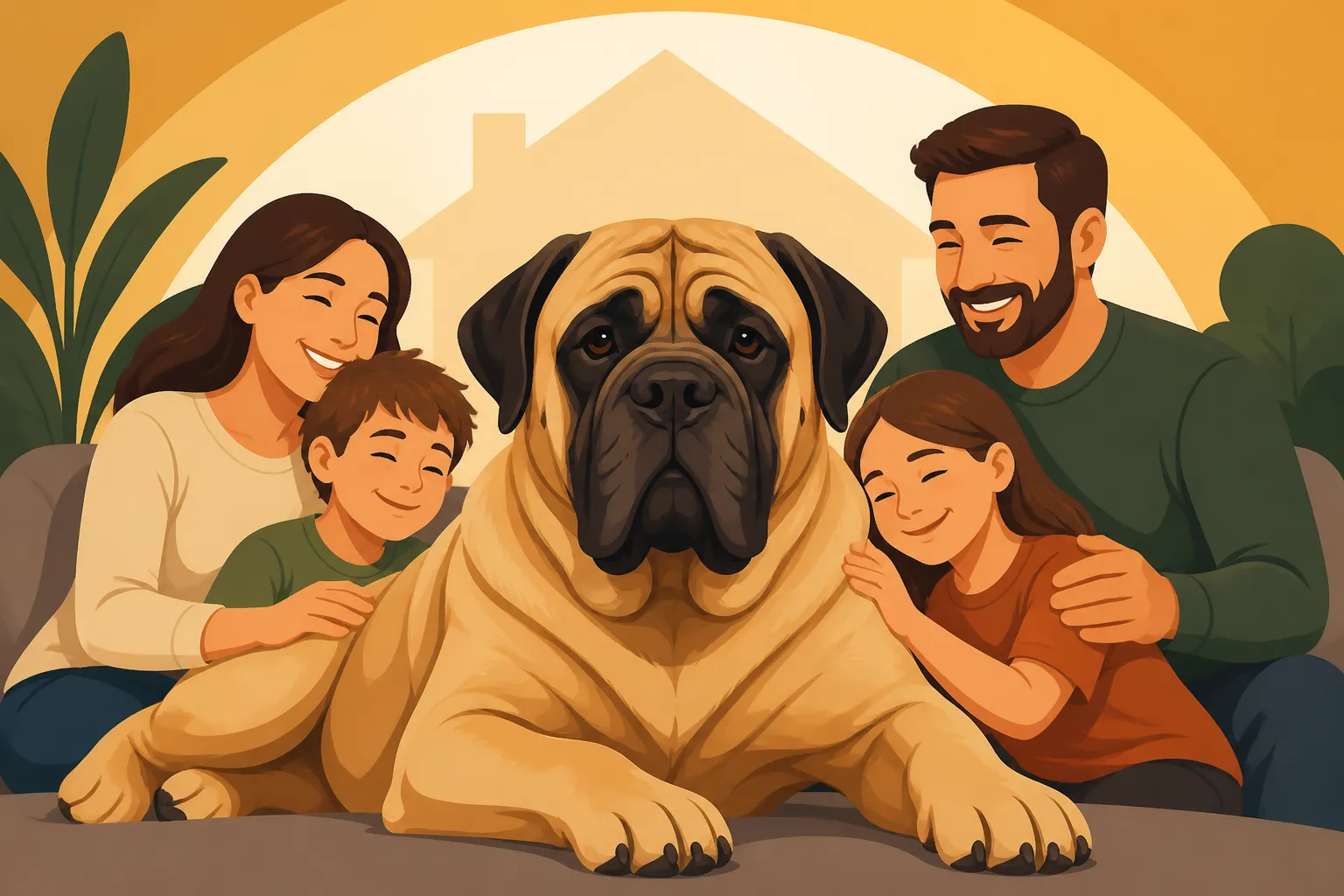
The Household a Mastiff Was Built For
It's easy to fall in love with the majestic presence of a Mastiff, seeing them portrayed as serene, gentle giants. Many people picture a large, calm dog content to laze around and occasionally offer a comforting lean. However, this idyllic image can often lead to significant challenges if a prospective owner hasn't truly grasped the unique requirements of sharing life with such a magnificent creature. This guide aims to peel back the layers and reveal the authentic kind of household a Mastiff genuinely thrives in, covering everything from their surprising sensitivities to the practicalities of their immense size.
Understanding the Mastiff Temperament: Gentle Giants with Specific Needs
Mastiffs are often lauded for their calm and gentle nature, and largely, this is true. They are famously sweet-tempered and devoted to their families. But this gentleness comes with a strong will and an inherent guarding instinct that needs to be understood and managed from day one. They aren't just big, soft pillows; they are intelligent, perceptive dogs with deep emotions and clear expectations of their environment and their people.
The Independent Thinker: Stubborn or Deliberate?
If you've ever spent time with a Mastiff, you might have noticed a certain unhurried quality to their decision-making. What some might interpret as stubbornness is often a Mastiff's characteristic deliberation. They process information, weigh their options (often considering if your request is truly worth their effort), and then act. This isn't defiance for the sake of it, but rather a thoughtful approach to life. You might find your Mastiff planting their feet on a walk, refusing to move, not out of malice but because they've decided the current direction isn't optimal, or perhaps they've spotted something interesting that requires a moment of profound contemplation. Understanding this trait is key to successful training and a harmonious household. Trying to force a Mastiff to do something they don't want to do rarely works; instead, you'll need patience, positive reinforcement, and a good understanding of what motivates them. They respond best when they feel they are part of the decision-making process, or at least that their cooperation is genuinely appreciated. This thoughtful nature is part of their charm, but it requires an owner who respects their intelligence and isn't looking for blind obedience.
They aren't the kind of dog to blindly follow commands or jump to attention with military precision. They'll look at you, then at the command, then back at you as if to say, "Are you sure about that? Because I was quite comfortable here." This can be frustrating for owners accustomed to more eager-to-please breeds, but it's essential to realize that this contemplative pause is part of their unique processing. It’s also why consistency and making sure commands are truly understood are paramount. Rushing them or getting angry will only make them retreat further into their "stubborn" shell. Learning to communicate effectively with a Mastiff means understanding their internal clock and respecting their deliberative mind.
The Sensitive Soul: Harshness Won't Work
Despite their imposing size, Mastiffs are incredibly sensitive dogs. They absorb the moods and emotions of their household like sponges, and a harsh word or an angry tone can deeply wound them. Yelling or using punitive training methods will not only be ineffective but can also damage your bond and make them shut down. A Mastiffs will simply sulk, often retreating to a corner with a look that could melt steel, convinced they have profoundly disappointed you. This isn't manipulation; it's genuine distress. They want to please, but they also want to be treated with dignity and respect.
For this reason, positive reinforcement is not just a preference; it's the only effective way to train a Mastiff. They respond beautifully to praise, gentle encouragement, and, of course, treats. Imagine a dog the size of a small pony trying to flatten itself into the smallest possible space because you spoke too sharply. It's truly heartbreaking to witness. Their emotional depth means they need a calm, consistent, and loving environment. A household filled with constant tension or loud arguments will create an anxious Mastiff, which can lead to behavioral issues. They thrive on stability and affection, forming incredibly strong bonds with their human family. This sensitivity means that every interaction, every training session, needs to be approached with a gentle hand and a patient heart.
Guard Instinct: Protector, Not Attacker
Mastiffs were historically bred as guardians, and that instinct is deeply ingrained. However, it's crucial to understand that their guarding typically manifests as deterrence rather than aggression. A well-socialized Mastiff will usually put itself between its family and perceived threats, relying on its imposing size and deep, resonant bark to ward off intruders. They are not typically "attack dogs" and should never be trained to be. Their protective nature is more about being a living, breathing security system that makes potential threats think twice simply by existing.
They are discerning judges of character. While they are usually tolerant of guests once introduced, they might be reserved or watchful around strangers initially. They have a keen sense of who belongs and who doesn't. A true Mastiff will observe, assess, and then act if necessary, usually with a rumbling growl and an imposing presence that often suffices. This means their ideal home is one where their natural protective instincts are respected but also managed. They need to understand that you, the owner, are in charge of assessing threats, and they should defer to your judgment. Socialization from a young age is paramount to ensure they learn to differentiate between a genuine threat and the mail carrier. A household that understands and guides this instinct, rather than trying to suppress or exaggerate it, is essential for a balanced Mastiff. They thrive when they know their role and trust their human leaders implicitly.
Space and Environment: More Than Just a Big Yard
When people think about getting a Mastiff, their first thought often goes to needing a huge backyard. While ample space is certainly appreciated, the type of space and the quality of the indoor environment are far more critical than simply the square footage of your lawn. These dogs are truly house dogs, deeply connected to their human families, and their physical needs require careful consideration within the home itself.
Indoor vs. Outdoor Living: The Myth of the Yard Dog
Despite their size, Mastiffs are not outdoor dogs. They are deeply devoted companions who crave proximity to their human families. Leaving a Mastiff alone in a yard for extended periods can lead to loneliness, anxiety, and even destructive behaviors as they try to entertain themselves or escape to find their people. They want to be where you are, whether that's curled up on the sofa (or attempting to be), lying at your feet while you work, or supervising you in the kitchen.
Their short coats offer minimal protection against extreme temperatures. They can overheat quickly in warm weather and suffer from the cold in winter. A Mastiff needs consistent access to a climate-controlled environment. While a securely fenced yard is excellent for supervised playtime, potty breaks, and a bit of fresh air, it is not a substitute for being an integral part of the family inside the home. The ideal Mastiff household is one where the dog is considered a full-fledged family member, enjoying the comfort and companionship of indoor living. They need a warm, dry, and cool space, depending on the season, where they can stretch out and be near you. Thinking of a Mastiff as primarily an outdoor dog is a misunderstanding that often leads to unhappy dogs and frustrated owners.
Flooring and Furniture: Protecting Joints and Home
The sheer weight of a Mastiff, often reaching well over 150-200 pounds (and sometimes significantly more, as detailed in What a Mastiff Actually Weighs), has a profound impact on their joints. Bare hardwood, tile, or laminate floors, while beautiful, can be incredibly slippery and dangerous for a Mastiff, especially puppies and older dogs. These surfaces offer no traction, leading to slips, falls, and potential injuries to hips, elbows, and knees that are already under immense strain. The repeated impact and strain from trying to maintain balance can exacerbate conditions like hip and elbow dysplasia, which are already prevalent in the breed.
An ideal Mastiff home will feature carpeted areas or, at the very least, an abundance of strategically placed rugs and runners that provide grip and cushioning. Think about their main pathways – from their bed to the kitchen, to the door – and ensure these are covered. Similarly, furniture needs to be robust. A two-hundred-pound dog attempting to join you on the couch can quickly turn a flimsy piece into kindling. They need large, supportive, orthopedic beds in multiple key locations around the house where they can comfortably sprawl. Investing in quality, durable furniture and proper flooring modifications isn't a luxury; it's a necessity for their long-term health and your peace of mind. Without adequate traction, a young Mastiff can easily injure itself slipping, and an older dog struggling to get up will find bare floors an impossible challenge. What Bare Floors Do to a Growing Mastiff covers this in more detail.
Temperature Control: Keeping Cool and Comfortable
Mastiffs, with their dense bone structure and substantial body mass, are particularly susceptible to overheating. They don't have the metabolic efficiency of smaller, leaner breeds when it comes to regulating their internal temperature, and their short coat, while seemingly low maintenance, doesn't offer much in the way of thermal regulation. This means that a Mastiff household must be prepared to manage their environment, especially during warmer months.
Air conditioning is not just a nice-to-have; it's often a life-saving necessity. Summers, even mild ones, can be dangerous for a Mastiff if they don't have a cool retreat. They shouldn't be left outside in direct sun or in unventilated spaces when temperatures rise. Even walking them during the hottest parts of the day can lead to heatstroke very quickly. Conversely, in colder climates, while they might tolerate a quick romp in the snow, they are not built for prolonged exposure to freezing temperatures. Their short coats do little to insulate their massive bodies, and without proper shelter, they can get cold quickly. The ideal home provides consistent, comfortable indoor temperatures year-round, ensuring your Mastiff isn't struggling against the elements. A cooling mat or a kiddie pool filled with shallow water in a shaded outdoor area can provide some relief, but their primary refuge must be indoors.
Financial Realities: The Cost of Living Large
Let's be blunt: owning a Mastiff is expensive. Period. Anyone considering bringing one of these magnificent dogs into their home needs to have a realistic understanding of the financial commitment involved. Their size impacts nearly every line item on a budget, from food to veterinary care, making them one of the most costly breeds to maintain. This isn't a minor consideration; it's a make-or-break factor for many potential owners, and it's often Why Mastiffs Reach Rescue at Two.
Food and Supplies: A Bottomless Pit?
Imagine feeding a small horse. While not quite that extreme, feeding a two hundred-pound Mastiff isn't far off. They consume significantly more food than smaller breeds, and to maintain their health and appropriate growth, they need high-quality, large-breed specific kibble. This isn't just about volume; it's about the nutritional balance, especially during their crucial growth phases, as explored in Restraining the Growth of a Mastiff Puppy. Skipping on quality to save money often leads to health issues down the road, which will inevitably cost more in vet bills.
Beyond just food, consider the cost of other supplies. Larger, more durable toys are needed to withstand their powerful jaws. Treats? You'll go through bags of them. Their beds need to be orthopedic and incredibly robust, and they won't be cheap. Then there are the practicalities like extra-large bowls, heavy-duty leashes and collars, and, if you use one, a crate that can actually accommodate their massive frame and fit through your doors. Even everyday items like poop bags are needed in larger quantities. Browsing a site like Chewy will quickly show you the price difference for "giant breed" everything. This isn't a dog where you can skimp on consumables; the sheer scale of their needs means your monthly budget for food and basic supplies alone will be substantial, easily rivaling a human's grocery bill.
Veterinary Care: When Size Equals Cost
This is where the Mastiff's size truly amplifies expenses. Everything from routine vaccinations to emergency surgeries costs more for a Mastiff. Medications are dosed by weight, meaning they need larger quantities of dewormers, flea and tick preventatives, and any prescribed drugs. Anesthesia for a two hundred-pound dog is a complex undertaking, requiring more medication, longer monitoring, and specialized equipment. How Much Anesthetic a Two Hundred Pound Mastiff Takes highlights this challenge.
They are also prone to certain breed-specific health issues that can be incredibly expensive to treat. Conditions like hip and elbow dysplasia, bloat (gastric torsion), certain cancers, and eye conditions are unfortunately common. A gastropexy to prevent bloat is often recommended, but it's a significant surgery. If bloat does occur, emergency surgery can run into the thousands. Even standard procedures like dental cleanings or minor wound care will be priced higher due to the sheer logistical challenge of handling and sedating such a large animal. The Mastiff's Short Life Buys the Biggest Bills is not an exaggeration. An owner must be prepared for these potential costs, either through a robust emergency fund or comprehensive pet insurance.
Insurance and Emergency Funds: Essential Safety Nets
Given the potentially enormous veterinary costs associated with a Mastiff, pet insurance isn't just a good idea; it's almost a necessity for most households. However, even pet insurance for a giant breed like a Mastiff comes with its own considerations. Premiums are typically higher, and policies might have lower payout caps or specific exclusions for breed-predisposed conditions. It's vital to research thoroughly and understand what a policy actually covers.
Beyond insurance, or in conjunction with it, a dedicated emergency fund is paramount. You need to have readily accessible savings specifically earmarked for unexpected Mastiff health crises. Waiting periods for insurance can be an issue, and some conditions might not be covered if deemed pre-existing. Imagine facing a sudden bloat emergency overnight and having to make decisions based on finances rather than what's best for your beloved dog. That's a heartbreaking scenario no one wants to be in. A responsible Mastiff owner understands that financial preparedness is a non-negotiable part of providing a loving home. Being able to afford a Mastiff isn't just about the puppy price; it's about the ongoing, substantial commitment for their entire, sometimes tragically short, life, as explored in Six to Ten Years Is What a Mastiff Gets.
Time Commitment: Beyond Just Daily Walks
While Mastiffs are not high-energy dogs that demand hours of intense exercise, they do require a significant, consistent daily time commitment from their owners. This commitment goes beyond just leash walks; it involves dedicated training, socialization, mental enrichment, and, most importantly, constant companionship. Their deep bond with their families means they don't do well being left alone for long stretches.
Daily Routine: Exercise, Training, and Affection
A Mastiff might not need to run a marathon, but they still need regular, moderate exercise to maintain muscle tone and prevent obesity, which can worsen joint issues. Daily, controlled walks are essential, ensuring they don't overexert themselves, especially as puppies when their bones are still developing. Why a Mastiff Puppy Must Not Be Exercised Hard explains this crucial point. But exercise is only one piece of the puzzle.
Their intelligent yet deliberate nature means consistent, short training sessions are necessary to reinforce good manners and keep their minds engaged. These aren't dogs you can train once and expect to remember everything perfectly for years. Ongoing positive reinforcement training helps build their confidence and strengthens your bond. And then there's the affection. Mastiffs thrive on human connection. They need cuddles, gentle pets, and simply being near their family. An owner needs to be available to provide this consistent companionship, not just a few minutes of attention here and there. Their daily routine is a careful balance of physical activity, mental stimulation, and abundant love.
Travel and Boarding: The Logistics of a Giant
Traveling with a Mastiff, or even finding appropriate care for them when you're away, presents a unique set of logistical challenges. Airlines generally won't fly giant breeds due to safety concerns and crate size limitations, so long-distance travel usually involves driving. This means needing a vehicle large enough to comfortably accommodate a two hundred-pound dog, plus all your luggage.
Boarding kennels can also be tricky. Many standard kennels are not equipped to handle dogs of this size, either in terms of run space or staff capable of physically managing them. Some might refuse them outright. You'll likely need to seek out specialized facilities or rely on trusted, experienced pet sitters who are comfortable with giant breeds. Even then, the cost for boarding a Mastiff is significantly higher. This means spontaneous trips become difficult, and every travel plan requires meticulous arrangements centered around your Mastiff's needs. The ideal Mastiff owner is someone whose lifestyle allows for either taking their dog with them, or who has a robust, reliable network for their care when they cannot.
Aging Gracefully: Supporting Their Golden Years
One of the most profound time commitments comes in a Mastiff's senior years. Given their generally shorter lifespan, often Six to Ten Years Is What a Mastiff Gets, their "golden years" can begin surprisingly early, sometimes as young as five or six. As they age, many Mastiffs develop mobility issues due to arthritis or other degenerative conditions. This often means needing assistance getting up, navigating stairs, or even just getting comfortable.
An owner must be prepared to help lift them, potentially using slings or harnesses, and adapt their home with orthopedic beds, ramps, and non-slip flooring. Regular vet visits, pain management, and potentially physical therapy become more frequent. Feeding might need adjustments, and house training might need to be reinforced as bladder control can diminish. Caring for a Mastiff Past Five delves into these important considerations. Nursing a Mastiff through its last two years is an act of deep love and requires immense patience, physical strength, and emotional resilience. This period demands an even greater investment of time and resources, underscoring the need for a truly dedicated and committed owner.
Family Dynamics: Kids, Other Pets, and Visitors
Bringing a Mastiff into a home means integrating a colossal presence into the existing family structure. Their size alone dictates a different approach to interactions with children, other animals, and even casual visitors. While generally good-natured, their sheer bulk means accidental bumps can have serious consequences, and their protective instincts need to be channeled appropriately.
Children and the Gentle Giant: Supervision is Key
Mastiffs are often lauded as wonderful family dogs, known for their patience and gentleness with children. And indeed, many Mastiffs adore kids, treating them with a remarkable tenderness. However, it's crucial to understand that "gentle" does not mean "safe without supervision." A two hundred-pound dog, even one with the best intentions, can accidentally knock over a small child with an enthusiastic tail wag, a clumsy lean, or simply by moving through a doorway.
Therefore, constant, diligent supervision is paramount, especially with toddlers and very young children. Children must be taught how to interact respectfully with a dog of this size – no climbing, no pulling ears or tails, and understanding personal space. Similarly, the Mastiff needs to be socialized with children from a young age to ensure they are comfortable and accustomed to the unpredictability of little ones. The ideal household is one where both children and the dog are educated on safe interactions, and where an adult is always present to mediate and prevent accidental mishaps. It’s not about mistrusting the dog; it’s about acknowledging the physics of the situation. A Mastiff in a House With Small Children covers this delicate balance in depth.
Other Pets: Compatibility and Introduction
Introducing a Mastiff into a multi-pet household requires careful planning and consideration. While many Mastiffs can coexist peacefully with other dogs, their size and sometimes dominant presence mean introductions must be slow, controlled, and well-managed. They often get along well with smaller dogs, sometimes surprisingly so, treating them with gentle curiosity. However, interactions with other large, strong-willed dogs, especially those of the same sex, can sometimes lead to competition or misunderstandings if not properly supervised and guided.
When it comes to cats or other small animals, a Mastiff raised with them from puppyhood is often perfectly accepting. They learn to view them as part of the family. However, an adult Mastiff with no prior experience with cats might have a stronger prey drive, or simply not understand their delicate nature, requiring much more caution. The ideal Mastiff household with other pets is one where the owner understands canine body language, facilitates positive introductions, and is prepared to manage dynamics to ensure everyone's safety and comfort. This is not a breed to casually toss into an existing pet dynamic without thought.
Visitors and Strangers: Managing Their Protective Nature
As natural guardians, Mastiffs are observant of their territory and their people. While they are not inherently aggressive, their size and deep bark are often enough to deter unwanted guests. However, this protective instinct needs to be managed when welcoming friends, family, or service providers into your home. A Mastiff who hasn't been properly socialized or who is left to manage interactions on their own can become overly protective or wary.
The ideal household teaches the Mastiff that the owner controls who comes and goes. This involves clear boundaries, consistent training, and ensuring the dog is calm and settled before visitors are allowed to approach. Crating your Mastiff or having them on a leash when guests first arrive can be helpful, allowing them to observe calmly before any direct interaction. Visitors should also be instructed on how to properly greet a large, sometimes reserved, dog – no sudden movements, direct eye contact, or reaching out too quickly. A Mastiff home understands that this noble guardian needs guidance to be a polite host, rather than an intimidating presence, allowing them to fulfill their protective role without being a danger or source of anxiety.
Physical Care: Grooming, Health, and Mobility
Owning a Mastiff isn't just about their impressive size; it's about managing the daily realities of their physical needs. From cleaning their distinctive wrinkles to preventing common health ailments, their care regime demands consistent attention and a proactive approach. Their physical presence also dictates specific considerations for mobility, both theirs and yours, throughout their life.
Grooming Needs: Folds, Drool, and Shedding
Many people assume a Mastiff's short coat means low maintenance. While they don't require professional grooming like a poodle, their skin folds and drool demand consistent attention. Those majestic wrinkles on their face and around their jowls can trap moisture, food debris, and dirt, creating a perfect breeding ground for bacterial and yeast infections. Cleaning these folds daily or every other day with a damp cloth or a gentle pet wipe is non-negotiable. The Wrinkles and Folds a Mastiff Owner Cleans Every Week is a common reality for owners.
And then there's the drool. Oh, the drool! Mastiffs, especially after eating, drinking, or getting excited, are prone to impressive displays of slobber. This isn't just a minor annoyance; it can be flung across rooms, stain walls, and coat furniture. The ideal Mastiff owner is one who embraces the drool, or at least is prepared to manage it with an arsenal of towels strategically placed throughout the house, or even a specialized bib for drinking from a communal water bowl. While they shed less than some long-haired breeds, they do shed year-round, requiring regular brushing to keep their coat healthy and minimize loose hair around the home. Bathing a Mastiff is a Herculean task itself, requiring a large space and often patience with a capital P.
Joint Health: Preventing and Managing Issues
Mastiffs are predisposed to a range of orthopedic issues due to their rapid growth and immense weight. Hip and elbow dysplasia are unfortunately common, where the joints don't form correctly, leading to pain and arthritis. Osteochondritis dissecans (OCD), a condition affecting cartilage, can also occur. The prevention and management of these conditions start from puppyhood with controlled growth and appropriate nutrition, as outlined in The Protein and Calcium Ceiling for a Mastiff Puppy.
However, even with the best care, many Mastiffs will develop some degree of joint discomfort as they age. This means the ideal owner is proactive: providing supportive, orthopedic bedding (like those found on Chewy), considering joint supplements early in life (with vet guidance), and maintaining a lean body weight to minimize strain on their joints. Regular veterinary check-ups are crucial to catch issues early. When mobility issues arise, modifications like ramps, non-slip surfaces, and potentially physical therapy become necessary. An owner must be vigilant for signs of pain or lameness and be committed to managing their Mastiff's joint health throughout their life.
Anesthesia Risks: A Big Dog, A Big Deal
The size of a Mastiff also translates into increased risks and complexities when it comes to any procedure requiring anesthesia. Their large body mass, slower metabolism, and unique physiological characteristics mean that anesthetizing a Mastiff requires a vet with specialized knowledge and experience with giant breeds. They metabolize drugs differently, and recovery can be slower. As such, procedures carry a higher risk of complications compared to smaller dogs.
This means that for any surgery, even routine ones like neutering, an ideal Mastiff owner will seek out a veterinary practice well-versed in giant breed anesthesia protocols. Pre-anesthetic bloodwork is absolutely essential, and advanced monitoring during and after the procedure is critical. Discussions with your vet about specific drug choices and recovery plans are paramount. This isn't a situation to cut corners; ensuring your Mastiff has the safest possible experience requires careful planning and often choosing a specialist or referral hospital, especially for complex surgeries. Understanding Why Anesthesia Is Riskier in a Mastiff is a vital part of responsible ownership.
Training and Socialization: Building a Confident Companion
A Mastiff's immense size means that proper training and extensive socialization are not optional; they are absolutely critical for a well-adjusted, safe, and happy dog. An untrained, unsocialized Mastiff, no matter how gentle its inherent nature, can become a formidable and potentially dangerous force simply due to its bulk and strength. The ideal household understands this from the moment they consider bringing a Mastiff puppy home.
Early Intervention: Starting Young Matters
The window for effective socialization and foundational training is relatively short for all puppies, but for a Mastiff, it's particularly critical because they grow so rapidly. By the time they are six months old, they can already outweigh many adult humans, making it infinitely harder to correct ingrained behaviors. Therefore, starting training and socialization as soon as your puppy is safely vaccinated is non-negotiable.
This means enrolling in puppy classes, even if it's just for socialization, and dedicating daily time to basic obedience commands like "sit," "stay," "come," and especially "leave it" and "down." Leash manners are paramount; a Mastiff that pulls can injure its handler or simply drag them where it pleases. A Mastiff Does Not Pull You Over, It Simply Stops is a gentle reminder that their sheer weight is their leverage. Teaching them to walk politely on a leash before they outweigh you is one of the most important tasks. Early intervention sets the stage for a lifetime of good behavior and mutual understanding, and it prevents bad habits from becoming unmanageable problems.
Positive Reinforcement: The Only Way
As discussed earlier, Mastiffs are sensitive souls who do not respond well to harsh corrections or punitive training methods. Positive reinforcement, centered around rewards, praise, and gentle guidance, is the only effective and ethical way to train them. They are intelligent and eager to please those they love, but they need to feel safe and respected during the learning process.
The ideal owner understands that patience is a virtue when training a Mastiff. They might not be the fastest learners, sometimes displaying a deliberate nature that can be mistaken for slowness. However, once a Mastiff understands a command and trusts its handler, they are incredibly reliable. Consistent, short, and fun training sessions, often involving tasty treats or their favorite toys (found on Chewy!), will yield far better results than any form of force or intimidation. This approach builds a strong bond of trust and mutual respect, which is the cornerstone of a successful relationship with a Mastiff. They thrive on encouragement and positive feedback, seeing training as a cooperative effort rather than a battle of wills.
Socialization: Exposure, Not Overwhelm
Socialization for a Mastiff means controlled exposure to a wide variety of people, places, sounds, and other animals, all in a positive and safe manner. The goal is to build a confident, well-adjusted dog that isn't fearful or overly reactive to new experiences, but without overwhelming their sensitive nature. This is not about letting your Mastiff run wild at a dog park, which can be dangerous for them and others, but rather about structured, positive interactions.
Taking your Mastiff puppy to quiet public places, having well-behaved visitors to your home, and enrolling them in puppy classes are excellent ways to socialize them. They need to learn that not all strangers are threats and that new experiences can be positive. However, it's equally important not to over-socialize or put them in situations where they feel anxious or threatened. A shy Mastiff puppy will not "grow out of it" without careful guidance; it will likely become a fearful or reactive adult. The ideal Mastiff owner balances broad exposure with careful observation of their dog's comfort levels, ensuring that every socialization experience is a positive building block towards a confident and calm adult. The Sensitivity Nobody Expects in a Two Hundred Pound Mastiff truly applies here, as a negative experience can leave a lasting impact.
Future Planning: Preparing for a Shorter Lifespan
Perhaps the hardest reality of Mastiff ownership is their heartbreakingly short lifespan. While they bring immense joy and love into a home, that joy is often condensed into a period of six to ten years. A responsible Mastiff owner goes into this relationship with eyes wide open, prepared not just for the daily care but also for the inevitable challenges and emotional toll of their relatively brief journey.
The Reality of a Shorter Life: Embracing Every Moment
It's a bittersweet truth that Mastiffs typically have one of the shortest lifespans among dog breeds. This isn't a flaw in the breed; it's simply a genetic reality for many giant breeds. Knowing this upfront is critical, as it shapes your entire approach to their care and the way you cherish every day. The ideal Mastiff owner doesn't dwell on the brevity but instead focuses on maximizing the quality of every moment.
This means prioritizing their health from day one, providing the best nutrition, consistent veterinary care, and an enriching environment. It means cherishing the cuddles, the clumsy leans, the deep sighs, and the quiet companionship. It means taking countless photos and making memories, knowing that your time together is precious. This unique aspect of Mastiff ownership often fosters an incredibly deep bond, as owners are acutely aware of the finite nature of their time with these magnificent dogs. It teaches a profound lesson in living in the present and appreciating the profound love they offer.
End-of-Life Care: Difficult Decisions
As a Mastiff approaches the end of its life, decisions surrounding their comfort and quality of life become paramount and incredibly difficult. Many will face significant mobility issues, chronic pain from arthritis, or other age-related illnesses. The ideal owner is prepared to make compassionate choices, often in consultation with their veterinarian, that prioritize their dog's well-being over their own desire to hold on.
This can involve adjusting medications, exploring alternative therapies, or, ultimately, making the heartbreaking decision for euthanasia when their quality of life has severely diminished. Having conversations with your vet about palliative care, recognizing signs of pain, and understanding when "it's time" are all part of responsible Mastiff ownership. This difficult period requires immense emotional strength and selflessness. It’s also important to plan for this financially and emotionally, seeking support from family, friends, or even pet loss counseling resources if needed. The bond is so strong that the grief can be profound.
Legacy: Learning and Loving
Despite the pain of their shorter lives, the legacy a Mastiff leaves behind is immense. Owners often describe the experience as transformative, teaching them unparalleled lessons in patience, unconditional love, and the appreciation of presence. The ideal Mastiff household is one that not only embraces the challenges but cherishes the profound impact these dogs have on their lives.
Many owners, even after experiencing the heartbreak of loss, choose to open their homes to another Mastiff, understanding the unique privilege it is to share their lives with such a breed. They learn from past experiences, apply new knowledge, and continue to advocate for the health and well-being of the breed. Owning a Mastiff is more than just having a pet; it’s an immersive lifestyle, a deep commitment, and an extraordinary journey of love and devotion. The household built for a Mastiff isn't just a physical space; it's a testament to immense love, patience, and a willingness to embrace the full, beautiful, and sometimes challenging reality of life with a giant.
| Characteristic | Ideal Mastiff Household | Misconception / Less Ideal Household |
|---|---|---|
| Temperament | Patient, understanding of deliberation, uses positive reinforcement. | Expects instant obedience, uses harsh corrections, views as "stubborn". |
| Space | Mostly indoors with family, ample soft resting spots, non-slip flooring. | Primarily an outdoor dog, lives in a yard, bare slippery floors. |
| Climate Control | Climate-controlled home year-round (AC in summer, warmth in winter). | Left in hot/cold conditions without proper temperature regulation. |
| Financial Resources | Substantial budget for high-quality food, vet care, insurance, emergency fund. | Underestimates costs, cuts corners on food/vet, no emergency savings. |
| Time Commitment | Available for daily companionship, moderate exercise, consistent training, senior care. | Often leaves dog alone for long periods, minimal training/socialization. |
| Family Dynamics | Supervises interactions with children, manages introductions to other pets/strangers. | Assumes "gentle giant" means no supervision needed, poor introductions. |
| Physical Care | Diligent with fold cleaning, manages drool, addresses joint health proactively. | Neglects hygiene, unprepared for drool, ignores signs of discomfort. |
| Health Preparedness | Informed about breed-specific health issues, plans for anesthesia risks. | Unaware of common ailments, unprepared for costly vet procedures. |
| Lifespan Reality | Embraces and maximizes quality of shorter life, prepared for end-of-life care. | Caught off guard by early aging, struggles with difficult final decisions. |
Disclaimer
This article is for general informational purposes only and does not constitute professional advice. Laws, prices and regulations vary by location and change over time. Consult a qualified professional for guidance on your specific situation.