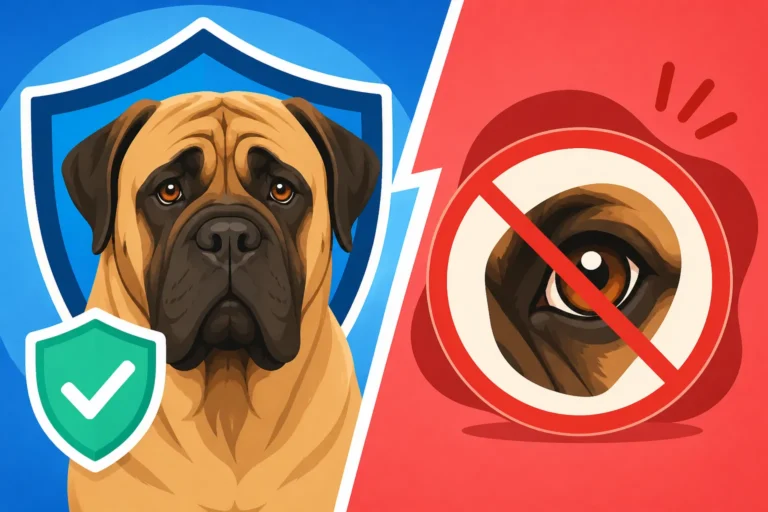
What the CHIC Four Add to a Mastiff Puppy’s Price
It’s a common scenario: you fall head over heels for the adorable, wrinkly face of a Mastiff puppy, only to see the price tag and feel your jaw drop. You might wonder, "Why are some Mastiff puppies so much more expensive than others?" It's a valid question, and often, a significant portion of that price difference boils down to something called the CHIC program. This guide will help you understand what the CHIC Four health tests are, why they’re so vital for this magnificent breed, and how they factor into the cost of a well-bred Mastiff puppy.
Understanding the CHIC Program's Purpose for Mastiffs
Bringing a Mastiff into your life is a huge commitment, not just emotionally, but financially. These gentle giants, for all their stoic charm, are sadly prone to a number of serious health conditions that can rack up truly astounding veterinary bills if not carefully managed or, ideally, prevented through responsible breeding. The Canine Health Information Center, or CHIC, is a voluntary program sponsored by the Orthopedic Foundation for Animals (OFA) and the AKC Canine Health Foundation. It's designed to identify and reduce the incidence of heritable diseases in purebred dogs. For Mastiffs, participation in CHIC signals a breeder's serious commitment to the long-term health and welfare of their lines and, ultimately, your future puppy.
What CHIC Aims to Achieve for Breed Health
The core goal of CHIC is to provide a standardized, transparent platform for breeders to screen their dogs for common genetic health issues. For each breed, a parent club (in our case, the Mastiff Club of America) identifies a "CHIC panel" – a set of recommended health tests specific to that breed's known predispositions. The results of these tests are then publicly accessible, offering invaluable information to potential puppy buyers. This isn't just about passing a test; it's about making informed breeding decisions that collectively improve the health trajectory of the entire Mastiff breed for generations to come.
Imagine the relief of knowing that your puppy's parents have been screened for issues that could lead to crippling pain or early blindness. This transparency helps weed out breeders who might cut corners, prioritizing profit over the health of their animals. It’s a collective effort, and every responsible breeder who participates contributes to a healthier future for Mastiffs everywhere. Without such programs, it's far too easy for serious genetic issues to spread undetected, leading to heartbreak and massive financial burdens for unsuspecting families.
Why Health Testing is Crucial for a Giant Breed Like the Mastiff
For a breed like the Mastiff, which carries immense size and weight, and sadly, a [short lifespan that buys the biggest bills], health testing isn't just a good idea – it's an absolute necessity. Their sheer size exacerbates many conditions that might be minor in a smaller dog. Joint issues, for example, become far more debilitating when supporting a two-hundred-pound frame. Heart conditions are more challenging to manage, and anesthesia is riskier for larger dogs. Without proper screening, you're essentially playing Russian roulette with your puppy's future health, and by extension, your wallet and your heart.
Think about the physical toll on a Mastiff's body. Every pound of weight puts stress on joints, organs, and the cardiovascular system. Ignoring potential genetic weaknesses, especially in such a massive breed, is not only irresponsible but can lead to a lifetime of pain for the dog and financial strain for the owner. A puppy from health-tested parents offers a much better chance at a long, healthy life, reducing the likelihood of devastating diagnoses and expensive treatments down the road. It’s an investment in preventative care, even before the puppy is conceived.
Deconstructing the "CHIC Four" for Mastiffs
The Mastiff Club of America has identified specific health concerns prevalent in the breed, and these form the basis of the "CHIC Four" core health tests. These are the absolute minimum a responsible Mastiff breeder should be completing before breeding their dogs. They address the most common and impactful genetic conditions that can affect a Mastiff's quality of life and longevity. Understanding each of these tests helps you appreciate the investment a breeder makes and the value you receive in a puppy.
OFA Hip Dysplasia Evaluation: The Foundation
Hip dysplasia is a notoriously common and often painful condition in large and giant breeds, where the hip joint doesn't form properly, leading to looseness, degeneration, and crippling arthritis. For a Mastiff, whose immense weight already puts significant strain on their joints, hip dysplasia can severely impact their mobility and quality of life. The OFA (Orthopedic Foundation for Animals) hip evaluation involves X-rays of the dog's hips, which are then evaluated by a panel of three independent veterinary radiologists. They grade the hips based on specific anatomical criteria, classifying them as Excellent, Good, Fair (all considered passing), Borderline, or Dysplastic.
A breeder invests not only in the radiography but often in sedation to ensure the dog is perfectly still for the X-rays, which is critical for an accurate reading. They are looking for parents with passing grades, ideally Good or Excellent, to minimize the risk of passing on this polygenic trait. While it's not a guarantee that a puppy from clear parents will never develop hip dysplasia, it drastically reduces the odds. Learning why a Mastiff's hips fail under its own weight gives you a deeper appreciation for this crucial test.
OFA Elbow Dysplasia Evaluation: A Common Concern
Like hip dysplasia, elbow dysplasia is another significant orthopedic concern in Mastiffs, characterized by abnormal development of the elbow joint. It can lead to pain, lameness, and degenerative arthritis, often presenting as stiffness or reluctance to move, especially after rest. The OFA elbow evaluation also involves X-rays, with radiologists grading them on a scale from Normal (no evidence of elbow dysplasia) to Grade I, II, or III (indicating increasing severity of dysplasia).
This test is equally as important as hip screening for Mastiffs, considering the substantial weight their front limbs support. A poor elbow grade can mean chronic pain and a significantly reduced quality of life for a dog that relies on sturdy joints for every movement. It's a sad reality that one Mastiff in seven fails its elbow grade, making this screening absolutely non-negotiable for any conscientious breeder. Again, good positioning under sedation is vital for accurate imaging, adding to the cost and complexity for the breeder.
Companion Animal Eye Registry CAER Exam: Protecting Vision
The CAER (Companion Animal Eye Registry) exam, formerly known as CERF, is a crucial eye examination performed by a board-certified veterinary ophthalmologist. This specialist visually inspects the dog's eyes for a range of inherited and acquired eye conditions, such as cataracts, progressive retinal atrophy (PRA), entropion, ectropion, and other structural abnormalities. For a Mastiff, conditions like entropion (eyelids rolling inward, irritating the eye) and ectropion (eyelids rolling outward, exposing the eye) are not uncommon due to their facial structure and abundant skin.
The ophthalmologist provides a detailed report, indicating any observed conditions. This test is important because many eye conditions can lead to pain, discomfort, vision impairment, or even blindness, and some are directly heritable. Imagine living with a giant dog who is slowly losing its sight or constantly battling painful eye infections; it's heartbreaking. An annual eye exam is often recommended even for healthy Mastiffs, highlighting the importance of starting with clear parents. You can learn more about general eye and eyelid disease in a Mastiff to grasp the scope of potential issues.
Canine Health Information Center Cardiac Database: A Heartfelt Check
Heart health is another critical area for Mastiffs, which, like many large and giant breeds, can be predisposed to certain cardiac conditions. The CHIC cardiac database entry typically involves an examination by a board-certified veterinary cardiologist. This usually includes a physical examination, auscultation (listening to the heart with a stethoscope), and often an echocardiogram (ultrasound of the heart) to detect any structural abnormalities or murmurs that could indicate underlying heart disease. Conditions like dilated cardiomyopathy (DCM) or subaortic stenosis can be devastating and significantly shorten a Mastiff's life.
Detecting these conditions early in breeding stock allows breeders to make informed decisions and avoid passing on potentially fatal heart issues. It's not uncommon for a Mastiff to have a harmless "flow murmur" when young, but a cardiologist can differentiate this from something more serious. While some conditions might not manifest until later in life, screening the parents provides the best possible chance for a healthy heart in the offspring. It’s worth asking whether a Mastiff needs a cardiac exam as part of its routine health checks, underscoring its importance.
The Breeder's Investment: Time, Effort, and Cost
When you see a price for a Mastiff puppy, it's easy to focus solely on that number. But behind that figure lies a significant investment of time, expertise, and financial resources from a responsible breeder. The CHIC Four tests alone represent a substantial outlay, which good breeders consider a non-negotiable part of their commitment to the breed. This isn't just about paying a few vet bills; it's an ongoing, rigorous process.
Veterinary Fees and Radiography for Orthopedic Clearances
The orthopedic evaluations for hips and elbows are perhaps the most visually impactful of the CHIC tests because they involve specialized imaging. These X-rays are not your routine veterinary visit. To get clear, diagnostic-quality images suitable for OFA evaluation, most Mastiffs require sedation, sometimes even light anesthesia. This ensures the dog is relaxed and positioned perfectly, without which the images can be rejected, requiring a costly re-do. The veterinary clinic performing the X-rays charges for the films themselves, the sedation/anesthesia, and the vet's time.
Once the images are taken, they must be submitted to OFA, which charges a fee for the expert review by their panel of radiologists. These costs accumulate for each breeding dog, and breeders often test multiple dogs over their lifetime. When considering what OFA hip and elbow certification costs a Mastiff breeder, it's clear these are not trivial expenses. These fees are a direct reflection of the specialized equipment, skilled veterinary staff, and expert review required to accurately assess these critical joints in a massive dog.
Specialist Appointments for Eyes and Hearts
Moving beyond general veterinary care, the CAER eye exam and the cardiac screening often require appointments with board-certified specialists: a veterinary ophthalmologist and a veterinary cardiologist, respectively. These specialists have advanced training and equipment beyond what a general practice vet typically offers. The eye exam is a detailed inspection, and the cardiac exam frequently involves an echocardiogram, a non-invasive ultrasound of the heart that provides detailed information on heart structure and function.
These specialist consultations come with their own fee structures, which are generally higher than a standard vet visit due to the specialized knowledge and technology involved. The ophthalmologist must be ACVO (American College of Veterinary Ophthalmologists) certified, and the cardiologist must be ACVIM (American College of Veterinary Internal Medicine, Cardiology) certified for the results to be accepted by OFA/CHIC. Therefore, when looking at what a Mastiff cardiac exam costs or what a Mastiff eye certification costs, you're paying for expertise and advanced diagnostics that are essential for accurate health assessments in a giant breed.
The Hidden Costs: Travel, Sedation, and Repeat Tests
Beyond the direct fees for the tests themselves, breeders often incur a host of "hidden" costs. Travel is a big one. Finding a board-certified specialist or a veterinary clinic with the necessary large-dog radiography equipment might mean driving several hours, potentially staying overnight, and taking time off work. Sedation, as mentioned, is almost always necessary for orthopedic X-rays, and even for cardiac exams, some dogs might need a mild sedative to remain calm for the echocardiogram. Anesthesia and sedation in a Mastiff can be riskier in a Mastiff than in smaller breeds, requiring careful monitoring and adding to the overall cost and complexity.
Furthermore, sometimes tests need to be repeated. An X-ray might be improperly positioned, or a dog might be too anxious for a good eye exam, necessitating a second appointment. In some cases, a dog might fail a test, meaning the breeder cannot use them for breeding, and all those testing costs are absorbed without yielding a breeding animal. These are all part of the commitment an ethical breeder makes, understanding that these expenses are necessary to produce healthy puppies, even if they don't always result in a saleable litter.
How CHIC Compliance Influences Puppy Price
It’s natural to want to save money, and sometimes, prospective buyers are tempted by "bargain" Mastiff puppies. However, when it comes to a giant breed with known health predispositions, a significantly lower price almost always signals a lack of responsible health testing. The cost of a CHIC-compliant puppy isn't just an arbitrary markup; it reflects a breeder's substantial investment in health, genetics, and the future well-being of their dogs.
The Value Proposition of a Health-Tested Mastiff Puppy
The upfront cost of a well-bred, CHIC-compliant Mastiff puppy might seem steep, but it's an investment in preventative care. You are essentially paying for a reduced risk of facing heartbreaking and expensive health crises down the line. A breeder who has invested in the CHIC Four has demonstrated due diligence, using science and expert veterinary opinions to make the best possible breeding decisions. This provides a baseline of health that you simply can't get from a puppy whose parents haven't been tested.
Consider the alternative: a "cheaper" puppy from untested parents. While you might save some money initially, you could be setting yourself up for thousands of dollars in veterinary bills later for conditions like hip or elbow dysplasia, eye surgeries, or cardiac medications. A responsible breeder isn't just selling a puppy; they're selling a much higher probability of a healthy companion. The value proposition is less about the dog's physical appearance and more about its potential for a long, pain-free life. It’s the difference between buying a car with a documented service history versus one with an unknown past.
Mitigating Future Veterinary Bills Through Early Testing
This is where the true long-term financial benefit of a health-tested puppy comes into play. While no test can guarantee 100% perfect health, the CHIC tests significantly reduce the probability of your Mastiff developing severe, early-onset forms of common genetic diseases. For example, if both parents have excellent hip and elbow scores, the chance of their offspring developing severe debilitating dysplasia is greatly diminished. This can potentially save owners from costly surgeries, lifelong pain management medications, and frequent specialist visits that can quickly add up to enormous sums.
Think about the cost of hip surgery on a Mastiff or elbow surgery on a Mastiff; these are not minor procedures, and they often require extensive post-operative care and rehabilitation. By investing in a puppy from health-tested parents, you're making a calculated decision to mitigate these potential future expenses. It's a proactive approach to dog ownership that prioritizes long-term health over short-term savings. The upfront cost is a small fraction of what you could pay if you choose a puppy from a breeder who has cut corners on health. This is why the Mastiff's short life buys the biggest bills – managing chronic conditions in a giant dog is incredibly expensive.
The Ethical Breeder's Commitment vs. Unscrupulous Practices
A breeder who actively participates in the CHIC program is demonstrating an ethical commitment to the breed. They are transparent about their dogs' health status, willing to put their breeding stock through rigorous and expensive testing, and prioritize the health and genetic soundness of their puppies. They are also typically involved in the breed club, understand the breed standard, and are available for support throughout your Mastiff's life. Such breeders are usually passionate hobbyists who are trying to improve the breed, not just make a quick profit.
On the other hand, a breeder selling "cheap" Mastiff puppies, particularly without any proof of health testing for the parents, is often operating unethically. They bypass the significant costs of testing, allowing them to sell puppies for less. This is often an indicator that they are not investing in proper nutrition, socialization, or veterinary care for their breeding stock or puppies either. You might wonder whether a cheap Mastiff skipped the CHIC tests – and the answer is almost certainly yes. Choosing a puppy from such a source supports poor breeding practices and perpetuates health problems within the breed, potentially setting you up for immense heartache and expense. It's crucial to seek out breeders who are transparent about their health testing results and can provide you with verifiable documentation. A truly dedicated breeder will openly discuss the CHIC tests both Mastiff parents must clear and show you the certifications.
Long-Term Benefits and Considerations for Owners
Beyond the initial puppy purchase price, understanding the significance of CHIC testing extends into the daily life and long-term care of your Mastiff. It impacts everything from your peace of mind to how you approach veterinary care and even financial planning for your giant companion.
Peace of Mind and Predictability in Your Mastiff's Health Journey
One of the greatest, yet intangible, benefits of purchasing a CHIC-compliant Mastiff puppy is the profound sense of peace of mind it offers. Knowing that both parents underwent thorough screening for the most prevalent and serious genetic conditions in the breed means you're starting with the best possible genetic foundation. While life always holds uncertainties, this level of due diligence significantly reduces the odds of your Mastiff developing severe, early-onset forms of hip or elbow dysplasia, hereditary eye diseases, or certain cardiac issues.
This predictability allows you to focus more on the joys of Mastiff ownership – their goofy antics, their profound loyalty, and their gentle companionship – rather than constantly worrying about potential health catastrophes. It empowers you to approach routine veterinary care with confidence, knowing you've done your best to select a healthy puppy. Even if your Mastiff were to develop a health issue not covered by the CHIC tests, you would know it wasn't due to negligence in the primary, well-known breed-specific health concerns. This assurance frees you to fully embrace the experience of having a Mastiff by your side.
Supporting Responsible Breeding Practices
By choosing a puppy from a CHIC-compliant breeder, you are casting a vote for ethical, responsible breeding. You are actively supporting individuals who prioritize the health, temperament, and longevity of the Mastiff breed over pure profit. This kind of consumer choice creates demand for well-bred dogs and helps to marginalize breeders who cut corners, ultimately working towards a healthier future for the entire breed. It’s a powerful way to make a difference in the canine world.
This support extends beyond just the initial purchase. Responsible breeders are often invested in their puppies for life and are a valuable resource for advice and support. When breeders are transparent about their health testing, it fosters trust and open communication within the Mastiff community, ensuring that knowledge and best practices continue to evolve. You become part of a larger movement dedicated to preserving and improving this magnificent breed, rather than contributing to its decline through indiscriminate breeding practices. A good breeder also takes care to ensure how a Mastiff breeder matches a puppy to a home, further demonstrating their commitment to the welfare of their dogs.
The Role of Insurance and Proactive Care
Even with the best health testing, giant breeds like Mastiffs can still face unexpected health challenges. This is where comprehensive pet insurance becomes a critical tool for Mastiff owners. Companies like Healthy Paws and many others offer plans that can cover a significant portion of unexpected veterinary bills, from accidents to illnesses that might arise. While CHIC testing mitigates known risks, it doesn't eliminate all possibilities, and having insurance acts as a financial safety net for those unforeseen circumstances.
Proactive care also extends to diet and supplements. Many Mastiff owners, often in consultation with their vet, opt to feed high-quality, large-breed specific foods, sometimes from reputable brands available through retailers like Chewy, and may introduce joint supplements early in their Mastiff’s life to support joint health, even in dogs from excellent lines. Some even explore tailored nutrition plans from services like Ollie, which focus on fresh, whole ingredients that can be beneficial for overall health. While these are ongoing costs, they represent a commitment to maintaining the health advantage gained from responsible breeding and further safeguard your investment in your Mastiff's well-being.
CHIC Four Health Tests Overview
To help visualize the primary health screenings we've discussed, here's a quick overview of the CHIC Four for Mastiffs:
| Test Name | What It Screens For | Method | Why It's Crucial for Mastiffs |
|---|---|---|---|
| OFA Hip Dysplasia | Abnormal development of the hip joint | X-rays evaluated by radiologists | Prevents crippling arthritis and mobility issues in a giant breed |
| OFA Elbow Dysplasia | Abnormal development of the elbow joint | X-rays evaluated by radiologists | Reduces pain and lameness, crucial for heavy front-end support |
| CAER (Eye) Exam | Inherited eye conditions (e.g., cataracts, PRA, entropion) | Examination by a veterinary ophthalmologist | Preserves vision, prevents pain and discomfort from structural issues |
| OFA Cardiac Database | Congenital and adult-onset heart diseases | Physical exam, auscultation, often echocardiogram by cardiologist | Identifies predisposition to life-threatening heart conditions |
These tests, while adding to the initial cost of a puppy, are invaluable tools for responsible breeders and provide prospective owners with the best possible start for a healthy, happy Mastiff companion.
Disclaimer
This article is for general informational purposes only and does not constitute professional advice. Laws, prices and regulations vary by location and change over time. Consult a qualified professional for guidance on your specific situation.