Whether a Cheap Mastiff Skipped the CHIC Tests
It's a common dilemma, isn't it? You're dreaming of bringing home a magnificent Mastiff, a gentle giant that will fill your life with love and a surprising amount of drool, and then you see the price tags. When a Mastiff puppy is advertised at a significantly lower cost than others, it can be incredibly tempting to jump at the opportunity. However, that tempting price often comes with a hidden cost – specifically, the strong likelihood that the parents of that puppy were not subjected to crucial health screenings, known as CHIC tests. This guide will walk you through why a cheap Mastiff almost certainly skipped these vital tests, the profound implications for your future companion's health, and how to make an informed decision that saves you heartbreak and a fortune in vet bills down the line.
Understanding the True Cost of a Mastiff Beyond the Sticker Price
The journey to Mastiff ownership is often filled with anticipation, research, and budgeting. These magnificent dogs, with their impressive size and docile nature, command a certain admiration, but also a significant financial commitment. It's easy to get caught up in the initial excitement, especially when a seemingly affordable option presents itself.
The Initial Allure of a "Bargain" Mastiff
Let's be honest, everyone loves a good deal. When you're looking at Mastiff puppies, which can easily command prices that feel like a small car payment, seeing one listed for significantly less can feel like finding a hidden treasure. Perhaps you've budgeted a certain amount, and this "bargain" Mastiff fits perfectly within those confines, making your dream feel suddenly more achievable. It's human nature to gravitate towards what seems more accessible, especially when the initial investment for a purebred dog is so substantial.
This temptation is particularly strong for those who might be new to the breed or dog ownership in general, and who may not fully understand the intricate world of responsible breeding and the associated costs. They might see a cute, fluffy puppy in a picture and think, "What's the difference? A puppy is a puppy!" Unfortunately, for a breed like the Mastiff, the difference can be astronomical, both in terms of quality of life for the dog and financial strain for the owner. That lower upfront cost can feel like a win, but it often masks a much larger potential loss.
Why a Low Price Can Be a Red Flag for Responsible Breeding
The reality is that responsible breeding, especially of a giant breed like the Mastiff, is a costly endeavor. There are significant expenses involved in ensuring the health, temperament, and proper development of parent dogs and their offspring. When a breeder offers puppies at a price considerably below the market average for well-bred Mastiffs, it's a giant red flag that corners have been cut somewhere along the line. And almost invariably, those corners involve skipping crucial health screenings.
Think about it: if a breeder isn't charging enough to cover the extensive vet visits, specialized tests, quality food, and proper care for their breeding adults and puppies, where are they saving money? It’s rarely on things like advertising or their time. More often than not, it's on the essential health certifications that protect future owners from inheriting genetic predispositions to debilitating and expensive conditions. A breeder operating on the cheap simply cannot afford to do things correctly, and their "savings" are passed on as hidden liabilities to the unsuspecting buyer. This isn't just about financial risk; it's about the potential for immense heartache when your beloved Mastiff develops a painful, preventable illness.
Decoding CHIC Testing and Its Importance for Mastiffs
When you're looking for a Mastiff, the term "CHIC tests" will inevitably come up if you're talking to a responsible breeder. But what exactly are they, and why are they so profoundly important for this specific breed? Understanding these tests is key to understanding why a bargain price often signals trouble.
What are CHIC Tests and Why Do They Matter for Mastiffs?
CHIC stands for the Canine Health Information Center, a program sponsored by the Orthopedic Foundation for Animals (OFA) and the AKC Canine Health Foundation. Its purpose is to establish a standardized set of health screenings for specific breeds, based on known genetic predispositions within that breed. For Mastiffs, these aren't just suggestions; they are absolutely vital for assessing the health of potential breeding animals and minimizing the risk of passing on devastating hereditary conditions.
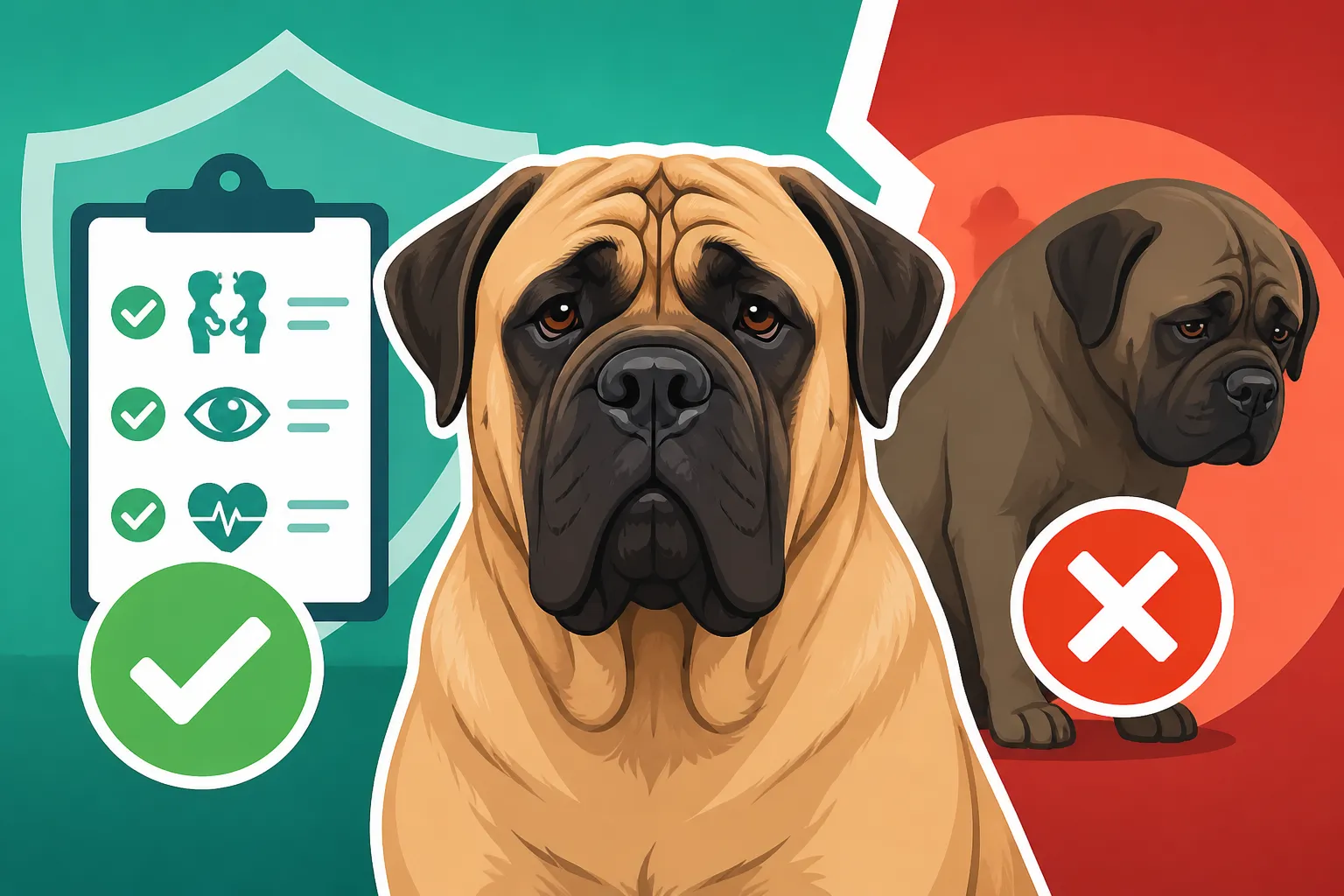
The required CHIC tests for Mastiffs typically include:
- Hip Dysplasia Evaluation (OFA or PennHIP): This screens for abnormalities in the hip joints that can lead to severe arthritis, pain, and lameness in a giant breed carrying so much weight. Imagine a 200-pound dog struggling to walk due to bad hips; it's a truly heartbreaking situation. For more insight into this, you might want to read How Common Hip Dysplasia Is in Mastiffs.
- Elbow Dysplasia Evaluation (OFA): Similar to hip dysplasia, elbow dysplasia involves abnormal development of the elbow joint, causing pain and lameness. Given that Mastiffs put immense pressure on their front limbs, healthy elbows are non-negotiable. Elbow Dysplasia Affects One Mastiff in Seven further explains the prevalence of this issue.
- Eye Examination (OFA CAER – Companion Animal Eye Registry): Performed by a board-certified veterinary ophthalmologist, this checks for a range of inherited eye conditions that can lead to impaired vision or even blindness, such as Progressive Retinal Atrophy (PRA).
- Cardiac Examination (OFA): A thorough examination by a board-certified veterinary cardiologist to screen for heart diseases like subvalvular aortic stenosis, which can be life-threatening. Whether a Mastiff Needs a Cardiac Exam delves into this important screening.
Beyond these required tests, reputable Mastiff breeders often go further, opting for additional genetic screenings specific to the breed. These commonly include DNA tests for:
- Progressive Retinal Atrophy (PRA): A genetic condition that causes the retina to degenerate, leading to blindness. It's a particularly cruel disease, and screening for it is essential. Why Mastiff Retinal Atrophy Needs Only One Copy of the Gene can provide deeper understanding.
- Cystinuria Type III: A metabolic disorder that leads to the formation of urinary stones, particularly in intact male Mastiffs, which can cause painful blockages and be life-threatening. You can learn more about this in Cystinuria Type III and the Intact Male Mastiff.
These tests are not a guarantee of perfect health, but they are the best tools we have to significantly reduce the risk of passing on known genetic diseases. Skipping them is a gamble, and the puppy pays the price.
The Financial Investment of Comprehensive Health Screening
Now, let's talk brass tacks: these tests aren't cheap. For a responsible Mastiff breeder, securing a CHIC number for their breeding dogs represents a substantial financial investment. Each test involves specific veterinary procedures, and many require specialists.
Consider the process:
- OFA Hips and Elbows: This involves sedation (which is more costly for a giant dog like a Mastiff, given the amount of anesthetic required) and specialized X-rays, often performed by a vet who sends the films to the OFA for evaluation by a panel of radiologists. The fees for the vet, the sedation, and the OFA submission can easily run into hundreds of dollars per dog, per set of X-rays. For elbows, the cost and procedure are similar. Want to know more about the overall cost? Check out What OFA Hip and Elbow Certification Costs a Mastiff Breeder.
- OFA CAER Eye Exam: This requires an appointment with a board-certified veterinary ophthalmologist, which itself is a specialized, higher-cost consultation. This isn't just a quick peek by a general vet; it's a thorough examination involving specific equipment and expertise. These exams need to be done annually for breeding dogs to remain current.
- OFA Cardiac Exam: Similarly, a cardiac exam requires a board-certified veterinary cardiologist. This can involve auscultation (listening with a stethoscope) and often an echocardiogram (ultrasound of the heart) to thoroughly assess heart health. Again, the specialist fees and diagnostic costs are considerable.
- DNA Tests: While less invasive, these still involve a cost for the test kit and laboratory analysis. Many breeders opt for comprehensive panels that screen for multiple genetic markers, adding to the expense.
These aren't one-time expenses for the breeder; they are recurring investments. Eye exams need annual certification, and for multi-generation breeding programs, these costs multiply across many dogs over many years. When you factor in the cost of high-quality food, supplements, routine veterinary care, proper housing, and the immense time commitment involved in raising a healthy litter, it becomes clear why responsible Mastiff puppies come with a higher price tag. This investment is directly reflected in the puppy's price because it is an investment in the puppy's future health and longevity. It is literally impossible to do these tests and offer puppies for a fraction of the market rate.
The Direct Link Between Price and Parental Health Clearances
When you're looking at Mastiff puppies, the price isn't just a number; it's an indicator of the effort and investment a breeder has put into ensuring the health and well-being of their dogs. A low price often means a critical step has been skipped, and that step is almost invariably comprehensive health testing.
How Health Testing Influences Mastiff Puppy Pricing
Reputable Mastiff breeders understand that the health of their breeding dogs is paramount. They invest significant time, effort, and money into ensuring their dogs are free from genetic conditions that could cause suffering for a puppy and financial hardship for its future family. This includes not just the initial purchase of high-quality breeding stock but also the ongoing costs of health screenings, specialized veterinary care, and premium nutrition for the parents.
These costs are naturally factored into the price of a puppy. A breeder who has spent thousands of dollars on OFA certifications for hips, elbows, eyes, and heart, plus DNA tests for conditions like PRA and Cystinuria, cannot, and should not, sell their puppies for the same price as someone who hasn't. Their pricing reflects the value of their comprehensive health clearances, their commitment to the breed's future, and the reduced risk they are offering to buyers. It's an investment in a potentially healthier, longer-lived companion for you.
Conversely, a "backyard breeder" or puppy mill operator, whose primary goal is often profit maximization, skips these essential steps entirely. By avoiding the considerable expenses of health testing, they can offer puppies at a much lower price. This strategy appeals to buyers who are either unaware of the importance of these tests or are simply looking for the cheapest option. However, what they save upfront, they often pay for exponentially later on. The low price is a direct consequence of cutting corners that are detrimental to the dogs. This is why Whether a Cheap Mastiff Skipped the CHIC Tests is less of a question and more of a foregone conclusion.
The Risks of Purchasing an Untested Mastiff
The decision to buy a Mastiff from untested parents is fraught with peril, both for the dog and for your wallet. Without proper health clearances, you are essentially rolling the dice on your puppy's genetic lottery, and with Mastiffs, the stakes are incredibly high. These magnificent creatures are prone to several devastating genetic conditions that can manifest as early as puppyhood or emerge later in life.
Imagine bringing home a sweet Mastiff puppy, only to find out it develops severe hip dysplasia before its first birthday. This isn't just a minor inconvenience; it can mean chronic pain, limited mobility, and potentially thousands of dollars in surgery, physical therapy, and ongoing medication. Hip replacement surgery for a giant breed is an incredibly complex and expensive procedure. Or consider conditions like Elbow Dysplasia Affects One Mastiff in Seven, which can leave your dog limping and in discomfort.
Then there are the less visible but equally devastating conditions. Progressive Retinal Atrophy (PRA), if passed on, can lead to your beloved companion losing its sight entirely within a few years. While a blind Mastiff can cope at home, it requires significant adjustments and care. Another serious concern, particularly for intact male Mastiffs, is Cystinuria Type III, which causes painful and life-threatening urinary stones. This condition can lead to emergency surgeries and a lifetime of specialized diet and medication. For more on this, you might want to read Cystinuria Type III and the Intact Male Mastiff. The initial savings on a cheap puppy will be quickly dwarfed by the astronomical costs of treating these preventable diseases, not to mention the emotional toll of watching your dog suffer.
Navigating the Market: How to Identify a Responsible Mastiff Breeder
Finding a Mastiff puppy can feel overwhelming, especially with so many breeders out there. However, knowing what to look for, and what questions to ask, can make all the difference between a lifetime of joy and a lifetime of regret.
Essential Questions to Ask a Potential Breeder
When you're speaking with a Mastiff breeder, don't be shy about asking direct and detailed questions about their health testing protocols. A responsible breeder will welcome your questions and be transparent about their practices. In fact, they'll likely be eager to educate you. Here are some non-negotiable questions to pose:
- "Are the parents of this litter CHIC certified? Can I see copies of all health clearances for both parents?" This is the absolute first question. Don't accept vague answers or promises. A legitimate breeder will have official certificates or be able to direct you to the OFA website where you can verify the CHIC numbers for both sire and dam. The OFA database is public, and you can cross-reference their claims there. Look for clearances for hips, elbows, eyes (CAER), and heart. Remember, The CHIC Tests Both Mastiff Parents Must Clear are the bare minimum.
- "What are the specific OFA scores for hips and elbows?" Don't just settle for "cleared." Ask for the actual grades (e.g., "Good" or "Excellent" for hips, "Normal" for elbows). For eyes, ask about the date of the last CAER exam.
- "What is your health guarantee, and what does it cover?" A good health guarantee typically covers major genetic diseases for a reasonable period (often up to two years). Understand the terms: what happens if a genetic issue arises? Will they take the dog back? Offer a partial refund? Provide a replacement puppy? This helps illustrate a breeder's commitment beyond the sale.
- "Do you test for other genetic conditions common in Mastiffs, such as PRA and Cystinuria Type III?" While not always CHIC-mandated, these DNA tests are crucial for the breed. If they do, ask for verification. For instance, The DNA Test That Finds Mastiff PRA is readily available.
- "How long have you been breeding Mastiffs, and are you involved with any breed clubs?" Membership in organizations like the Mastiff Club of America often indicates a commitment to breed standards and ethical practices.
Be wary of any breeder who gets defensive, avoids direct answers, or refuses to provide documentation. These are major red flags that suggest they have something to hide, and that "something" is usually a lack of health testing.
Beyond the Tests: Other Hallmarks of a Reputable Breeder
While health testing is critical, it's not the only indicator of a responsible Mastiff breeder. The overall care, environment, and transparency they provide speak volumes about their dedication.
Here are other essential signs of a good breeder:
- Clean and Safe Environment: When you visit (and you absolutely must visit), the puppies and parent dogs should be in a clean, safe, and stimulating environment. This means adequate space, proper sanitation, and signs of good nutrition and care.
- Well-Socialized Puppies: Puppies should appear confident, curious, and well-adjusted. They should interact positively with people and show no excessive shyness or aggression. A good breeder starts early socialization to ensure the puppies are ready for their new homes.
- Transparency and Openness: A responsible breeder will be an open book. They'll show you where the puppies are raised, let you meet the mother (and sometimes the father), and answer all your questions thoroughly. They should also be curious about you, asking about your living situation and experience to ensure their puppy is going to a suitable home.
- Detailed Contracts and Support: Expect a comprehensive contract that outlines responsibilities, health guarantees, and often a spay/neuter clause for pet-quality puppies. A reputable breeder also offers lifelong support, encouraging you to reach out with any questions or concerns throughout your dog's life.
- Waiting Lists: Quality Mastiff puppies from health-tested lines are in high demand. Expect to be on a waiting list, sometimes for a year or more. Breeders who constantly have puppies available or push for an immediate sale are often red flags.
- Focus on One or Two Breeds: Breeders who specialize in one or two breeds are generally more knowledgeable and dedicated to improving those specific lines. Be cautious of "brokers" or breeders with a revolving door of many different breeds.
By combining thorough questioning about health tests with an assessment of these broader indicators, you can significantly increase your chances of finding a healthy, well-adjusted Mastiff puppy from a truly responsible source.
The Financial Reality of Mastiff Ownership and Long-Term Savings
Bringing a Mastiff into your home is a huge commitment, not just emotionally, but financially. While the initial puppy price might feel steep, it pales in comparison to the potential costs of caring for a Mastiff with preventable health issues.
The Astronomical Costs of Treating Preventable Diseases
Let's get real about the potential financial burden if you choose a Mastiff from untested parents. The allure of that "cheap" puppy vanishes quickly when faced with the vet bills for conditions that could have been screened out.
Consider these hypothetical, but unfortunately common, scenarios:
- Hip Dysplasia: If your Mastiff develops severe hip dysplasia, treatment options range from lifelong pain management with medications, which can cost hundreds of dollars a month for a giant breed, to expensive surgeries. A bilateral hip replacement for a Mastiff can easily run into the tens of thousands of dollars. Even more conservative surgeries, like a femoral head ostectomy (FHO), are still many thousands. Add to that rehabilitation, hydrotherapy, and specialized diets, and your initial "savings" are a distant memory.
- Elbow Dysplasia: Similar to hips, elbow dysplasia often requires expensive diagnostics (like CT scans) and potentially multiple surgeries to correct, each costing thousands of dollars. The recovery is long, often involving specialized care and physical therapy. What Elbow Surgery Costs on a Mastiff is a steep price to pay for a preventable condition.
- Cystinuria: For intact male Mastiffs, this condition can lead to urinary blockages that are true emergencies. An overnight emergency surgery to remove stones and clear a blockage, possibly with follow-up procedures, can cost several thousand dollars. This is a recurring risk, often requiring a specialized diet and medication for life, which adds ongoing costs. What Stone Surgery Costs on a Mastiff can give you an idea of the expense.
- Eye Conditions: While some eye conditions might be managed with drops, others can require specialist veterinary ophthalmologist visits, expensive medications, or even surgery to alleviate discomfort or preserve what sight remains. The cost of frequent check-ups and treatments quickly adds up.
These aren't just one-time bills; they are often the beginning of a lifetime of managing chronic conditions. The true cost of owning a Mastiff from untested parents can quickly become astronomical, turning a loving companionship into a source of constant financial stress. This is why investing in a responsibly bred puppy, while more expensive upfront, is almost always the more economical choice in the long run.
The Role of Pet Insurance and Budgeting for a Mastiff
Given the potential for high veterinary costs, many Mastiff owners wisely consider pet insurance. Pet insurance can be a lifesaver, helping to cover a significant portion of unexpected vet bills. However, it's crucial to understand a key limitation: pet insurance typically does not cover pre-existing conditions.
This means if your "cheap" Mastiff puppy is predisposed to hip dysplasia because its parents weren't tested, and it develops the condition, insurance providers like Healthy Paws are unlikely to cover the treatment costs. The condition would be considered pre-existing (or genetically predisposed from a known issue in the breed), even if you weren't aware of it at the time of purchase. This makes the upfront investment in health-tested parents even more critical, as it reduces the likelihood of these expensive, uncovered conditions. Whether Pet Insurance Covers a Mastiff's Elbows explores this in more detail, highlighting that a lack of breeder testing can invalidate your insurance claims.
Beyond insurance, thorough budgeting is essential for Mastiff ownership. These dogs eat a lot! You'll need to budget for premium large-breed dog food, which can be purchased efficiently from online retailers like Chewy. A Mastiff's food bill over its lifetime can run into the thousands. Consider also the cost of preventatives (flea, tick, heartworm), which are dosed by weight and are therefore more expensive for a giant breed. Routine vet check-ups, even without major health issues, will be higher due to the sheer size of the dog and the amount of medication required. Additionally, don't forget accessories: a bed that can support a 200-pound dog, heavy-duty leashes and collars, and the occasional destruction of toys or furniture. The article Why a Mastiff Costs More Per Year Than a Dog That Lives Twice as Long further elaborates on these comprehensive costs. Planning for these expenses from the outset will prevent financial surprises down the road and allow you to provide the best possible care for your magnificent companion.
Comparing the Paths: Cheap vs. Responsible Mastiff Acquisition
To truly illustrate the difference, let's look at a side-by-side comparison of the two primary paths to Mastiff ownership. This isn't just about price; it's about peace of mind, quality of life, and long-term financial stability.
| Feature | Cheap Mastiff (Untested Parents) | Responsibly Bred Mastiff (CHIC Tested Parents) |
|---|---|---|
| Initial Purchase Price | Significantly lower, often hundreds or low thousands of dollars. | Higher, typically several thousands of dollars. |
| Breeder Transparency | Often vague about health tests, may not offer documentation. | Provides verifiable health clearances (OFA CHIC numbers), open to questions. |
| Parent's Health | Unknown genetic background, high risk of inherited diseases. | Parents screened for common genetic diseases (hips, elbows, eyes, heart, PRA, Cystinuria). |
| Puppy's Health | High risk of developing costly, painful genetic conditions. | Lower risk of inherited diseases, though no guarantee is 100%. |
| Lifetime Vet Costs | Potentially astronomical due to preventable conditions. | Generally lower, focusing on routine care and age-related issues. |
| Pet Insurance Coverage | High likelihood of pre-existing conditions being excluded. | Better chance of full coverage for new conditions. |
| Emotional Toll | High stress and heartbreak dealing with a suffering pet. | Greater peace of mind, focusing on companionship and enjoyment. |
| Breeder Support | Little to no ongoing support once the sale is made. | Offers lifetime support, guidance, and takes dogs back if needed. |
This table clearly shows that while the initial price tag of a cheap Mastiff might be alluring, it's a deceptive bargain. The true cost becomes apparent over the dog's lifetime, often resulting in greater financial strain, emotional distress, and a compromised quality of life for your cherished companion. Investing in a responsibly bred Mastiff is an investment in health, longevity, and a happier, less stressful journey for both you and your gentle giant.
Disclaimer
This article is for general informational purposes only and does not constitute professional advice. Laws, prices and regulations vary by location and change over time. Consult a qualified professional for guidance on your specific situation.