What OFA Hip and Elbow Certification Costs a Mastiff Breeder
Bringing a Mastiff puppy into your home is a monumental decision, filled with dreams of a loyal, loving companion. But for many aspiring owners, the crucial health certifications of the parents can feel like a mysterious and expensive black box, leading to confusion about why some puppies cost more or why certain breeders emphasize these tests so heavily. This guide will demystify the costs and processes behind OFA (Orthopedic Foundation for Animals) hip and elbow certification for Mastiff breeders, helping you understand the immense value these screenings provide for the long-term health of these magnificent dogs.
The Imperative of OFA Certification for Mastiff Breeders
When you look at a Mastiff, you see sheer mass and power, a gentle giant that can reach impressive weights. This incredible size, while part of their charm, also makes them particularly susceptible to certain orthopedic conditions. Responsible breeders understand this inherent vulnerability and take proactive steps to minimize the risk through genetic screening, with OFA certifications for hips and elbows being paramount. Without these vital checks, breeders are essentially gambling with the health of future generations, and potential owners are left facing potentially heartbreaking and financially devastating consequences.
Why OFA Matters for a Giant Breed Like the Mastiff
Mastiffs carry a significant amount of weight, which places immense stress on their joints. Hip and elbow dysplasia are conditions where the joints don't form correctly, leading to pain, arthritis, and sometimes debilitating lameness. Imagine a dog weighing over two hundred pounds trying to navigate life with poorly formed hips or elbows; it's a recipe for chronic discomfort. The sheer forces involved mean that even minor joint abnormalities can become major problems very quickly. This is why addressing these issues at the genetic level, through careful breeding choices, is so incredibly important. The cost of prevention, in this case, is far less than the emotional and financial toll of treating an affected dog. Unfortunately, it's a known fact that Why a Mastiff's Hips Fail Under Its Own Weight and Why One Mastiff in Seven Fails Its Elbow Grade, making these certifications non-negotiable for ethical breeding.
The Breeder's Ethical Responsibility and Reputation
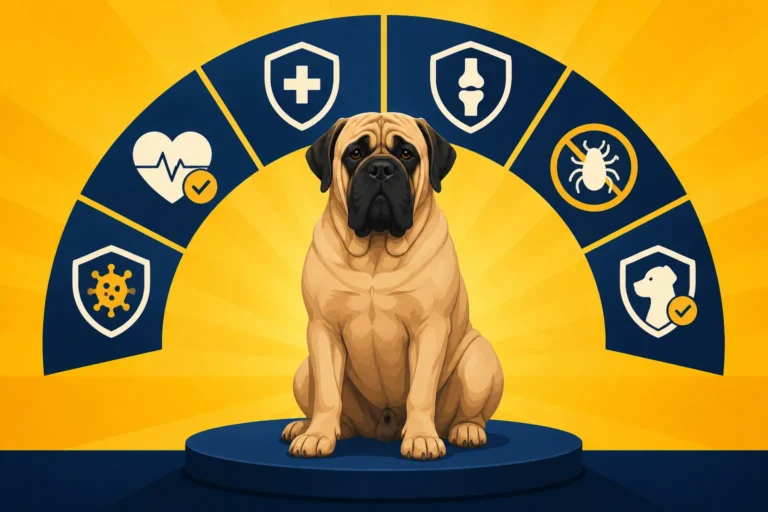
For a dedicated Mastiff breeder, OFA certification isn't just a suggestion; it's an ethical obligation. Their goal should always be to produce healthy, sound puppies that will bring joy to their families for as long as possible. By investing in OFA clearances, breeders demonstrate a deep commitment to the welfare of the breed. This commitment builds trust with prospective puppy buyers, who are increasingly educated and seek out breeders who prioritize health. A breeder who proudly displays their dogs' OFA certificates, often alongside other vital health tests like those included in The Four CHIC Tests a Mastiff Breeder Must Clear, signals transparency and integrity. Conversely, a breeder who shrugs off these tests or claims they are unnecessary raises serious red flags, often indicating that they're prioritizing profit over puppy health.
Understanding the OFA Hip Certification Process and Associated Costs
The process of getting a Mastiff's hips certified by OFA is quite specific, involving veterinary expertise, precise imaging, and standardized evaluation. It's not a casual visit to the vet; it requires preparation and a commitment to ensuring the best possible images for an accurate assessment. This thoroughness is what gives the certification its weight and value in the breeding community.
The Veterinary Examination and Sedation Requirements
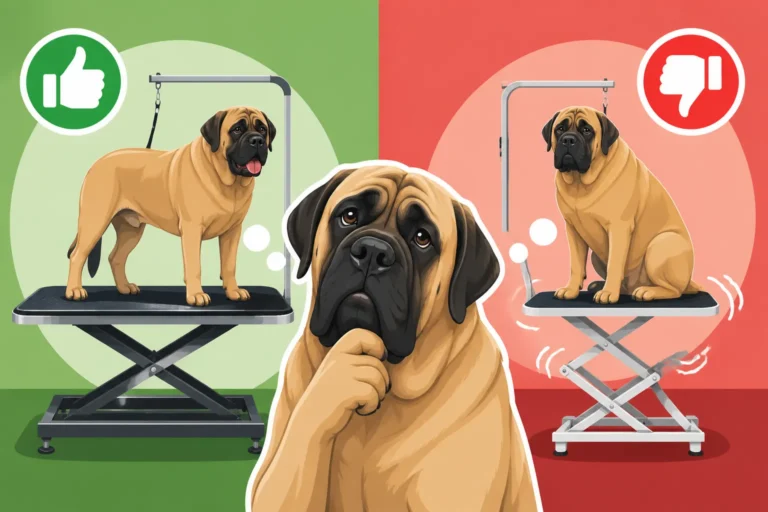
Before any X-rays are taken, a Mastiff must undergo a thorough veterinary examination. The veterinarian will assess the dog's overall health, ensuring they are fit for sedation or anesthesia. This initial check-up has its own consultation fee, which is standard for any vet visit. For hip X-rays, proper positioning is absolutely critical to get a diagnostic-quality image. Because a Mastiff is so large and needs to be perfectly still and symmetrically positioned, sedation or light anesthesia is almost always required. Trying to manually position a conscious, powerful Mastiff for these intricate X-rays is nearly impossible and unsafe for both the dog and the veterinary staff. The cost of sedation will vary based on the dog's weight (and a Mastiff is definitely on the heavier end of the scale!), the specific drugs used, and the monitoring protocols in place, such as continuous heart rate and oxygen saturation checks. These fees are a significant component of the overall expense.
X-ray Imaging and Submission Fees
Once the Mastiff is appropriately sedated, the veterinary technician and veterinarian will carefully position the dog for the specific hip X-ray views required by OFA. Typically, a single ventrodorsal view is needed, where the dog is on its back with legs extended straight and parallel. Achieving this perfectly can be challenging with a giant breed, sometimes requiring multiple attempts to get a clear, correctly positioned image without rotation. Each X-ray image taken incurs a fee, and if multiple retakes are needed, these costs can add up.
After the images are deemed diagnostic by the veterinarian, they are submitted electronically or via mail to the Orthopedic Foundation for Animals. OFA then charges a submission fee to cover the cost of their expert veterinary radiologists reviewing and grading the X-rays. This fee is per dog, per joint (so a hip submission is separate from an elbow submission). It's important to remember that The Age a Mastiff Is Certified by OFA is usually after two years of age for final clearances, meaning this isn't a cost incurred during puppyhood.
Interpreting Hip Scores: What They Mean for Breeding
OFA grades hips on a seven-point scale: Excellent, Good, Fair (all considered passing, or "Normal"), Borderline, and then Mild, Moderate, or Severe Dysplasia. Breeders aim for Excellent, Good, or Fair ratings. A "Normal" rating means the hips are free of radiographic evidence of hip dysplasia.
| OFA Hip Grade | Description | Breeding Recommendation |
|---|---|---|
| Excellent | Superior hip conformation, near-perfect joint congruity, tightly fitting femoral heads, minimal joint space. | Highly recommended for breeding. |
| Good | Well-formed hips, slightly less congruent than Excellent, but still very healthy with good joint fit. | Recommended for breeding. |
| Fair | Passable hip conformation, minor irregularities, but still within normal limits, with sufficient depth and joint space. | Acceptable for breeding, especially when combined with other strong health clearances. |
| Borderline | Some equivocal changes, not definitively dysplastic nor normal. OFA recommends re-X-raying in 6-8 months. | Not recommended for breeding until a definitive normal score is obtained. |
| Mild Dysplasia | Minimal evidence of dysplasia, shallow socket, loose joint. | Not recommended for breeding. |
| Moderate Dysplasia | Obvious signs of hip dysplasia, significant subluxation, shallow acetabulum. | Not recommended for breeding. |
| Severe Dysplasia | Marked evidence of hip dysplasia, severe subluxation, degenerative joint disease. | Not recommended for breeding. |
For a Mastiff breeder, only dogs receiving an Excellent, Good, or Fair rating should be considered for breeding. Breeding a dog with any degree of dysplasia not only perpetuates the condition in the breed but can lead to significant pain and suffering for the offspring, resulting in costly veterinary interventions like those described in What Hip Surgery Costs on a Mastiff.
Navigating the OFA Elbow Certification and Its Financial Implications
Just like hips, elbows are critical weight-bearing joints for a Mastiff, and ensuring their health is equally important. Elbow dysplasia is a complex condition involving multiple possible developmental abnormalities in the elbow joint, and OFA certification helps breeders identify and avoid passing these issues on. The cost for elbow certification follows a similar pattern to hip certification, involving vet services, imaging, and OFA processing fees.
The Specifics of Elbow X-rays for Mastiffs
Elbow X-rays for OFA certification also require precise positioning and, given a Mastiff's size and inherent desire to move, will almost certainly necessitate sedation or anesthesia. The X-rays involve multiple specific views (usually flexed lateral and craniocaudal views) of both elbows to thoroughly assess the joint for any signs of ununited anconeal process, fragmented coronoid process, osteochondrosis, or incongruity. Each view adds to the imaging time and skill required. The veterinary clinic will charge for the sedation and the X-ray images taken, just as with hip X-rays. Because Mastiffs are prone to elbow issues, diligent attention to these X-rays is particularly important.
OFA Elbow Grading and Associated Fees
OFA grades elbows differently than hips, with a simpler system: Normal, or Grade I, II, or III Dysplasia. "Normal" indicates no radiographic evidence of elbow dysplasia. Grade I is mild, Grade II is moderate, and Grade III is severe.
| OFA Elbow Grade | Description | Breeding Recommendation |
|---|---|---|
| Normal | No radiographic evidence of elbow dysplasia, indicating healthy joint conformation. | Recommended for breeding. |
| Grade I | Mild elbow dysplasia, characterized by minimal radiographic changes, often subtle. | Not recommended for breeding. |
| Grade II | Moderate elbow dysplasia, with more distinct radiographic changes, indicating a higher degree of joint abnormality. | Not recommended for breeding. |
| Grade III | Severe elbow dysplasia, showing pronounced radiographic changes, significant joint degeneration, and often severe lameness. | Not recommended for breeding. |
For ethical Mastiff breeding, only dogs with "Normal" elbow grades should be used. The submission fees to OFA for elbow certification are typically separate from hip fees but follow a similar structure. Breeders serious about the health of their lines will ensure both sets of clearances are obtained before making any breeding decisions. Skipping this step, or choosing to breed a dog with even Grade I dysplasia, dramatically increases the chances of producing puppies that will suffer from painful, chronic conditions, sometimes requiring extensive and costly interventions as detailed in What Elbow Surgery Costs on a Mastiff.
Unpacking the Total Financial Outlay for a Mastiff Breeder
Calculating the exact cost of OFA hip and elbow certification for a Mastiff breeder isn't as simple as adding up a couple of fixed fees. There are several variables at play, from the specific veterinary clinic chosen to unforeseen complications. However, understanding the typical range of these expenses helps breeders budget appropriately and helps potential puppy buyers appreciate the true investment made by responsible breeders. These costs contribute directly to The CHIC Four Plus the DNA Stack Behind a Mastiff's Price.
Hidden Costs and Variables Beyond Core Fees
The core fees include the vet visit, sedation/anesthesia, X-ray imaging, and OFA submission fees. However, there can be other contributing factors. For example, if a dog's initial X-rays are not of diagnostic quality (due to positioning, movement, or poor contrast), repeat X-rays will be necessary, incurring additional charges for sedation and imaging. Sometimes, a general practitioner might refer a particularly challenging case, or one with equivocal findings, to a veterinary radiologist or orthopedic specialist for their expertise, adding specialist consultation fees.
Geographical location also plays a significant role; veterinary costs can vary considerably between rural areas and major metropolitan centers, and even from one state to another. Some clinics might offer package deals for multiple certifications, while others charge à la carte for every step. Anesthesia monitoring can range from basic pulse oximetry to advanced ECG and blood pressure monitoring, with more comprehensive monitoring naturally costing more. These variables mean that while a breeder might anticipate a certain amount, they must be prepared for potential fluctuations.
The Cost-Benefit Analysis for Responsible Breeding
When a breeder looks at the expenses associated with OFA clearances, it might seem like a hefty upfront investment, especially when considered alongside other essential health tests required for Mastiffs, such as those related to How Many Mastiffs Carry the Type III Marker. However, this is where a critical cost-benefit analysis comes into play. The financial cost of not testing can be exponentially higher. Breeding dogs with undetected hip or elbow dysplasia can result in entire litters of puppies that develop these painful conditions. Owners of these puppies could face thousands of dollars in veterinary bills for diagnostics, medications, physical therapy, and potentially multiple surgeries.
Beyond the direct financial implications, there's the immeasurable cost to the breed's reputation and the emotional toll on the owners and, most importantly, the dogs themselves. A responsible breeder understands that their investment in health testing is not just about avoiding immediate costs, but about safeguarding the future of the Mastiff breed and upholding their integrity. This commitment to health is why The Push to Breed Healthier Mastiffs is so important to ethical breeders.
The Long-Term Value of Certified Parents to Mastiff Owners
For puppy buyers, the upfront cost of a Mastiff puppy from health-tested parents can seem higher, but this initial investment pays dividends in the long run. Choosing a puppy from OFA-certified parents significantly reduces the likelihood of facing debilitating and expensive joint problems down the road. It provides a level of assurance that simply isn't present with puppies from untested lines.
Peace of Mind for Puppy Buyers
Imagine the excitement of bringing home your new Mastiff puppy, full of life and boundless energy. Now imagine the crushing blow of learning, perhaps by their first birthday, that they are suffering from severe hip or elbow dysplasia. This isn't just a hypothetical; it's a painful reality for many who purchase puppies from untested parents. When a breeder provides OFA certifications for both parents, it offers a crucial layer of peace of mind. You know that significant steps have been taken to reduce the genetic predisposition to these common and debilitating conditions in such a massive breed. This is especially important given that Whether a Cheap Mastiff Skipped the CHIC Tests is a very real concern for potential owners. Reputable breeders will be transparent with their health clearances and even encourage buyers to verify them on the OFA public database.
Mitigating Future Veterinary Expenses
The cost of veterinary care for a giant breed dog can be substantial. For a Mastiff with severe hip or elbow dysplasia, treatments can range from lifelong pain medication and physical therapy to expensive surgeries. A total hip replacement or complex elbow surgery for a Mastiff can cost many thousands of dollars, and sometimes multiple surgeries are needed. These costs can quickly dwarf the initial difference in puppy price between a health-tested and an untested litter.
While no test is a 100% guarantee, buying from OFA-certified parents dramatically stacks the odds in your favor for a healthier dog. This proactive approach by the breeder can save you immense financial strain and emotional distress over your Mastiff's lifetime. It's also why many Mastiff owners opt for pet insurance from providers like Healthy Paws, knowing that even with the best breeding, accidents and other health issues can arise. Having a healthier foundation makes managing those unexpected costs much more manageable.
Contribution to the Health of the Mastiff Breed
Choosing a puppy from OFA-certified parents isn't just a personal benefit; it's a vote for the continued health and integrity of the Mastiff breed as a whole. Every time a buyer supports a responsible breeder who prioritizes health testing, they are encouraging ethical breeding practices. This collective effort helps reduce the prevalence of genetic diseases in the breed over time, leading to healthier generations of Mastiffs for everyone. It's a way of participating in the broader mission of preserving these magnificent dogs for years to come.
Additionally, understanding appropriate nutrition from a young age is crucial for giant breeds to support their developing joints. Products available from retailers like Chewy often include specialized large-breed puppy foods designed to promote slower, healthier growth, minimizing strain on developing bones and joints. This careful dietary management, combined with limiting intense exercise for puppies—as discussed in Why a Mastiff Puppy Must Not Be Exercised Hard—works hand-in-hand with genetic screening to raise a sound Mastiff. Even as adults, dietary choices, potentially incorporating fresh food options from services like Ollie, can provide joint support and help maintain a healthy weight, further mitigating the risk of joint problems. These considerations all build on the foundation of health certifications provided by responsible breeders.
Disclaimer
This article is for general informational purposes only and does not constitute professional advice. Laws, prices and regulations vary by location and change over time. Consult a qualified professional for guidance on your specific situation.