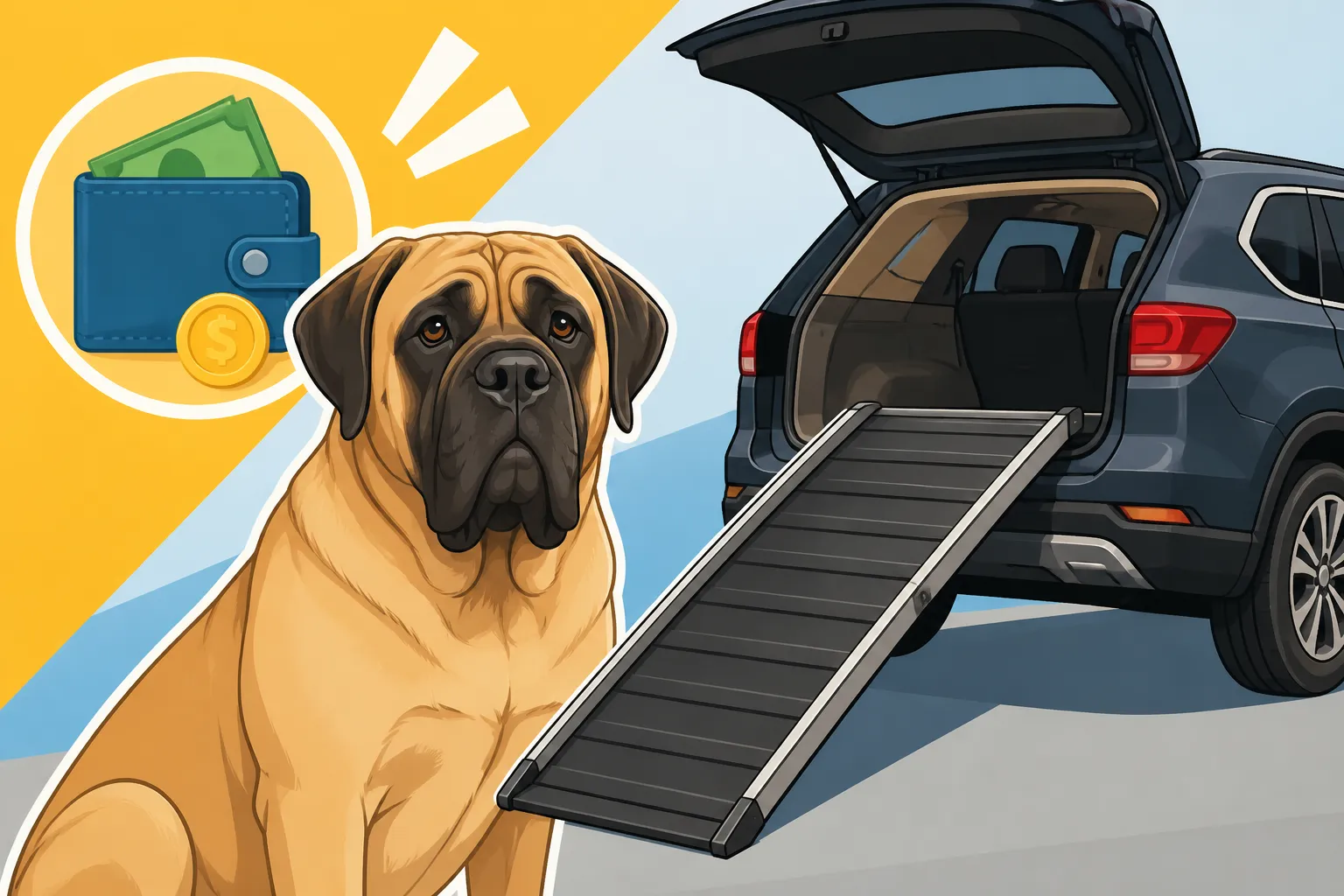
What a Vehicle Ramp for a Mastiff Costs
Bringing a Mastiff home is a dream for many, but the reality of their immense size quickly sets in, especially when it comes to travel. Trying to hoist a growing puppy, let alone a fully grown Mastiff who can easily outweigh a human, into a car or SUV is not just challenging—it’s often impossible and dangerous for both you and your beloved companion. This guide will walk you through understanding why a vehicle ramp is essential for a Mastiff, what factors influence its cost, and how to assess the long-term value of this crucial piece of equipment.
Understanding Why a Mastiff Needs a Vehicle Ramp
The sheer scale of a Mastiff is undeniable, and while their impressive size contributes to their majestic presence, it also presents unique logistical challenges. One of the most common and often overlooked hurdles is safely getting them into and out of vehicles. This isn't just about convenience; it's about protecting their health, your well-being, and ensuring their comfort and safety throughout their lives.
The Physical Challenges of Lifting a Mastiff
Let's be honest, trying to lift a Mastiff is a feat of strength that most of us aren't equipped for. A male Mastiff can easily reach well over 200 pounds, and even a female can be significantly heavy. Imagine trying to lift that kind of weight, with all of it being dead weight, into the back of an SUV. It's not like lifting a bag of dog food; your Mastiff is a living, breathing creature who might be wiggly, uncooperative, or simply unsure of what you're trying to do. The physics of it just don't work for most people. Even if you manage it once or twice, doing it regularly is a recipe for back pain, shoulder strain, or worse. And if your Mastiff is old or injured, the challenge escalates exponentially. It becomes clear why a solution like a ramp isn't a luxury, but a necessity for Lifting an Old Mastiff That Cannot Get Up.
Consider the scenario: you're heading to the vet, or perhaps on a much-anticipated road trip. Your Mastiff is excited, maybe a little anxious, and certainly heavy. As you attempt to lift them, they might shift their weight unexpectedly, causing you to lose balance. A slip could result in a dropped dog, an injured owner, or both. This isn't just a minor inconvenience; a serious injury to your Mastiff could lead to expensive veterinary bills and a prolonged recovery period, while an injury to you could severely impact your ability to care for them. The physical toll on your body alone makes a ramp a wise investment.
Protecting Your Mastiff's Joints
Mastiffs are magnificent, but their rapid growth and substantial size put immense pressure on their joints. Conditions like hip and elbow dysplasia are unfortunately common in the breed. Every jump into or out of a vehicle, especially when they're young and their growth plates are still open, or when they're older and already battling Arthritis in a Mastiff at Four, sends jarring impacts through their joints. These repeated impacts can exacerbate existing joint issues or even contribute to their development over time. As a responsible Mastiff owner, your goal is to minimize stress on their developing and aging bodies.
A vehicle ramp provides a gentle, gradual incline that allows your Mastiff to walk into the car without any jumps or high impacts. This smooth transition protects their hips, elbows, and spine from unnecessary strain. For a Mastiff puppy, whose bones and joints are still developing, using a ramp from day one can be a crucial preventative measure against future orthopedic problems. For senior Mastiffs, who might already be struggling with mobility, a ramp offers dignity and comfort, allowing them to maintain independence without pain. It's about prolonging their healthy, active years and avoiding the kind of wear and tear that can lead to costly surgeries down the line. We all want to give our Mastiffs the best possible chance at a comfortable life, and protecting their joints is a huge part of that.
Protecting Your Own Body from Strain
While your Mastiff's health is paramount, we also need to talk about your health. Caring for a giant breed like a Mastiff is a physically demanding endeavor. From daily walks to managing their powerful leaning habit, your body takes a lot. Regularly lifting a dog that weighs as much as, or more than, you do is an unsustainable practice that can lead to chronic back pain, rotator cuff injuries, or knee problems. Imagine trying to get your Mastiff into the car after a long day, perhaps when you're already tired. The risk of injury dramatically increases.
A vehicle ramp eliminates the need for you to lift your Mastiff entirely. Instead, you guide them up the ramp, using their natural ability to walk. This preserves your strength and prevents the kind of strain that can put you out of commission. If you're injured, who will care for your Mastiff? Investing in a ramp is an investment in your own long-term health and your ability to continue being the best possible caregiver for your giant companion. It's about smart pet ownership, recognizing the limitations of human strength when faced with the sheer bulk of a Mastiff.
Factors Influencing Vehicle Ramp Costs for Mastiffs
When you start looking for a vehicle ramp, you'll quickly discover a wide range of options and, consequently, a wide range of prices. It's not just a simple matter of picking the cheapest one; a ramp for a Mastiff needs to meet specific requirements due to their size and weight. Understanding the factors that influence the cost will help you make an informed decision that balances your budget with your Mastiff's needs.
Material and Construction Quality
The core of a ramp's cost often lies in its materials and how it's built. Ramps are typically made from lightweight aluminum, durable plastics, or a combination of both. Aluminum ramps tend to be on the higher end of the price spectrum. They are prized for their strength-to-weight ratio, meaning they can support a significant amount of weight while still being relatively easy for a human to handle and lift. Aluminum also offers excellent corrosion resistance, which is a bonus if the ramp will be exposed to the elements frequently.
Plastic ramps, especially those made from high-density polyethylene, can be more affordable. While generally sturdy, it's crucial to ensure any plastic ramp you consider is explicitly rated for the weight of a Mastiff. Some cheaper plastic ramps might flex or buckle under the immense pressure of a 200-pound dog, posing a safety risk. Hybrid ramps, using an aluminum frame with plastic walking surfaces, aim to offer a balance of strength and affordability. The quality of the hinges, latches, and non-slip surfaces also plays a significant role in durability and safety. A ramp with cheap plastic clips or a flimsy walking surface isn't going to last long with a Mastiff, no matter the initial cost savings. Investing in higher quality materials from reputable brands means a safer, more reliable ramp that will serve you and your Mastiff for years to come. You might find a good selection of these on sites like Chewy, which often carry a variety of pet ramp options.
Length, Width, and Weight Capacity
These three specifications are paramount when selecting a ramp for a Mastiff and are major drivers of cost.
- Weight Capacity: This is non-negotiable. Your Mastiff is a heavy dog, so you need a ramp explicitly rated to support their full adult weight, plus a safety margin. A ramp designed for a Labrador simply won't cut it for a Mastiff. Ramps with higher weight capacities typically use stronger materials and more robust construction, which naturally increases their price. Don't compromise here; a ramp that can't safely hold your dog is a hazard. Many ramps will specify their maximum weight capacity, so always check this first.
- Length: A longer ramp provides a shallower incline, making it easier and safer for your Mastiff to ascend and descend. For a large, heavy dog, a steep ramp can be intimidating and challenging, potentially causing them to slip or refuse to use it. While shorter ramps are often less expensive, they are generally unsuitable for Mastiffs, especially those with any joint issues. Consider the height of your vehicle's entry point and aim for a ramp long enough to create a comfortable slope.
- Width: Your Mastiff needs ample space to feel secure and balanced while walking up and down the ramp. A narrow ramp can make them feel precarious, leading to reluctance or even falls. Wider ramps offer more stability and confidence, which is particularly important for older or less agile Mastiffs. This extra width often means more material and a larger manufacturing footprint, contributing to a higher price.
Here's a quick comparison of ramp features to illustrate how these factors affect utility and cost:
| Feature | Entry-Level Ramp (Lower Cost) | Mid-Range Ramp (Moderate Cost) | Premium Ramp (Higher Cost) |
|---|---|---|---|
| Typical Materials | Basic plastic, lighter gauge aluminum | Combination of durable plastic and reinforced aluminum | High-grade, aviation-quality aluminum |
| Weight Capacity | Up to 150 lbs (often insufficient for adult Mastiff) | 200-300 lbs (suitable for most Mastiffs) | 300+ lbs (for the heaviest Mastiffs, extra durable) |
| Length (Extended) | 4-6 feet (steeper incline, less comfortable) | 6-8 feet (good, comfortable incline) | 8-10+ feet (very gentle slope, ideal for sensitive joints) |
| Width | 15-18 inches (can feel narrow for a large Mastiff) | 20-24 inches (comfortable and secure) | 24+ inches (maximum stability, easy maneuvering) |
| Surface | Basic sandpaper-like grip, less aggressive traction | Rubberized surface, moderate traction | High-grip rubber, textured for all-weather traction |
| Portability Features | Simple fold, may be bulky | Tri-fold or telescopic, lighter for capacity, carry handle | Compact fold or slide, advanced locking, very portable for size |
| Additional Features | None | Safety guide rails, rubber feet for stability, simple latch | Advanced safety locks, integrated carry strap, reflective accents |
As you can see, the specifications directly correlate with the price. Don't skimp on these critical elements when your Mastiff's safety and comfort are on the line.
Special Features and Portability
Beyond the basic construction, many ramps come with additional features that enhance usability, durability, and safety, all of which will impact the final cost.
- Non-slip surface: This is vital. A ramp without adequate traction is a huge risk, especially in wet weather or for a Mastiff that is hesitant or unsteady. High-quality ramps feature robust, textured, or rubberized surfaces that provide excellent grip. Cheaper ramps might use a less effective sandpaper-like material that wears down quickly or becomes slick when wet.
- Safety rails: Some ramps include raised side rails, offering an extra layer of security by helping to guide your Mastiff and prevent them from stepping off the edge. This can be especially reassuring for puppies or older dogs who might have vision issues or be less confident on the ramp.
- Portability: Ramps come in various designs for storage and transport.
- Folding ramps (bi-fold or tri-fold) collapse in on themselves, making them shorter and easier to store.
- Telescoping ramps slide into themselves, offering a compact footprint. These designs, especially those that are both sturdy and lightweight, often command a higher price due to the engineering involved. Consider how often you'll be moving the ramp and how much storage space you have in your vehicle or home. A heavier, bulkier ramp might be cheaper upfront but could become a hassle if it's difficult to manage.
- Durability features: Look for things like rubberized feet that prevent the ramp from slipping against your vehicle, sturdy locking mechanisms to keep it secure when folded, and high-quality hinges that won't rust or break. These small details contribute to the overall lifespan and safety of the ramp.
While these extra features might increase the initial cost, they often pay off in terms of convenience, safety, and longevity. A well-designed ramp with good features makes the experience stress-free for both you and your Mastiff, ensuring it's a tool you'll actually use consistently.
Beyond the Purchase Price: Long-Term Value and Considerations
When budgeting for a vehicle ramp for your Mastiff, it's important to look beyond just the sticker price. The true cost and value are determined by its durability, the potential veterinary savings it offers, and whether it genuinely fits into your lifestyle and your Mastiff's needs. This is where a thoughtful decision truly pays dividends over the years.
Durability and Longevity of Your Investment
A Mastiff is not a temporary commitment, and neither should their essential gear be. A cheap, flimsy ramp might seem like a good deal initially, but if it breaks within a year or two, you'll end up spending more in the long run by having to replace it. Worse, a failing ramp could lead to an injury. Investing in a high-quality ramp designed for heavy breeds means you're buying a product that's built to last for the entirety of your Mastiff's Six to Ten Years Is What a Mastiff Gets.
Consider the materials, as discussed earlier. A ramp made from aircraft-grade aluminum with a robust, textured walking surface and strong hinges will withstand years of use, different weather conditions, and the consistent weight of your giant dog. Think about the frequency of use: if you're taking your Mastiff to the park, the vet, or on errands several times a week, the ramp will undergo significant wear and tear. A durable ramp minimizes the need for replacements, which ultimately saves you money and the hassle of shopping for a new one. Plus, a reliable ramp gives you peace of mind, knowing that each trip your Mastiff takes into the car is safe and secure. It’s a foundational piece of equipment, much like a good orthopedic bed or a giant breed collar.
Potential Savings on Vet Bills
This is perhaps the most compelling argument for investing in a high-quality vehicle ramp. As we've discussed, Mastiffs are prone to joint issues like hip and elbow dysplasia. Repetitive jumping, especially from a height, significantly contributes to the wear and tear on these sensitive joints. Over time, this can lead to painful arthritis, lameness, and potentially very expensive veterinary interventions. Surgeries for hip or elbow issues, like a TPLO if your Mastiff were to tear a cruciate, are incredibly costly, and the recovery process for a dog of this size is extensive and challenging. What Hip Surgery Costs on a Mastiff or What Elbow Surgery Costs on a Mastiff can run into many thousands of dollars, not to mention the ongoing costs of medication, physical therapy, and special care.
Using a ramp consistently can significantly reduce the cumulative stress on your Mastiff's joints, potentially delaying or even preventing the onset of severe orthopedic problems. This proactive approach can translate into substantial savings on veterinary bills over your Mastiff's lifetime. Think of the cost of a good ramp as an insurance policy for your dog's joints, potentially more effective and certainly more immediate than dealing with the complexities of pet insurance and pre-existing conditions. Companies like Healthy Paws can help with unexpected vet bills, but preventing them in the first place is always the best option. While a good diet (perhaps from a brand like Ollie, known for quality ingredients) and appropriate exercise are crucial for joint health, a ramp is a direct physical aid.
Comparing Ramp Types and Alternatives
While ramps are generally the gold standard for Mastiffs, it's worth understanding the different types and briefly touching upon other options, though most are not ideal for such a giant breed.
Ramp Types:
- Telescoping Ramps: These slide in and out, offering great adjustability in length and a compact storage footprint. They are often made from aluminum and tend to be on the higher end due to their engineering. Ideal for varied vehicle heights.
- Folding Ramps: These fold in half or in thirds. They are generally simpler in design and can be a bit bulkier but are often more stable. Good for consistent vehicle use.
- Fixed Ramps: Less common for vehicles, these are built-in or permanent structures, unsuitable for portable use.
Alternatives (and why they're usually not suitable for Mastiffs):
- Steps/Stairs: While some pet steps exist, finding ones robust enough and tall enough with wide enough steps for a Mastiff is incredibly difficult. Most are too flimsy, too steep, or too narrow, making them unstable and dangerous for a dog of this size and weight. The impact of jumping from one step to another, even low ones, is still present and can stress joints.
- Lifting Harnesses: These can assist in lifting, but they still require a human to do the heavy work. For a Mastiff, this usually means two people, and even then, it's precarious and doesn't eliminate the joint impact for the dog. They are great for assistance with mobility issues around the house, but not for regular vehicle ingress/egress.
- Dog Carriers/Crates: For a Mastiff, a crate large enough for them to stand and turn around in simply will not fit into most vehicles, and certainly cannot be lifted by humans.
For a Mastiff, a well-chosen ramp remains the safest, most practical, and most joint-friendly option. When making your choice, consider your primary vehicle (do you have an SUV upgrade for a Mastiff?), your Mastiff's temperament (are they generally amenable to new things?), and your physical capabilities. A ramp should integrate seamlessly into your routine, making car travel a positive experience for everyone involved. Teaching a Mastiff to Use a Ramp might take a little patience, but it's an investment in their long-term health and your peace of mind.
Disclaimer
This article is for general informational purposes only and does not constitute professional advice. Laws, prices and regulations vary by location and change over time. Consult a qualified professional for guidance on your specific situation.