Why a Mastiff Only Gets Six to Ten Years
It's a conversation every Mastiff owner dreads, that painful awareness that our magnificent, gentle giants are, heartbreakingly, not long for this world. While they fill our lives with immense love and boundless slobbery affection, the stark reality is that Mastiffs, on average, live only six to ten years. This guide delves into the complex reasons behind this shorter lifespan, examining the genetic predispositions, the physical toll of their massive size, and environmental factors, all to help you understand and maximize the precious time you have with your beloved companion.
The Uncomfortable Truth: Why Giant Breeds Have Shorter Lives
When we talk about the lifespan of any dog, especially a Mastiff, we're confronted with a tough reality: bigger often means shorter-lived. This isn't just a sad coincidence; it's a deeply rooted biological phenomenon. The sheer scale and rapid growth of a giant breed like the Mastiff place unique and intense demands on their bodies, influencing everything from their cellular health to the strain on their skeletal system. It's a fundamental paradox of nature that something so grand in size often has less time to grace our lives.
Rapid Growth and Its Hidden Toll
Imagine a puppy that grows from a tiny bundle into a creature weighing over 150 pounds, sometimes even over 200, in just a year or two. This incredibly rapid growth rate, while astonishing to witness, is not without its consequences. The cells in a Mastiff's body are dividing and multiplying at an accelerated pace, much faster than in smaller breeds. This hyper-activity at the cellular level is believed to contribute to a higher incidence of certain age-related diseases, including various forms of cancer, which often manifest earlier in life for giant breeds. The body's machinery is simply pushed to its limits from a very young age.
Furthermore, this explosive growth puts immense stress on their developing bones, joints, and soft tissues. A Mastiff puppy's skeletal system isn't designed to handle significant impact or strenuous exercise, despite their playful exuberance. Proper nutrition and careful management of a growing Mastiff are crucial to mitigating these risks. It's a delicate balance to strike, providing enough nutrients for growth without accelerating it unnaturally or stressing immature structures. We explore this further in articles like Restraining the Growth of a Mastiff Puppy.
The Sheer Scale of Their Bodies
Beyond rapid growth, the sheer volume and weight of a mature Mastiff contribute significantly to their predisposition for certain health issues and, ultimately, their shorter lifespan. Every system in their body – from the cardiovascular to the musculoskeletal – must work harder to support such a large mass. Their hearts have to pump blood over greater distances and against more resistance, their lungs have a larger body to oxygenate, and their joints bear an enormous load with every step.
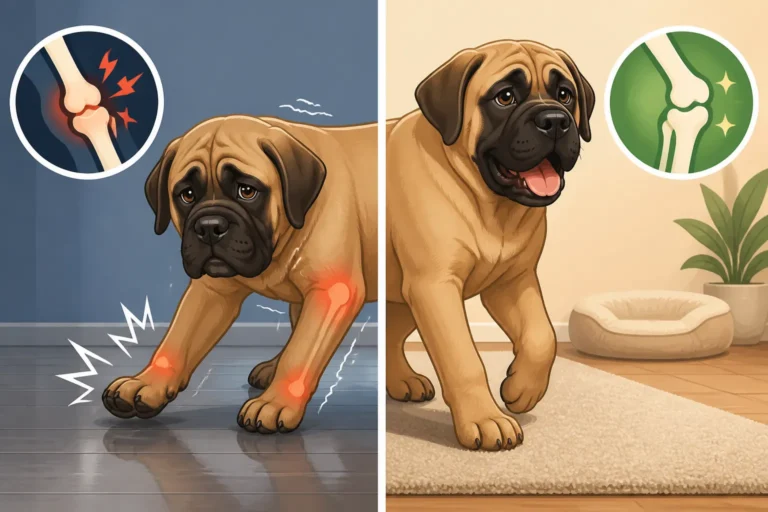
This constant, heavy load means that wear and tear on joints and cartilage occurs at an accelerated rate compared to smaller dogs. While a Chihuahua might skip and jump with impunity well into its senior years, a Mastiff's joints are already feeling the cumulative effect of hundreds of pounds by the time it reaches middle age. This translates into conditions like arthritis and other degenerative joint diseases often appearing much earlier in their lives, impacting their mobility and quality of life.
The Mastiff's Unique Health Challenges
Mastiffs, like all breeds, come with their own set of predispositions to specific health conditions, many of which are exacerbated by their giant size. These aren't just minor inconveniences; they are serious, life-limiting illnesses that Mastiff owners must be vigilant about. Understanding these challenges is the first step in providing the best possible care and, hopefully, extending their lives with us.
Orthopedic Issues: The Weight of the World
It's no surprise that a dog carrying so much weight is prone to joint problems. Hip and elbow dysplasia are unfortunately common ailments in Mastiffs, stemming from abnormal development of the hip or elbow joints. The immense pressure these large dogs put on their joints means that even minor malformations can lead to debilitating arthritis and pain as they age. This is why breeders often pursue certifications like those from the Orthopedic Foundation for Animals (OFA) to assess joint health. You can learn more about specific challenges like Why a Mastiff's Hips Fail Under Its Own Weight or Elbow Dysplasia Affects One Mastiff in Seven.
Beyond dysplasia, the sheer force generated by a two-hundred-pound dog can lead to other orthopedic injuries, such as cruciate ligament tears in their knees. These are often severe and require complex surgeries, which themselves carry higher risks and costs for giant breeds. The recovery can be long and challenging, placing further stress on other joints and the dog's overall well-being. Preventing excessive strain during their formative years, as discussed in The Mastiff Puppy You Are Not Allowed to Exercise, is critical.
The Silent Threat of Bloat
Gastric Dilatation-Volvulus, or bloat, is a terrifying and life-threatening condition that disproportionately affects deep-chested breeds like the Mastiff. In bloat, the stomach fills with gas and can twist on itself, trapping the gas and cutting off blood supply. It's an emergency that can kill a dog within hours if not treated surgically. The exact cause is not fully understood, but rapid eating, large meals, and exercise before or after eating are often cited as potential risk factors. The genetic predisposition in Mastiffs is significant, making it a constant worry for owners.
The sudden onset and rapid progression of bloat mean that every Mastiff owner needs to know the signs and have an emergency plan. While a gastropexy (surgically tacking the stomach to the abdominal wall) can prevent the stomach from twisting, it doesn't prevent the initial gas distention, which can still cause pain and distress. This condition is a stark reminder of the unique vulnerabilities that come with the Mastiff's imposing physique, and you can delve deeper into its specifics in Bloat in the Deepest Chest of Any Breed: the Mastiff.
Cancer: A Pervasive Danger
Cancer is tragically prevalent in Mastiffs and is often cited as a leading cause of death. The accelerated cell division associated with rapid growth in giant breeds is thought to play a role in this increased cancer risk. They are susceptible to a variety of cancers, including osteosarcoma (bone cancer), lymphoma, hemangiosarcoma, and mast cell tumors. These aggressive cancers can strike at any age, but are particularly devastating when they appear in what should be the prime years of a Mastiff's life.
The diagnosis of cancer can be heartbreaking, and the treatment options – surgery, chemotherapy, radiation – are often extensive and costly. Many owners find themselves grappling with difficult decisions, trying to balance their pet's quality of life with the financial and emotional toll of treatment. Pet insurance providers, like Healthy Paws, often prove invaluable during these times, helping to cover a significant portion of the veterinary bills and allowing owners to pursue advanced care without overwhelming financial stress. Understanding Which Cancers Mastiffs Get is crucial for early detection.
Cardiac Concerns
While not as universally discussed as bloat or orthopedic issues, cardiac diseases can also contribute to the Mastiff's shorter lifespan. Conditions like Dilated Cardiomyopathy (DCM), where the heart muscle becomes thin and weak, leading to an enlarged heart that struggles to pump blood effectively, can affect giant breeds. While less common than in some other large breeds, it's still a concern, and often has a genetic component.
Regular veterinary check-ups are essential for monitoring heart health, as early detection of murmurs or other signs can sometimes allow for management to slow the progression of the disease. However, once symptoms manifest, the prognosis for advanced cardiac disease in giant breeds can be guarded, further contributing to the shortened lifespan. Owners should discuss routine cardiac screenings with their veterinarian, especially as their Mastiff ages.
Lifestyle Factors and Their Impact on Lifespan
While genetics and breed predispositions play a massive role in a Mastiff's lifespan, the daily choices we make as owners also have a significant impact. From what we put in their bowl to how much exercise they get, these lifestyle factors can either support their health and potentially extend their comfortable years or inadvertently contribute to the challenges they already face. It's about being proactive and making informed decisions tailored to the unique needs of a giant dog.
Nutrition: Fueling a Giant Correctly
Proper nutrition, particularly during puppyhood, is paramount for a Mastiff. Overfeeding or feeding a diet too high in calcium or protein during their rapid growth phase can actually be detrimental, accelerating growth even further and increasing the risk of orthopedic problems like hip and elbow dysplasia. This is why specific "large breed puppy" formulas are often recommended, as they are formulated to promote slow, steady growth. It's a common misconception that more food equals a bigger, healthier dog; for a Mastiff, controlled growth is key.
As adults, keeping a Mastiff lean is one of the single most impactful things an owner can do to support their longevity. Every extra pound puts additional stress on their joints, heart, and other organs. Obesity can exacerbate arthritis, increase the risk of bloat, and contribute to other health issues, effectively shaving years off their life. Regular body condition scoring and consulting with your veterinarian about the ideal weight range and feeding plan for your individual Mastiff are vital for their long-term health.
Exercise: A Delicate Balance
When you have a dog as large and powerful as a Mastiff, it's easy to assume they need vast amounts of exercise. However, for a Mastiff, especially a growing puppy, too much strenuous activity can be incredibly damaging. Their immature growth plates are fragile, and excessive running, jumping, or forced exercise can lead to permanent joint damage. Structured, moderate exercise, like leashed walks and gentle play, is far more appropriate. Overexertion also carries the risk of overheating in these heavily built dogs.
Even for adult Mastiffs, the goal is consistent, moderate activity rather than intense bursts. They are not built for endurance, and long, strenuous hikes or runs can put undue strain on their joints and cardiovascular system. Instead, focus on daily walks that keep them mentally stimulated and physically conditioned without causing excessive wear and tear. This mindful approach to exercise helps manage their weight, maintain muscle tone, and minimize stress on their already burdened skeletal system.
Environment and Stress
A Mastiff thrives in a calm, predictable home environment. High levels of stress, whether from constant noise, unpredictable routines, or lack of proper socialization, can contribute to behavioral issues and potentially impact their physical health over time. While not a direct cause of death, chronic stress can weaken the immune system and exacerbate existing conditions. Providing a stable, loving home where they feel secure is fundamental to their well-being.
Their physical environment also plays a role. Given their size and propensity for orthopedic issues, having appropriate bedding – thick, supportive, orthopedic beds – is crucial to prevent pressure sores and provide comfort. Non-slip flooring in key areas of the home can prevent dangerous slips and falls, especially for older Mastiffs or those with developing joint issues. Thinking about how a Mastiff moves through your home can prevent injuries and make their daily life more comfortable.
What We Can Do: Maximizing Those Precious Years
While the idea of a short lifespan is heartbreaking, it doesn't mean we are powerless. On the contrary, informed and dedicated ownership can significantly enhance the quality of a Mastiff's life and, in some cases, even extend it comfortably. It's about a combination of proactive health management, careful breeding practices, and, most importantly, showering them with love and attentive care every single day.
Proactive Veterinary Care
Regular veterinary check-ups are non-negotiable for Mastiffs. Because many serious conditions, like bloat, cancer, and heart disease, can have subtle early warning signs, routine visits allow your vet to monitor changes, perform screenings, and intervene early. This includes annual physical exams, blood work as recommended, and discussions about breed-specific health concerns. Being proactive can make a world of difference in catching issues before they become emergencies.
Beyond routine care, don't hesitate to seek specialized veterinary attention when needed. Large breed orthopedic specialists, internal medicine specialists, or even veterinary oncologists can offer expertise and advanced treatments for the complex health issues Mastiffs face. The investment in a comprehensive pet insurance plan, such as those offered by Healthy Paws, can be a game-changer here, providing peace of mind and financial support so you can pursue the best possible care for your Mastiff without compromise. It helps make those crucial, sometimes unexpected, specialist visits more manageable. Understanding topics like Why Anesthesia Is Riskier in a Mastiff is also key to ensuring safe medical procedures.
The Power of Responsible Breeding
The foundation of a Mastiff's health and potential longevity often begins long before they enter your home. Responsible breeders are keenly aware of the breed's health challenges and work tirelessly to minimize the risk of passing on genetic diseases. This involves extensive health testing of breeding stock for conditions like hip and elbow dysplasia, cardiac issues, and genetic diseases like Progressive Retinal Atrophy (PRA) or Cystinuria. For example, responsible breeders typically clear The Four CHIC Tests a Mastiff Breeder Must Clear before breeding.
Choosing a puppy from a reputable breeder who prioritizes health, temperament, and adherence to breed standards is perhaps the most significant step an owner can take to improve their Mastiff's chances of a healthy life. They should be transparent about their testing results, offer health guarantees, and be a resource for you throughout your dog's life. This dedication to health from the start can't eliminate all risks, but it drastically reduces the likelihood of inheriting debilitating conditions.
The Everyday Love and Attention
Ultimately, the most profound way we can impact our Mastiff's life, regardless of its length, is through the quality of daily care and the depth of our bond. This means paying close attention to their behavior, appetite, and energy levels, noticing any subtle changes that might indicate a problem. It means providing a consistent routine, mental stimulation, and a safe, comfortable environment.
It also means cherishing every single moment. Because their time with us is so tragically short, every day is a gift. The slobbery kisses, the gentle leans, the quiet presence – these are the moments that define the Mastiff experience. Knowing What Ends a Mastiff at Eight or Caring for a Mastiff Past Five allows you to prepare and truly appreciate every year you are given. Even with proactive care and responsible breeding, the average lifespan remains a heartbreaking reality, but the love and joy they bring are immeasurable.
Common Mastiff Health Issues and Lifespan Impact
Here's a quick overview of some of the most common health challenges faced by Mastiffs and how they can affect their lifespan:
| Health Issue | Description | Impact on Lifespan / Quality of Life | Potential Prevention/Mitigation |
|---|---|---|---|
| Hip/Elbow Dysplasia | Abnormal development of hip/elbow joints, leading to arthritis. | Chronic pain, reduced mobility, early euthanasia due to discomfort. | Responsible breeding (health testing), controlled puppy growth, lean weight. |
| Bloat (GDV) | Stomach fills with gas and twists; life-threatening emergency. | Extremely high mortality rate if untreated; requires emergency surgery. | Gastropexy, smaller frequent meals, no exercise after eating. |
| Cancer | High incidence of various cancers (e.g., osteosarcoma, lymphoma). | Leading cause of death; aggressive forms can develop quickly and be difficult to treat. | Responsible breeding, early detection, pet insurance (e.g., Healthy Paws for treatment costs). |
| Degenerative Myelopathy (DM) | Progressive disease of the spinal cord, leading to hind limb weakness. | Leads to paralysis; not painful, but severely impacts mobility and quality of life. | DNA testing of breeding stock, supportive care (carts, therapy). |
| Cardiac Disease | Conditions like Dilated Cardiomyopathy (DCM). | Can lead to heart failure and sudden death; requires ongoing medication and monitoring. | Responsible breeding, regular vet checks, careful monitoring for symptoms. |
Disclaimer
This article is for general informational purposes only and does not constitute professional advice. Laws, prices and regulations vary by location and change over time. Consult a qualified professional for guidance on your specific situation.