Which Surgeries a Mastiff Needs a Specialist For
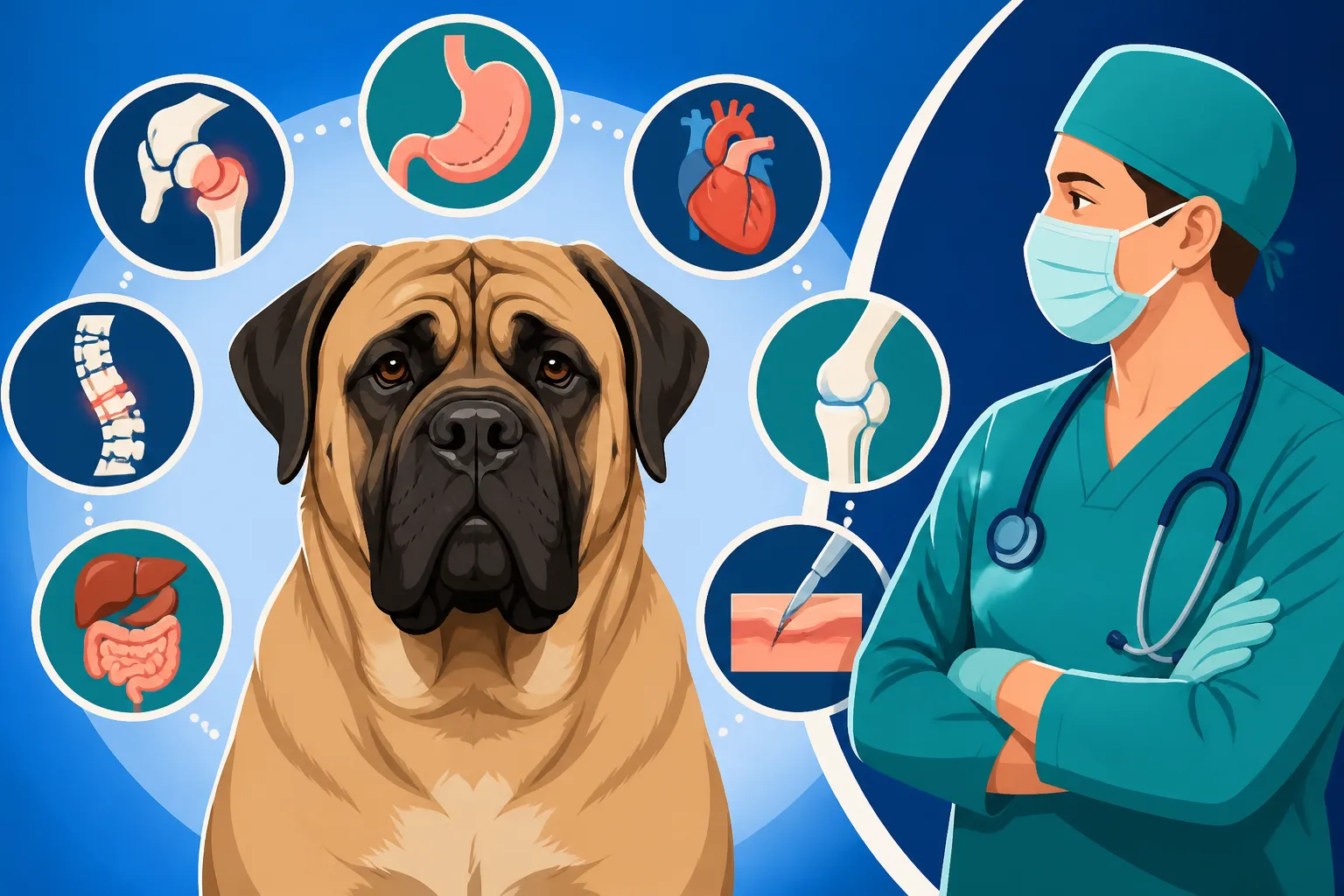
Bringing a Mastiff into your life is an incredible journey filled with immense love and companionship, but it also means facing the unique health challenges that come with such a magnificent giant breed. When serious health issues arise, especially those requiring surgery, the stakes are incredibly high due to their sheer size, specific anatomical considerations, and anesthesia risks. This guide will walk you through which surgical procedures in Mastiffs often benefit from, or even demand, the expertise of a veterinary specialist, helping you make the best decisions for your gentle giant.
When Orthopedic Issues Demand a Specialist's Touch
Orthopedic problems are sadly common in large and giant breeds like Mastiffs. Their immense weight puts incredible strain on their joints, and while your regular veterinarian is fantastic for routine care, some bone and joint surgeries require a level of precision and experience that only a board-certified veterinary orthopedic surgeon can truly provide. Trying to manage these complex cases without a specialist can often lead to less optimal outcomes or even require costly revision surgeries down the line.
Hip and Elbow Dysplasia: More Than Just an X-Ray
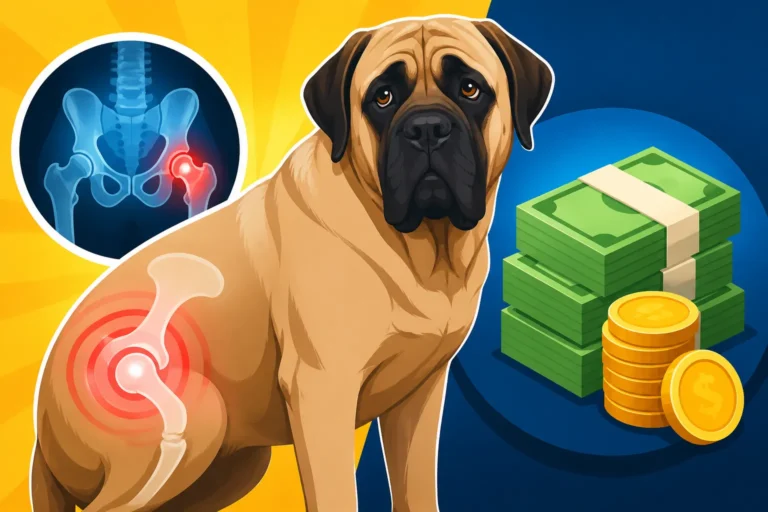
Hip and elbow dysplasia are devastating conditions that can severely impact a Mastiff's quality of life. These aren't just simple aches and pains; they involve abnormal development of the hip or elbow joints, leading to instability, pain, and crippling arthritis. While diagnosis often starts with your family vet taking X-rays, the decision about the best surgical intervention is where a specialist truly shines.
For hip dysplasia, options can range from a Triple Pelvic Osteotomy (TPO) for younger dogs with good joint congruence, to a Femoral Head Ostectomy (FHO) for pain relief in certain cases, or even a total hip replacement (THR). Each of these procedures requires an intricate understanding of biomechanics and highly specialized surgical skills. A board-certified orthopedic surgeon has performed these surgeries countless times, using specialized implants and techniques that improve the chances of a successful outcome. They can assess the precise degree of dysplasia, the dog's age, and overall health to recommend the most appropriate and effective surgical approach. This can make all the difference in a Mastiff's long-term mobility and comfort. You might also be interested in learning about What Hip Surgery Costs on a Mastiff.
Similarly, elbow dysplasia can manifest in several ways, including fragmented coronoid processes, osteochondritis dissecans (OCD), or an ununited anconeal process. A specialist can accurately diagnose the specific type of elbow dysplasia and perform minimally invasive arthroscopic surgery to remove fragments or smooth cartilage, leading to better recovery times and less trauma to the joint. Given that Why One Mastiff in Seven Fails Its Elbow Grade is a concerning statistic, entrusting such a vital joint to an expert is a wise decision. These specialized facilities also typically have advanced imaging like CT scans, which can be crucial for pinpointing the exact issues in complex joints.
Cruciate Ligament Tears and Advanced Joint Repairs
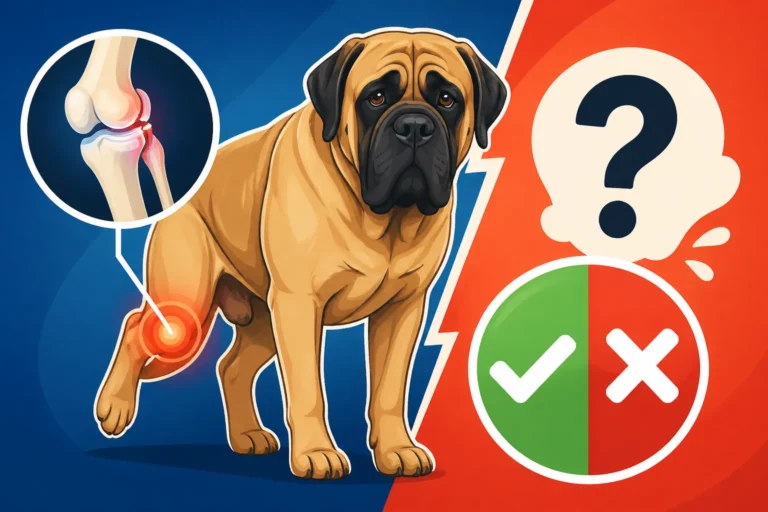
A torn cranial cruciate ligament (CCL), often compared to an ACL tear in humans, is another common orthopedic injury. While a general vet might attempt certain repair techniques, procedures like Tibial Plateau Leveling Osteotomy (TPLO) or Tibial Tuberosity Advancement (TTA) are considered the gold standard for large and giant breeds due to their superior stability and long-term success rates. These surgeries fundamentally change the mechanics of the knee joint to neutralize the forces that cause instability.
Imagine a 200-pound Mastiff trying to walk on a knee that isn't stable. The sheer force would quickly overwhelm a less robust repair. A board-certified orthopedic surgeon has specialized training in these complex osteotomy procedures, which involve cutting and repositioning bone. They use specific plates, screws, and equipment designed for the massive forces exerted by a Mastiff's body. Trying to determine Whether TPLO Surgery Suits a Two Hundred Pound Mastiff is a question best answered by someone who performs these surgeries routinely on dogs of that size. The nuances of bone healing, weight-bearing mechanics, and post-operative rehabilitation for a Mastiff are unique, and a specialist's guidance is invaluable here. Ensuring proper recovery is also critical for your Mastiff's ability to regain full function and avoid further complications.
Navigating Emergency and Complex Internal Surgeries
Emergencies can strike suddenly, and when they do, the immediate availability of advanced surgical expertise can be life-saving for a Mastiff. Beyond emergencies, certain internal procedures are inherently complex due to the Mastiff's anatomy and size, making a specialist's involvement a significant advantage.
The Urgency of Bloat and Gastric Dilatation-Volvulus (GDV)
Bloat, or Gastric Dilatation-Volvulus (GDV), is a terrifying and often fatal condition that every Mastiff owner dreads. It happens when the stomach fills with gas and then twists on itself, cutting off blood supply and leading to rapid shock and death. This is an absolute emergency. When your Mastiff is showing symptoms, you literally have hours, not days, to seek veterinary intervention. How Long a Bloating Mastiff Has Before Surgery is a crucial piece of information.
While some general veterinary practices can stabilize and perform the detorsion and gastropexy (suturing the stomach to the abdominal wall to prevent future twisting), a veterinary surgical specialist or an emergency veterinary hospital equipped for advanced care is often preferred. These facilities are staffed 24/7 with experienced surgical teams, anesthesiologists, and critical care specialists who are accustomed to handling the intense physiological stress a Mastiff undergoes during GDV. They have the specialized monitoring equipment, blood products, and post-operative care protocols specifically for giant breeds, which are vital for increasing the chances of survival. Knowing Whether a Mastiff Survives Bloat Surgery often comes down to the speed of intervention and the quality of care received. Considering Bloat in the Deepest Chest of Any Breed: the Mastiff, the sheer physical challenge of operating on such a deep-chested dog makes specialist expertise even more critical. Many owners opt for a prophylactic gastropexy, often at the time of neuter, to prevent GDV. This procedure, while less urgent, still benefits from a surgeon experienced in large breed anatomy.
Urinary Obstructions and Cystine Stone Removal
Intact male Mastiffs, in particular, are prone to a specific type of urinary stone called cystine stones due to a genetic condition known as Cystinuria Type III. These stones can cause partial or complete urethral obstruction, preventing the dog from urinating. A blocked urethra is a life-threatening emergency, as toxins quickly build up in the body. If you suspect your male Mastiff is struggling to urinate, understanding The Hours a Blocked Male Mastiff Has is critical – every minute counts.
While a general veterinarian can sometimes relieve the obstruction, complex or recurrent blockages, or the presence of large stones in the bladder or urethra, often necessitate the skills of a board-certified veterinary surgeon. These specialists can perform cystotomies (surgical removal of bladder stones) or urethrostomies (creating a permanent opening in the urethra) if the obstruction cannot be cleared non-surgically. Their expertise minimizes complications, ensures thorough removal of all stones, and provides a better long-term prognosis. Knowing What Stone Surgery Costs on a Mastiff might also make you appreciate the value of specialized care that ensures the best possible outcome for such a significant investment in your dog's health. Pet insurance providers like Healthy Paws can be lifesavers when these unexpected, complex surgeries arise, helping to cover a significant portion of the cost.
Whelping Complications Requiring Emergency C-Sections
For Mastiff breeders, whelping can be a joyous but also incredibly stressful time. Given the large size of Mastiff puppies and the potential for maternal inertia or complications, emergency C-sections are not uncommon. When a Mastiff goes into labor and struggles, a quick and efficient C-section is paramount for the survival of both mother and pups.
An emergency veterinary hospital or a specialty referral center with a dedicated surgical and obstetrics team is often the best choice. They are equipped to handle the urgent nature of the situation, have protocols for safe anesthesia for the mother, and can provide immediate care for the newborns. The surgical team will be adept at performing the C-section rapidly and safely, minimizing risks to the dam while maximizing the chances of successful resuscitation for the puppies. The cost of What an Emergency Mastiff Cesarean Runs Overnight can be substantial, underscoring the importance of having access to top-tier facilities when these critical moments occur.
Addressing Neurological and Specialized Soft Tissue Cases
Beyond orthopedic and internal emergencies, some neurological and soft tissue conditions in Mastiffs require the delicate touch and advanced understanding of specialists to ensure the best possible outcomes.
Degenerative Myelopathy and Wobbler Syndrome Interventions
Degenerative Myelopathy (DM) is a progressive neurological disease that affects the spinal cord, leading to weakness and paralysis in the hind limbs. While there is no cure, understanding What Degenerative Myelopathy Does to a Mastiff highlights the need for careful management. Surgical intervention isn't typically curative for DM itself, but it might be considered in cases where other concurrent spinal issues, such as intervertebral disc disease (IVDD), might be exacerbating symptoms or causing additional pain. A veterinary neurologist can accurately diagnose DM and differentiate it from other spinal cord issues that are treatable surgically.
Wobbler Syndrome (Cervical Spondylomyelopathy) is another complex neurological condition affecting the cervical (neck) spine, common in large and giant breeds. It leads to an unstable or compressed spinal cord, causing an unsteady gait and neck pain. Surgical options for Wobbler Syndrome are intricate and aimed at decompressing the spinal cord and stabilizing the vertebrae. These procedures, such as ventral slot decompression or dorsal laminectomy with distraction-stabilization, are incredibly delicate and require a profound understanding of spinal anatomy and neurosurgical techniques. Asking Whether a Mastiff's Neck Pain Means Wobblers is a critical first step, and if Wobbler Syndrome is diagnosed, a board-certified veterinary neurologist or neurosurgeon is absolutely essential. They use specialized imaging like MRI, microscopic surgical tools, and neuro-monitoring during surgery to achieve the most precise and safest outcome, which is crucial for a Mastiff's massive frame.
Complex Oncology and Reconstructive Surgeries
When a Mastiff is diagnosed with cancer, especially if it involves large tumors or requires extensive removal and reconstruction, a board-certified veterinary oncologist surgeon is the expert you need. Mastiffs are prone to certain cancers, including osteosarcoma (bone cancer) and lymphoma, and knowing Which Cancers Mastiffs Get can help you be vigilant.
Excising large tumors, particularly those in sensitive areas or those that involve significant soft tissue removal, requires meticulous planning to achieve clean margins while preserving function. A specialist has advanced training in surgical oncology principles, allowing them to perform wide resections, reconstructive flaps, or grafts to close large surgical defects. This is particularly important for Mastiffs, where the sheer volume of tissue involved can be substantial. For instance, removing a large soft tissue sarcoma from a Mastiff's leg requires not only removing the tumor but also ensuring enough healthy tissue remains for a functional closure, often preventing the need for more drastic measures like amputation. They also work closely with medical oncologists to provide a comprehensive treatment plan, often involving chemotherapy or radiation, for the best possible prognosis. These complex surgeries can be expensive, and having pet insurance like Healthy Paws can help manage the financial burden, allowing you to focus on your Mastiff's recovery.
The Added Value of a Veterinary Specialist
Choosing a veterinary specialist for complex Mastiff surgeries isn't just about the surgeon's hands-on skill; it's about the entire ecosystem of care.
Specialized Equipment and Facilities: Specialist centers are often equipped with advanced diagnostic tools like MRI, CT scans, and fluoroscopy, which offer detailed insights beyond standard X-rays. Their operating rooms are designed for complex procedures, with specialized anesthesia monitoring, surgical instruments, and intensive care units to manage giant breed patients.
Anesthesia Expertise: Why Anesthesia Is Riskier in a Mastiff is a serious concern. Their size, deep chests, and propensity for certain health issues (like cardiac conditions) make anesthesia more challenging. Specialist hospitals often have dedicated veterinary anesthesiologists who create tailored anesthesia protocols, closely monitor the patient throughout the procedure, and manage pain effectively, significantly reducing risks. This also ties into How Much Anesthetic a Two Hundred Pound Mastiff Takes, where precise dosing and monitoring are paramount.
Team Approach: A specialist doesn't work alone. They often collaborate with other specialists, such as internal medicine experts, physical therapists, and critical care veterinarians, to provide comprehensive pre-operative assessment, surgical execution, and post-operative rehabilitation. This multi-disciplinary approach ensures all aspects of your Mastiff's health are considered.
Post-Operative Care and Rehabilitation: Recovery from major surgery in a Mastiff is a marathon, not a sprint. Specialists and their teams are well-versed in managing pain, preventing complications, and guiding rehabilitation for giant breeds. They can recommend specific exercises, hydrotherapy, or other modalities to help your Mastiff regain strength and mobility.
While the thought of specialist referral can be daunting, both in terms of logistics and cost, the peace of mind and the improved outcomes for your beloved Mastiff are often well worth it. Companies like Healthy Paws often cover specialist visits and surgeries, making these critical decisions more accessible.
Here’s a quick overview of common Mastiff surgeries and when a specialist is typically recommended:
| Surgery Type | General Vet (Typically) | Specialist (Strongly Recommended/Needed) | Key Considerations for Mastiffs |
|---|---|---|---|
| Routine Spay/Neuter | Yes | No (unless complications) | Anesthesia risk due to size, often done at same time as gastropexy |
| Minor Wound Repair | Yes | No | Large body surface area, potential for skin folds |
| Mass/Lump Removal (Small, Superficial) | Yes | No | Always aspirate first to rule out malignancy |
| Gastropexy (Prophylactic) | Sometimes | Yes (preferred by many) | Prevents GDV, better done by experienced surgeon for giant breeds |
| Bloat (GDV) Surgery | Sometimes | Yes (Emergency/Critical Care Surgeon) | Life-threatening emergency, requires immediate, skilled intervention |
| Hip Dysplasia (TPO, THR) | No | Yes (Orthopedic Surgeon) | Complex joint reconstruction, high biomechanical demands |
| Elbow Dysplasia (Arthroscopy, FCP) | No | Yes (Orthopedic Surgeon) | Delicate joint surgery, need for precision and specialized tools |
| CCL Tear (TPLO, TTA) | No | Yes (Orthopedic Surgeon) | High forces on knee, requires advanced osteotomy techniques |
| Complex Fracture Repair | No | Yes (Orthopedic Surgeon) | Significant bone and muscle mass, specialized plating required |
| Urinary Stone Removal (Cystotomy) | Sometimes | Yes (Soft Tissue Surgeon/Urologist) | Large stones, recurrent issues, or urethral obstructions |
| Emergency C-Section | Sometimes | Yes (Emergency/Soft Tissue Surgeon) | Time-sensitive for dam and pups, skilled anesthesia |
| Degenerative Myelopathy (Spinal Decompression) | No | Yes (Neurologist/Neurosurgeon) | Only if other treatable spinal issues are present |
| Wobbler Syndrome Surgery | No | Yes (Neurologist/Neurosurgeon) | Delicate spinal cord decompression and stabilization |
| Complex Cancer Resection | No | Yes (Surgical Oncologist) | Requires wide margins, potential for reconstructive surgery |
| Ocular Surgery (e.g., Entropion, Ectropion) | Sometimes | Yes (Ophthalmologist) | Delicate eye structures, aesthetic and functional outcomes |
Ultimately, the decision to see a specialist often comes down to the complexity of the condition, the potential risks involved, and the desire for the best possible long-term outcome for your Mastiff. Your regular vet can certainly advise you and provide a referral, but don't hesitate to advocate for specialized care when your gentle giant needs it most.
Disclaimer
This article is intended for informational purposes only and does not constitute veterinary medical advice. Always consult with a qualified veterinarian for any health concerns or before making any decisions about your Mastiff's care, especially regarding surgical procedures.