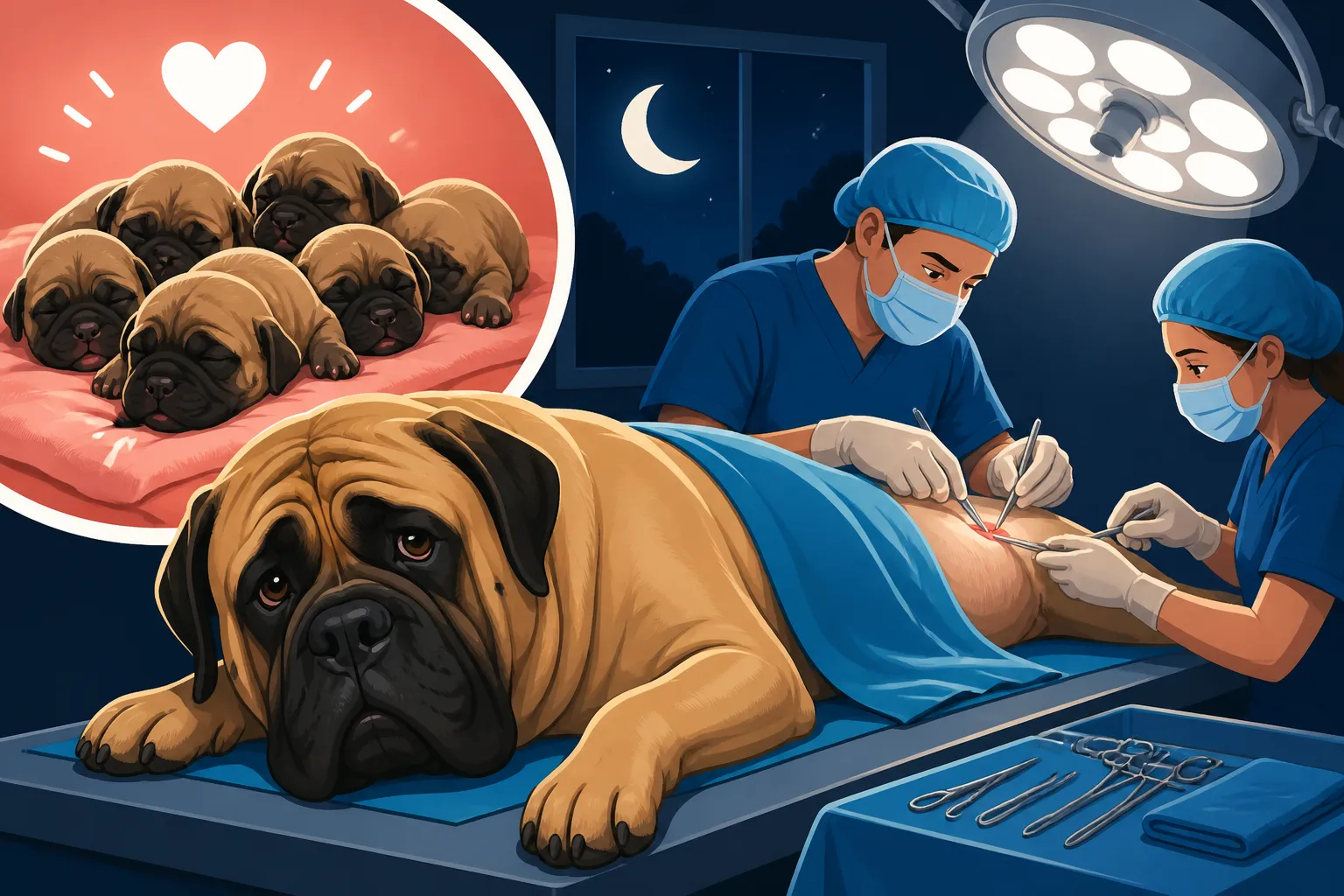
What an Emergency Mastiff Cesarean Runs Overnight
The moment you realize your beautiful, heavily pregnant Mastiff isn't progressing in labor, especially in the dead of night, is a terrifying experience. The fear for her life and the lives of her puppies is overwhelming, and often, the only solution is an emergency Cesarean section. This guide aims to demystify the financial realities of what an emergency Mastiff C-section can cost overnight, walking you through the typical components of the bill and how you can prepare for such an unexpected, yet critical, expense.
The Harsh Reality of Mastiff Whelping Complications
Bringing a litter of Mastiff puppies into the world is an exciting time, but it's also fraught with potential complications. These magnificent giants, for all their strength and stoicism, are often prone to difficulties during whelping, necessitating veterinary intervention that can escalate quickly into an emergency. Understanding why these issues arise and recognizing the signs is the first step in being a responsible Mastiff breeder or owner.
Why Mastiffs Face Whelping Difficulties
Mastiffs are a large, heavy-boned breed, and while this contributes to their impressive stature, it can also lead to unique challenges during childbirth. One common issue is uterine inertia, where the uterus simply doesn't contract effectively enough to push the puppies out. This can be primary, meaning labor never really gets going, or secondary, where the uterus tires out after some initial contractions. The sheer size of the puppies can also play a role, making passage through the birth canal more difficult, sometimes due to a puppy being too large or positioned incorrectly.
Beyond the physical mechanics, genetic predispositions can sometimes factor in. Responsible breeders strive to minimize these risks through careful selection, but nature can still throw curveballs. The metabolic demands on a large female Mastiff during pregnancy and labor are immense, and sometimes their bodies simply can't keep up, leading to exhaustion and a stalled labor. It’s a stark reminder that even with the best planning, complications can arise, highlighting why knowing How Often a Mastiff Whelps Without Surgery is so important.
Recognizing the Signs of Trouble
As an owner or breeder, being vigilant during your Mastiff's labor is paramount. There are several key indicators that suggest an emergency C-section might be necessary. If your Mastiff has been in active labor for more than 12 hours with no puppies, or if she's had strong, consistent contractions for over an hour without producing a puppy, these are immediate red flags. Foul-smelling discharge, excessive bleeding, or signs of extreme pain or distress (like constant panting, crying, or collapse) also warrant urgent veterinary attention.
Another critical sign is a prolonged interval between puppies. While it's normal for a Mastiff to rest for up to an hour or two between puppies, any longer than that, especially if she's still having contractions, indicates a problem. If you know how many puppies she’s carrying from an ultrasound and she appears to have stopped delivering, but you suspect there are more, it's time to call the emergency vet. Early recognition of these symptoms can make all the difference in the outcome for both the dam and her offspring.
The Urgency of an Overnight Emergency
Whelping complications rarely adhere to convenient business hours, and often strike in the middle of the night. This immediately elevates the situation to an emergency, meaning you'll be seeking care at an emergency veterinary clinic or an after-hours service. These facilities are staffed 24/7 and equipped for critical care, but this specialized availability comes at a premium. The urgency is not just about the dam's comfort; puppies can quickly become deprived of oxygen or nutrients if labor stalls, increasing the risk of stillbirths or puppies with compromised health.
The decision to proceed with an emergency C-section is often made quickly by the veterinary team once a thorough assessment confirms the need. They understand the narrow window of opportunity to save both mother and pups. This pressing need means immediate action, often bypassing some of the standard pre-surgical protocols you might encounter during a planned, elective procedure. It’s a high-stakes scenario where every minute counts, making the prompt availability of expert care invaluable, even if it adds to the financial burden.
Deconstructing the Cost: What Goes Into an Emergency C-Section Bill
When faced with an emergency C-section, the costs can be daunting, but understanding what you're paying for can help process the bill. These procedures involve a significant amount of specialized veterinary care, from the initial assessment to the post-operative recovery of both mother and puppies. The size and complexity of a Mastiff only add to the layers of expense, as everything from medication dosages to the equipment needed must be scaled up.
Initial Examination and Diagnostics
Before any surgery, the veterinary team needs to understand the full scope of the problem. This begins with an emergency examination, which is typically more expensive than a routine check-up due to the urgent nature and after-hours staffing. They'll assess your Mastiff's vital signs, hydration, and overall condition. X-rays are almost always necessary to determine the number, size, and position of the remaining puppies, and to see if any are impacted or too large to pass naturally. An ultrasound might also be performed to assess the viability of the puppies and the mother's uterine health.
Blood work is crucial to evaluate the dam's overall health, check for infections, and ensure she can safely undergo anesthesia. This often includes a complete blood count (CBC) and a biochemistry panel to check organ function. Given that Why Anesthesia Is Riskier in a Mastiff, comprehensive pre-anesthetic bloodwork is even more vital. All these diagnostic steps, performed rapidly under emergency conditions, contribute significantly to the initial part of the bill, setting the stage for the surgical intervention.
Surgical Fees and Anesthesia
The core of the expense for an emergency C-section lies in the surgery itself. This fee covers the veterinary surgeon's time and expertise, as well as the surgical suite, sterile equipment, and surgical supplies. For a Mastiff, the surgical team might be larger, and the procedure potentially more challenging due to her size and the depth of the surgical field. The staff needed to assist during the surgery, including veterinary technicians to monitor anesthesia and handle the newborn puppies, also factor into this cost.
Anesthesia for a Mastiff is a complex and often lengthier process. How Much Anesthetic a Two Hundred Pound Mastiff Takes is substantially more than a smaller dog, and the monitoring required is intense. A dedicated technician will continuously monitor heart rate, respiration, blood pressure, oxygen saturation, and temperature throughout the procedure. This meticulous oversight is critical for the safety of both the mother and the developing puppies, as complications under anesthesia can be particularly dangerous for giant breeds. The drugs themselves, scaled up for a Mastiff’s body weight, also add to the expense.
Post-Operative Care for Mom and Pups
The care doesn't stop once the puppies are delivered. The mother Mastiff requires extensive post-operative monitoring as she recovers from anesthesia and surgery. This includes pain management, antibiotics to prevent infection, and intravenous fluids to maintain hydration. She'll need a comfortable, spacious recovery area, and potentially ongoing observation by staff for several hours, especially overnight. Her puppies also require immediate attention: cleaning, warming, stimulating, and ensuring they begin nursing.
Each puppy will be examined for any immediate health concerns, and the veterinary staff will help facilitate their first nursing attempts. This labor-intensive post-surgical and neonatal care, particularly for a large litter, contributes significantly to the final bill. Many clinics will keep the dam and puppies for at least 12-24 hours to ensure they are stable and thriving before discharge. The cost of What Post Surgical Monitoring Costs on a Mastiff is not just for the mother but for the entire new family.
Here's a breakdown of potential cost components you might encounter:
| Service Category | Typical Components Included | Notes for Mastiffs |
|---|---|---|
| Emergency Exam & Diagnostics | After-hours exam fee, X-rays, Ultrasound, Bloodwork (CBC, Chemistry), Pre-anesthetic meds | Higher emergency fees, larger doses for sedatives, specialized equipment may be needed for imaging a giant breed. |
| Surgical Procedure | Surgeon's fee, Anesthesia (drugs, monitoring), Surgical suite/materials, Staff time | Longer surgery time, higher anesthetic doses, specialized lifting equipment, increased staff for recovery of dam and large litter. |
| Post-Operative Care (Dam) | Hospitalization (overnight), Pain medication, Antibiotics, IV fluids, Bandages/dressings | Larger kennel space, higher medication dosages, more intensive monitoring due to size and surgical recovery. |
| Neonatal Care (Puppies) | Initial assessment, Warming, Stimulation, Feeding assistance, Supplemental oxygen (if needed) | Care for potentially numerous puppies, requiring dedicated staff attention, especially if any are struggling. |
| Medications to go Home | Oral pain relievers, Antibiotics for dam | Larger supply of medications for a Mastiff's weight. |
Mitigating the Financial Blow: Planning and Support
The sticker shock of an emergency Mastiff C-section can be substantial, often running into several thousands of dollars, particularly for an overnight procedure. While you can't always prevent an emergency, there are concrete steps you can take to soften the financial impact and ensure you're prepared for the unexpected when you own such a magnificent breed.
The Role of Pet Insurance
Pet insurance can be an absolute lifesaver when an emergency C-section occurs. While some policies might have exclusions or waiting periods for breeding-related conditions, many comprehensive plans will cover emergency interventions like a C-section if it's deemed medically necessary and not an elective procedure. It's crucial to read policy details carefully and confirm coverage before your Mastiff is bred. Companies like Healthy Paws are known for their comprehensive coverage options, but it’s always best to get a specific quote and clarification on breeding-related emergency care.
Having pet insurance in place before breeding significantly reduces the out-of-pocket expense in a crisis. Instead of facing a multi-thousand-dollar bill directly, you'd typically pay a deductible and then a percentage of the remaining costs, with the insurer covering the rest up to your policy limits. This foresight can prevent you from having to make agonizing decisions based purely on finances during an already stressful time. For Mastiff owners, understanding Whether Pet Insurance Covers a Mastiff's Elbows or other breed-specific issues should also inform your choice of policy.
Breeder Preparedness and Contingency Funds
For responsible Mastiff breeders, preparing for potential whelping complications is part of the job. This includes not only having a relationship with an experienced reproductive vet but also setting aside a dedicated contingency fund. This fund should be substantial enough to cover an emergency C-section and any subsequent care for the dam and puppies. Many experienced breeders budget for a C-section for every litter, even if they hope they never need it, knowing the high costs associated with their chosen breed.
Think of it as an essential part of the cost of doing business when breeding Mastiffs. How Much a Mastiff Owner Should Bank Each Month isn't just for routine care; it absolutely needs to include a buffer for emergencies like this. Beyond financial preparation, having emergency contact numbers readily available, knowing the quickest route to an emergency vet that can handle a giant breed, and even having a large enough vehicle to transport a heavily pregnant or recovering Mastiff are all parts of responsible preparedness. Knowing How Often a Mastiff Whelps Without Surgery is often less than ideal drives this level of caution.
Exploring Payment Options
Even with insurance or a savings fund, an emergency C-section can still be a significant financial strain. If you find yourself in this situation, don't hesitate to discuss payment options with the veterinary clinic. Many emergency hospitals offer payment plans through third-party credit services like CareCredit, which provides deferred interest or low-interest payment options for veterinary expenses. It's like having a dedicated credit card just for healthcare, and it can be a lifesaver when you need immediate care but can't cover the full cost upfront.
Some clinics might also allow you to pay in installments directly, though this is less common for emergency services. Additionally, many Mastiff breed clubs and rescues have emergency funds or can offer guidance on financial aid resources, though these are typically for unforeseen illness or injury rather than planned breeding complications. Looking into options for specialized dietary needs post-surgery, perhaps through services like Ollie for fresh food or Chewy for recovery supplies, might also be worth considering, as they could sometimes offer subscription flexibility that helps budget. Always communicate openly with your vet about your financial concerns and explore all available avenues.
Long-Term Impact and Future Considerations
An emergency C-section is a major event, and its impact extends beyond the immediate surgical recovery. For both the Mastiff dam and the breeder, there are important long-term considerations regarding her health, future breeding decisions, and the ongoing care of the new litter.
Recovery and Follow-Up Care
The dam's recovery after an emergency C-section requires diligent care. She'll need a quiet, comfortable space to recuperate, free from excessive stress. Her incision site must be monitored daily for any signs of infection, swelling, or opening, and she'll likely need to wear an Elizabethan collar or recovery suit to prevent her from licking the stitches. Pain management will continue for several days post-surgery, and antibiotics will be administered as prescribed to ward off potential infections.
Beyond the physical recovery, her role as a new mother begins immediately. She'll be nursing a litter of demanding Mastiff puppies, which can be exhausting for a dog recovering from major abdominal surgery. Ensuring she has ample, high-quality nutrition is critical for both her healing and milk production. Follow-up vet visits are essential to check her incision, ensure she's healing well, and confirm the puppies are thriving. Remember, Caring for a Mastiff Past Five often involves managing chronic conditions, and a C-section can add to her body’s wear and tear.
Impact on Future Breeding Decisions
An emergency C-section can significantly influence decisions about future breeding. Many veterinarians will advise against breeding a Mastiff again if she has experienced significant complications or repeated C-sections. The surgery itself carries risks, and subsequent pregnancies could lead to similar or even more severe issues. Each surgery also creates scar tissue, which can potentially complicate future deliveries.
Breeders must weigh the health and well-being of their dam above all else. While a particular Mastiff might have excellent genetics, if she consistently requires emergency intervention for whelping, it's a strong indication that she may not be suitable for future breeding. This is a difficult decision but a responsible one, prioritizing the dam's welfare and the health of future litters over genetic lineage alone. It's a key part of the larger conversation around why a Mastiff is removed from breeding for health reasons.
Disclaimer
This article is for general informational purposes only and does not constitute professional advice. Laws, prices and regulations vary by location and change over time. Consult a qualified professional for guidance on your specific situation.