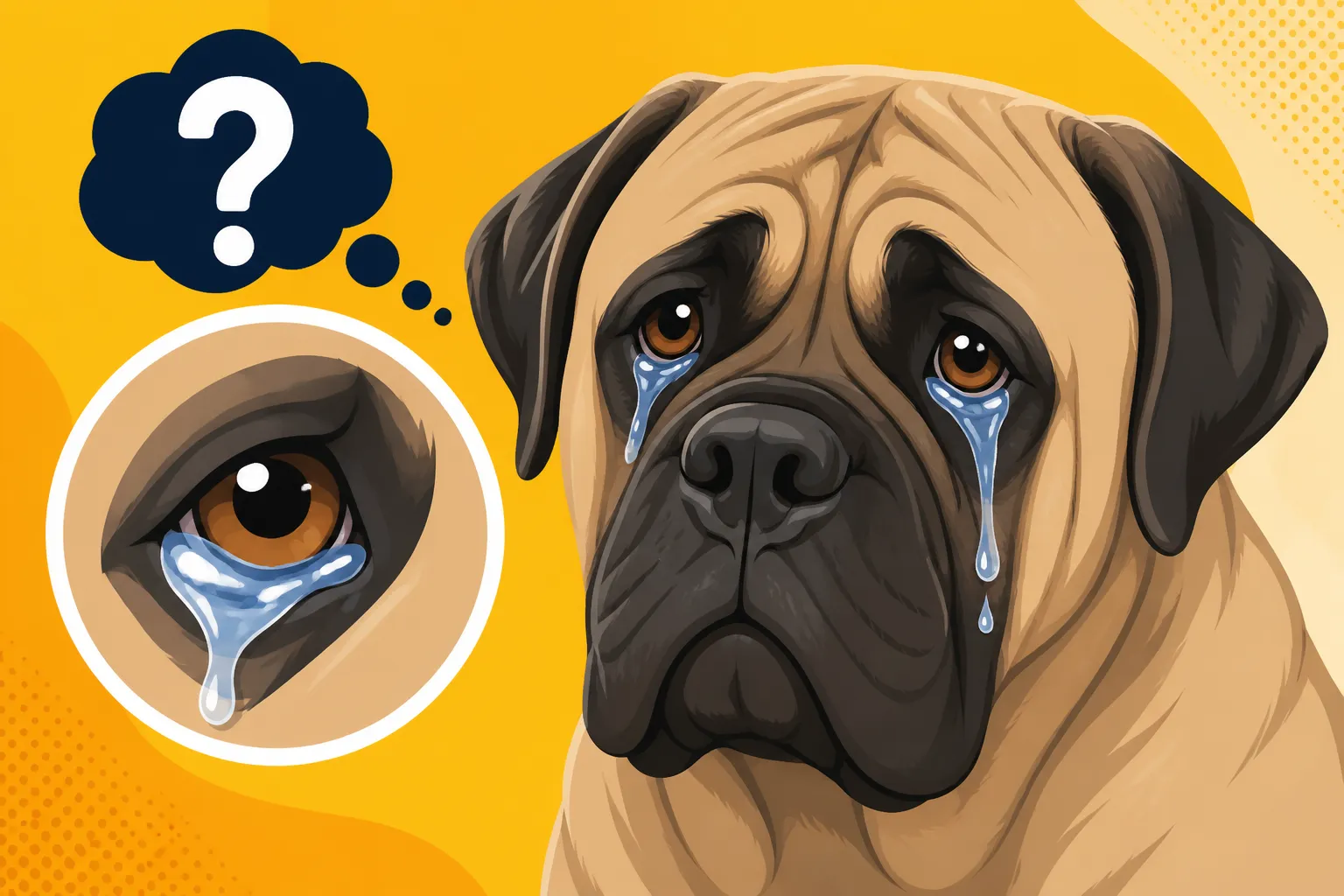
Whether a Mastiff’s Eyes Water Constantly
It’s incredibly disheartening when you look at your beloved Mastiff and see their beautiful, soulful eyes constantly streaming with tears. You might wonder if this constant dampness, the stained fur, and perhaps even some redness, is just "a Mastiff thing," or if it's a sign that something is truly bothering them. This guide is here to unravel the mystery of watery eyes in Mastiffs, helping you understand the common causes and what steps you can take to bring your giant companion comfort and clearer vision.
Understanding Normal Tear Production Versus Excessive Watering
First, let's clear up a common misconception: some tearing is perfectly normal for dogs, just as it is for us. Tears are essential for keeping the eyes lubricated, healthy, and free from minor irritants. They form a protective film that nourishes the cornea and washes away dust, pollen, and other tiny particles. The tears then drain away through small ducts located in the corners of their eyes, near the nose.
However, when you're consistently seeing wetness, staining, or a continuous flow of tears down your Mastiff's face, we're moving beyond normal tear production into the realm of epiphora, or excessive watering. This isn't just an aesthetic issue; it can be a symptom of discomfort, pain, or an underlying health problem that needs attention. The sheer size of a Mastiff, with their often prominent eyes and significant facial folds, can sometimes make them more prone to certain conditions that lead to this watery predicament. It's easy to dismiss it as part of their breed characteristics, but that's a mistake we don't want to make with our gentle giants.
Common Causes of Constant Eye Watering in Mastiffs
When a Mastiff's eyes are watering constantly, it's rarely without a reason. Their unique facial structure, combined with potential genetic predispositions and environmental factors, can lead to a variety of issues. It's crucial not to just wipe it away and hope for the best, because many of these conditions can worsen over time if left unaddressed, leading to more serious problems or chronic discomfort for your dog.
Eyelid Abnormalities Like Entropion and Ectropion
Mastiffs are well-known for their majestic, often droopy, facial features, which can unfortunately predispose them to certain eyelid issues. These aren't just cosmetic; they can directly impact eye health.
- Entropion: This is a condition where the eyelid, usually the lower one, rolls inward towards the eyeball. Imagine having your eyelashes constantly rubbing against the delicate surface of your eye – that's what your Mastiff experiences. This constant irritation from the hair causes excessive tearing as the eye tries to flush out the irritant, but it also leads to redness, discomfort, and can eventually cause corneal ulcers or scarring if not corrected. The deep-set eyes and loose skin around the face that gives the Mastiff their distinctive look can contribute to this inward rolling. If you notice your Mastiff blinking excessively, squinting, or pawing at their eyes, along with the watering, entropion might be the culprit. Surgical correction is often necessary to alleviate the irritation and prevent long-term damage, and it's a procedure that many pet insurance providers like Healthy Paws can help with the costs of. For more detail on these specific conditions, you might want to read about Entropion and Ectropion in a Mastiff.
- Ectropion: The opposite of entropion, ectropion occurs when the eyelid rolls outward, exposing the delicate conjunctiva (the pink membrane lining the eyelid) and the lower part of the eye. While it doesn't cause the painful rubbing of entropion, an outwardly rolled eyelid can't protect the eye effectively. This leads to increased exposure to dust, wind, and allergens, causing dryness in some areas and excessive tearing in others as the eye tries to compensate. It also creates a "pocket" where debris and irritants can easily collect, leading to irritation and potential infection. Again, the Mastiff's loose skin can be a factor. Mild cases might be managed with lubricating eye drops and diligent cleaning, but more severe cases often require surgical intervention to restore proper eyelid function.
Allergies and Environmental Irritants
Just like people, Mastiffs can suffer from allergies, and one of the most common ways these manifest is through irritated, watery eyes.
- Pollen and Dust: Environmental allergens like pollen, dust mites, and even certain grasses can trigger an allergic reaction in your Mastiff. Their eyes might become itchy, red, and water profusely as their body tries to flush out the offending particles. You might also notice other allergy symptoms like skin itching, paw licking, or sneezing. Keeping your Mastiff's living environment clean, wiping their face after outdoor excursions, and sometimes even allergy medications prescribed by your vet can help manage these symptoms.
- Household Products and Smoke: Think about what your Mastiff is exposed to indoors. Air fresheners, cleaning sprays, carpet powders, and even secondhand smoke can act as irritants, causing their eyes to water. If you notice the watering is worse after you've cleaned the house or if someone has been smoking nearby, these could be significant clues. Opting for natural, unscented cleaning products and ensuring good ventilation can make a big difference for your Mastiff's sensitive eyes.
Blocked or Malformed Tear Ducts
The tear drainage system in dogs is quite delicate, and problems with it can definitely lead to a perpetually soggy face.
- Dacryocystitis (Blocked Tear Ducts): Sometimes, the small puncta (the openings to the tear ducts) or the ducts themselves can become blocked. This blockage can be due to inflammation, infection, debris, or even scar tissue. When tears can't drain properly, they simply overflow onto the face. You might see a thick, mucoid discharge along with the constant watering, and the area can become red and sore. A vet can often diagnose this by flushing the tear ducts or performing a special dye test. Treatment usually involves flushing the ducts under sedation, and sometimes antibiotics if an infection is present. This is another area where veterinary costs can add up, making pet insurance, such as a plan from Healthy Paws, a thoughtful consideration for Mastiff owners.
- Imperforate Puncta: In some cases, a Mastiff might be born with tear duct openings that never fully formed, or are completely absent. This is a congenital condition that obviously prevents tears from draining from day one, leading to chronic epiphora from a young age. This condition typically requires surgical correction to create or open the puncta, allowing tears to drain normally. It’s another example of a significant veterinary procedure that, while necessary, carries a considerable expense.
Infections and Inflammation
Eye infections are a common culprit behind excessive tearing, often accompanied by other tell-tale signs.
- Conjunctivitis: This is an inflammation of the conjunctiva, the protective membrane lining the inside of the eyelids and covering the white part of the eye. It can be caused by bacteria, viruses, allergies, or irritants. Symptoms include redness, swelling, discharge (clear, yellow, or green), and of course, excessive watering. Your Mastiff might also squint or rub their eyes. Treatment depends on the cause but often involves medicated eye drops or oint. It’s important to get a vet’s diagnosis, as treating bacterial conjunctivitis with an antiviral, for example, won't help.
- Corneal Ulcers: A corneal ulcer is an open sore on the surface of the eye. These are incredibly painful and can lead to severe complications, including vision loss, if not treated promptly. They can be caused by trauma (a scratch from a thorn, another dog's claw), severe dry eye, or even persistent irritation from conditions like entropion. The eye will water profusely, often appear cloudy, and your Mastiff will likely squint, hold the eye shut, or paw at it. This is an emergency and requires immediate veterinary attention. You might learn more about related eye conditions by reading Eye and Eyelid Disease in a Mastiff.
Foreign Bodies and Irritants
Sometimes, the simplest explanation is the right one – something is just stuck in their eye.
- Dust, Debris, and Plant Matter: A tiny speck of dust, a stray eyelash, a grass seed, or even a piece of grit can become lodged in your Mastiff's eye, causing significant irritation and a flood of tears as the eye tries to wash it out. If you suspect a foreign body, observe carefully. If you can see it and it looks minor, a gentle flush with sterile saline might help. However, if it's deeply embedded, or if the eye remains irritated after flushing, a vet visit is essential to prevent corneal damage.
- Chemical Exposure: Accidental splashes of shampoo during a bath, household cleaning products, or even an errant spray from an aerosol can irritate the eye and cause immediate, profuse watering. Always rinse the eye thoroughly with plain water or saline if this happens and consult your vet if irritation persists.
Diagnosis and Veterinary Care for Watery Mastiff Eyes
When you notice your Mastiff's eyes watering persistently, it's always best to consult your veterinarian. Early diagnosis and treatment can prevent minor issues from becoming major, painful problems. Don’t try to self-diagnose or treat with over-the-counter remedies without professional advice, as you could inadvertently worsen the situation.
The Veterinary Examination Process
When you take your Mastiff to the vet for watery eyes, they'll perform a thorough examination to pinpoint the cause. This isn't just a quick glance; it involves several steps to gather all the necessary information.
- General Ocular Exam: The vet will visually inspect your Mastiff's eyes, eyelids, eyelashes, and the surrounding facial structures. They’ll look for obvious signs like redness, swelling, discharge color and consistency, and any visible foreign bodies. They'll also check for any signs of entropion or ectropion, which are often immediately apparent in a Mastiff's conformation.
- Schirmer Tear Test: This simple test measures tear production. A small strip of filter paper is placed inside the lower eyelid for a minute, and the amount of moisture absorbed is measured. This helps determine if the eye is producing too many tears (often in response to irritation) or too few (which can lead to dry eye, and ironically, reflex tearing).
- Fluorescein Stain Test: A special orange dye is applied to the eye. If there's an abrasion or ulcer on the cornea, the dye will stick to the damaged area and glow green under a blue light. This test is crucial for detecting corneal ulcers, which are painful and require immediate treatment.
- Tear Duct Flushing: If a blocked tear duct is suspected, the vet may attempt to flush the tear ducts with a sterile saline solution. This procedure often requires sedation, especially for a large dog like a Mastiff, to ensure cooperation and prevent injury.
- Tonometry: This test measures the intraocular pressure (IOP) of the eye. It's used to check for glaucoma, a painful condition that can also cause watery eyes, although it’s less common as a primary cause of chronic epiphora compared to other issues in Mastiffs.
- Swabs and Cultures: If an infection is suspected, the vet might take a swab of the eye discharge to send to a lab for culture and sensitivity testing. This identifies the specific type of bacteria or fungus present and determines which antibiotics will be most effective.
Treatment Options for Various Conditions
Once a diagnosis is made, your vet will recommend a treatment plan tailored to your Mastiff's specific condition.
- Medicated Eye Drops or Ointments: For infections or inflammation, antibiotic, antiviral, or anti-inflammatory eye drops/ointments are commonly prescribed. It's vital to administer these as directed, even if the eye appears to improve quickly.
- Oral Medications: In cases of severe allergies, systemic infections, or significant inflammation, oral medications such as antihistamines, anti-inflammatories, or antibiotics might be prescribed in addition to topical treatments.
- Surgical Correction: For structural problems like entropion, ectropion, or imperforate puncta, surgery is often the definitive solution. These procedures are typically highly successful in resolving the constant watering and preventing future complications. Remember, the cost of such surgeries can be substantial, and having pet insurance like Healthy Paws can significantly ease the financial burden, allowing you to focus on your Mastiff's recovery. You might also be interested in Whether a Mastiff Needs Eyelid Surgery for more on this topic.
- Management of Underlying Conditions: If the watering is secondary to another health issue, such as a systemic allergy or another disease process, treating that primary condition will be key to resolving the eye symptoms.
Home Care and Prevention Tips
While professional veterinary care is paramount for diagnosing and treating the root cause of watery eyes, there are several things you can do at home to help keep your Mastiff's eyes healthy and comfortable, and potentially prevent some issues from even starting.
Regular Cleaning and Hygiene
Diligent home care plays a huge role, especially for a breed with such characteristic facial features.
- Gentle Wiping: Regularly and gently wipe away excess tears and discharge from around your Mastiff's eyes using a soft, clean cloth or a sterile cotton pad dampened with warm water or a vet-approved eye wash. Pay special attention to the deep wrinkles and folds around their eyes and nose, as moisture and debris can accumulate there, leading to skin irritation and infections. This is also key for preventing tear staining, which can become quite prominent on lighter-colored Mastiffs.
- Keeping Folds Dry: After cleaning, ensure the skin folds are thoroughly but gently dried. Moisture trapped in these areas creates a perfect breeding ground for yeast and bacteria, leading to unsightly and uncomfortable skin fold dermatitis. You can use a clean, soft towel or even a low-setting hairdryer (held far away!) to ensure dryness. This kind of routine care is something you'll want to integrate, just like cleaning The Wrinkles and Folds a Mastiff Owner Cleans Every Week.
- Trimming Hair Around Eyes: If your Mastiff has long hair around their eyes that constantly irritates the eyeball, consider carefully trimming it. If you're unsure how to do this safely, ask your vet or a professional groomer to demonstrate. Always use blunt-nosed scissors and be extremely cautious.
Environmental Management
Controlling your Mastiff's environment can drastically reduce exposure to common irritants.
- Dust Control: Keep your home as dust-free as possible. Regular vacuuming (with a HEPA filter, if possible) and dusting can reduce airborne irritants. Consider an air purifier, especially in rooms where your Mastiff spends most of their time.
- Allergen Avoidance: If you suspect specific outdoor allergens (like pollen), try to limit outdoor exposure during peak pollen times. Wipe your Mastiff’s face and paws after walks to remove pollen. Inside, avoid harsh chemical cleaners, strong air fresheners, or smoking, all of which can irritate sensitive eyes.
- Protect from Wind and Debris: When traveling in a car, don't let your Mastiff stick their head out the window, as wind and flying debris can cause significant eye irritation or injury. If you have an outdoor Mastiff run, ensure it's free of sharp branches or anything that could poke an eye.
Nutritional Support
A well-balanced diet contributes to overall health, including eye health.
- High-Quality Diet: Feed your Mastiff a high-quality, complete, and balanced diet appropriate for their life stage and size. Nutritional deficiencies can sometimes impact ocular health, though it’s less common for constant watering than other issues.
- Omega-3 Fatty Acids: Supplements like fish oil, rich in Omega-3 fatty acids, can support overall skin and coat health and may have anti-inflammatory benefits that could indirectly help with some allergy-related eye irritations. Always discuss any supplements with your vet first. If you're thinking about adding supplements to your Mastiff's regimen, it’s helpful to know What Fish Oil Costs a Mastiff Owner.
When to Seek Immediate Veterinary Attention
While some mild, occasional watering might resolve on its own, certain symptoms warrant immediate attention from your veterinarian. Never delay if you observe any of the following:
- Sudden Onset of Severe Watering: If your Mastiff's eye suddenly starts watering profusely, especially if it appears painful or the eye is held shut.
- Squinting or Pawing at the Eye: These are clear signs of pain or discomfort.
- Changes in Eye Appearance: Any cloudiness, visible injury to the eyeball, a change in pupil size, or a "film" over the eye.
- Thick or Colored Discharge: Yellow, green, or thick white discharge often indicates an infection.
- Swelling or Redness: Pronounced swelling of the eyelids or surrounding tissues, or intense redness of the white part of the eye.
- Vision Changes: If your Mastiff seems to be bumping into things or showing signs of vision impairment.
- Relentless Progression: If the watering worsens over 24-48 hours despite your best efforts at gentle cleaning.
In these situations, time is of the essence. Delaying veterinary care could lead to irreversible damage or prolonged pain for your Mastiff. It's during these unexpected emergencies that the value of pet insurance from a provider like Healthy Paws truly shines, helping to manage the unexpected costs of diagnostics and urgent treatment. Thinking ahead about your Mastiff’s potential health needs, like Caring for a Mastiff Past Five or understanding Why Anesthesia Is Riskier in a Mastiff, helps you prepare for their lifetime of care.
Living with a Mastiff Prone to Watery Eyes
For some Mastiffs, due to their unique conformation, a degree of eye moisture might be a lifelong characteristic, even after addressing underlying issues. This doesn't mean you give up; it means you learn to manage it effectively to ensure their comfort and prevent secondary problems.
Consistent Management and Monitoring
- Establish a Routine: Create a daily or twice-daily routine for cleaning your Mastiff's eyes and facial folds. Consistency is key to preventing buildup and irritation. Make it a positive experience with treats and praise, so your Mastiff tolerates it well.
- Monitor for Changes: Even if your Mastiff has chronic mild epiphora, continue to monitor for any changes in the amount or character of the discharge, increased redness, or signs of discomfort. Regular check-ups with your vet, including eye exams, are important to catch any developing issues early. You might even want to consider Whether a Mastiff Should Have a Yearly Eye Exam.
- Be Patient and Empathetic: Remember that if your Mastiff's eyes are watering, they are likely experiencing some level of discomfort or irritation. Be patient during cleaning and treatment, and always approach them with kindness and understanding. Your Mastiff depends on you for their well-being, and addressing their watery eyes is a vital part of that care.
Caring for a Mastiff means understanding their unique needs and being proactive about their health. While their soulful, sometimes watery, eyes are part of their charm, persistent watering is a signal that deserves your attention and your vet's expertise. By staying informed and diligent, you can ensure your gentle giant enjoys clear, comfortable vision throughout their precious years.
| Symptom | Possible Cause(s) | Action Required | Urgency (1-5, 5=Emergency) |
|---|---|---|---|
| Clear, constant watering | Ectropion, mild allergies, blocked tear ducts (early) | Vet visit, monitor | 2-3 |
| Redness, squinting, clear discharge | Entropion, foreign body, conjunctivitis, allergy | Vet visit | 3-4 |
| Yellow/Green discharge, redness, pain | Bacterial/viral infection, corneal ulcer (secondary) | IMMEDIATE Vet visit | 5 |
| Cloudiness, pain, eye held shut | Corneal ulcer, glaucoma | IMMEDIATE Vet visit | 5 |
| Swelling around eye/lid | Infection, allergic reaction, trauma | Vet visit, emergency if severe swelling | 3-5 |
| Chronic tear staining | Ectropion, blocked ducts, mild chronic irritation | Regular cleaning, vet consult | 1-2 |
Disclaimer
The information provided in this guide is for general educational purposes only and should not be considered a substitute for professional veterinary advice. Always consult with a qualified veterinarian for any health concerns or before making any decisions related to your Mastiff's care.