Why Mastiff Cystinuria Is Androgen Dependent
It’s a truly frightening moment when you realize your beloved Mastiff might be struggling with something as severe as kidney or bladder stones. The pain, the distress, the potential for a life-threatening blockage – it’s enough to make any owner's heart sink. When it comes to Mastiffs and a condition called cystinuria, there's a specific, often misunderstood, hormonal link that makes males particularly vulnerable. This guide will walk you through exactly why this genetic condition is so closely tied to male hormones, helping you understand the unique challenges and the best paths forward for your gentle giant.
Understanding Cystinuria in Mastiffs: More Than Just a Kidney Stone
Cystinuria isn't just a simple kidney stone issue; it's a complex, inherited metabolic disorder that profoundly affects how a dog's kidneys process a specific amino acid. For Mastiff owners, understanding this nuance is critical because our big dogs face unique challenges with this condition. The sheer size of a Mastiff means that even a small blockage can quickly become a massive, life-threatening emergency, demanding immediate and often costly veterinary intervention.
What is Cystinuria and How it Affects Mastiffs?
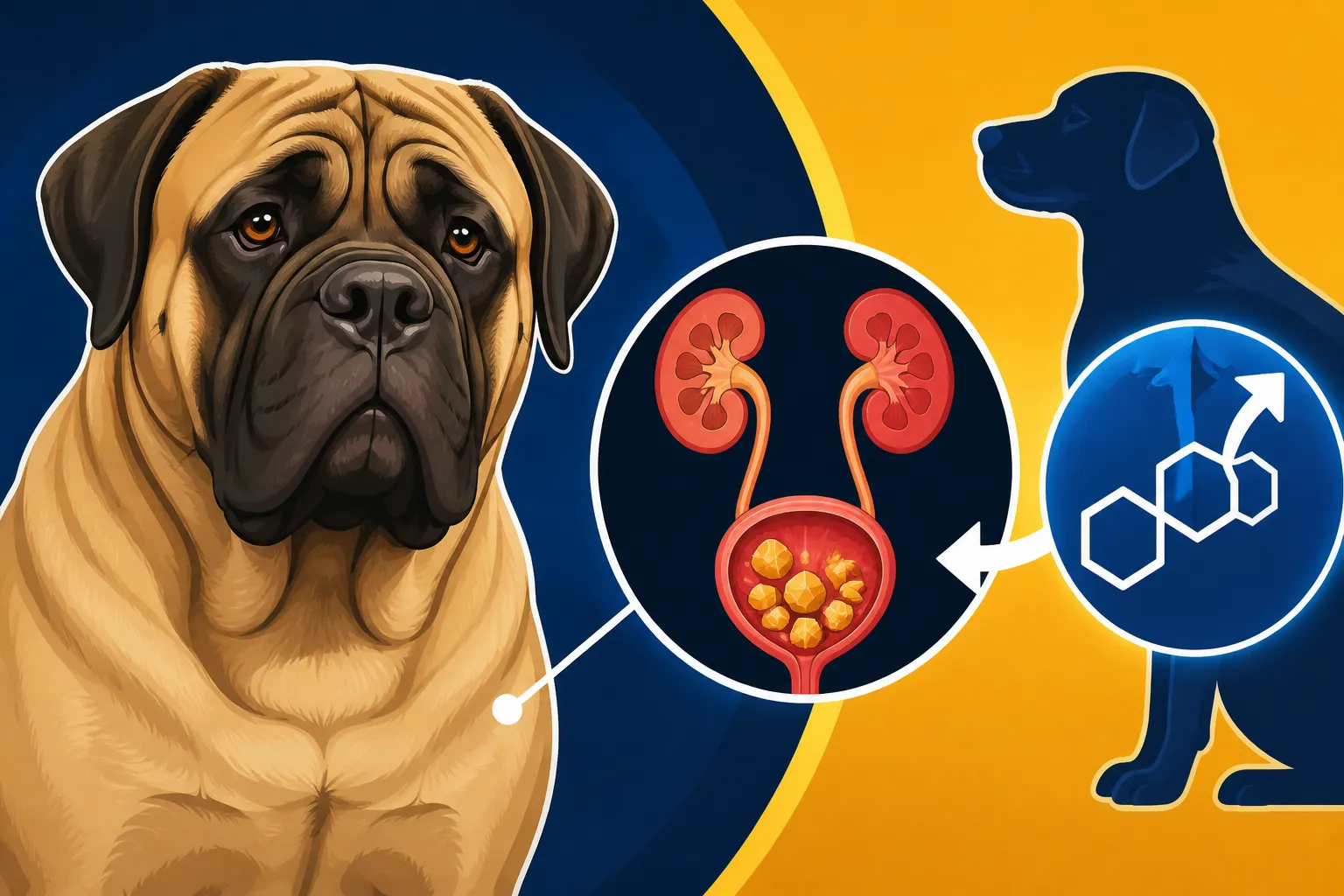
At its heart, cystinuria is a problem with how the kidneys reabsorb cystine, an amino acid. Normally, after the kidneys filter waste from the blood, essential substances like cystine are reabsorbed back into the bloodstream. In dogs with cystinuria, there's a defect in the transport system responsible for this reabsorption. This means too much cystine remains in the urine. Cystine isn't very soluble in urine, especially acidic urine. When it reaches high concentrations, it crystallizes and forms stones, primarily in the bladder and sometimes in the kidneys or ureters. These stones can range from tiny grains of sand to large, obstructive masses.
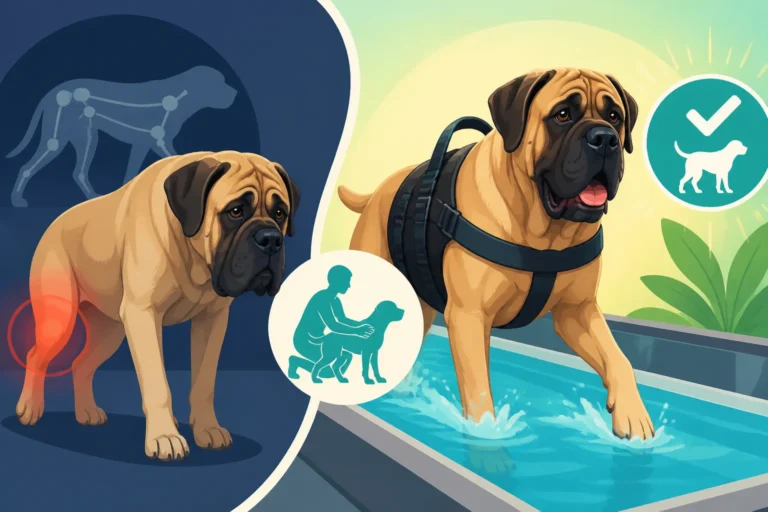
For a Mastiff, these stones can cause a whole host of problems. Imagine a stone blocking the urethra, making urination impossible. This is an acute emergency, leading to extreme pain, bladder rupture, and kidney failure if not addressed within hours. Even smaller stones can cause chronic irritation, leading to frequent urinary tract infections, blood in the urine, straining to urinate, and general discomfort. The long-term impact on your Mastiff's quality of life can be significant, and the constant worry of another blockage is a heavy burden for any owner.
The Unique Genetic Predisposition in Mastiffs
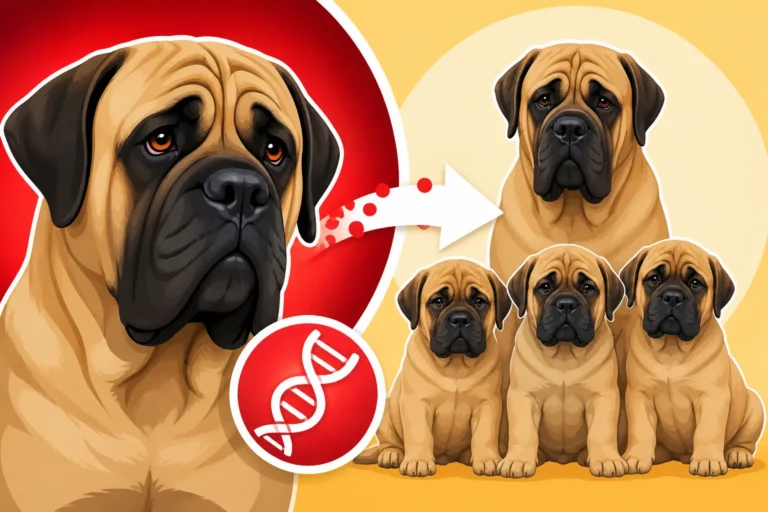
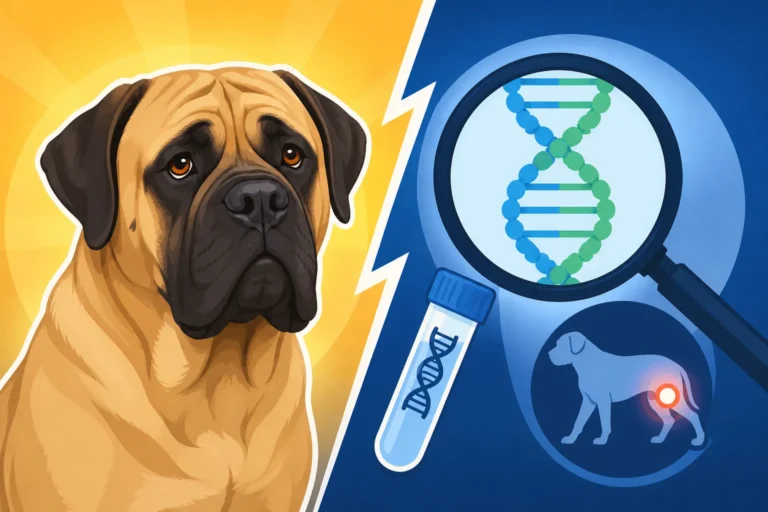
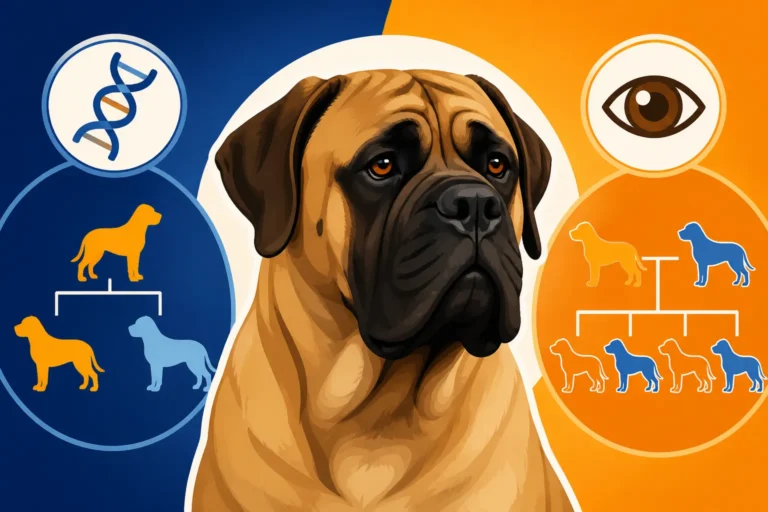
The Mastiff breed is known to carry a specific form of cystinuria, categorized as Type III. This isn't just any old cystinuria; it's a distinct genetic mutation that behaves differently from other forms found in breeds like Newfoundlands or Labrador Retrievers. The Type III variant is particularly frustrating because it's not a simple recessive trait where both parents have to pass on the gene for a dog to be affected. Instead, while the exact inheritance pattern is still being fully elucidated, it has a strong prevalence within the Mastiff population. Researchers have identified the specific gene mutation responsible, allowing for DNA testing to identify carriers and affected individuals.
It's heartbreaking to think that a condition like this can be passed down through generations, often silently, until a dog shows symptoms. This is why responsible breeding practices are so crucial. Knowing How Many Mastiffs Carry the Type III Marker helps breeders make informed decisions to reduce the incidence of this painful disease. The presence of this specific genetic defect means that Mastiffs are inherently predisposed, and for owners, it emphasizes the importance of vigilance and understanding the underlying mechanisms, especially the hormonal influence that we'll dive into next.
The Critical Role of Androgens in Stone Formation
This is where the story of Mastiff cystinuria gets really interesting and, frankly, a bit unfair to our male Mastiffs. Unlike some other forms of cystinuria, the Type III variant common in Mastiffs is profoundly influenced by male sex hormones, known as androgens. This "androgen-dependent" characteristic is the key to understanding why nearly all clinical cases are seen in intact (non-neutered) male Mastiffs, and why altering a male can often resolve the issue.
The Androgen Connection: How Male Hormones Fuel Stone Growth
So, how exactly do male hormones get involved in stone formation? It’s not a direct "androgen makes stones" mechanism, but rather an indirect pathway that exacerbates the underlying genetic defect. In intact male Mastiffs, androgens—primarily testosterone—play a significant role in regulating gene expression and protein synthesis within the kidneys. Specifically, these hormones can influence the activity of the very transporters that are supposed to reabsorb cystine in the renal tubules.
Research suggests that androgens stimulate the production or activity of proteins that further impair the already faulty cystine reabsorption system in genetically predisposed Mastiffs. Imagine a leaky bucket: the genetic defect is the initial leak. The androgens, in this scenario, are like someone subtly prying open that leak even wider, or perhaps disrupting the patch you're trying to put on it. They alter the urinary environment in ways that favor cystine excretion and crystal formation. This hormonal environment leads to an even higher concentration of cystine in the urine of intact males compared to females or neutered males with the same genetic mutation. It's a physiological double-whammy: a genetic predisposition combined with a hormonal trigger that pushes the body past the tipping point, making stone formation almost inevitable in some cases.
Why Intact Males Are Primarily Affected
Given the androgen dependency, it becomes clear Why Only Intact Male Mastiffs Form Cystine Stones. Female Mastiffs, even if they carry the same genetic mutation for Type III cystinuria, rarely develop clinical signs because they don't have the high levels of circulating androgens that trigger the stone-forming cascade. Their hormonal environment doesn't exacerbate the reabsorption defect in the same way. This means that while a female Mastiff can absolutely be a genetic carrier and pass the trait on to her offspring, she herself is unlikely to suffer from stones. This is an important distinction, and it's why the question of Whether a Female Mastiff Ever Forms Cystine Stones almost always comes with a negative answer in terms of clinical disease, despite genetic predisposition.
This stark difference between the sexes is a huge diagnostic and management clue for veterinarians. When a male Mastiff presents with urinary symptoms—straining, frequent urination, blood in the urine, or an acute blockage—cystinuria should be very high on the list of differential diagnoses, especially if he is intact. The age at which stones typically begin to form in intact males can vary, but many owners report symptoms appearing as early as 1 to 4 years of age. It's a heartbreaking reality that these magnificent boys can face such severe health crises in the prime of their lives. Catching issues early, or even before they become symptomatic, through regular urine checks and knowing the genetic status of your dog, is paramount.
Managing Androgen-Dependent Cystinuria in Your Mastiff
The good news, if there can be any in such a challenging diagnosis, is that understanding the androgen-dependent nature of Mastiff cystinuria opens up clear, effective management strategies. Since male hormones play such a critical role, interventions that reduce these hormones are often a cornerstone of treatment and prevention. Beyond that, a multi-faceted approach involving diet, medication, and close monitoring is usually necessary to keep your Mastiff comfortable and healthy.
The Impact of Neutering on Cystinuria
For intact male Mastiffs diagnosed with cystinuria, or even those identified as high-risk carriers through DNA testing, neutering is often the most impactful intervention. By surgically removing the testicles, the primary source of testosterone (androgens) is eliminated, dramatically reducing the hormone levels circulating in the dog's body. This reduction directly addresses the androgen-dependent mechanism that fuels stone formation.
Many owners and veterinarians have observed that Whether Neutering Resolves a Mastiff's Cystinuria is often answered with a resounding yes. In many cases, once androgen levels drop, the concentration of cystine in the urine decreases, and the formation of new stones either stops entirely or significantly slows down. For dogs with existing small stones, the change in urine chemistry might even help dissolve them, though larger, established stones usually require surgical removal. The principle is clear: Why Neutering Ends the Cycle in a Cystinuric Mastiff is because it removes the hormonal trigger, allowing the underlying genetic defect to become far less problematic clinically.
Of course, the decision to neuter is significant and should be made in consultation with your veterinarian, considering your Mastiff's age, overall health, and the specific stage of the cystinuria. While neutering at an appropriate age for a giant breed like a Mastiff has its own considerations for bone growth and overall development, the immediate and long-term benefits for managing cystinuria often outweigh these concerns.
Dietary and Medical Management Strategies
While neutering is often a primary step for intact males, it's usually part of a broader management plan that includes diet and medication. The goal of dietary management is to reduce the amount of cystine available for stone formation and to create a urinary environment that discourages crystallization.
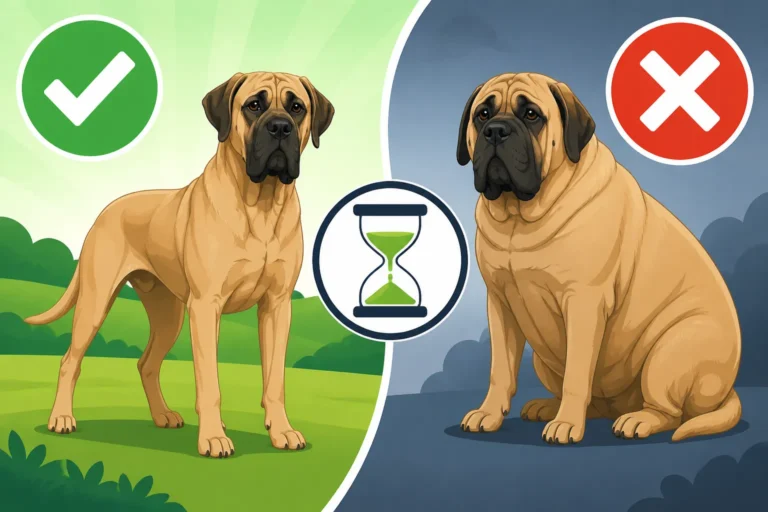
A key component of this is a low-protein diet. Protein provides the building blocks for amino acids like cystine, so reducing overall protein intake can help lower the amount of cystine filtered by the kidneys. However, finding the right balance for a giant breed like a Mastiff is crucial; they still need adequate protein for muscle maintenance and overall health, just not excessively high levels. Brands like Royal Canin and Hill's often have prescription veterinary diets specifically formulated for urinary health, including those for cystine stone prevention. These diets are carefully balanced to meet nutritional needs while managing stone risk.
Another vital aspect of diet is ensuring your Mastiff drinks plenty of water. Diluted urine means lower concentrations of cystine, making it harder for crystals to form. This might involve adding water to food, offering multiple water bowls, or even providing filtered water. How Much Water a Cystinuric Mastiff Needs can be surprisingly high, and active encouragement to drink is essential.
Beyond diet, medications can play a crucial role. Alkalinizing agents, such as potassium citrate, are often prescribed. These work by increasing the pH of the urine, making it more alkaline. Cystine is more soluble in alkaline urine, so raising the pH helps prevent crystals from forming and can even dissolve existing small stones.
For dogs that continue to form stones despite neutering and dietary changes, or for those where surgery isn't an immediate option, specific drugs like 2-mercaptopropionylglycine (2-MPG), often marketed as Thiola, can be prescribed. Which Drug Dissolves a Mastiff's Cystine Stones like Thiola works by binding with cystine in the urine, forming a more soluble compound that is less likely to crystallize. These medications are powerful but require careful monitoring due to potential side effects.
It's important to understand that Whether Diet Alone Controls Mastiff Cystinuria is often not enough, especially in intact males or those with a high genetic load. A combination of approaches, tailored to your individual Mastiff's needs and overseen by a veterinary specialist, is usually the most effective path. The financial burden of managing a condition like cystinuria can be significant, from specialized diets to potential surgeries and ongoing medication. This is where a robust pet insurance policy, perhaps from providers like Healthy Paws, can offer a safety net, helping to cover unexpected veterinary expenses and ensuring your Mastiff gets the continuous care they need without financial strain. Regular check-ups, including urinalysis to monitor urine pH and look for cystine crystals, are vital for long-term success. Discovering How a Mastiff's Cystine Stones Are Found often begins with these routine tests.
Ultimately, managing cystinuria in a Mastiff requires dedication and a proactive approach, but with the right strategy, these majestic dogs can still live full, happy lives.
Disclaimer
This article is for general informational purposes only and does not constitute professional advice. Laws, prices and regulations vary by location and change over time. Consult a qualified professional for guidance on your specific situation.