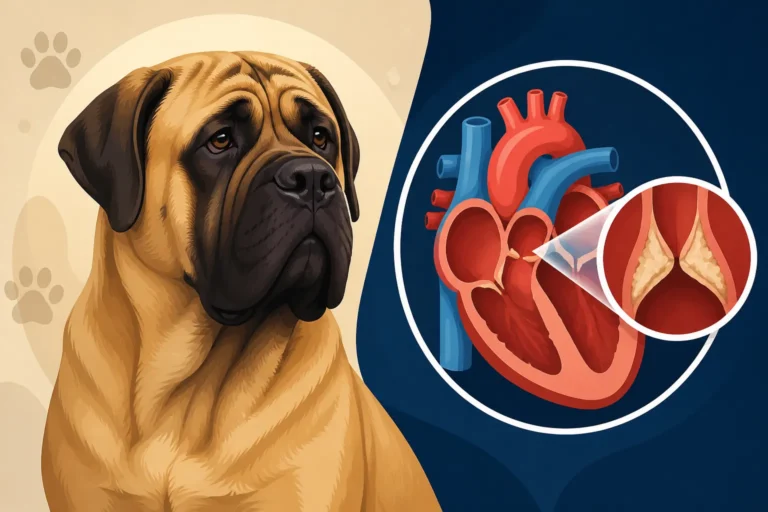
Whether Diet Alone Controls Mastiff Cystinuria
It's incredibly worrying when you learn your beloved Mastiff has a condition like cystinuria, and naturally, you want to explore every possible avenue to manage it, especially non-invasive ones like diet. The idea that carefully chosen food could be the sole answer to preventing those painful, dangerous stones is a hope many owners cling to. This guide will delve deep into Mastiff cystinuria, exploring how diet plays a role, and why, for most dogs, it's a vital piece of the puzzle, but rarely the complete solution on its own.
Understanding Mastiff Cystinuria: The Basics
Cystinuria is a complex, inherited metabolic disorder that affects certain breeds, and in Mastiffs, it's specifically a Type III form. It's a condition where the kidneys don't properly reabsorb certain amino acids, including cystine, from the filtered blood. This leads to an excess of cystine in the urine, and because cystine isn't very soluble, it can crystallize and form stones in the urinary tract. The implications can range from recurrent urinary tract infections and discomfort to life-threatening blockages.
The Genetic Basis and What It Means for Your Dog
Specifically, Type III cystinuria in Mastiffs is generally inherited in an autosomal recessive fashion, meaning a dog needs two copies of the mutated gene to be affected. However, recent research suggests it can be more complicated in some breeds, with a "modifier gene" aspect. For Mastiffs, it primarily affects intact males, leading to stone formation often starting around 1-5 years of age. This sex-specific manifestation is due to the influence of androgens (male hormones) on the kidney’s ability to transport cystine. It’s why you'll often hear discussions about Why Only Intact Male Mastiffs Form Cystine Stones. If your Mastiff is an intact male and starts showing signs of urinary issues, this condition should be high on your vet's suspicion list. Understanding the genetic underpinning helps explain why managing the condition isn't just about what goes into their bowl, but also about their internal chemistry.
The Role of Diet in Cystine Stone Formation
Diet plays a crucial, undeniable role in either exacerbating or mitigating cystine stone formation. The amino acid cystine is a breakdown product of another amino acid, methionine. Both methionine and cysteine (which combines to form cystine) are found in proteins. Therefore, the amount and type of protein in your Mastiff's diet directly impact the amount of cystine available for excretion in the urine. Beyond protein, the urine's pH is equally critical. Cystine is much more soluble in alkaline (higher pH) urine than in acidic (lower pH) urine. The goal of a dietary modification for cystinuria is generally twofold: to reduce the precursors of cystine and to alkalinize the urine, making it less hospitable for stone formation.
Why Diet Alone Is Often Insufficient for Mastiff Cystinuria
While dietary management is a cornerstone of therapy for cystinuria, it's important to be realistic about its limitations. For many Mastiffs, diet alone simply isn't powerful enough to fully prevent stone recurrence or manage severe cases effectively.
The Limitations of Low-Protein Diets
Reducing dietary protein is the most direct way to limit the amount of methionine and cysteine available to form cystine. However, Mastiffs are giant breeds with significant nutritional requirements, especially for muscle mass and overall health. You cannot, and should not, eliminate protein entirely. Even with carefully formulated low-protein diets, some Mastiffs will still excrete enough cystine to form stones. The challenge lies in finding a balance: reducing protein enough to make a difference without compromising your Mastiff's health and vitality. Furthermore, not all proteins are created equal in terms of methionine content, and trying to navigate this complexity without veterinary guidance can be risky. While commercial diets exist, they may not always be perfectly tailored to the individual dog's specific cystine excretion levels.
The Importance of Urine pH and Solubility
Achieving and maintaining a consistently alkaline urine pH (typically above 7.0, aiming for 7.5-8.0) is paramount for cystine stone prevention. Diet can influence urine pH, with certain ingredients (like plant-based proteins, vegetables, and specific alkalinizing agents) promoting alkalinity, while meat-heavy diets tend to make urine more acidic. However, relying solely on diet to achieve and maintain the ideal pH can be challenging. Many dietary changes might only offer a mild or inconsistent alkalinizing effect, which isn't sufficient for Mastiffs who are prolific cystine excretors. The pH needs to be monitored regularly, sometimes daily, and diet alone often can't provide the precise, consistent control needed. This is a primary reason why medical intervention, such as potassium citrate, is often necessary to provide a reliable buffer to raise the urine pH.
The Urgency of Blockage and the Nature of Stones
Perhaps the most critical reason diet alone isn't enough is the life-threatening risk of urinary blockage, particularly in male Mastiffs. Cystine stones, once formed, are physical obstructions. Diet is a preventative measure, a long-term strategy to reduce the likelihood of stone formation or growth. It cannot dissolve existing, large stones quickly, nor can it remove a stone that has already caused a complete urinary obstruction. Such a blockage is an immediate veterinary emergency, requiring swift medical or surgical intervention. You simply cannot wait for a diet to work when your Mastiff is blocked. Understanding The Hours a Blocked Male Mastiff Has is crucial; delayed treatment can be fatal. If your Mastiff has active stone formation or a history of blockages, a multi-modal approach is not just recommended, it's essential for their survival and well-being.
The Comprehensive Approach: Integrating Diet with Medical Management
Given the limitations of diet alone, a truly effective management plan for Mastiff cystinuria almost always involves a combination of dietary changes, specific medications, increased hydration, and vigilant monitoring. This integrated approach offers the best chance for preventing stones and ensuring your Mastiff's long-term health.
Combining Diet with Medical Intervention
This is where the real power of managing cystinuria lies. Prescription diets specifically formulated for urinary stone prevention (often labeled as "u/d" or "urinary care" by major brands like Hill's or Royal Canin) are a cornerstone. These diets are designed with controlled protein levels and alkalinizing properties. However, for many Mastiffs, a prescription diet needs to be supplemented with medication.
The most common and effective medication for cystinuria is tiopronin, often marketed as Thiola. Tiopronin works by binding with cystine in the urine to form a more soluble compound, preventing it from crystallizing and forming stones. This significantly reduces the amount of free cystine available for stone formation. Another critical medication is potassium citrate, which directly raises urine pH. It's often prescribed in conjunction with a low-protein diet to provide a more robust and consistent alkalinizing effect than diet alone can achieve. Your vet will determine the appropriate dosages based on your dog's weight, the severity of their condition, and regular urine monitoring.
Hydration and Monitoring
Increasing your Mastiff's water intake is a simple yet incredibly effective part of the management strategy. Diluted urine means a lower concentration of cystine, making stone formation less likely. Encourage water consumption by always having fresh water available, adding water or low-sodium broth to food, and offering ice cubes as treats. You might even consider a dog water fountain to encourage more drinking. For an in-depth look at how much water your dog needs, refer to How Much Water a Cystinuric Mastiff Needs.
Vigilant monitoring is non-negotiable. This includes:
- Regular Urine pH Checks: Your vet may ask you to test your Mastiff's urine pH at home using pH strips. This helps assess the effectiveness of dietary changes and potassium citrate.
- Routine Urinalysis and Sediment Exam: At veterinary appointments, urine samples will be checked for pH, specific gravity (to assess dilution), and the presence of crystals or blood. This is crucial for early detection of issues.
- Periodic Imaging: X-rays or ultrasounds are used to detect existing stones or monitor their size. While cystine stones can sometimes be radiolucent (not visible on standard X-rays), specialized techniques or ultrasounds can often reveal them. Learning How a Mastiff's Cystine Stones Are Found can prepare you for these diagnostic steps.
This proactive monitoring, combined with diet and medication, allows for timely adjustments to the treatment plan and can prevent emergencies.
Surgical Intervention and Emergency Planning
Despite the best preventative efforts, stones can still form or grow, sometimes requiring surgical removal. Urethral obstruction, in particular, is an emergency. If your Mastiff is straining to urinate, passing no urine, or showing signs of pain or discomfort, you need to seek immediate veterinary care. This could be a life-threatening blockage. Even with a history of cystinuria, it's vital to remember that not all signs of discomfort are necessarily a blockage, but immediate assessment is always warranted.
For existing stones that are too large to pass or are causing recurrent issues, surgery (cystotomy) to remove them from the bladder is often necessary. In some cases, a procedure called a scrotal urethrostomy might be performed, creating a wider opening for urine and smaller stones to pass, reducing the risk of future blockages in the urethra. This is a drastic measure but can be life-saving for Mastiffs with chronic, recurrent obstructions. After surgery, the comprehensive medical and dietary management plan becomes even more critical to prevent new stone formation. Considering What Stone Surgery Costs on a Mastiff can help you prepare for potential financial impacts, underscoring the value of pet insurance from providers like Healthy Paws.
Living with a Cystinuric Mastiff: Long-Term Dietary and Care Considerations
Managing cystinuria in a Mastiff is a lifelong commitment, but with a dedicated approach, these dogs can lead full, happy lives. The long-term plan blends consistent dietary choices with ongoing medical support and monitoring.
Choosing the Right Food
As mentioned, low-protein, alkalinizing prescription diets are usually the go-to. Brands like Hill's Prescription Diet u/d or Royal Canin Urinary SO Moderate Calorie are formulated to meet these specific needs. These diets are carefully balanced to provide adequate nutrition for a large breed like a Mastiff while controlling the factors that contribute to stone formation. It's important to understand that these aren't just "over-the-counter" low-protein foods; they are therapeutic diets prescribed by your veterinarian.
If you are considering a home-cooked diet, this must be done under the strict guidance of a veterinary nutritionist. Formulating a diet that is low enough in methionine and cysteine, provides sufficient calories and nutrients for a Mastiff, and consistently alkalinizes urine, is incredibly complex and almost impossible to achieve safely without expert help. Errors in a homemade diet can lead to nutritional deficiencies or, conversely, ineffective stone prevention. For dogs that respond well, dietary changes can significantly reduce the need for high doses of medication, and Why Neutering Changes a Cystinuric Mastiff's Diet is a factor to consider as it impacts hormone levels affecting cystine excretion.
Monitoring Progress and Adjusting the Plan
Living with a cystinuric Mastiff means you'll become very familiar with their urinary habits. Any changes—increased frequency, straining, blood in the urine, or accidents—warrant immediate attention. Regular veterinary check-ups, typically every 3-6 months, are essential. During these visits, your vet will perform urinalysis, check kidney function through blood work, and possibly recommend imaging to ensure no new stones are forming.
It's a dynamic process. What works perfectly for one Mastiff might not be ideal for another. Your vet will use the monitoring results to fine-tune the dietary plan and medication dosages. This might involve adjusting the amount of potassium citrate, exploring different prescription foods, or, if stones are still forming despite all efforts, considering stronger medications or different surgical strategies. The financial strain of these ongoing treatments can be significant, so having a good pet insurance plan from providers like Healthy Paws can truly be a lifesaver when unexpected medical needs arise.
Remember that Whether a Mastiff With PRA Should Be Bred is an ethical consideration for any Mastiff with a genetic condition, including cystinuria, as these conditions can be passed down to offspring. Responsible breeding practices require breeders to be transparent about genetic health.
Conclusion
The hope that diet alone can control Mastiff cystinuria is understandable, especially given the complexities and costs of managing a chronic condition. While dietary modification is a powerful and indispensable tool in the battle against cystine stones, it is rarely the sole answer. For the vast majority of Mastiffs, a comprehensive approach integrating specialized prescription diets with medications like tiopronin and potassium citrate, coupled with diligent hydration and regular veterinary monitoring, offers the best chance at a healthy, stone-free life. It’s about creating an environment where cystine stones simply can’t thrive, and that often requires more than just what’s in their food bowl.
Disclaimer
This article is intended for informational purposes only and does not constitute veterinary advice. Always consult with a qualified veterinarian for any health concerns or before making any decisions about your Mastiff's care, diet, or treatment plan.