Whether Two Clear Mastiffs Can Produce an Affected Puppy
It's incredibly reassuring, isn't it? When you're looking at a Mastiff puppy and the breeder confidently tells you both parents are "clear" on their genetic health tests. You breathe a sigh of relief, imagining a future free from those heartbreaking, expensive genetic conditions. But then a little seed of doubt creeps in: is "clear" truly a bulletproof guarantee? Can two supposedly healthy, genetically clear Mastiffs still produce a puppy that ends up affected by a genetic disease? It's a valid and deeply concerning question, and this guide is here to unravel the complexities behind genetic testing, inheritance, and the rare instances where the unexpected can still occur.
The Nuance of "Clear" in Genetic Health Testing
When a breeder says a Mastiff is "clear," it sounds like an absolute, an impenetrable shield against genetic woes. But like many things in the world of genetics, the truth is a bit more nuanced. Understanding what "clear" actually signifies is the first step in addressing your concerns.
What "Clear" Specifically Identifies
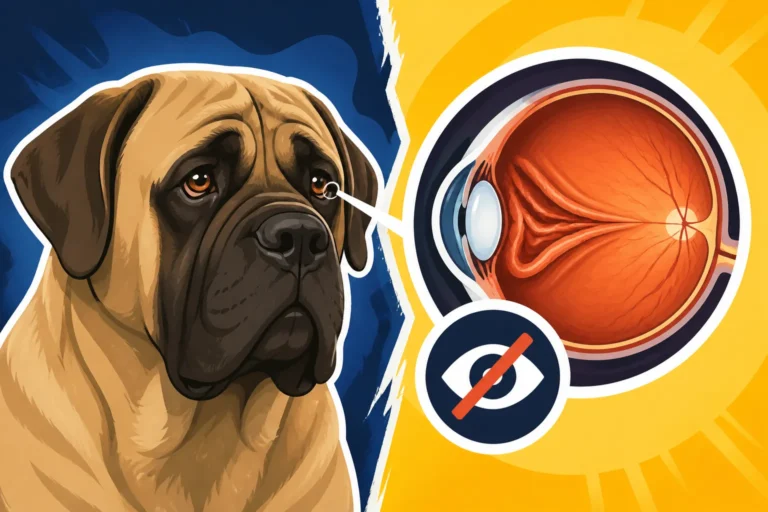
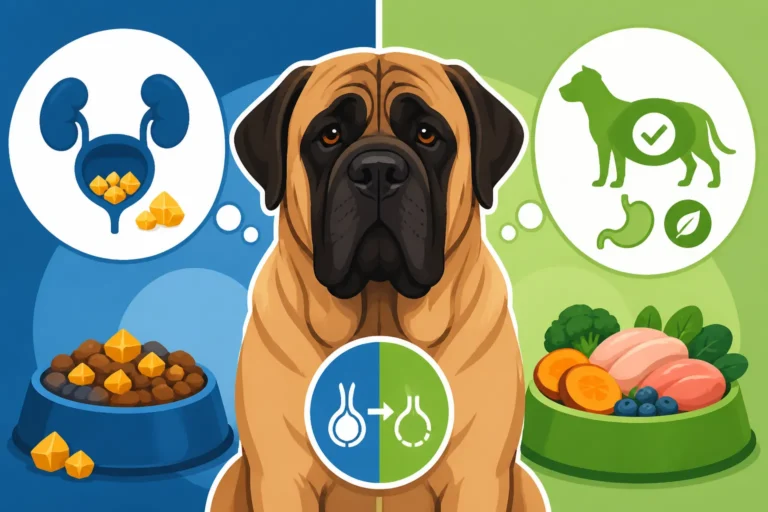
For most DNA tests available for Mastiffs, "clear" means the dog does not carry any copies of the specific mutated gene associated with a particular disease. In genetic terms, this often means the dog is "homozygous normal" – possessing two healthy copies of the gene for that specific condition. For example, if we're talking about Progressive Retinal Atrophy (PRA), and a Mastiff is clear, it means it doesn't have the identified genetic marker for PRA. This is fantastic news for that specific condition. It doesn't mean the dog is immune to all possible eye conditions, only the one being tested. Similarly, for a condition like Cystinuria Type III, a clear dog means it doesn't carry the specific mutation linked to that kidney stone issue.
The Limitations of the "Clear" Label
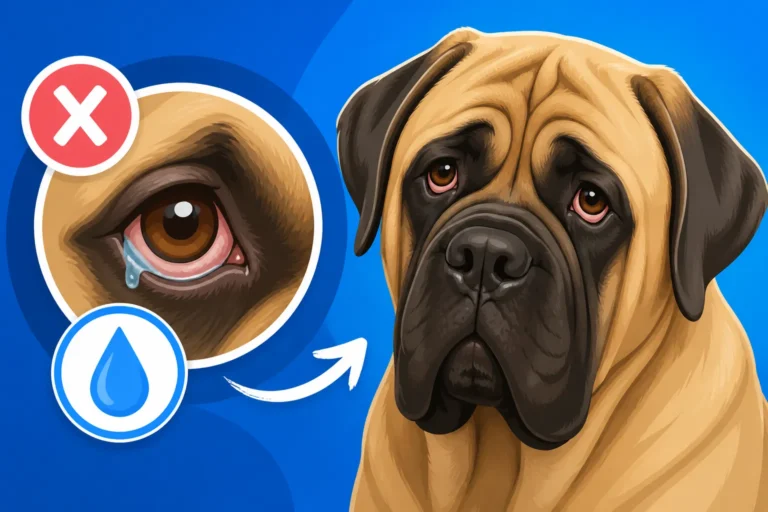
It's crucial to remember that "clear" is only as comprehensive as the tests themselves. A Mastiff might be clear for, say, a particular form of PRA, but there could be other genetic diseases common in the breed for which no DNA test currently exists. Or, perhaps the specific form of PRA common in Mastiffs is dominantly inherited, meaning Why Mastiff Retinal Atrophy Needs Only One Copy of the Gene is enough to cause the disease, and a "clear" dog simply doesn't have that dominant gene. The absence of a testable gene doesn't mean the absence of all genetic predispositions. It simply means for the mutations we currently understand and can test for, your dog doesn't have them. This is why a thorough health testing regimen, including physical exams like OFA evaluations and ophthalmologist certifications, is always recommended.
Mendelian Genetics and the "Two Clear Parents" Scenario
To understand if two clear Mastiffs can produce an affected puppy, we need to dip our toes into the basics of Mendelian genetics. This framework, named after Gregor Mendel, explains how single-gene traits are passed down from parents to offspring.
Autosomal Recessive Inheritance
Many common genetic diseases are inherited in an autosomal recessive pattern. This means a dog must inherit two copies of the mutated gene (one from each parent) to be affected by the disease. Dogs with only one copy of the mutated gene are called "carriers" – they don't show symptoms but can pass the gene on. Dogs with two healthy copies are "clear" or "homozygous normal."
Let's use a hypothetical recessive condition to illustrate. We'll label the healthy gene 'N' and the mutated gene 'n'.
- NN: Clear (Homozygous Normal) – Has two healthy genes, will not develop the disease, will not pass on the mutated gene.
- Nn: Carrier (Heterozygous) – Has one healthy and one mutated gene, will not develop the disease (usually), but can pass on the mutated gene.
- nn: Affected (Homozygous Affected) – Has two mutated genes, will develop the disease.
Now, imagine two Mastiff parents who are both truly "clear" (NN) for this specific recessive condition.
Punnett Square for Two Clear Parents (NN x NN):
| N | N | |
|---|---|---|
| N | NN | NN |
| N | NN | NN |
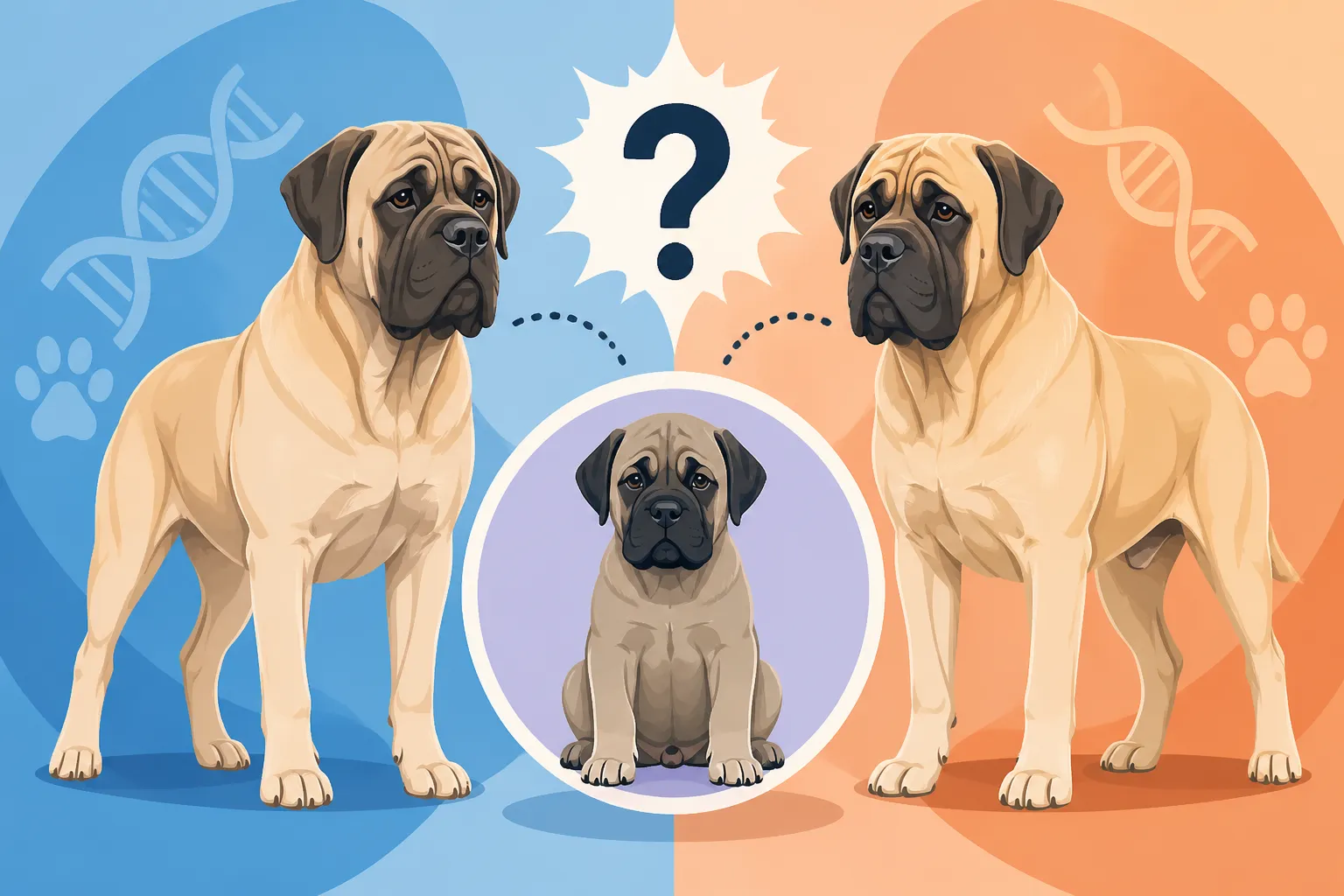
As you can see from the Punnett Square, if both parents are truly NN (clear), every single puppy they produce will also be NN (clear). In this scenario, it is genetically impossible for them to produce an affected (nn) puppy for that specific recessive condition. This is the ideal situation and why responsible breeders strive for clear-to-clear matings when dealing with recessive diseases.
Autosomal Dominant Inheritance
Some conditions, though less common as direct "affected by gene X" tests, follow an autosomal dominant pattern. In this case, a dog only needs to inherit one copy of the mutated gene to be affected. If we use 'D' for the dominant mutated gene and 'd' for the healthy gene:
- dd: Clear (Homozygous Normal) – Has two healthy genes, will not develop the disease, cannot pass on the mutated gene.
- Dd: Affected (Heterozygous Affected) – Has one mutated and one healthy gene, will develop the disease.
- DD: Affected (Homozygous Affected) – Has two mutated genes, will develop the disease (often more severely, or embryonic lethal).
If two Mastiff parents are truly "clear" (dd) for a specific dominant condition, they cannot possibly produce an affected puppy (Dd or DD) for that condition. They simply do not possess the dominant 'D' gene to pass on.
So, based on simple Mendelian genetics for single-gene traits, if both Mastiff parents are genuinely "clear" for a specific condition, they absolutely cannot produce an affected puppy for that same condition. This is the fundamental reason why genetic testing is such a powerful tool for breeders aiming to eradicate specific diseases from their lines.
Unforeseen Circumstances: When an "Affected" Puppy Might Still Emerge
While the science of Mendelian inheritance provides a strong foundation, life, and biology, can sometimes throw curveballs. There are scenarios, albeit rare, where a puppy might appear "affected" even when both parents were tested "clear" for specific genetic conditions.
De Novo Mutations: The Spontaneous Change
Imagine a perfect scenario: both Mastiff parents are thoroughly tested and declared "clear" (NN) for a particular recessive disease. They've been bred responsibly, and everything seems by the book. However, during the formation of the egg or sperm cells in the parents, or very early in the embryonic development of the puppy, a spontaneous mutation can occur. This is known as a de novo mutation.
A de novo mutation means a healthy gene (N) suddenly and randomly mutates into the disease-causing gene (n) in a way that wasn't present in either parent's germline DNA. If this happens and the puppy receives this newly mutated gene, it could potentially be born as a carrier (Nn) or, in extremely rare cases if a mutation occurred independently in both gametes that formed the puppy, even affected (nn), even though both parents were genetically clear. These events are not caused by faulty inheritance from the parents but are instead truly new genetic alterations. They are rare, but they do happen across all species, including humans and Mastiffs.
Polygenic and Complex Inheritance Conditions
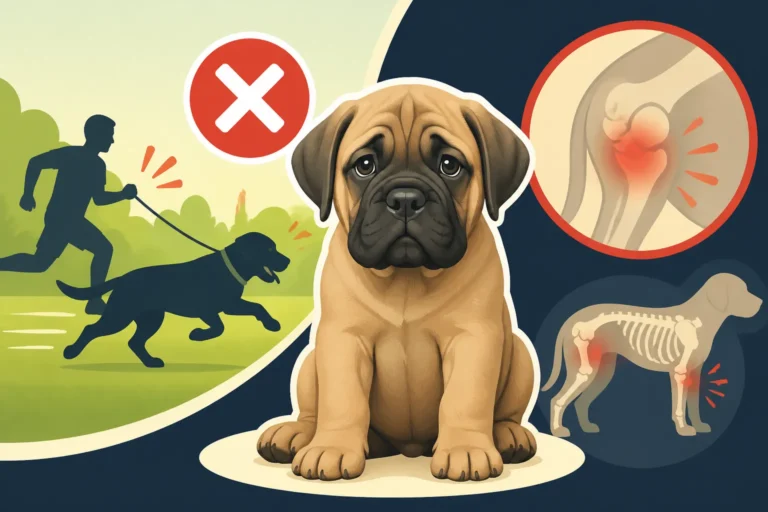
Many of the significant health challenges Mastiffs face, such as Elbow Dysplasia Affects One Mastiff in Seven or Why a Mastiff's Hips Fail Under Its Own Weight, are not controlled by a single gene. Instead, they are polygenic (involving multiple genes) and multifactorial (influenced by both genetics and environmental factors like diet, exercise, and growth rate).
For these types of conditions, a "clear" status in the Mendelian sense doesn't exist. Instead, breeders rely on screening tests like OFA (Orthopedic Foundation for Animals) certifications, which evaluate the physical expression of these conditions (e.g., hip and elbow scores). A Mastiff might have excellent (OFA "Good" or "Excellent") hips and elbows, indicating they are phenotypically "clear" of severe dysplasia. The parents might both have perfectly clear OFA scores, yet still produce a puppy that develops hip or elbow dysplasia. This is because:
- Genetic Predisposition: The parents may carry multiple genes that contribute to the risk of dysplasia, even if their own expression of the condition is mild or non-existent due to favorable environmental factors or other genetic modifiers.
- Environmental Triggers: A puppy from phenotypically clear parents could be raised in an environment that exacerbates any underlying genetic predisposition – rapid growth from overfeeding, excessive exercise, or slippery floors during crucial developmental stages.
- Incomplete Penetrance: Even if a dog has the genetic makeup for a polygenic disease, it might not fully express the condition. This means a parent could carry the genes but never show severe symptoms, yet pass those genes on to a puppy who does.
So, while you can have "clear" OFA scores for parents, it's not a guarantee against these complex health issues in their offspring. This is why a truly responsible breeder considers generations of health data, not just the immediate parents, and advises careful puppy rearing practices to mitigate environmental risks.
Undiscovered Genetic Markers and Syndromes
The world of canine genetics is constantly evolving, but we don't have tests for every single potential health issue. A Mastiff puppy could present with a genetic condition for which the underlying genetic marker hasn't been identified yet, or for which a commercial DNA test isn't available. In such cases, the parents would be "clear" of all known and tested conditions, but the puppy could still be affected by an "undiagnosed" genetic problem.
Similarly, some syndromes involve multiple health issues or are caused by complex interactions not detectable by current single-gene tests. For example, Eye and Eyelid Disease in a Mastiff can encompass many different conditions, not all of which have a specific DNA test like The DNA Test That Finds Mastiff PRA. While parents might be clear of PRA, their puppy could develop another, currently untestable, inherited eye issue.
Human and Laboratory Error
We are all human, and mistakes can happen. While rare in reputable laboratories, a sample could be mislabeled, contaminated, or a lab error could lead to an incorrect "clear" result. Similarly, parentage could be misidentified, especially in large breeding operations or if accurate records aren't meticulously kept. While not a genetic phenomenon, these errors could lead to a situation where a puppy appears affected from "clear" parents, when in reality, the "clear" status was erroneous or attributed to the wrong dog. This is why using reputable labs and ensuring microchipping for parentage verification is essential.
Minimizing Risk and Preparing for the Unexpected
Understanding that "clear" isn't an absolute shield against all possible health issues doesn't mean genetic testing is invaluable; quite the opposite. It means being informed and taking a holistic approach to Mastiff health.
Prioritizing Comprehensive Health Testing
When selecting a Mastiff puppy, don't just ask if the parents are "clear." Ask what they are clear for. A reputable breeder will go beyond simple DNA tests, embracing a comprehensive health screening protocol that includes:
- Orthopedic Evaluations: OFA Hip and Elbow certifications are paramount for a giant breed like the Mastiff. Even with clear parents, maintaining a slow growth rate in puppies and avoiding excessive exercise is crucial to healthy joint development.
- Cardiac Exams: Reputable breeders perform cardiac evaluations, such as echocardiograms, to screen for heart conditions. Whether a Mastiff Needs a Cardiac Exam is a good question to ask any breeder.
- Ophthalmologist Exams: Annual eye exams by a board-certified veterinary ophthalmologist (like those certified by CERF or OFA Eye) can detect conditions like cataracts, retinal folds, or persistent pupillary membranes, which might not be covered by specific DNA tests. They can also provide insight into conditions such as What Canine Multifocal Retinopathy Does to a Mastiff.
- DNA Panels: Beyond the common PRA and Cystinuria tests, some breeders utilize comprehensive DNA panels (from companies like Embark or Canine HealthCheck) that screen for dozens or even hundreds of known genetic markers. This wide net provides a more complete picture of genetic health.
Always look for breeders who participate in the Canine Health Information Center (CHIC) program. This means both parents have completed all the core health testing recommended by the Mastiff Club of America, as outlined in The Four CHIC Tests a Mastiff Breeder Must Clear.
The Importance of Breeder Transparency and Mentorship
A truly responsible breeder is transparent about all health results, not just the good ones. They will openly discuss any health issues in their lines, even those with clear parents, and explain how they are working to mitigate risks. They understand that breeding is about improving the breed, not just producing puppies. They should be able to provide pedigrees, health certificates, and be willing to discuss any concerns you have about a puppy's potential health. In fact, you should be asking Whether a Mastiff Puppy Can Be Tested Before Purchase and reviewing those results with the breeder.
Furthermore, a good breeder acts as a mentor, guiding you through the critical early months of your Mastiff puppy's life. They will offer advice on proper nutrition (to ensure slow, steady growth), appropriate exercise (to protect developing joints), and environmental enrichment, all of which contribute to a puppy's overall health, especially for conditions influenced by environment.
Financial Preparedness: The Safety Net
Even with the most meticulously bred Mastiff from two genetically "clear" parents, owning a giant breed comes with the responsibility of being prepared for the unexpected. Mastiffs, unfortunately, have a shorter lifespan and can incur substantial veterinary bills. Why a Mastiff Costs More Per Year Than a Dog That Lives Twice as Long is a reality that every owner needs to consider.
Pet insurance, from providers like Healthy Paws, can be an absolute lifesaver. While it won't prevent a health issue, it can significantly ease the financial burden if an unforeseen illness or accident occurs. Even if your puppy comes from parents with impeccable health clearances, having a financial safety net means you can provide the best possible care without added stress, ensuring your beloved Mastiff gets every chance at a long, comfortable life.
Conclusion
So, can two clear Mastiffs produce an affected puppy? For single-gene Mendelian conditions where both parents are truly "clear" (homozygous normal for that specific mutation), the answer is a resounding no. Genetically, it's impossible. However, the picture becomes more complex when we consider the full spectrum of canine health: the rare occurrence of de novo mutations, the intricate interplay of genetics and environment in polygenic conditions, the many health issues for which no DNA test exists, and the ever-present possibility of human error.
Being informed and choosing a reputable, transparent breeder who undertakes comprehensive health testing is your best defense against inherited diseases. But ultimately, owning a Mastiff means understanding that even with the best efforts, life can be unpredictable. Love, diligent care, and preparedness are always key to a happy, healthy life with your magnificent companion.
Disclaimer
This article is for general informational purposes only and does not constitute professional advice. Laws, prices and regulations vary by location and change over time. Consult a qualified professional for guidance on your specific situation.