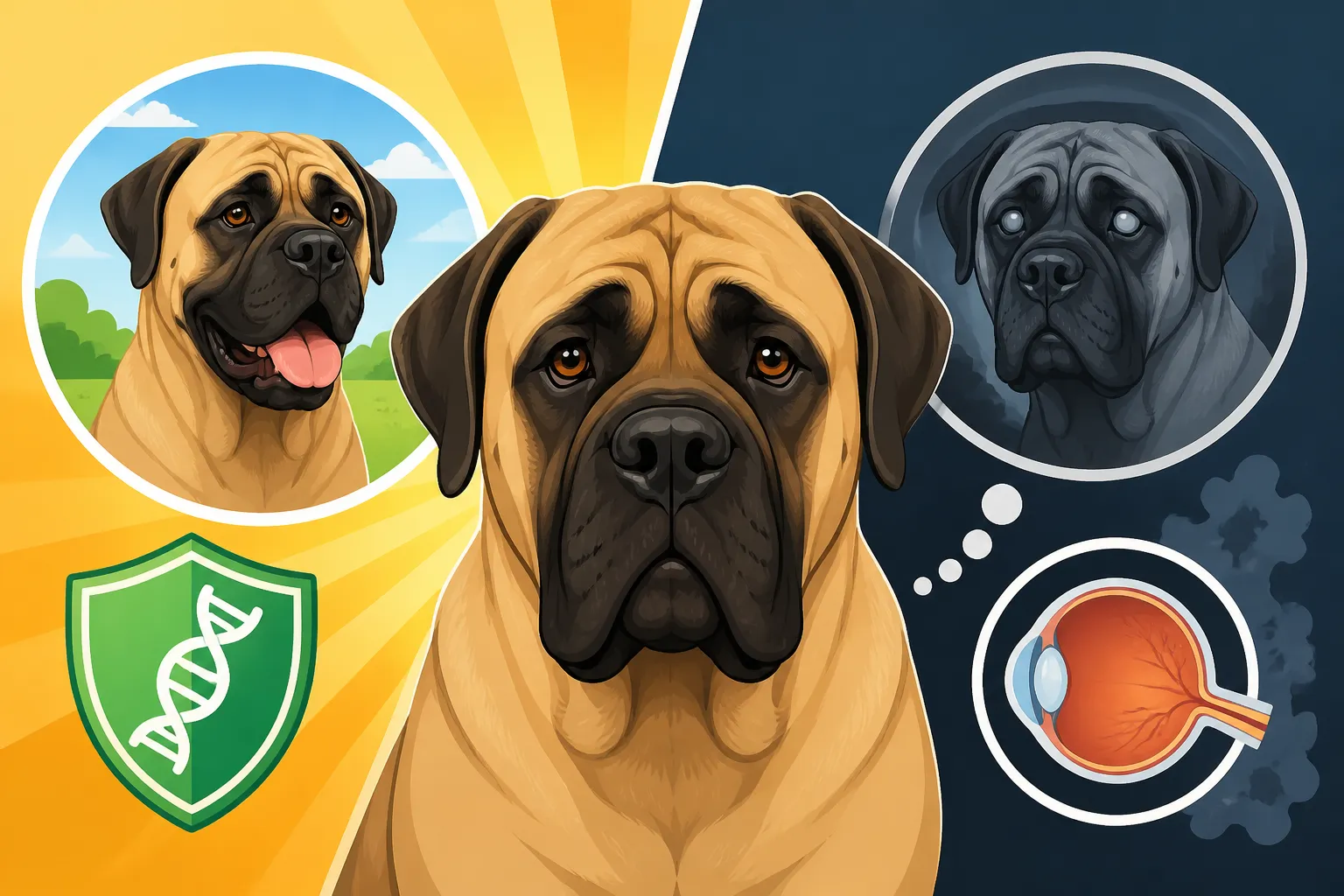
Whether a Mastiff Carrier of PRA Goes Blind Too
It's incredibly unsettling when you receive genetic testing results for your beloved Mastiff and see terms like "carrier" for serious conditions like Progressive Retinal Atrophy (PRA). Your mind immediately jumps to the worst-case scenario: will my gentle giant go blind? This guide will completely unpack what it truly means for your Mastiff to be a PRA carrier and reassure you about their vision and future.
Understanding Progressive Retinal Atrophy in Mastiffs
Progressive Retinal Atrophy (PRA) is a blanket term for a group of genetic eye disorders that affect the retina, leading to its degeneration and eventually, blindness. In Mastiffs, specifically, there's a particular form of PRA that follows a dominant inheritance pattern. This means it's not quite like some other recessive conditions you might hear about, and it's often the source of a lot of confusion for owners trying to decipher their dog's genetic panel.
What happens with PRA is that the light-sensing cells in the retina, the rods and cones, begin to deteriorate. Initially, this often affects night vision, making dogs reluctant to navigate in dimmer light or bumping into things at dusk. Over time, as the disease progresses, their daytime vision also deteriorates, leading to complete blindness. It's a heartbreaking condition, and understanding its nuances is key to responsible dog ownership and breeding.
The Genetic Basis of PRA
When we talk about the genetics of PRA in Mastiffs, it's crucial to grasp the concept of dominant inheritance. Unlike recessive traits where a dog needs two copies of the faulty gene (one from each parent) to be affected, with dominant inheritance, only one copy of the problematic gene is needed for the disease to manifest. This is why it's so important to understand Why Mastiff Retinal Atrophy Needs Only One Copy of the Gene.
Imagine a gene pair, with each gene having two possible versions: "normal" (N) and "affected" (A).
- Clear dogs (N/N): They have two normal copies and will not develop PRA, nor will they pass the affected gene to their offspring.
- Affected dogs (A/N or A/A): These dogs carry at least one copy of the affected gene. If it's a dominantly inherited form of PRA, even one 'A' copy means they will develop the disease and eventually go blind. They will also pass this gene on to a high percentage of their puppies.
- Carrier dogs (N/A): Ah, here's where the Mastiff PRA gets tricky and often misunderstood. For recessive conditions, a carrier (N/A) would be healthy but could pass the gene on. However, for a dominant condition like Mastiff PRA, the term "carrier" is often used loosely or incorrectly by some owners and even some labs if not explained properly. In the context of dominant inheritance, a dog with one affected gene is an affected dog, not just a carrier in the traditional sense that it won't show symptoms.
The key takeaway here for Mastiff PRA is that if it's truly a dominantly inherited form, a dog with one copy of the affected gene will develop the condition. The term "carrier" usually implies an asymptomatic state, which isn't the case for a dominantly inherited condition. However, some DNA tests might report a dog with one copy as a "carrier" if they are referring to its ability to carry and pass on the gene, even though the dog itself will become affected. It's critical to clarify the specific PRA type and its inheritance pattern with your vet or breeder. This is distinct from How Dominant Inheritance Works in Mastiff PRA in general, where the nuance of "carrier" vs "affected" for dominant traits needs careful consideration.
The Difference Between "Carrier" and "Affected"
This is where the rubber meets the road. In the context of many genetic diseases, particularly those with recessive inheritance, a "carrier" is a dog that possesses one copy of a mutated gene but does not show symptoms of the disease. They are healthy but can pass that gene to their offspring. An "affected" dog, on the other hand, has inherited two copies of the mutated gene (for recessive conditions) or one copy (for dominant conditions) and will develop the disease.
For the form of PRA that is dominantly inherited in Mastiffs, a dog with even one copy of the gene is, by definition, affected. It will develop PRA. There isn't a state where a Mastiff carries the dominant PRA gene and remains completely healthy throughout its life without ever showing symptoms. If a laboratory report for your Mastiff uses the term "carrier" for a dominantly inherited PRA, it means your dog has one copy of the affected gene and will develop the disease. It's not the benign "carrier" status you might associate with other genetic tests like for Cystinuria Type III. This is a crucial distinction that can cause immense confusion and false hope.
It's vital for breeders and owners to understand this difference, especially when making breeding decisions. A dog that tests positive for even one copy of the dominant PRA gene should not be bred, as it will pass the condition to a significant percentage of its progeny. You can read more about this in Whether a Mastiff With PRA Should Be Bred.
What It Means to Be a Mastiff PRA Carrier
If your Mastiff's genetic test results indicate it is a "carrier" for a dominantly inherited form of Progressive Retinal Atrophy, let's be absolutely clear: this means your Mastiff is genetically affected and will eventually develop the disease and go blind. The term "carrier" in this specific context (dominant inheritance) is misleading if interpreted as being asymptomatic. It implies the dog "carries" the gene and will express the disease, rather than just silently carrying it.
This information, while difficult to hear, is invaluable for proactive care and planning. It allows you to prepare for the changes your dog will experience and provide them with the best quality of life as their vision declines. It’s a tough reality, but facing it head-on is the most loving thing you can do for your companion.
Health Implications for a Carrier Mastiff
A Mastiff identified as a "carrier" of dominantly inherited PRA will, unfortunately, experience the progressive loss of vision. The rate at which vision deteriorates can vary, but generally, it begins with night blindness and progresses to total blindness. This isn't a condition that "might" happen; it's a certainty for a dog with the gene. You may notice subtle changes at first, such as hesitation in dim lighting or bumping into furniture at night. As the disease advances, these signs become more pronounced.
The exact age when a Mastiff's vision starts to go can vary, but it's typically not in puppyhood. It's a progressive disease, meaning it worsens over time. While the disease itself doesn't cause physical pain, the loss of vision can be disorienting and stressful for a dog. It can impact their confidence, their ability to navigate familiar environments, and their enjoyment of walks and playtime.
However, it's important to remember that being a carrier for PRA does not affect any other aspect of your Mastiff's health. Their heart, joints, temperament, and other bodily functions will remain normal, assuming no other underlying conditions. Their general health and lifespan will not be shortened by PRA itself. This is purely an ocular condition. For peace of mind regarding future health challenges, many Mastiff owners opt for robust pet insurance from providers like Healthy Paws, which can help cover veterinary costs for various conditions that may arise.
Breeding Considerations for Carriers
When a Mastiff tests positive for a dominantly inherited PRA gene, even if the report uses the term "carrier," it means they should absolutely not be used for breeding. Since only one copy of the gene is required for the disease to manifest, any offspring from an affected parent (what some might call a "carrier" in this dominant context) have a 50% chance of inheriting the gene and developing PRA themselves.
Responsible breeders use genetic testing to ensure they are not perpetuating these conditions. Knowing a dog's genetic status allows breeders to make informed choices that improve the health of the breed as a whole. A "carrier" Mastiff (meaning affected with one gene copy) will pass on that gene. This is why The DNA Test That Finds Mastiff PRA is so crucial, allowing breeders to make informed decisions long before any signs of vision loss appear.
It's a tough decision, but preserving the health and future of the Mastiff breed means making difficult choices about who to breed. Genetic conditions like PRA highlight why understanding the complete genetic profile of breeding stock is paramount. While some might consider neutering as a potential solution for other genetic issues, like in cases for Whether Neutering Resolves a Mastiff's Cystinuria, for PRA, the only solution to prevent passing it on is to remove the affected dog from the breeding program.
Managing and Monitoring Your Carrier Mastiff
Discovering your Mastiff is genetically predisposed to PRA can feel overwhelming, but it empowers you to be proactive. This isn't a death sentence; it's a call to action to ensure your dog lives the happiest, most comfortable life possible, adapting to changes as they occur. Your Mastiff relies on you to be their advocate, and with careful planning, you can navigate this journey together.
One of the most valuable things you can do is to establish a strong relationship with a veterinary ophthalmologist. They can monitor your Mastiff's eyes, help identify the onset of vision loss, and offer strategies to manage its progression. Early detection means you have more time to prepare and adapt your home environment.
The Importance of Genetic Testing
Genetic testing is the cornerstone of responsible breeding and informed pet ownership for conditions like PRA. Before purchasing a Mastiff puppy, it's perfectly reasonable, and highly recommended, to ask breeders about the genetic health testing of both parents. This includes testing for PRA and other prevalent conditions. You can even ask Whether a Mastiff Puppy Can Be Tested Before Purchase to ensure you're making an informed decision.
A reputable breeder will be transparent about their dogs' genetic test results, often providing documentation and explaining what each result means. They understand that while a "carrier" for a dominantly inherited PRA will develop the disease, knowing this information allows for better breeding practices to reduce the incidence in future generations. Some breeders might also participate in certification programs, which require certain health clearances. These tests are essential tools for a clear picture of a dog's genetic health.
Even if you adopt an adult Mastiff, or your puppy's results come later, knowing their genetic status for PRA through testing helps you understand their future health needs. It’s part of a comprehensive approach to preventative care and can guide discussions with your vet about routine check-ups and specialized eye exams.
Proactive Care for Overall Eye Health
While there's currently no cure for PRA, and being a carrier of the dominant gene means your Mastiff will eventually go blind, there are still steps you can take to support their overall eye health and general well-being. Regular veterinary check-ups are essential, allowing your vet to monitor for any secondary issues that might arise. Sometimes, dogs with PRA might also develop cataracts, though PRA itself is distinct from Whether a Mastiff Gets Cataracts.
Beyond vet visits, consider:
- Routine Eye Exams: Even if your dog is a carrier, regular eye exams by a veterinary ophthalmologist can help monitor the progression of the disease and rule out other eye conditions. Whether a Mastiff Should Have a Yearly Eye Exam is a good question to discuss with your vet.
- Environmental Adjustments: As your Mastiff's vision starts to decline, maintaining a consistent home environment is crucial. Avoid rearranging furniture, keep pathways clear, and consider using different textures or scents to help them navigate.
- Nutritional Support: While diet won't prevent PRA, a high-quality diet rich in antioxidants and Omega-3 fatty acids can support overall health, including eye health. Discuss specific supplements with your vet.
- Mental Stimulation: Keep your Mastiff engaged with toys that make noise or have strong scents. Continue training with verbal cues, and explore activities like scent work to build their confidence as their vision changes.
It’s important to remember that pet insurance, like policies from Healthy Paws, can be invaluable for covering specialist vet visits, diagnostics, and potential treatments for any other health issues that may arise over your Mastiff's life, offering peace of mind even when facing a genetic predisposition.
The Lifespan and Vision of a PRA Carrier Mastiff
The news that your Mastiff is a "carrier" for dominantly inherited PRA, meaning they will become affected, is undoubtedly difficult. However, it's crucial to separate this specific health challenge from their overall prognosis. Your Mastiff's general health, quality of life, and the length of time they will be with you are typically not compromised by this condition alone. While their vision will change, their spirit, their love, and their ability to live a happy life remain strong.
Many people automatically assume that any serious genetic condition spells doom for a dog's longevity. This is simply not the case for PRA. While blindness is a significant disability, dogs are incredibly adaptable creatures. With your loving support and proper environmental adjustments, a Mastiff can thrive even without sight.
Living a Full Life with Normal Vision (Initially)
For a Mastiff who is a "carrier" (meaning affected with one gene copy) for dominantly inherited PRA, the vision loss is progressive. This means it doesn't happen overnight. For a significant portion of their life, especially in their younger years, they will likely have normal or near-normal vision. The age at which The Age a Mastiff's Vision Starts to Go varies, but it's typically later in life, and the decline is gradual. This gives you ample time to enjoy their full vision and to prepare for future changes.
During this period, treat your Mastiff like any other healthy dog. Encourage play, walks, and all the usual activities they enjoy. Continue with their regular veterinary check-ups, and if you have pet insurance like Healthy Paws, ensure your policy is up-to-date to cover unforeseen health issues, which can provide financial safety net. The key is to savor the moments and provide a rich, stimulating environment while they still have their sight.
It's also a good idea to start practicing verbal cues and touch signals early on, which will be incredibly valuable when their vision eventually declines. Consistency in household layout and routines will also pay dividends in the long run.
Dispelling Common Misconceptions
There are many misconceptions swirling around genetic conditions, and PRA is no exception. Let's tackle a few specifically related to Mastiffs who are "carriers" of the dominant form:
- "My dog will go blind immediately." Not true. PRA is progressive. Vision loss occurs over time, often starting with night vision, and can take months or even years to lead to complete blindness. Your dog will likely adapt beautifully as changes occur. How Fast a Mastiff Loses Its Sight is a gradual process, not sudden.
- "My dog will be in pain." PRA itself is not painful. It's a degeneration of retinal cells, not an inflammatory or painful process. The distress a dog might experience comes from disorientation and fear due to losing a sense, not physical discomfort.
- "There's nothing I can do." While there's no cure, you can do a lot to maintain their quality of life. Environmental changes, consistent routines, verbal cues, and continued enrichment activities are vital. Many blind dogs lead incredibly happy, fulfilling lives. You might be surprised at Whether a Blind Mastiff Copes at Home – they are often incredibly resilient.
- "A carrier is only a carrier, not affected." This is the biggest misconception with dominant PRA in Mastiffs. For this specific dominant condition, a dog with one copy of the affected gene will develop the disease. The "carrier" terminology can be very misleading and needs careful clarification from your genetic testing provider or veterinarian. They are not merely asymptomatic carriers like with recessive diseases.
Understanding these points helps you approach the situation with knowledge rather than fear. Your Mastiff will still be your loving companion, deserving of all the care and happiness you can provide, regardless of their visual future.
| Genetic Status (Dominant PRA) | Genotype | Phenotype (Appearance/Health) | Breeding Implications |
|---|---|---|---|
| Clear | N/N | No PRA, normal vision | Can be bred with any partner, passes on N gene |
| "Carrier" (Affected) | A/N or A/A | Will develop PRA, progressive blindness | Should NOT be bred, passes on A gene (50-100% chance) |
Note: For dominantly inherited PRA in Mastiffs, "carrier" means the dog has one copy of the affected gene (A/N) and will develop the disease. It is not an asymptomatic carrier status often seen in recessive conditions.
Disclaimer
The information provided in this article is for educational and informational purposes only and does not constitute veterinary advice. Always consult with a qualified veterinarian or veterinary specialist for any health concerns or before making any decisions about your Mastiff's health or treatment plan. Genetic testing results should always be interpreted in consultation with a genetics expert or your veterinarian.