Which Cancers Mastiffs Get
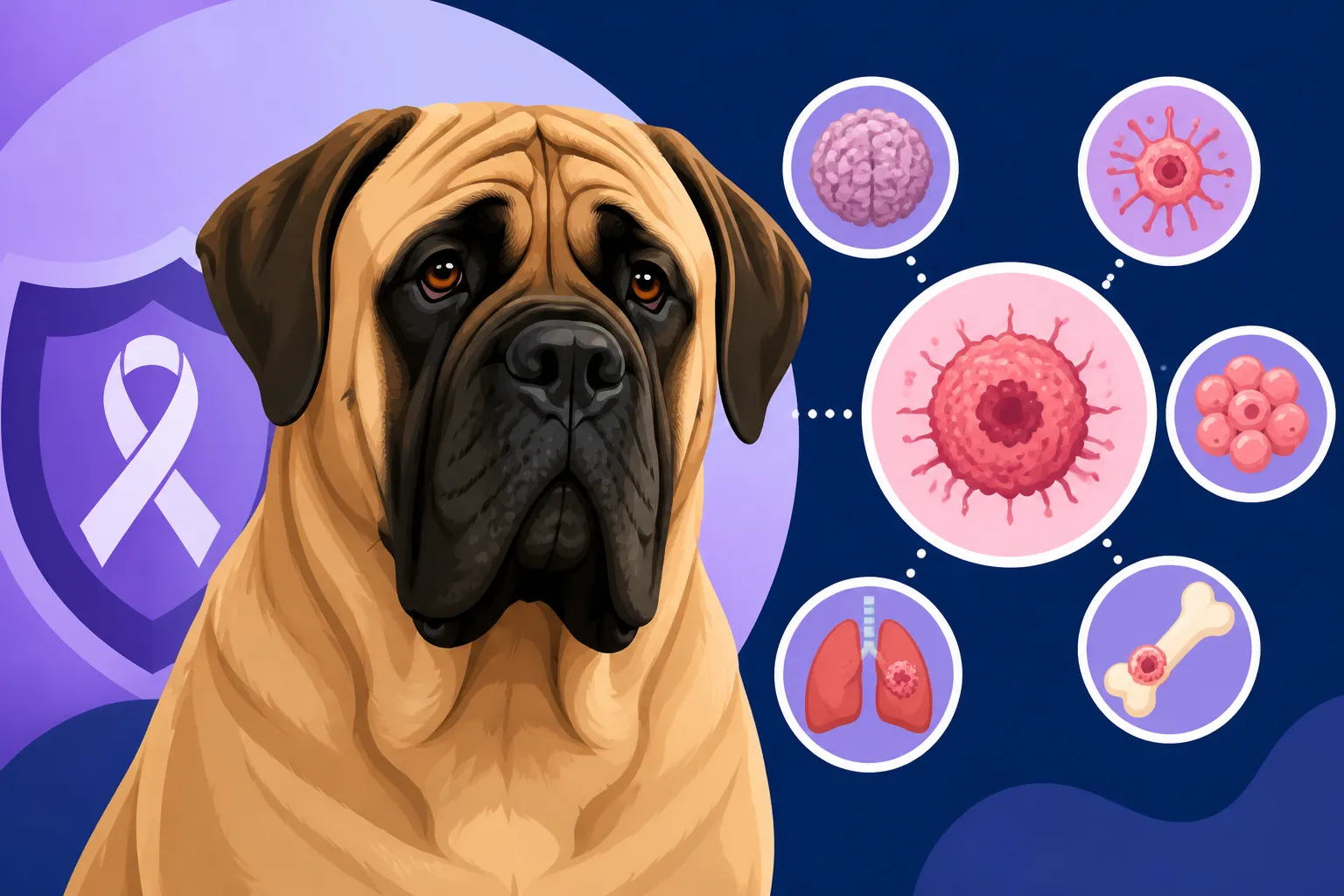
One of the hardest truths about sharing your life with a Mastiff is their tragically short lifespan, often leaving us heartbroken far too soon. When those precious years are also shadowed by the fear of debilitating diseases, it adds another layer of anxiety. This guide will delve into the various types of cancer that commonly affect Mastiffs, helping you understand the risks, recognize early signs, and explore the diagnostic and treatment paths available.
Common Cancers in Mastiffs
The sheer size and rapid growth of Mastiffs, while majestic, unfortunately contribute to a higher incidence of certain types of cancer. It’s a sad reality that these gentle giants are predisposed to several aggressive forms of the disease, often cutting short their already limited time with us. Understanding which cancers are most prevalent can help owners and breeders be more vigilant.
Osteosarcoma: The Bone Cancer Threat
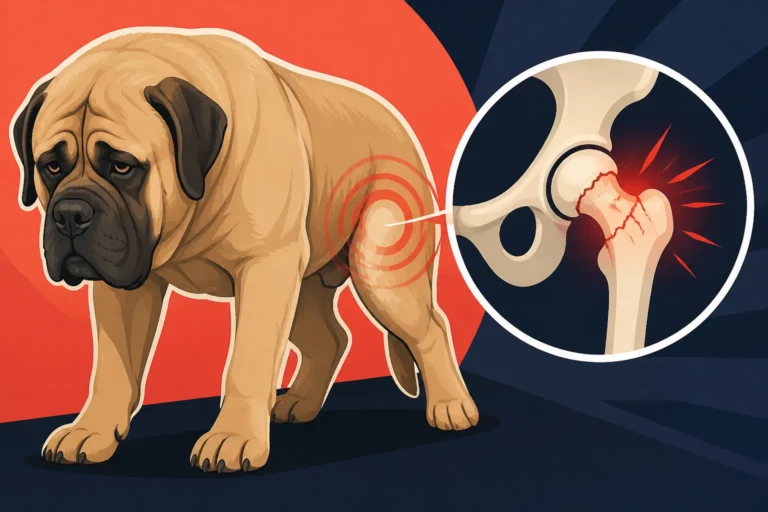
Perhaps one of the most devastating cancers for a Mastiff owner to face is osteosarcoma, an aggressive bone cancer. This isn't just a concern for smaller breeds; it's a huge issue for giant breeds like ours, partly due to their rapid bone growth and the immense stress placed on their skeletal structure throughout their lives. This particular cancer is incredibly aggressive, often spreading to other parts of the body, most commonly the lungs, even before the primary tumor is obvious. The weight of a Mastiff, sometimes exceeding 200 pounds, further complicates matters, as affected bones are under immense strain, making them prone to pathological fractures.
Owners often first notice a subtle lameness that seems to come and go, or perhaps a swelling in a limb that doesn't resolve. It might start as a "bad step" or a reluctance to put weight on a particular leg. This can be easily mistaken for a sprain or arthritis, especially in an older dog, which is why vigilance and prompt veterinary attention for any persistent lameness are absolutely crucial. This type of cancer frequently affects the long bones of the limbs – think the bones just above the wrist or just below the knee. The pain can be excruciating, and managing it becomes a primary concern as the disease progresses. When we talk about Whether a Mastiff Gets Osteosarcoma, it’s not a question of if it's a risk, but when and how aggressively it might manifest.
Lymphoma: A Systemic Challenge
Another significant concern for Mastiff owners is lymphoma, a cancer of the lymphatic system, which is a vital part of the immune system. Unlike a localized tumor, lymphoma can manifest in many different ways because lymphatic tissue is found throughout the body. This makes its detection sometimes tricky, as symptoms can be vague and generalized. It can affect the lymph nodes, spleen, liver, bone marrow, and even the gastrointestinal tract, skin, or central nervous system. This widespread potential makes it a systemic disease that requires a comprehensive approach to diagnosis and treatment.
The most common presentation of lymphoma is multicentric, meaning it involves multiple lymph nodes. You might notice enlarged lymph nodes under your Mastiff's jaw (mandibular), in front of their shoulders (prescapular), or behind their knees (popliteal). These might feel firm, rubbery, and non-painful. Other signs can include lethargy, decreased appetite, weight loss, fever, or increased thirst and urination. Because these signs can mimic many other illnesses, getting a proper diagnosis through biopsy or fine needle aspirate is essential. Discussing Lymphoma in a Mastiff is vital, as it's a cancer where early detection can significantly impact treatment success and quality of life.
Mast Cell Tumors: Skin and Internal Worries
Mast cell tumors (MCTs) are another common and concerning cancer in Mastiffs, accounting for a significant percentage of canine skin tumors. These tumors arise from mast cells, which are part of the immune system and are found throughout the body, particularly in the skin. Because these cells release histamine and other inflammatory compounds, MCTs can sometimes spontaneously change in size, itch, or even ulcerate, making them quite unpredictable. While often found on or under the skin, they can also occur internally in organs like the spleen, liver, or bone marrow, making internal MCTs much more difficult to detect and often more aggressive.
The appearance of a skin MCT can vary wildly. It might be a small, firm bump, a soft, greasy lump, or even an angry-looking, red, ulcerated mass. Sometimes, owners might dismiss a small lump as a wart or a fatty tumor (lipoma), which is a dangerous mistake with Mastiffs. Any new lump or bump, especially one that changes in size or appearance, absolutely warrants a veterinary check-up. The process of Which Lumps on a Mastiff Need Aspirating should be a routine part of your health management, especially given their predisposition to these types of tumors. Getting a fine needle aspirate (FNA) can often provide a preliminary diagnosis, guiding further steps like biopsy and surgical removal. The grade of the tumor, determined by histopathology after removal, dictates the prognosis and the need for additional therapies.
Hemangiosarcoma: The Silent Killer
Hemangiosarcoma is a particularly insidious cancer because it often remains hidden until it reaches an advanced stage. This aggressive, malignant tumor originates from the cells that line blood vessels, meaning it can develop anywhere blood vessels are present. However, in dogs, it most commonly affects the spleen, heart, or liver. The terrifying aspect of hemangiosarcoma is its tendency to bleed internally, often intermittently, before a catastrophic rupture. This internal bleeding can lead to vague symptoms that are easily missed until an emergency arises.
Because the spleen is a common site, a Mastiff might have a large splenic tumor for weeks or months without showing obvious signs. Owners might notice subtle lethargy, a slight decrease in appetite, or pale gums during a check. However, often the first indication is sudden collapse, weakness, pale mucous membranes, and a distended abdomen due to massive internal bleeding, which constitutes a life-threatening emergency. Even with immediate veterinary intervention and surgery, the prognosis is often guarded, as microscopic metastases are frequently present at the time of diagnosis. This "silent killer" characteristic is what makes regular veterinary check-ups and being attuned to subtle changes in your Mastiff's demeanor so critical.
Recognizing the Early Signs of Cancer
The sheer size of a Mastiff means that some changes can be harder to spot, or easier to attribute to their "lazy" nature or just "being a big dog." However, early detection is absolutely key in battling canine cancer, especially in a breed with an already short lifespan. Learning to recognize the subtle whispers before they become shouts is invaluable.
Subtle Behavioral Changes
Our Mastiffs, despite their formidable size, are often incredibly sensitive and intelligent creatures. They develop deep bonds with their families, and any shift in their routine behavior can be a red flag. A dog that is usually keen for a walk might start showing reluctance. A Mastiff known for its deep, resonant snore might suddenly seem quieter, or perhaps start panting excessively even when cool. Lethargy is a common, yet easily dismissed, symptom. We might think, "Oh, they're just getting old," or "It's a hot day," but a persistent lack of energy, or an inability to rouse them easily, warrants attention. If your Mastiff, who usually leans into you for attention, starts keeping a bit of distance, or seems less enthusiastic about their favorite squeaky toy, these small changes can signal an underlying problem.
Changes in appetite are also significant. A Mastiff who usually cleans their bowl might start leaving food, or show a preference for certain foods only. Excessive thirst or changes in urination frequency or volume can be symptoms of various illnesses, including some cancers affecting the kidneys or endocrine system. If your normally quiet Mastiff starts vocalizing more, perhaps whining or whimpering, it could indicate pain, which is often a symptom of bone cancer like osteosarcoma or internal tumors pressing on nerves. Even subtle lameness, as discussed with osteosarcoma, can initially present as a behavioral change – a reluctance to jump into the car, or a slight limp after getting up. Remember, you know your Mastiff best, and any deviation from their normal, happy self should prompt a call to your vet.
Physical Lumps and Bumps
Given a Mastiff's loose skin and often heavy wrinkles, new lumps and bumps can be easy to overlook or dismiss. However, any new mass, regardless of size, shape, or location, should be investigated. Mast cell tumors, as mentioned earlier, can appear almost anywhere on the body and can vary greatly in feel and appearance. Sometimes, a lump might appear suddenly and grow quickly, while others are slow-growing and seem to be there for ages before you truly notice them. It’s not just the skin; you should regularly feel all over your Mastiff's body, including their limbs, chest, and abdomen, for any unusual swellings or firm areas. Pay particular attention to the lymph nodes, located under the jaw, in the armpits, and behind the knees – if they feel enlarged or firm, it could be a sign of lymphoma.
Don't fall into the trap of thinking a lump is harmless just because it's soft or movable. While many benign fatty tumors (lipomas) are common in older, larger dogs, even these should be confirmed by a vet. The rule of thumb is: if you find something new, get it checked. A simple fine needle aspirate (FNA) can often differentiate between benign and malignant masses, giving you peace of mind or an early warning. It's a quick, relatively non-invasive procedure that can provide crucial information. For a breed that already requires substantial financial commitment, as highlighted in Why a Mastiff Costs More Per Year Than a Dog That Lives Twice as Long, early and proactive veterinary care for suspicious lumps is paramount.
Gastrointestinal and Respiratory Red Flags
Beyond lumps and behavioral shifts, changes in your Mastiff's gastrointestinal or respiratory systems can also signal cancer. Persistent vomiting or diarrhea, especially if accompanied by weight loss despite eating, could indicate tumors in the stomach, intestines, or pancreas. These aren't always dramatic; sometimes it's just a subtle shift in stool consistency or frequency that lingers for longer than it should. Blood in stool or vomit is, of course, a major red flag that requires immediate investigation. Hemangiosarcoma affecting the internal organs, while often silent, can sometimes cause subtle gastrointestinal upset due to internal bleeding or pressure on organs.
Respiratory issues, while often linked to heart conditions or allergies, can also be a sign of lung cancer or metastases from other primary tumors. A persistent cough that isn't resolving, increased respiratory rate even at rest, or labored breathing should always be taken seriously. Given the Mastiff's deep chest, they can be prone to other respiratory challenges, but cancer should always be on the differential list. If your Mastiff is struggling to breathe, showing blue-tinged gums, or collapsing, it's an emergency. These massive dogs already have a propensity for other life-threatening conditions like bloat, so any signs of distress or difficulty breathing should be addressed without delay.
Diagnosis and Treatment Options for Mastiff Cancer
Receiving a cancer diagnosis for your Mastiff is, frankly, devastating. It’s natural to feel overwhelmed and uncertain about the path forward. However, it's important to remember that significant advancements have been made in veterinary oncology, offering various options for diagnosis and treatment. The best approach is always a collaborative one, working closely with your veterinarian and potentially a veterinary oncologist.
Diagnostic Procedures: Getting a Clear Picture
When your vet suspects cancer, they'll recommend a series of diagnostic tests to get a precise diagnosis and stage the disease. This is crucial because knowing the type of cancer, its grade (how aggressive it is), and whether it has spread will dictate the most effective treatment plan. The initial steps often include blood work, which can reveal abnormalities in blood cell counts, organ function, or inflammatory markers, although it rarely gives a definitive cancer diagnosis on its own. Urinalysis might also be performed.
Radiographs (X-rays) are commonly used to look for tumors in the chest (especially the lungs, as many cancers metastasize there) or bone lesions like those seen in osteosarcoma. For soft tissue tumors, an ultrasound of the abdomen might be performed to check organs like the spleen, liver, and lymph nodes. For masses on or under the skin, a fine needle aspirate (FNA) is often the first step; cells are collected with a small needle and examined under a microscope. If the FNA is inconclusive or if a definitive diagnosis is needed, a biopsy, which involves surgically removing a small piece of tissue, is performed. This tissue is then sent to a veterinary pathologist for a definitive diagnosis and grading. In some cases, advanced imaging like CT scans or MRIs might be recommended, particularly for complex tumors or those affecting the brain or spinal cord. These detailed images help veterinary oncologists plan surgeries or radiation therapy more precisely.
Surgical Interventions: When and Why
Surgery is often the cornerstone of cancer treatment in Mastiffs, especially for solid tumors that are localized and haven't spread extensively. The goal of surgical removal is to completely excise the tumor with wide, clean margins, meaning a significant amount of healthy tissue around the tumor is also removed to ensure no cancerous cells are left behind. This is particularly important for mast cell tumors, where inadequate margins can lead to recurrence. For osteosarcoma, amputation of the affected limb is often recommended, sometimes combined with chemotherapy, to alleviate pain and prevent further spread. While the idea of amputation for a Mastiff can be daunting, many large dogs adapt remarkably well, especially if pain relief is achieved.
However, surgery isn't always an option. If the cancer has widely metastasized, or if the tumor is in a location that makes surgical removal impossible or too risky (e.g., deeply embedded in vital organs, or if the Mastiff's overall health isn't robust enough for a major operation), other treatments are explored. For example, some splenic hemangiosarcomas can be surgically removed if detected early enough, but the challenge often lies in its silent progression. The decision for surgery always involves weighing the potential benefits against the risks, including the considerable anesthesia risks for a giant breed like a Mastiff. The sheer size of our dogs means that Why Anesthesia Is Riskier in a Mastiff is a very real concern, and a thorough pre-anesthetic workup is non-negotiable.
Chemotherapy, Radiation, and Other Therapies
Beyond surgery, chemotherapy and radiation therapy are frequently used, either alone or in combination with surgery. Chemotherapy involves the use of drugs to kill cancer cells, and unlike in humans, the goal in veterinary oncology is often to achieve remission and improve quality of life, rather than a full cure, which can be elusive. The doses used are typically lower, leading to fewer severe side effects, and most dogs tolerate chemotherapy remarkably well. It can be administered orally, intravenously, or sometimes directly into the tumor. Chemotherapy is particularly effective for systemic cancers like lymphoma, but also used as an adjuvant therapy after surgery for aggressive tumors (like high-grade mast cell tumors or osteosarcoma) to kill any remaining cancer cells or to slow the spread of metastasis.
Radiation therapy uses high-energy rays to damage and kill cancer cells. It's often employed for localized tumors that cannot be surgically removed, or to reduce pain and improve comfort (palliative radiation), especially for bone tumors. Radiation typically requires multiple treatments, and each session necessitates general anesthesia, which, again, brings up concerns about How Much Anesthetic a Two Hundred Pound Mastiff Takes. Newer, more targeted therapies, such as tyrosine kinase inhibitors (like Palladia, which can be used for some mast cell tumors), are also becoming available, offering more specific ways to attack cancer cells with potentially fewer side effects. Immunotherapy, which aims to boost the body's own immune response against cancer, is another area of active research and development, providing hope for future treatments.
Managing Life with a Cancer Diagnosis
A cancer diagnosis doesn't mean the end of quality of life for your Mastiff. Many dogs, even with aggressive cancers, can have several months, or even years, of good quality life with proper management and dedicated care. This period becomes a testament to the bond you share, focusing on comfort, happiness, and minimizing pain.
Supportive Care and Palliative Measures
When a Mastiff is diagnosed with cancer, especially if it's advanced or aggressive, the focus often shifts to supportive care and palliative measures. This means doing everything possible to keep them comfortable, pain-free, and enjoying their remaining time. Pain management is paramount, especially for bone cancers like osteosarcoma, which can be incredibly painful. Your vet might prescribe a combination of pain medications, including NSAIDs (non-steroidal anti-inflammatory drugs), gabapentin, tramadol, or even stronger opioids in severe cases. These are often tailored to your Mastiff's specific needs and adjusted as the disease progresses.
Beyond medication, practical steps at home can make a huge difference. Providing soft, orthopedic bedding in multiple locations helps prevent pressure sores and ease joint pain. Making sure they have good traction on floors, perhaps with runners or rugs, prevents slips and falls that could exacerbate pain. For older Mastiffs, managing their comfort is a critical aspect of Caring for a Mastiff Past Five, and a cancer diagnosis only amplifies this need. Regular, gentle exercise (if appropriate and comfortable for your dog) can help maintain muscle mass and mental well-being, but never push them beyond their comfort level. Keeping them clean and dry, especially if they have incontinence or open wounds, is also vital for comfort and preventing secondary infections.
Nutritional Considerations for Cancer Patients
Nutrition plays a surprisingly significant role in managing canine cancer. Cancer cells often metabolize carbohydrates differently and can thrive on them, while also causing a phenomenon called "cancer cachexia," where the body loses muscle mass despite adequate caloric intake. Therefore, a diet tailored to a cancer patient often aims to be relatively low in simple carbohydrates, higher in fat, and with moderate-to-high quality protein. This helps provide energy without fueling the cancer, and supports muscle maintenance.
Many veterinary oncologists will recommend specific prescription diets formulated for cancer patients, such as Purina Pro Plan Veterinary Diets NC Canine or Royal Canin Veterinary Diet Canine GI Low Fat. Alternatively, working with a veterinary nutritionist to formulate a homemade diet can be an option, but this requires careful planning to ensure it's balanced and meets all nutritional needs for a Mastiff, a task that can be complicated by their substantial dietary requirements. Adding Omega-3 fatty acids, like fish oil, is often recommended due to their anti-inflammatory properties and potential anti-cancer effects. Always discuss any dietary changes or supplements with your veterinarian or oncologist, as some supplements can interfere with chemotherapy drugs or other medications.
Emotional Toll on Owners
Let's be real, watching your beloved Mastiff battle cancer is an incredibly tough journey, and it takes a significant emotional toll on owners. These dogs are family members, and seeing them in pain or decline is heartbreaking. The financial strain can also be immense; treatments like surgery, chemotherapy, and radiation can run into thousands of dollars, making you feel trapped between your love for your dog and the practical realities of your bank account. This financial burden is often why organizations like Healthy Paws exist, helping families manage the unexpected costs of serious illnesses.
It's okay to feel overwhelmed, sad, angry, or even guilty. These are all normal emotions when facing such a challenge. Finding a support system, whether it's understanding friends, family, or online communities of Mastiff owners, can be incredibly helpful. Don't be afraid to talk about your feelings and fears. It's also important to remember that you are doing your best, and providing comfort and love is one of the most powerful treatments you can offer. Making the difficult decisions about treatment versus palliative care, and eventually, end-of-life care, is one of the heaviest burdens, and seeking guidance from your vet, who can help you assess your Mastiff's quality of life, is essential.
Prevention and Risk Factors
While we can't completely prevent cancer in our Mastiffs, understanding the contributing factors and taking proactive steps can potentially reduce the risk or lead to earlier detection, giving our beloved companions the best possible chance.
Genetic Predisposition and Responsible Breeding
Genetics play a significant role in cancer susceptibility across many breeds, and Mastiffs are no exception. The prevalence of certain cancers like osteosarcoma and lymphoma in Mastiffs suggests a strong genetic component. Responsible breeders are keenly aware of these predispositions and strive to make informed breeding decisions. This means not only testing for known genetic diseases that are easily identifiable through DNA tests but also carefully scrutinizing the health history, including cancer diagnoses, of their breeding lines for generations. A breeder who is transparent about cancer prevalence in their dogs' pedigrees is invaluable.
For potential Mastiff owners, asking breeders about the incidence of cancer in their lines, particularly in parents and grandparents, is crucial. While no breeder can guarantee a cancer-free dog, choosing a puppy from lines with a history of longevity and fewer cancer incidences can be a protective measure. It ties into the importance of comprehensive health testing, similar to the discussions around The Four CHIC Tests a Mastiff Breeder Must Clear, which often includes screenings for conditions that might influence overall health and lifespan, indirectly impacting cancer risk. Supporting breeders who prioritize health over mere aesthetics is a vital step in working towards a healthier future for the breed.
Environmental Factors and Lifestyle Choices
Beyond genetics, environmental factors and lifestyle choices also contribute to cancer risk in Mastiffs, just as they do in humans. Exposure to certain toxins, pesticides, herbicides, and other chemicals in the home or yard can increase cancer risk. Opting for pet-safe cleaning products and lawn care can make a difference. Smoking in the house can also expose your Mastiff to secondhand smoke, which is a known carcinogen. Being mindful of these everyday exposures can help reduce the overall toxic load on your dog's system.
Maintaining a healthy weight is another critical lifestyle choice. Obesity is linked to increased inflammation and a higher risk of various cancers in dogs. Given the Mastiff's propensity to gain weight, and the added stress that extra pounds put on their joints, keeping them lean is vital for their overall health and longevity. Regular, appropriate exercise, as discussed in topics like Why a Mastiff Only Needs One Hour a Day, helps maintain a healthy metabolism and immune system. Even though a Mastiff's exercise needs are not as demanding as some other breeds, consistent, moderate activity is important. Providing high-quality nutrition, free from artificial additives, can also support their immune system and overall health, potentially reducing cancer risk.
The Role of Neutering Age
The timing of neutering, particularly in male Mastiffs, has become a hot topic in recent years regarding its potential impact on certain health conditions, including cancer. While early neutering used to be universally recommended, mounting research suggests that for large and giant breeds, waiting until the dog is physically mature might be beneficial for musculoskeletal development and potentially for reducing the risk of certain cancers. For instance, some studies have indicated a potential link between early neutering and an increased risk of osteosarcoma in certain large breeds, though the evidence is complex and still being debated.
For male Mastiffs, intact males are known to be at risk for prostate issues and perianal tumors, which neutering can prevent. However, the balance between these benefits and potential increased risk for other cancers or orthopedic problems is a nuanced discussion. The decision on Why Neutering Age Matters More in a Male Mastiff should be made in consultation with your veterinarian, considering your Mastiff's individual health, genetics, and lifestyle. If you're pondering Whether Early Neutering Raises a Mastiff's Cancer Risk, it's clear there's no single, easy answer, and personalized advice is best. Many owners now opt for a later neuter, sometimes between 18 months and 2 years, to allow for full skeletal and hormonal development before altering.
| Cancer Type | Common Locations | Early Signs to Watch For | Prognosis (Untreated) | Common Treatments |
|---|---|---|---|---|
| Osteosarcoma | Long bones (limbs), ribs, spine, skull | Persistent lameness, swelling, pain, reluctance to move | Poor, rapid spread | Amputation, chemotherapy, pain management, radiation |
| Lymphoma | Lymph nodes, spleen, liver, bone marrow | Enlarged lymph nodes, lethargy, weight loss, decreased appetite | Fair-Poor | Chemotherapy, steroids |
| Mast Cell Tumor | Skin (anywhere), spleen, liver, bone marrow | New lump/bump (variable appearance), itching, ulceration | Variable (grade-dependent) | Surgery (wide margins), radiation, chemotherapy, targeted therapies |
| Hemangiosarcoma | Spleen, heart, liver, skin | Subtle lethargy, pale gums, weakness, sudden collapse (internal bleeding) | Poor, aggressive spread | Surgery (splenectomy), chemotherapy, supportive care |
| Fibrosarcoma | Skin, soft tissues | Firm, immovable mass under the skin | Variable | Surgery, radiation |
Disclaimer
The information provided in this guide is for general informational purposes only and does not constitute veterinary advice. Always consult with a qualified veterinarian for any health concerns or before making any decisions about your Mastiff's care, diet, or treatment. Cancer diagnosis and treatment require professional medical expertise.