Which Lumps on a Mastiff Need Aspirating
Finding a new lump or bump on your beloved Mastiff can send a shiver of dread down any owner's spine. These gentle giants, while magnificent, are prone to various health concerns, and any unusual growth immediately raises questions and fears about what it could mean for their relatively short lifespan. This comprehensive guide will walk you through understanding why certain lumps on your Mastiff might need an aspiration, what that procedure entails, and what to expect afterward, so you feel better prepared for that crucial vet visit.
The Initial Worry of Finding a Lump on Your Mastiff
It’s an undeniable truth for Mastiff owners: a new lump or bump instantly triggers anxiety. These aren't small dogs where a tiny pea-sized growth is easily dismissed. With their sheer size, loose skin, and often deep wrinkles, finding something unexpected can feel overwhelming, and the implications can be significant.
Why Lumps are Especially Concerning in Giant Breeds
Let’s be honest, living with a Mastiff means living with the knowledge that their time with us is precious and often shorter than we'd wish. When we consider their genetics, Mastiffs, like many large and giant breeds, can be predisposed to certain health conditions, including various forms of cancer. This predisposition makes any new lump a higher-stakes situation. You’re not just looking at a growth; you’re thinking about the potential for something serious in a dog whose health journey can sometimes be a sprint rather than a marathon. Moreover, their massive size means that even a benign lump can grow quite large and cause discomfort simply due to its bulk or location, impacting their mobility or quality of life. The challenge is often compounded by the fact that what might be a small, easily identifiable lump on a smaller dog can be hidden for longer in a Mastiff's impressive folds and rolls, making early detection a true scavenger hunt for us diligent owners.
The Importance of Early Detection and Veterinary Consultation
The natural inclination might be to observe a new lump for a few days, especially if your Mastiff seems otherwise fine. However, with a Mastiff, that "wait and see" approach can be a gamble you really don't want to take. Early detection is paramount. A lump that looks harmless on the surface could be rapidly growing internally, or it could be a mast cell tumor, which can be particularly aggressive and unpredictable. A prompt visit to your veterinarian gives you the best chance to identify what you’re dealing with quickly, whether it’s something entirely benign or something that requires immediate intervention. Many times, the vet might reassure you it's nothing to worry about, but that peace of mind is invaluable. Don't ever hesitate to schedule an appointment for any new growth you find, no matter how insignificant it might seem at first glance. Remember, even if it feels soft and movable, only a medical professional can truly tell you if it's benign or a cause for concern.
Understanding Aspiration: What It Is and Why It's Done
When you bring your Mastiff in for that mysterious lump, one of the first diagnostic tools your vet is likely to suggest is a fine needle aspirate, often abbreviated as FNA. It sounds a bit intimidating, but it's a relatively simple and incredibly valuable procedure.
The Fine Needle Aspirate FNA Procedure Explained
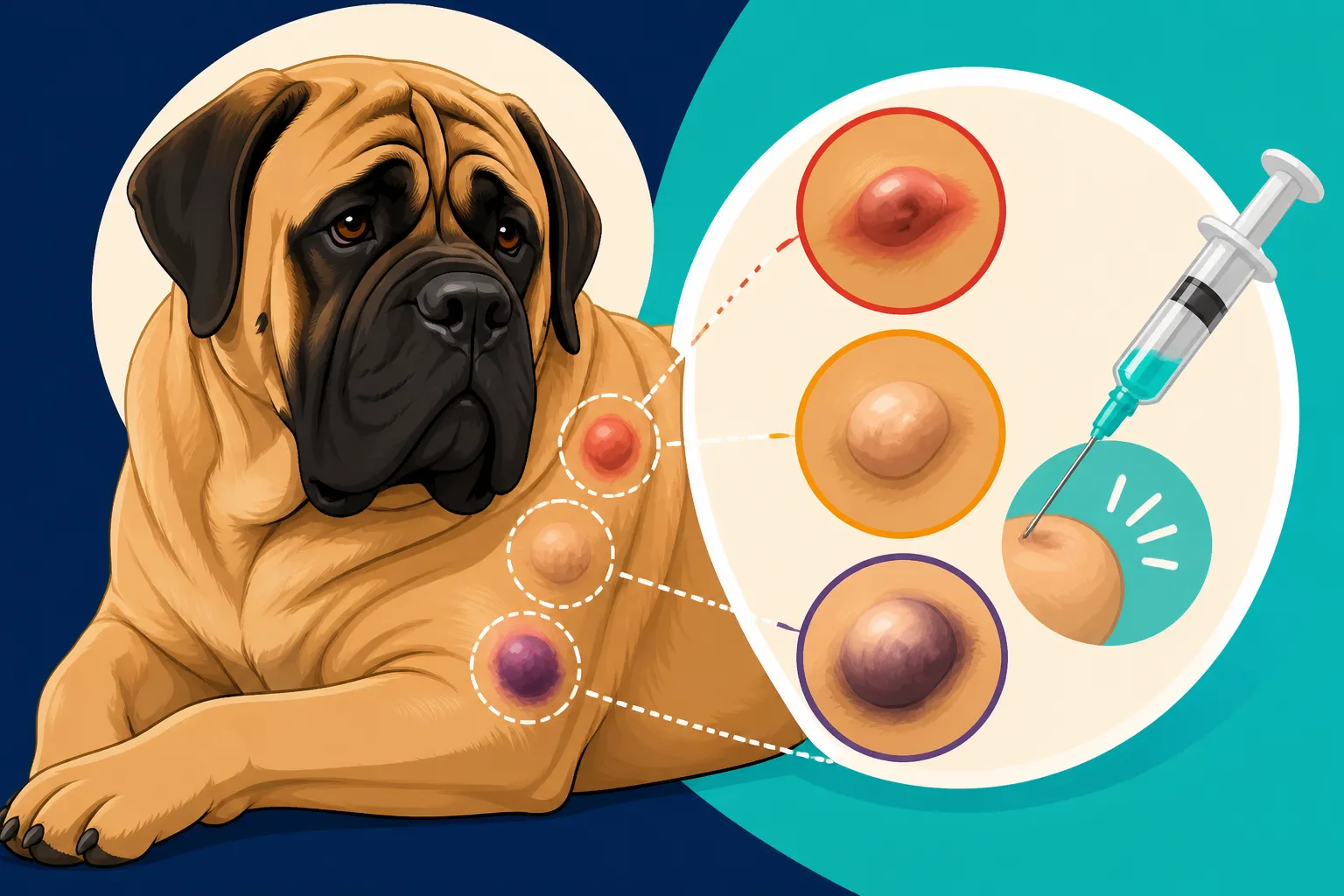
Imagine a routine blood draw, but instead of drawing blood, your vet is gently trying to collect a few cells from inside the lump. That's essentially what a fine needle aspirate is. Using a very thin needle, often no larger than the one used for vaccinations, attached to a syringe, your vet will carefully insert it into the lump. They'll then apply suction to the syringe, moving the needle around within the mass to collect a sample of cells. This usually only takes a few seconds and is repeated a couple of times to ensure a good sample.
For most dogs, this procedure is quick and causes minimal discomfort, often no more than a pinprick. Many Mastiffs, with their famously stoic and gentle nature, will tolerate it without any sedation at all, perhaps just needing a reassuring hand from you and a skilled vet tech to help keep them still. However, given their sheer size and strength, if the lump is in a particularly sensitive area, or if your Mastiff is a bit more anxious, a very light sedative might be considered to ensure everyone's safety and comfort. Once the cells are collected, they're carefully expressed onto a microscope slide, stained, and then examined by either your vet in-house or, more commonly and accurately, sent off to a veterinary pathologist for expert analysis. A reputable clinic like "BluePearl Pet Hospital" in cities across the US performs countless FNAs weekly, so it’s a very common procedure.
What an Aspiration Can Tell Your Vet (and What It Can't)
The beauty of an FNA lies in its ability to provide a quick look at the cellular makeup of a lump, offering crucial clues without the need for surgery. What can it tell you? A lot! The pathologist can often identify if the lump is:
- Fatty tissue (lipoma): This is often the best-case scenario, indicating a benign fatty tumor.
- Inflammatory cells: Suggesting an infection, irritation, or an allergic reaction.
- Cystic material: Indicating a fluid-filled sac, often benign.
- Specific tumor cells: Such as mast cells, histiocytes, or even carcinoma cells, giving a strong indication of cancer.
However, it's vital to understand what an FNA cannot always definitively tell you. Because it only collects a small sample of cells, it can sometimes miss the "bad" cells if they're not evenly distributed throughout the lump. This can lead to an "inconclusive" or "suspicious" result. It also doesn't always provide the full architectural structure of the mass, which is often necessary to grade a tumor's aggressiveness or determine if it's truly benign or malignant. So, while an FNA is an excellent first step, a non-diagnostic or ambiguous result often means a follow-up procedure, like a biopsy, is necessary for a definitive diagnosis. It’s part of the process of understanding the full scope of your Mastiff’s health.
Which Lumps on a Mastiff Are Most Likely to Need Aspiration
Given the potential for various types of growths, it’s helpful to know which ones commonly appear on Mastiffs and when an aspiration becomes a non-negotiable step in their care.
Common Benign Lumps and When They Still Warrant Aspiration
It’s a huge relief when a lump turns out to be benign, but even these common, generally harmless growths often warrant an aspiration.
- Lipomas (Fatty Tumors): These are arguably the most common lumps found on Mastiffs, especially as they get older. They feel soft, squishy, and are usually movable under the skin, much like a small beanbag. You’ll often find them on their trunk or limbs. While usually benign, they can sometimes grow quite large and cause mobility issues if they press on joints or muscles. The aspiration for a suspected lipoma is invaluable because it confirms that the lump is indeed just fat cells and not something more sinister mimicking a fatty tumor. This confirmation provides immense peace of mind. Even if you suspect it's a lipoma, please don’t skip the vet visit. You wouldn’t want to mistakenly assume a harmful growth is benign.
- Cysts (Sebaceous Cysts, Follicular Cysts): These often feel like a firm, sometimes movable, round lump under the skin. They can occasionally rupture, releasing a thick, cottage cheese-like material, which is, frankly, pretty gross but usually harmless. Aspiration helps differentiate them from solid tumors by identifying the fluid or cellular debris typical of a cyst. They might not be cancerous, but an infected cyst can be painful and require drainage or removal.
- Warts and Skin Tags: While often visually identifiable, especially if your Mastiff has a skin tag dangling off their elbow, some warts can appear more solid or grow in unusual places, making them indistinguishable from other growths without a closer look. An aspiration can rule out other types of tumors, especially if there's any doubt about their appearance.
Even when a lump is "likely" benign, a vet will almost always recommend an FNA. This isn’t overkill; it's a vital step to confirm the diagnosis and ensure that no nasty surprises are lurking. Remember, an early, accurate diagnosis, even of a benign condition, contributes to your Mastiff's overall well-being and helps manage any potential discomfort. This proactive approach is particularly important considering The Mastiff's Short Life Buys the Biggest Bills.
Red Flag Lumps That Absolutely Need Prompt Aspiration
While some lumps might seem benign, others scream "vet visit, NOW!" These are the growths that absolutely, unequivocally, need prompt aspiration and often further investigation.
- Mast Cell Tumors (MCTs): These are the chameleons of the canine cancer world and are unfortunately quite common in Mastiffs. They can appear in a dizzying array of forms: a small bump, a raised red lesion, a rapidly growing mass, or even just an ulcerated area. They can be soft or firm, itchy or painless. What makes them so dangerous is their potential to be highly aggressive, spreading quickly if not addressed. An FNA is critical for suspected MCTs because it can often provide an immediate diagnosis, allowing your vet to act swiftly. Early and aggressive treatment, usually surgical removal, is key to a better prognosis. This is a situation where your pet insurance, like Healthy Paws, can be an absolute lifesaver, covering diagnostic tests and the potentially expensive surgeries and treatments that follow.
- Histiocytomas: These are typically benign skin tumors that primarily affect young dogs, often resolving on their own within a few months. They usually appear as a fast-growing, dome-shaped, hairless, and sometimes ulcerated lump. While generally harmless, they can sometimes be confused with more aggressive tumors. An FNA can help confirm it’s a histiocytoma, allowing for a watchful waiting approach rather than unnecessary surgery. However, if it grows unusually or affects an older Mastiff, further investigation might be needed.
- Soft Tissue Sarcomas: These are malignant tumors that typically grow slowly but aggressively invade local tissues. They often feel firm and fixed to underlying structures, making them less movable than a lipoma. Early detection through aspiration is crucial for these because wide surgical margins are often required for successful removal, which can be more challenging with large tumors.
- Lymphoma (Cutaneous Lymphoma): While lymphoma often affects lymph nodes internally, it can sometimes manifest as skin lumps, plaques, or generalized skin redness. If your vet suspects lymphoma based on physical exam, an FNA of a skin lesion or an enlarged peripheral lymph node would be a vital diagnostic step.
Any lump that is rapidly growing, feels firm or irregular, is painful to the touch, or is discolored and ulcerated should prompt an immediate call to your veterinarian. Time is of the essence with these "red flag" lumps, and prompt aspiration is your best first line of defense in protecting your Mastiff. The costs associated with diagnosing and treating these serious conditions can quickly add up, making the support from a robust pet insurance plan like Healthy Paws incredibly valuable.
After the Aspiration: Next Steps and Management
Once the aspiration is done and you've received the results, you'll be faced with decisions about how to proceed. It's a journey, not a single step, and understanding the path ahead is crucial.
Interpreting Results and Further Diagnostic Options
Receiving the results of your Mastiff's FNA can bring a range of emotions. Here’s a breakdown of what different outcomes might mean:
- Clear and Benign Results: This is the news we all hope for! If the pathologist definitively identifies the lump as a lipoma, a sebaceous cyst, or another benign growth, you can breathe a huge sigh of relief. Your vet will likely recommend simply monitoring the lump for any changes in size or appearance. For some benign growths that are large or in an inconvenient location, your vet might discuss elective removal, but often, no further immediate action is needed.
- Inconclusive or Suspicious Results: Sometimes, the FNA sample might not be sufficient, or the cells present are ambiguous. This doesn't necessarily mean cancer, but it does mean your vet can't rule it out. In these cases, your vet will almost certainly recommend a biopsy. A biopsy provides a larger tissue sample, allowing the pathologist to examine the structure of the lump and get a definitive diagnosis. There are two main types: an incisional biopsy (removing a small piece) or an excisional biopsy (removing the entire lump). Deciding which type depends on the lump's size, location, and the vet's suspicion level. This step is particularly important for a Mastiff, as the prognosis for many cancers depends heavily on early, complete removal.
- Malignant Results: If the FNA confirms a cancerous growth, your world might feel like it's been turned upside down. Your vet will guide you through the next steps, which typically involve:
- Staging: This might include further diagnostics like X-rays of the chest, abdominal ultrasound, and blood tests to see if the cancer has spread. This helps determine the best course of action and prognosis.
- Treatment Options: Depending on the type and stage of cancer, options can include surgery (often the primary treatment), chemotherapy, radiation therapy, or a combination of these. For instance, a mast cell tumor often requires extensive surgery to ensure all cancerous cells are removed. Understanding Which Cancers Mastiffs Get is an unfortunate but necessary part of Mastiff ownership, and navigating these treatments can be complex and costly. It is during these challenging times that a good pet insurance plan like Healthy Paws can significantly ease the financial burden, allowing you to focus on your Mastiff's care without added stress. Given that Why Anesthesia Is Riskier in a Mastiff, any surgical procedure will involve careful planning and discussion with your vet.
Managing and Monitoring Lumps on Your Mastiff
Regardless of the diagnosis, ongoing management and diligent monitoring are crucial for your Mastiff's health.
- Regular Home Checks: Make it a routine to give your Mastiff a full "once over" at least once a month. This means feeling over their entire body, paying special attention to areas where you've previously found lumps or where their skin folds are deep. Feel for new bumps, or any changes in existing ones. This can be a bonding experience, too, a gentle massage that serves a greater purpose.
- Documentation is Key: If you find a new lump or notice a change in an old one, grab a notebook. Note the date, the exact location (maybe even draw a little map of your dog), its size (you can use calipers or measure it against a coin), how it feels (soft, firm, movable, fixed), and any other observations (redness, hair loss, discharge). This detailed record will be invaluable to your vet.
- The Challenges of Monitoring a Massive Dog: We all know how much real estate a Mastiff occupies. Their sheer size, combined with loose skin, can make tracking lumps tricky. A small mark with a pet-safe marker pen can sometimes help pinpoint a lump for follow-up measurements, but use caution not to irritate the skin. If a lump is benign and simply being monitored, getting accurate, consistent measurements at home can be tough. Your vet might re-measure it at regular check-ups. As your Mastiff ages, it's even more vital to keep up with these checks, as Caring for a Mastiff Past Five often means a higher likelihood of new lumps appearing.
- Consistent Veterinary Check-ups: Beyond aspirating existing lumps, regular wellness exams are vital. Your vet can often spot things you might miss and can keep a comprehensive record of any growths. They might even recommend periodic re-evaluation of benign lumps, especially if they are growing or changing.
Remember, you are your Mastiff's best advocate. Staying informed, vigilant, and working closely with your veterinarian are the best ways to manage any lumps that appear, ensuring your gentle giant lives as comfortably and healthily as possible for all their precious years.
Here's a quick summary table of common lump types and their typical aspiration recommendations:
| Lump Type | Common Characteristics | Likely FNA Result | Typical Aspiration Recommendation | Further Action (if needed) |
|---|---|---|---|---|
| Lipoma | Soft, movable, non-painful, often on trunk/limbs. | Benign (fat cells) | Strongly Recommended (for confirmation) | Monitor; elective removal if large/interfering. |
| Sebaceous Cyst | Firm, round, sometimes ruptures cheesy discharge. | Benign (cellular debris/fluid) | Strongly Recommended (to rule out solid tumor) | Monitor; drainage/removal if infected or problematic. |
| Histiocytoma | Fast-growing, dome-shaped, hairless, often in young dogs. | Benign (histiocytes) | Strongly Recommended (to differentiate from MCT) | Monitor (often resolves spontaneously); removal if persistent/problematic. |
| Mast Cell Tumor | Highly variable (can be anything!), rapidly growing, can be ulcerated. | Malignant (mast cells) | ABSOLUTELY ESSENTIAL & URGENT | Staging (X-rays, ultrasound), wide surgical removal, chemotherapy/radiation. |
| Soft Tissue Sarcoma | Firm, fixed, slow-growing but invasive, often on limbs/trunk. | Suspicious/Malignant | ABSOLUTELY ESSENTIAL | Biopsy (for grading), wide surgical removal, radiation. |
| Abscess | Hot, painful, soft/fluctuant, rapid onset. | Inflammatory (pus/bacteria) | Recommended (to confirm infection) | Drainage, antibiotics. |
| Skin Tag/Wart | Small, stalk-like, irregular surface (wart). | Benign (skin cells) | Recommended (if appearance is atypical) | Monitor; removal if irritated or cosmetically undesirable. |
Disclaimer
The information provided in this article is for general informational purposes only and is not a substitute for professional veterinary advice, diagnosis, or treatment. Always seek the advice of your veterinarian or other qualified animal health provider with any questions you may have regarding a medical condition. Never disregard professional veterinary advice or delay in seeking it because of something you have read here.