Why Only Intact Male Mastiffs Form Cystine Stones
It's one of the most terrifying moments for a Mastiff owner: you notice your big boy straining, pacing, or unable to pass urine, and suddenly you're facing a life-threatening emergency. This particular crisis, the formation of cystine stones, almost exclusively afflicts intact male Mastiffs, leaving many wondering why their beloved companion, and not their female counterparts, is facing such a dangerous metabolic challenge. This comprehensive guide will delve deep into the complex interplay of genetics, hormones, and anatomy that makes intact male Mastiffs uniquely susceptible to this painful and often critical condition.
Understanding Cystinuria Type III in Mastiffs
When you hear about bladder stones or kidney stones in dogs, it can feel like a generic problem, but for Mastiffs, there's a very specific, inherited form called Cystinuria Type III. This isn't just about a poor diet or bad luck; it's rooted deep in their genetic makeup, making them prone to a particular kind of stone that most other breeds don't face in the same way.
What Exactly is Cystinuria?
At its heart, cystinuria is a metabolic disorder that affects how a dog's kidneys process an amino acid called cystine. Normally, the kidneys filter waste products from the blood, reabsorbing essential nutrients and letting excess waste pass into the urine. In dogs with cystinuria, there's a defect in the specific transporters in the kidney tubules that are responsible for reabsorbing cystine. Instead of being reabsorbed and put back into the body, an excessive amount of cystine is excreted into the urine.
Cystine isn't very soluble in acidic urine, and when its concentration becomes too high, it starts to crystallize. These tiny crystals can then clump together, growing larger and larger over time, eventually forming stones. These stones can range from tiny grains of sand to large, golf-ball-sized structures, and they can form in the kidneys, ureters, bladder, or urethra. The presence of these stones causes inflammation, pain, and can lead to severe urinary tract infections, but the most dangerous complication is when a stone gets lodged and completely blocks the flow of urine. This is an immediate, life-threatening emergency.
The Specifics of Type III in Mastiffs
While cystinuria exists in several dog breeds, Mastiffs are afflicted by a distinct form known as Type III. This distinction is crucial because it highlights that not all cystinuria is created equal, and the genetic and physiological mechanisms can vary significantly between breeds. In Mastiffs, Type III is characterized by its androgen-dependent nature, meaning the formation of these stones is heavily influenced by male sex hormones.
This specific type in Mastiffs is linked to a particular genetic mutation. While a female Mastiff can carry the gene for Type III cystinuria, the likelihood of her developing clinically significant stones is incredibly low due to the absence of the male hormones that drive stone formation. This genetic predisposition means that even if a Mastiff puppy looks perfectly healthy, if both parents carry the gene, or if one parent is affected, the puppy is at risk. For this reason, reputable breeders are diligent about health testing. You can learn more about specific health screenings in our guide, "Which DNA Tests a Mastiff Breeder Should Add". Understanding "What Cystinuria Type III Does to a Mastiff" is key for any owner of this magnificent breed.
The Role of Androgens and Male Anatomy
This is where the 'intact male' part of the puzzle truly comes into focus. It’s not just about being male, but specifically about the presence of high levels of male hormones, combined with a particular anatomical design, that places intact male Mastiffs in the high-risk category for cystine stones.
Why Hormones Matter: Androgen Dependency
Androgens are a group of hormones, the most well-known being testosterone, primarily associated with male characteristics and reproductive functions. In Mastiffs with Type III cystinuria, these male sex hormones play a direct and critical role in the over-excretion of cystine and the subsequent stone formation. The kidneys have specific transporters that handle amino acids, and in these susceptible Mastiffs, androgens are believed to upregulate or enhance the activity of these transporters, leading to an even greater amount of cystine being dumped into the urine.
Without these high levels of androgens, the process of cystine excretion is significantly reduced, explaining why neutered males and virtually all females rarely develop clinical signs of the disease. This androgen dependency is the fundamental reason "Why Mastiff Cystinuria Is Androgen Dependent". An intact male Mastiff, continuously producing these hormones, is essentially operating with a system primed for stone formation if they also carry the genetic mutation for cystinuria. It's a cruel twist of biology that their very masculinity, which we often admire, becomes a vulnerability when combined with this specific genetic defect. This is why castration is often a recommended part of managing or preventing recurrence of cystine stones, as it drastically reduces androgen levels.
The Unfortunate Anatomy of the Male Urethra
Even if a female Mastiff were to form cystine crystals – which, as we've discussed, is extremely rare due to the androgen dependency – she would still be at a significantly lower risk of a life-threatening blockage compared to her male counterpart. The difference lies squarely in anatomy, a fact that often highlights the fragility of large male dogs in many health scenarios.
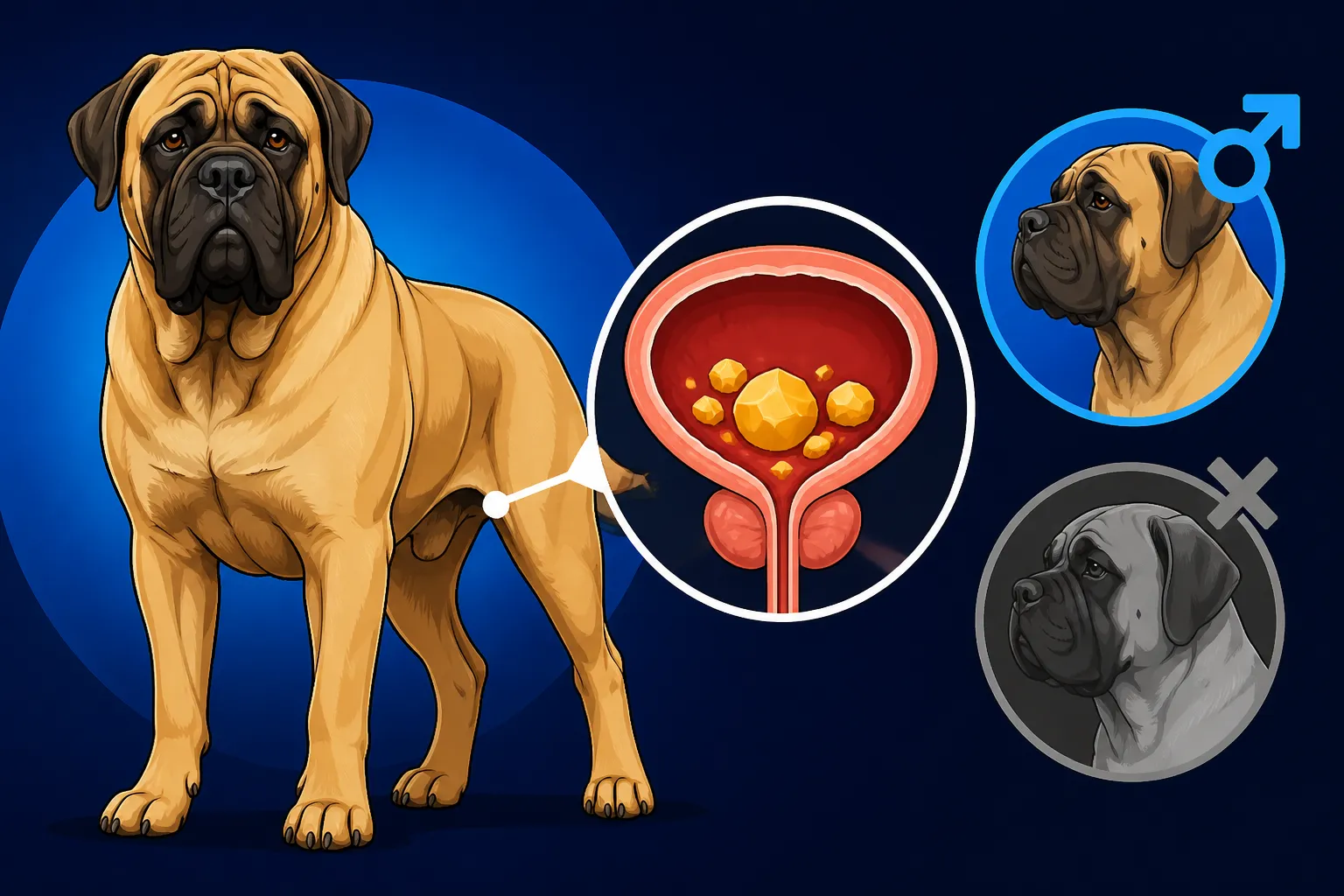
The male dog's urethra, the tube that carries urine from the bladder out of the body, is long, narrow, and features several points where stones are likely to get lodged. It courses through the penis, narrows at certain points like the os penis (a bone within the penis), and often has a natural S-shaped curve (sigmoid flexure) that can act as a trap. When a cystine stone forms and tries to pass, it encounters these anatomical bottlenecks. A stone that might pass relatively easily from a female's shorter, wider, and straighter urethra can become firmly stuck in a male's.
A urinary blockage is not just uncomfortable; it's a critical emergency. When the urethra is blocked, urine cannot exit the body, causing the bladder to distend painfully and potentially rupture. Toxins that would normally be filtered out accumulate in the bloodstream, leading to kidney failure, electrolyte imbalances, and ultimately, death if not resolved quickly. Owners of intact male Mastiffs showing any signs of urinary difficulty should seek immediate veterinary attention. We cannot stress enough that "The Hours a Blocked Male Mastiff Has" are few, and prompt action can be the difference between life and death.
The Genetic Predisposition and Inheritance
Understanding the genetic underpinnings of Cystinuria Type III in Mastiffs is paramount for breeders and owners alike. It’s not a condition that simply appears out of nowhere; it’s passed down through generations, making informed breeding decisions absolutely vital for the health of the breed.
The Genetic Marker for Type III Cystinuria
Science has made incredible strides in identifying the specific genetic mutations responsible for various inherited diseases. For Type III cystinuria in Mastiffs, a specific gene marker has been identified. This means that, unlike in the past where diagnosis often relied on the painful manifestation of symptoms, breeders and prospective owners can now proactively test their dogs. DNA tests can accurately determine if a Mastiff is clear (doesn't carry the gene), a carrier (carries one copy of the gene but is usually clinically unaffected), or affected (carries two copies of the gene and is at high risk of developing stones if intact and male).
The availability of a reliable DNA test is a game-changer. It empowers breeders to make educated decisions about which dogs to breed, helping to reduce the incidence of this heartbreaking disease. For instance, a clear dog bred to a clear dog will always produce clear puppies. A clear dog bred to a carrier will produce a litter with a 50% chance of being carriers, but no affected puppies. However, breeding two carriers together, or an affected dog to a carrier, dramatically increases the risk of producing affected puppies. While the test is a powerful tool, it's always wise to confirm "Whether the Cystinuria Marker Test Is Reliable in Mastiffs" with your veterinarian and breeder. This screening helps estimate "How Many Mastiffs Carry the Type III Marker" in the overall population, guiding breeding strategies.
Why Females Carry But Don't Typically Show Symptoms
This is one of the most frequently asked questions: if cystinuria is genetic, and females can carry the gene, why don't we see female Mastiffs suffering from cystine stones? The answer circles back to the androgen dependency we discussed earlier. While a female Mastiff might inherit one or even two copies of the gene for Type III cystinuria, her body simply doesn't produce the high levels of male hormones (androgens) that act as a trigger for the excessive cystine excretion.
Think of it like this: the gene provides the blueprint for the potential problem, but the androgens act as the switch that turns that potential into a reality. Without the switch being flipped, the female Mastiff can excrete some cystine, but typically not enough to reach the supersaturation levels required for significant crystal and stone formation. There have been anecdotal reports of very rare cases of female dogs forming cystine stones, but these are exceptions to the rule and often involve complex hormonal imbalances or other contributing factors. For the vast majority of female Mastiffs, even if they are genetic carriers, the risk of developing clinical cystine stones is negligible. This is why when we discuss this condition, the focus is almost exclusively on "Why Only Intact Male Mastiffs Form Cystine Stones".
Recognizing and Managing the Risk
Living with a Mastiff means being hyper-aware of their health, and for intact male Mastiffs, recognizing the signs of cystine stones and implementing preventative measures is critical. Early detection and proactive management can literally save their lives.
Signs and Symptoms of Cystine Stones
The symptoms of cystine stones can be subtle at first, gradually worsening as the stones grow or as a blockage occurs. As a Mastiff owner, it's crucial to be vigilant and recognize these signs immediately.
Common symptoms include:
- Straining to urinate (stranguria): Your dog might squat repeatedly, appearing to push hard, but only producing a small amount of urine, or none at all. This is a red flag.
- Increased frequency of urination (pollakiuria): They might ask to go outside more often, even if they just went.
- Blood in the urine (hematuria): The urine might appear pink, red, or rust-colored. This indicates irritation or bleeding within the urinary tract.
- Licking at the urinary opening: Excessive licking can be a sign of discomfort or pain.
- Painful urination: Your dog might cry out or show signs of discomfort while trying to urinate.
- Dribbling urine: In cases of partial blockage, urine might dribble out inconsistently.
- Pacing, restlessness, or abdominal discomfort: General signs of not feeling well.
- Complete blockage: This is the most dangerous scenario. If your intact male Mastiff cannot pass any urine at all, it's a dire emergency. They might try to urinate repeatedly with no success, become lethargic, vomit, and refuse food. If you suspect a complete blockage, do not wait. Get your dog to an emergency vet clinic immediately. As mentioned previously, "The Hours a Blocked Male Mastiff Has" are limited, and delay can be fatal.
Regular veterinary check-ups are vital, particularly for intact male Mastiffs, and it's a good idea to discuss "How Often an Intact Male Mastiff's Urine Is Checked" with your vet.
Prevention and Treatment Strategies
Managing cystine stones involves a multi-pronged approach aimed at preventing stone formation, dissolving existing stones, or surgically removing them.
- Dietary Management: A cornerstone of prevention and management is a specific diet. This typically involves a low-protein diet, as protein is broken down into amino acids, including cystine. The goal is also to create an alkaline (less acidic) urine pH, as cystine is less soluble in acidic environments. Your vet may recommend prescription diets specifically formulated for urinary health, like those from Royal Canin or Hill's Prescription Diet, designed to promote alkalinity and reduce cystine precursors.
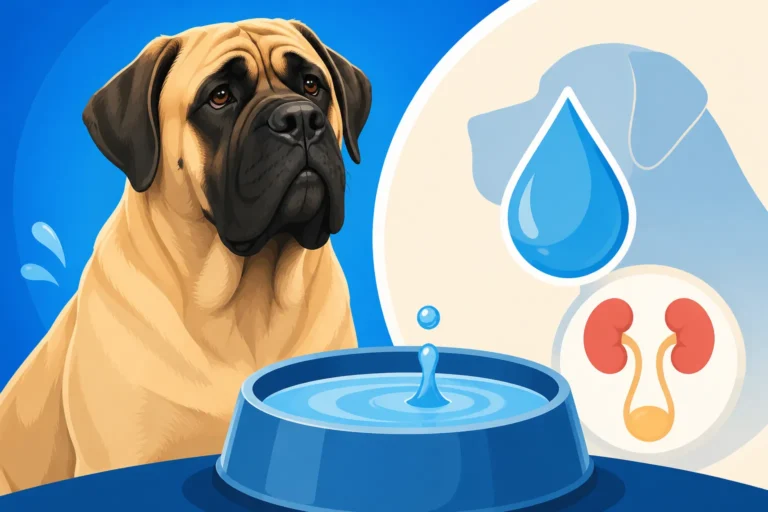
- Increased Water Intake: Diluting the urine helps reduce the concentration of cystine, making stone formation less likely. Encourage your Mastiff to drink more water by offering multiple water bowls, adding water to their food, or even using a pet fountain. Learn more about optimal hydration in our article, "How Much Water a Cystinuric Mastiff Needs".
- Medication: Certain medications, such as Thiola (tiopronin) or D-Penicillamine, can help prevent cystine from crystallizing by binding with it, forming a more soluble compound that can be excreted more easily. These medications can often dissolve existing stones, though it can be a slow process. "Which Drug Dissolves a Mastiff's Cystine Stones" is a question best answered by your veterinary specialist, as the choice depends on your dog's specific situation.
- Neutering: This is arguably the most effective preventative measure for intact male Mastiffs with Type III cystinuria. By removing the testes, androgen levels drop significantly, which in turn reduces the excretion of cystine in the urine. For many dogs, neutering effectively halts the cycle of stone formation. You can explore this further in "Why Neutering Ends the Cycle in a Cystinuric Mastiff" and "Whether Neutering Resolves a Mastiff's Cystinuria". It's also worth noting that neutering may necessitate a change in diet, as detailed in "Why Neutering Changes a Cystinuric Mastiff's Diet".
- Surgical Intervention: For stones that are too large to pass, or in cases of complete urethral obstruction that cannot be relieved non-surgically, surgery (cystotomy) to remove the stones from the bladder or urethra is often necessary. While effective, surgery is invasive and carries its own risks, not to mention the significant financial burden. These procedures can be incredibly costly, and it's in situations like this that pet insurance, such as a plan from Healthy Paws, can provide much-needed financial relief, helping owners focus on their Mastiff's recovery rather than the daunting vet bills.
- Urohydropropulsion: For very small stones, a technique called urohydropropulsion can sometimes be used where the bladder is distended and then expressed forcefully to try and flush out the stones.
Breeding Considerations and Ethical Choices
For anyone involved with Mastiffs, from dedicated breeders to prospective puppy owners, understanding the genetic aspect of Type III cystinuria is not just about medical facts; it's about ethical responsibility and the long-term health of the breed.
The Breeder's Responsibility
Responsible Mastiff breeders play an absolutely vital role in mitigating the prevalence of Type III cystinuria. With the availability of genetic testing, there's no excuse for not screening all breeding stock. A conscientious breeder will test their male and female Mastiffs to determine if they are clear, carriers, or affected. This transparency allows for informed breeding decisions aimed at reducing the number of affected puppies.
Ideally, breeders strive to breed only clear dogs. However, due to the limited gene pool in some breeds and the desire to preserve other desirable traits, breeding a carrier to a clear dog might sometimes be considered. In such cases, all offspring must be tested, and carriers should not be bred to other carriers or affected dogs. It's an ongoing effort to improve breed health while maintaining genetic diversity. Any Mastiff diagnosed with clinical cystinuria, or confirmed to be affected by the genetic test, should absolutely be removed from a breeding program. This ethical imperative is explored further in "Why a Cystinuric Mastiff Is Removed From Breeding". A reputable breeder will always share genetic test results and discuss the health history of their lines openly.
Supporting Affected Mastiffs
If you find yourself with an intact male Mastiff that has been diagnosed with Type III cystinuria, it's understandable to feel overwhelmed. This diagnosis means a lifetime of dedicated management, but with the right approach, these dogs can still live full and happy lives.
Your commitment will involve:
- Close Veterinary Partnership: Regular check-ups, urine analyses, and potentially imaging (X-rays or ultrasound) will be crucial to monitor for stone formation or recurrence. Your veterinarian will be your most important ally.
- Strict Adherence to Diet and Medication: Consistency is key. Deviating from the prescribed diet or missing medication doses can quickly lead to stone formation.
- Vigilance for Symptoms: Even with the best management, watch your dog like a hawk for any signs of urinary discomfort or difficulty. Early intervention can prevent a critical emergency.
- Consider Neutering: While it's a personal decision, neutering is often recommended for affected intact males as it significantly reduces the primary trigger for stone formation. Discuss the timing and implications of this decision with your vet. Many pet insurance providers, including Healthy Paws, will cover the costs associated with managing a chronic condition like cystinuria once the waiting periods are met, but preventative neutering might be considered a routine procedure not covered unless for specific medical necessity.
Supporting an affected Mastiff requires patience, dedication, and a deep understanding of the condition. It's a journey, but one that many devoted Mastiff owners are willing to take to ensure their gentle giant lives comfortably.
Cystinuria Risk Factors in Male vs. Female Mastiffs
To help illustrate the differences in risk, here's a comparative overview:
| Feature | Intact Male Mastiff | Female Mastiff |
|---|---|---|
| Genetic Predisposition | Can be clear, carrier, or affected by Type III gene. | Can be clear, carrier, or affected by Type III gene. |
| Androgen Levels | High levels of male hormones (testosterone). | Low levels of androgens. |
| Cystine Excretion | Androgens trigger high cystine excretion in urine if genetically predisposed. | Androgens absent, so typically low cystine excretion even if genetically predisposed. |
| Stone Formation | High risk due to androgen-dependent excessive cystine excretion. | Extremely low risk; lack of androgen trigger prevents significant stone formation. |
| Urinary Anatomy | Long, narrow urethra with os penis; high risk of fatal blockage. | Short, wide urethra; if stones formed (rarely), lower risk of complete blockage. |
| Symptom Manifestation | Frequent and severe clinical signs, especially blockages. | Rarely shows clinical symptoms related to cystine stones. |
| Primary Prevention/Treatment | Neutering (reduces androgens), diet, medication, surgery. | Generally not a clinical concern, breeding considerations are key. |
Disclaimer
The information provided in this article is for educational purposes only and is not a substitute for professional veterinary advice. Always consult with a qualified veterinarian regarding any health concerns or before making any decisions about your Mastiff's care, diet, or treatment.