The DNA Test That Finds Mastiff PRA
Few things are as heartbreaking for a Mastiff owner as watching their beloved giant slowly lose their sight. The confusion, the bumping into familiar objects, the hesitant steps in a once-confident stride – it's a profound challenge that can feel isolating and overwhelming. Thankfully, for a specific and devastating eye condition known as Progressive Retinal Atrophy (PRA), we now have a powerful tool at our disposal: a DNA test. This guide will walk you through everything you need to know about this vital test, from how it works to what the results mean for your cherished Mastiff and the future of the breed.
Understanding Progressive Retinal Atrophy in Mastiffs
Progressive Retinal Atrophy (PRA) isn't just one disease; it's a blanket term for a group of inherited degenerative eye disorders that affect the retina, leading to eventual blindness. For Mastiffs, there's a specific form that we've come to understand better through genetic research, offering a beacon of hope for prevention. It's not a condition that comes on suddenly; rather, it’s a cruel, slow progression that gradually robs your dog of their most crucial sense.
What is PRA and How Does It Affect Vision?
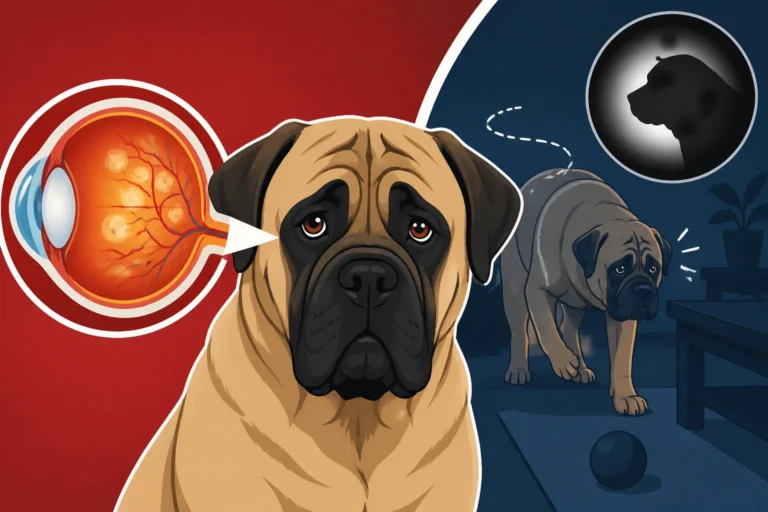
Imagine your Mastiff's retina as the film in an old camera – it's responsible for capturing light and sending those images to the brain. In dogs affected by PRA, the photoreceptor cells in the retina, specifically the rods (for low light and peripheral vision) and cones (for bright light and color vision), begin to deteriorate. Initially, it's often the rods that are affected first, which means that a Mastiff with PRA typically experiences a gradual loss of night vision. You might notice them becoming more hesitant in dimly lit rooms, bumping into furniture in the evening, or refusing to go outside after dusk. It's a subtle change at first, easily dismissed as an aging quirk, but it's the insidious start of a more profound decline.
As the disease progresses, the cone cells also begin to fail. This leads to a loss of daytime vision, eventually resulting in complete blindness. The pace of this degeneration can vary, but it's generally a slow, heartbreaking process that unfolds over months or even years. Your Mastiff might adapt remarkably well to their diminishing sight, relying more on their acute sense of smell and hearing, but the reality is that their world is steadily shrinking. This journey can be incredibly tough for both the dog and their family, as simple routines become monumental challenges. Understanding the timeline and progression is key, which is why we also explore The Age a Mastiff's Vision Starts to Go.
The Genetic Basis of Mastiff PRA
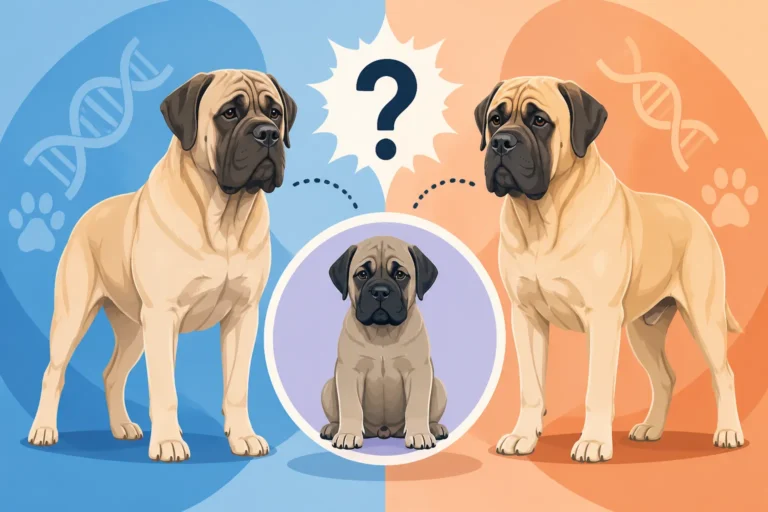
The form of Progressive Retinal Atrophy common in Mastiffs is inherited in an autosomal recessive manner. This might sound like a mouthful, but it simply means that for a Mastiff to actually develop the disease and go blind, they must inherit two copies of the faulty gene – one from their mother and one from their father. If a Mastiff inherits only one copy of the faulty gene, they are considered a "carrier." Carriers will not develop PRA themselves, but they can pass the gene on to their offspring. This is a crucial distinction and explains Why Mastiff Retinal Atrophy Needs Only One Copy of the Gene to be present for a dog to be a carrier, but two copies to be affected.
The existence of carriers is why the disease can sometimes seem to "skip a generation" or appear unexpectedly in a litter where neither parent showed signs of vision loss. It's not skipping; it's simply a matter of the genetic dice rolling in a way that two carriers produced an affected puppy. This recessive inheritance pattern is precisely why DNA testing is so vital, as it allows breeders to identify carriers and make informed decisions to prevent passing this debilitating condition on. Without such testing, the gene can silently persist in the breeding population, only revealing itself when an affected puppy is born.
Identifying the Early Signs of Vision Loss
Observing the subtle changes in your Mastiff's behavior is often the first indication that something might be amiss with their vision. As mentioned, night blindness is typically the earliest symptom. You might find your Mastiff hesitating before going down stairs in low light, or bumping into objects they usually navigate with ease. They may become more reluctant to go out for their evening potty break, or seem disoriented in familiar surroundings once the sun sets. Their pupils might also appear more dilated, even in normal lighting, as their eyes try to gather more light to compensate for the failing photoreceptors.
As the condition progresses to affect daytime vision, you may notice more overt signs. Your Mastiff might start relying heavily on scent and sound to navigate, bumping into things more frequently, or appearing startled when approached unexpectedly. Their once confident gait may become slower and more cautious. You might also observe a dullness or reflection in their eyes, sometimes described as a "tapetal shine" or a change in the appearance of their retina when a vet looks closely. If you suspect any vision changes, a prompt visit to your veterinarian for an ophthalmic examination is crucial. Early detection won't cure PRA, but it allows you to adapt your home environment and routines to support your Mastiff, providing a safer and more comfortable life as their vision declines. This kind of careful observation is part of Caring for a Mastiff Past Five, as vision changes can occur as they age.
The Breakthrough: DNA Testing for Mastiff PRA
For years, breeders and owners could only wait and watch, hoping their Mastiffs wouldn't develop PRA. Diagnosis often came late, after significant vision loss had already occurred. The advent of DNA testing, however, has revolutionized our approach, providing a clear, definitive answer long before any symptoms appear. This is truly a game-changer for the Mastiff breed, empowering us to make proactive choices that safeguard future generations.
How the DNA Test Works
The DNA test for Mastiff PRA is remarkably straightforward and non-invasive, a huge relief for anyone who's had to put their giant dog through stressful vet visits. It typically involves collecting a buccal swab – essentially, a swab of the inside of your Mastiff's cheek. These swabs contain cells that carry your dog's unique DNA. Once collected, the sample is sent to a specialized veterinary genetic testing laboratory. Lab technicians then analyze the DNA to identify whether your Mastiff carries the specific genetic mutation associated with PRA in the breed. They're looking for the presence or absence of the faulty gene copy.
This testing process is incredibly accurate, providing a definitive genotype for your Mastiff: "Clear," "Carrier," or "Affected." Unlike traditional eye exams that can only diagnose the disease once it's already developing, a DNA test tells you your dog's genetic predisposition from the moment they are born, or even before, if parents are tested. This information is permanent and doesn't change with age, making it an invaluable tool for both current pet owners and responsible breeders. Many reputable labs, such as those that are part of the OFA (Orthopedic Foundation for Animals) network or companies like Embark and Wisdom Panel, offer these specific Mastiff PRA panels.
Why This Test is a Game Changer for the Breed
Before DNA testing, preventing genetic diseases like PRA was a guessing game based on pedigree analysis and phenotypic observation (waiting for dogs to show symptoms). This often meant that affected dogs, or asymptomatic carriers, were unknowingly bred, perpetuating the disease in the gene pool. The DNA test for Mastiff PRA changes all of that. It provides concrete, actionable information that allows breeders to:
- Make informed breeding decisions: Breeders can now confidently select breeding pairs, ensuring that two carriers are never bred together, thus eliminating the risk of producing affected puppies. This is vital for improving the overall health of the breed and reducing the incidence of this debilitating condition. Knowing Whether a Mastiff With PRA Should Be Bred becomes much clearer with this information.
- Identify carriers: Even if a Mastiff is a fantastic example of the breed in terms of temperament and conformation, if they are a carrier, breeders know they need to be carefully paired with a "clear" mate. This allows valuable genetics to be preserved without risking the health of future generations.
- Provide early certainty for pet owners: If you're adopting a Mastiff puppy, knowing the PRA status of the parents, or even having your puppy tested, can give you peace of mind about their future vision health. This is particularly relevant when considering Whether a Mastiff Puppy Can Be Tested Before Purchase.
This test fundamentally shifts the paradigm from reactive management to proactive prevention, offering a powerful pathway to a healthier future for Mastiffs worldwide. It demonstrates a commitment to the breed's well-being that truly impacts individual dogs and entire bloodlines.
When to Conduct the PRA DNA Test
One of the greatest advantages of DNA testing is its flexibility regarding timing. Since a dog's genetic makeup doesn't change, the test can be performed at any age.
- For Breeders: It's highly recommended that all breeding stock be tested before being bred. This allows breeders to make educated decisions about pairings to avoid producing affected puppies. Testing parents before a litter is even conceived is the most responsible approach. Many breeders will include PRA testing as part of The Four CHIC Tests a Mastiff Breeder Must Clear before breeding.
- For Puppies: While not strictly necessary if both parents are known to be "clear," testing puppies can provide an extra layer of assurance, especially if one or both parents' status is unknown, or if one parent is a carrier. Some buyers may even request a puppy's individual test results before purchase.
- For Adult Mastiffs (Pet Owners): If you've adopted an adult Mastiff with an unknown history, or if you're simply curious about their genetic predisposition, you can have them tested at any time. This information can be useful for long-term health planning and for understanding any subtle vision changes that might emerge as they age.
Ultimately, the best time to test is as early as possible for breeding animals, and at any time for pet Mastiffs where the information would be beneficial for their care or future planning.
Interpreting Your Mastiff's PRA DNA Test Results
Once you've submitted your Mastiff's DNA sample, the waiting game begins. When the results arrive, you'll typically see one of three designations: Clear, Carrier, or Affected. Each of these results carries specific implications for your individual Mastiff and, if applicable, for breeding programs. Understanding these terms fully is crucial for responsible ownership and breeding.
Deciphering "Clear" Results
A "Clear" result means that your Mastiff does not possess the specific genetic mutation associated with PRA in the breed. They have inherited two normal copies of the gene, one from each parent. This is the ideal result for any Mastiff, particularly those intended for breeding.
What does this mean for your Mastiff?
- No Risk of Developing This Form of PRA: A clear Mastiff will not develop this specific type of Progressive Retinal Atrophy. This provides immense peace of mind, knowing that at least this particular genetic eye disease won't be a concern for their vision.
- Cannot Pass on the Gene: A clear Mastiff cannot pass on the faulty gene to any of their offspring. This makes them highly valuable in a breeding program, as they can be safely bred with carriers without producing affected puppies. When considering Whether Two Clear Mastiffs Can Produce an Affected Puppy, the answer is a resounding no, which underscores the reliability of this test.
It's important to remember that a "clear" result only pertains to this specific PRA gene. Your Mastiff could still potentially develop other non-genetic eye conditions or other forms of PRA if they exist for which there isn't a known DNA test yet. However, for the Mastiff-specific PRA, a clear result is excellent news.
Understanding "Carrier" Status
A "Carrier" result indicates that your Mastiff has inherited one copy of the normal gene and one copy of the faulty gene. As PRA is an autosomal recessive condition, carrying one copy of the gene does not mean your Mastiff will ever develop the disease or experience vision loss from it.
What does this mean for your Mastiff?
- Asymptomatic: Your Mastiff will remain healthy and will not show any symptoms of PRA. This is a common point of confusion for many owners – a carrier dog is not a sick dog. Understanding Whether a Mastiff Carrier of PRA Goes Blind Too is vital for alleviating unnecessary worry.
- Can Pass on the Gene: The critical implication for carriers is that they can pass the faulty gene on to approximately 50% of their offspring. This is where responsible breeding comes into play. A carrier Mastiff should only be bred to a Mastiff that has been tested "Clear." If a carrier is bred to another carrier, there's a 25% chance per puppy that they will be "Affected," and a 50% chance they will be another "Carrier." Breeding two carriers together is a practice that responsible breeders actively avoid.
- Valuable Genetics: Carrier Mastiffs can still possess many desirable traits, such as excellent temperament, conformation, and other health clearances. With careful and selective breeding to a clear mate, their valuable genetics can be utilized without compromising the health of the puppies.
What an "Affected" Result Means for Your Mastiff
An "Affected" result means your Mastiff has inherited two copies of the faulty PRA gene – one from each parent. This result indicates that your Mastiff will develop Progressive Retinal Atrophy and experience progressive vision loss, eventually leading to blindness.
What does this mean for your Mastiff?
- Inescapable Vision Loss: While the exact age of onset and rate of progression can vary, an affected Mastiff will, unfortunately, go blind from this condition. This is the difficult truth that the DNA test reveals.
- Care and Management: Knowing your Mastiff is affected allows you to prepare and manage their environment proactively. You can start adapting your home to make it safer and easier for a blind dog to navigate, perhaps rearranging furniture minimally, using scent markers, or maintaining consistent routines. Resources on Whether a Blind Mastiff Copes at Home can be incredibly helpful.
- No Breeding: An affected Mastiff should absolutely not be bred. They will pass on a faulty copy of the gene to 100% of their offspring, guaranteeing that all puppies will be at least carriers. This is a non-negotiable ethical standard in responsible breeding.
- Financial and Emotional Support: The journey with an affected Mastiff can be emotionally challenging and may involve increased veterinary visits as you monitor their condition and manage related issues. Having pet insurance, perhaps from a provider like Healthy Paws, could be a significant help in covering some of these costs, ensuring your focus remains on your Mastiff's well-being.
Receiving an "Affected" diagnosis can be devastating, but remember that many Mastiffs with vision loss live full and happy lives with the right care and adaptation from their dedicated families.
The Broader Impact of PRA Testing on Breeding and Ownership
The availability and widespread adoption of DNA testing for Mastiff PRA have profound implications that extend far beyond an individual dog's health. This tool plays a critical role in shaping the future of the breed, influencing ethical breeding practices, guiding ownership decisions, and even impacting the financial aspects of Mastiff care. It's about moving from reacting to problems to actively preventing them.
Ethical Breeding Practices and Genetic Health
For any responsible Mastiff breeder, genetic health testing is paramount. The PRA DNA test is now considered a fundamental component of a comprehensive health screening program. Ethical breeders use these results not to eliminate dogs from their lines entirely, but to make smart, informed pairing decisions. They adhere to principles such as:
- Avoiding "Carrier x Carrier" Matings: This is the golden rule. Responsible breeders will never knowingly breed two carrier Mastiffs together because it guarantees that 25% of the litter, on average, will be affected by PRA.
- Strategic Use of Carriers: A carrier Mastiff that possesses otherwise exceptional qualities (temperament, structure, other health clearances) can still be a valuable part of a breeding program, but only if bred to a "Clear" mate. This ensures no affected puppies are produced, and 50% of the litter will be clear, and 50% will be carriers. This thoughtful approach allows breeders to maintain genetic diversity while still improving health.
- Transparency with Buyers: Reputable breeders openly share the PRA DNA test results of their breeding dogs and, often, the puppies. They understand that potential owners deserve full disclosure about the genetic health background of their future family member. This transparency builds trust and empowers buyers to make educated choices. You should always expect a breeder to show you Whether a Breeder Should Show a Mastiff's PRA Result.
- Long-term Breed Health: By meticulously testing and making informed choices, ethical breeders collectively work towards reducing the prevalence of PRA within the Mastiff breed over generations. This long-term vision is crucial for the health and longevity of these magnificent dogs.
This commitment to genetic health exemplifies true stewardship of the breed, moving beyond superficial traits to prioritize the well-being of every Mastiff born.
Managing an Affected Mastiff's Quality of Life
Discovering your Mastiff is affected by PRA can be incredibly difficult, but it's important to remember that a diagnosis is not a death sentence. Mastiffs are remarkably resilient and adaptable, and with your help, an affected dog can continue to live a happy, fulfilling life. The key is proactive management and creating an environment that supports their changing needs.
- Safe and Consistent Environment: Maintain a consistent layout of furniture and belongings in your home. If changes are necessary, introduce them slowly and guide your Mastiff around new obstacles. Use distinct textures for floor runners or mats to signal different areas.
- Verbal Cues and Scent Markers: Develop clear verbal cues for common actions (e.g., "step up," "watch out," "this way"). Scent markers, like essential oils (used safely and sparingly, away from direct contact with the dog) or different air fresheners, can also help your Mastiff orient themselves in larger spaces.
- Outdoor Safety: Always keep an affected Mastiff on a leash when outside, even in a fenced yard, to prevent them from wandering into danger. Supervise them closely, and consider adding bells to your other pets so your Mastiff can locate them.
- Enrichment Beyond Sight: Focus on enriching their lives through their other senses. Scent games, puzzle toys, and plenty of auditory stimulation (talking to them, gentle music) become even more important. Regular, slow walks in familiar, safe environments are still beneficial.
- Patience and Empathy: Your Mastiff will rely heavily on you. Be patient with their slower movements, potential clumsiness, and moments of confusion. Reassurance and comfort are paramount. Your empathy will be their guiding light.
An affected Mastiff can thrive, proving that love and careful attention can overcome significant challenges, extending the quality of their precious Six to Ten Years Is What a Mastiff Gets.
Financial Considerations and Pet Insurance
Bringing a Mastiff into your life always involves significant financial considerations, and managing a genetic health condition like PRA adds another layer to that. The cost of the DNA test itself is generally quite reasonable, typically ranging from $50 to $100 depending on the lab and whether it's part of a larger panel. However, the long-term costs associated with caring for an affected Mastiff can be substantial.
- Diagnostic and Monitoring Costs: While the DNA test provides a definitive diagnosis, regular veterinary check-ups and ophthalmic evaluations might still be recommended to monitor the progression, rule out other concurrent issues, and ensure your Mastiff is comfortable. These specialized vet visits, especially with a giant breed, can add up.
- Environmental Adaptations: You might incur costs for special beds, non-slip mats, or gates to enhance your home's safety and navigability for a blind dog.
- Increased Risk of Accidents: Blind Mastiffs, despite all precautions, might be more prone to bumps and scrapes, potentially leading to additional vet visits for injuries.
- Pet Insurance: This is where a good pet insurance policy can be an absolute lifesaver. If you enroll your Mastiff before they are diagnosed with PRA (and ideally, before any symptoms appear or even before they are born, if policies allow for genetic testing pre-enrollment), a condition like PRA could potentially be covered. Providers like Healthy Paws offer comprehensive coverage that can help offset the costs of specialist veterinary care, medications, and even accidental injuries that might occur due to vision impairment. It's crucial to review policy details carefully, as pre-existing conditions are almost never covered. The initial investment in a policy can provide invaluable financial peace of mind, allowing you to focus on your Mastiff's care without the added burden of overwhelming bills. When thinking about [Financial Considerations and Pet Insurance], it's always better to be proactive.
Beyond the PRA Test: A Holistic Approach to Mastiff Eye Health
While the DNA test for PRA is an invaluable tool, it's just one piece of the puzzle when it comes to ensuring your Mastiff's overall eye health. A comprehensive approach involves regular veterinary care, vigilance for other potential eye conditions, and supporting their general well-being. Remember, while genetic tests target specific issues, many other factors can affect your Mastiff's vision and ocular comfort.
Regular Ophthalmic Examinations
Even if your Mastiff tests "Clear" for PRA, routine eye examinations by a board-certified veterinary ophthalmologist are a cornerstone of responsible care. These specialists can detect a myriad of other conditions that are not genetic or for which there isn't a DNA test available.
- Early Detection of Other Issues: A thorough ophthalmic exam can identify issues like cataracts, glaucoma, corneal ulcers, or even subtle anatomical abnormalities like entropion or ectropion (eyelids rolling inward or outward) that are relatively common in Mastiffs and other giant breeds. Early detection means earlier intervention, which can often save vision or alleviate discomfort. For example, understanding Entropion and Ectropion in a Mastiff is crucial as these conditions can cause chronic irritation and pain if left untreated.
- Monitoring Overall Eye Health: As Mastiffs age, their eyes, like ours, can develop age-related changes. Annual or biennial eye exams can monitor these changes and provide a baseline for comparison. Your vet might suggest specialized tests like tonometry (to measure eye pressure) to screen for glaucoma, which can lead to rapid and irreversible blindness if missed.
- Baseline for Pet Insurance: Having regular eye exams on record can also be beneficial when dealing with pet insurance, such as Healthy Paws. A documented history of clear eye health helps establish that any new condition isn't pre-existing, making it more likely to be covered.
Don't assume a "clear" PRA DNA test means you can skip eye exams. A holistic approach always includes regular professional check-ups. Many breeders will also require a CERF (Canine Eye Registration Foundation) exam as part of their health clearances, which screens for a broader range of inherited eye diseases.
Other Eye Conditions to Be Aware Of
Mastiffs, due to their impressive size, heavy heads, and sometimes pronounced facial folds, can be predisposed to several other eye conditions distinct from PRA. Knowing what to look for can help you identify problems quickly.
- Eyelid Abnormalities: As mentioned, entropion (inward rolling eyelids) and ectropion (outward rolling eyelids) are common. Both can cause irritation, discharge, and even corneal damage. You might notice your Mastiff squinting, excessive tearing, or redness. These often require surgical correction.
- Cherry Eye: This condition occurs when the gland of the third eyelid prolapses, appearing as a red, swollen mass in the corner of the eye. While not usually painful, it can lead to dry eye and irritation if left untreated. Surgical tucking is often recommended. If you're wondering Whether a Mastiff's Cherry Eye Should Be Tucked, the answer is usually yes, as it preserves the tear gland function.
- Cataracts: While PRA affects the retina, cataracts affect the lens of the eye, causing it to become cloudy and opaque, blocking light. They can be inherited, age-related, or secondary to other diseases. While some cataracts can be surgically removed, many Mastiffs adapt well to mild to moderate cataracts.
- Glaucoma: This is a painful condition caused by increased pressure within the eye, leading to damage to the optic nerve and potential blindness. It can be primary (inherited) or secondary (due to injury or another eye disease). Signs include a red, cloudy, or swollen eye, pain (rubbing the eye, squinting), and dilated pupil. Glaucoma is an emergency.
- Canine Multifocal Retinopathy (CMR1): While distinct from PRA, CMR1 is another inherited retinal disease that can affect Mastiffs. It causes small folds or blisters on the retina, but often does not progress to blindness or significantly impair vision. Knowing What Canine Multifocal Retinopathy Does to a Mastiff is helpful, as it's another condition that can be detected via DNA test.
Being observant of any changes in your Mastiff's eyes – redness, discharge, cloudiness, squinting, or pawing at their face – is key to prompt veterinary attention.
Supporting Your Mastiff's Overall Health
Ultimately, a healthy Mastiff is more resilient to any health challenge, including those affecting their eyes. Providing excellent general care supports their ocular health indirectly but significantly.
- Optimal Nutrition: Feed a high-quality, large-breed appropriate diet. Good nutrition provides essential vitamins and antioxidants that support eye health and overall systemic well-being. Proper nutrition, especially as a puppy, is key to avoiding issues such as What Excess Calcium Does to a Mastiff's Elbows.
- Regular Exercise (Appropriate for Age): Maintaining a healthy weight reduces strain on joints and promotes overall cardiovascular health, which benefits all bodily systems, including the eyes. Always ensure exercise is appropriate for your Mastiff's age and physical condition to avoid undue stress on their developing or aging joints.
- Consistent Veterinary Care: Beyond eye exams, regular check-ups for vaccinations, parasite control, and general health screenings are vital. Your primary veterinarian can identify systemic issues that might manifest as eye problems or advise on supplements that support ocular health.
- Cleanliness: Regularly and gently clean around your Mastiff's eyes to remove any debris or discharge. This is especially important for Mastiffs with deeper set eyes or prominent facial folds, which can trap moisture and debris. Be careful, however, as excessive wiping can also cause irritation. Gentle, vet-approved eye wipes can be helpful. Understanding the specific needs of The Wrinkles and Folds a Mastiff Owner Cleans Every Week is part of owning one of these majestic dogs.
By combining the power of DNA testing for specific genetic conditions like PRA with vigilant observation, regular professional eye examinations, and excellent general care, you can provide your Mastiff with the best possible chance for a lifetime of comfortable, healthy vision, or at least the best possible quality of life if vision loss does occur.
Disclaimer
The information provided in this article is for general informational purposes only and does not constitute veterinary medical advice. Always consult with a qualified veterinarian or a board-certified veterinary ophthalmologist for any health concerns or before making any decisions about your Mastiff's medical care or breeding program.