What the AKC Officially Calls the Mastiff
It's quite common for new Mastiff owners, and even those who've loved the breed for years, to get a little tangled up in the various names you hear floating around. You might hear "Old English Mastiff," "English Mastiff," or simply "Mastiff," and it can leave you wondering what the official word really is. This guide is here to clear up that confusion, explaining exactly what the American Kennel Club (AKC) officially calls this magnificent breed and why that distinction matters for everyone involved with these gentle giants.
The Confusion Around the Mastiff's Name
You've probably heard more than one name for our beloved gentle giants, and it's absolutely understandable why there's a bit of confusion out there. These dogs have such a rich history, and over centuries, their common monikers have shifted and evolved, sometimes leading to multiple names referring to the same wonderful breed. It’s not just a casual thing; for many, these names carry a sense of heritage and connection to the past.
Why "Old English Mastiff" Persists
The term "Old English Mastiff" is probably the most enduring and affectionate unofficial name you’ll encounter. It conjures images of ancient England, massive dogs guarding estates, and a history stretching back through the ages. And truthfully, it's not wrong in spirit! The ancestors of our modern Mastiffs were indeed present in England for a very long time, likely brought there by traders or invaders even before Roman times. This long, proud lineage in Britain naturally led to the "Old English" part of the name sticking in the popular imagination.
Many breeders, enthusiasts, and even casual dog lovers still use "Old English Mastiff" today, often out of tradition or a desire to highlight the breed's deep historical roots. It serves as a reminder of their storied past, their connection to figures like Sir Piers Legh at Agincourt, and their critical role in the foundation of other British breeds. However, while it beautifully captures the essence of the Mastiff's heritage, it's important to understand that this isn't the formal name used by official registries. It’s a bit like calling a formal dining room a "parlor"—everyone knows what you mean, and there's a charm to it, but it's not the term you'd find on official blueprints.
The Simple "English Mastiff" Tag
Then there’s the even more common, slightly shortened version: "English Mastiff." This term is often used interchangeably with "Old English Mastiff" and simply "Mastiff." It’s perhaps a natural evolution, cutting out the "Old" while still maintaining that geographical connection that helps distinguish it from other mastiff-type dogs found around the world. You’ll see this printed on everything from dog food bags to casual websites, and it’s generally accepted in everyday conversation.
This shortened version can feel a little less formal, a little more accessible, and for many, it's just what they've always known their dog to be. It still points to the breed's strong ties to England, acknowledging the place where the modern breed truly solidified its distinct characteristics. While "English Mastiff" gets you much closer to the official designation in terms of geography and breed type, it still adds an extra word that the formal kennel clubs decided wasn't necessary for official registration. It's a subtle difference, but one that becomes significant when you're dealing with paperwork, show entries, or strict breed standards.
The American Kennel Club's Official Designation
For anyone serious about showing, breeding, or simply understanding the definitive standards of our Mastiffs, the American Kennel Club (AKC) is the authority in the United States. Their designation isn't just a label; it's the bedrock upon which the breed's future is built, ensuring consistency and clarity. Getting this right is crucial for maintaining the integrity of the breed as a whole.
Simply "Mastiff" – The Official Truth
Here's the definitive answer that often surprises people: the American Kennel Club officially registers this magnificent breed as simply "Mastiff." That's it. No "Old," no "English," just "Mastiff." This straightforward approach is part of the AKC's system to provide a concise and unambiguous name for each recognized breed. While the historical names certainly resonate and carry immense weight in the hearts of enthusiasts, for official purposes, simplicity and precision are key.
This uniform naming convention ensures that when you see "Mastiff" in an AKC context—whether it's on a pedigree, a show entry form, or a health certification—you know exactly which breed is being discussed. It helps prevent confusion with other "mastiff-type" breeds that share some physical traits or even part of the name but are distinct breeds with their own unique histories and standards. The single word "Mastiff" is powerful, encapsulating the entire breed's essence without needing additional descriptors for identification within the official registry. It’s concise, clear, and globally recognized within the purebred dog community, aligning with many international kennel clubs as well.
The Importance of the AKC Standard
The AKC's role extends far beyond just naming the breed; they publish and maintain the official breed standard, which is essentially the blueprint for the ideal Mastiff. This standard describes everything from the dog's physical appearance—its massive head, broad chest, and powerful build—to its ideal temperament, which should be one of good-natured gentleness, courage, and dignity. It's an incredibly detailed document that guides breeders in their efforts to produce healthy, typey dogs and helps judges evaluate them in the show ring.
Adhering to these standards is vital for preserving the unique characteristics of the Mastiff breed. It ensures that Mastiffs continue to look and behave like Mastiffs, rather than diverging into variations that might dilute the breed's defining traits. For breeders, understanding and striving to meet this standard is a huge undertaking, often involving extensive health testing, careful selection of breeding pairs, and a deep commitment to the breed's well-being. This meticulous approach, guided by the AKC standard, helps safeguard the breed's future, ensuring that the Mastiffs of tomorrow are as magnificent and sound as those of today. This is why you'll see a lot of emphasis on health clearances, like The Four CHIC Tests a Mastiff Breeder Must Clear, which often align with AKC recommendations for responsible breeding.
Why Does the Name Matter for Owners and Breeders?
You might think, "What's in a name?" when it comes to your beloved dog, and for casual pet ownership, it truly might not seem like a big deal. You call your dog by its name, and that's what matters most. But for the health, welfare, and future of the breed, the official designation—and the standards that come with it—are incredibly important. It's about clarity, consistency, and ensuring that everyone is on the same page when discussing this particular canine.
Navigating Pedigrees and Registries
For breeders, and for prospective puppy owners looking at a dog's lineage, having a consistent, official name is absolutely critical. Pedigrees, which are essentially family trees for dogs, rely on accurate naming to trace ancestry and ensure the integrity of breeding programs. When you're looking at a dog's official AKC pedigree, you'll see "Mastiff" listed as the breed, not "Old English Mastiff." This consistency helps prevent errors and provides a clear record that can be followed back for generations.
Furthermore, registration with the AKC or other kennel clubs ties your dog into a system that tracks health information, titles, and breeding lines. This system is crucial for making informed breeding decisions, for example, avoiding common genetic health issues. Imagine the confusion if different breeders used different names on official documents; it would be a nightmare to track anything accurately. When you're diving into the world of responsible breeding, issues like Whether a Mastiff Contract Covers Elbows or What the Mastiff PRA and Cystinuria DNA Tests Cost are all tied back to official AKC registration and health certifications, making precise naming essential for all that important paperwork.
Understanding Breed-Specific Information
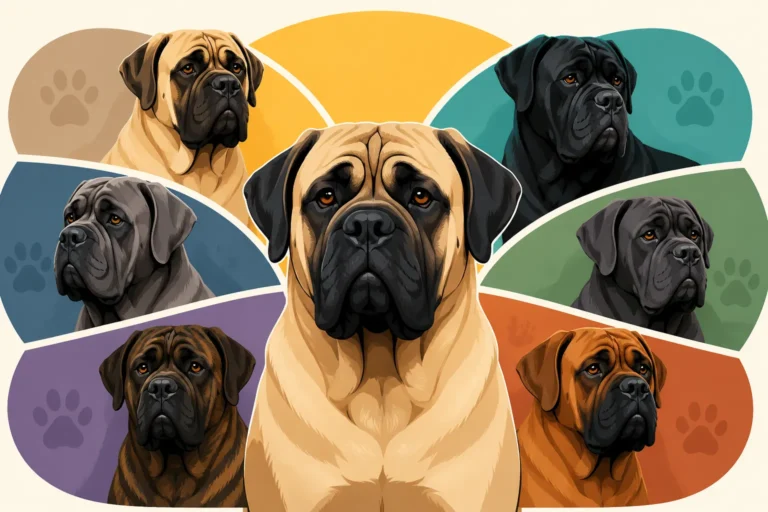
Using the correct, official name, "Mastiff," also ensures that when you're seeking out information, you're actually getting details relevant to your dog. The world of large breeds is vast, and many different dogs carry the "mastiff" descriptor in their common or even official names. For instance, you have the Bullmastiff, the Neapolitan Mastiff, the Tibetan Mastiff, and even the Cane Corso, which is often considered a mastiff-type dog. While they all share some broad "mastiff-like" characteristics, they are distinctly different breeds with their own unique health concerns, temperaments, and exercise requirements.
If you search for "Old English Mastiff health problems," you'll likely find good information about the Mastiff, but using the official term "Mastiff" guarantees you're narrowing your search to the precise breed you own or are interested in. This precision is vital, especially when researching sensitive topics like Bloat in the Deepest Chest of Any Breed: the Mastiff or Degenerative Myelopathy in a Mastiff, where breed-specific knowledge is paramount. It helps you distinguish your dog from a Why the Mastiff Is Not the Same as a Tibetan Mastiff or understand the nuances between The Mastiff Against the Bullmastiff and the Cane Corso. Knowing the correct name ensures that you're always getting the most accurate and helpful advice for your specific companion.
The Historical Context of the "Mastiff" Name
Understanding the name "Mastiff" isn't just about modern registries; it's also about appreciating the deep historical roots of these incredible dogs. The journey from ancient "mastiff-type" dogs to the single-word AKC designation is a fascinating one, reflecting centuries of human-canine partnership and the gradual formalization of dog breeds.
Ancient Roots and Nomenclature Evolution
The very word "mastiff" has a history that stretches back, with theories suggesting it comes from the Old French word mastin (meaning "tamed") or even a Latin root related to "mansuetude" (tamed, gentle). For a long time, "mastiff" was a general term applied to any large, powerful guardian dog, often one chained by day (hence, "bandog" or "tie dog") and released to protect property at night. These were dogs bred for strength and intimidation, essential for protecting livestock and estates in a time before sophisticated alarm systems. This history is why you'll still hear things like Where the Word Mastiff Comes From discussed among enthusiasts.
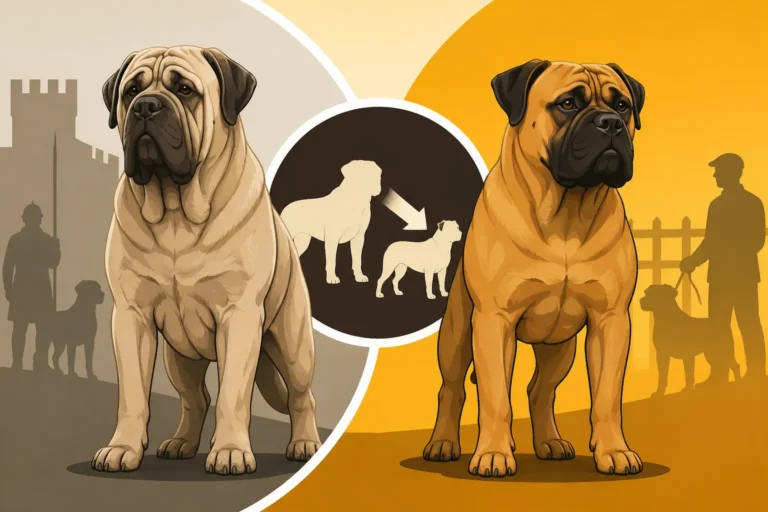
Over the centuries, as dog breeding became more intentional and less purely functional, specific "types" of these guardian dogs began to solidify into distinct breeds. The dogs that eventually became our modern Mastiff were selectively bred in England, refined for their specific characteristics. This slow evolution from a broad category of working dogs to a recognizable, consistent breed meant that their nomenclature also had to evolve from a general descriptor to a specific name. This is part of the story of How Old the Mastiff Is as a British Breed and why people historically used terms like "Old English" to denote their specific lineage.
The Impact of Modern Breed Clubs
The real push for standardized breed names and characteristics came with the rise of formal kennel clubs in the 19th and early 20th centuries. Organizations like the Kennel Club in the UK and the American Kennel Club here in the US took on the monumental task of documenting, classifying, and establishing standards for hundreds of dog breeds. Before these clubs, there was often a lot of regional variation and informal naming. One area might call a dog one thing, and a county over, it would be slightly different.
These clubs brought order to the chaos. They meticulously gathered information, consulted with breeders, and created the first official breed standards, which included a clear, concise name for each breed. This standardization was essential for organizing dog shows, maintaining accurate studbooks, and facilitating responsible breeding practices across larger geographical areas. It was during this period that "Mastiff" was officially chosen as the single, formal name for the breed we know and love today, dropping the "Old English" and "English" as unnecessary for official purposes. This was a critical step in preserving the breed after events like Fewer Than Twenty Mastiffs Survived the Second World War, where careful tracking of pedigrees was paramount to the breed's survival and resurgence.
To help visualize the distinctions, here's a quick comparison:
| Informal/Historical Name | AKC Official Name | Clarification for Owners |
|---|---|---|
| Old English Mastiff | Mastiff | A beloved historical term, but not the current official AKC designation. Captures historical essence. |
| English Mastiff | Mastiff | A common, informal shortening. Still refers to the same breed, but AKC uses the simpler "Mastiff." |
| Mastiff (general term) | Mastiff (breed name) | "Mastiff" can describe a type of large dog, but for this specific breed, it is the recognized name. |
| Bullmastiff | Bullmastiff | A distinct breed, developed from the Mastiff and Bulldog. |
| Neapolitan Mastiff | Neapolitan Mastiff | A different Italian mastiff-type breed, known for its loose skin and heavy wrinkles. |
| Tibetan Mastiff | Tibetan Mastiff | Genetically distinct, despite the shared "Mastiff" name. Originates from the Himalayas. |
| Cane Corso | Cane Corso | An Italian mastiff-type breed, generally more athletic and leaner than the English Mastiff. |
So, while the informal names carry history and affection, when you're looking for official information, interacting with a breeder, or talking to your vet, simply saying "Mastiff" ensures everyone knows exactly which magnificent dog you're referring to.
Disclaimer
This article is for general informational purposes only and does not constitute professional advice. Laws, prices and regulations vary by location and change over time. Consult a qualified professional for guidance on your specific situation.