Whether a Mastiff Contract Covers Elbows
Bringing a Mastiff puppy home is a monumental decision, filled with dreams of a loyal companion. But beneath the excitement lies a very real anxiety for prospective owners: what if something goes wrong with their health? Specifically, the specter of joint issues like elbow dysplasia looms large for giant breeds, and many wonder if the breeder's contract truly offers a safety net for such a devastating diagnosis. This guide will walk you through the nuances of Mastiff breeder contracts, focusing on what they typically cover regarding elbow health, what to look for, and how to protect yourself and your beloved companion.
The Reality of Health Guarantees in Mastiff Contracts
When you sign a contract with a Mastiff breeder, you're not just agreeing to a price; you're entering into an understanding about the health and well-being of the puppy you're bringing into your home. These documents are designed to provide assurances, but their scope and limitations are often misunderstood, leading to heartbreak and financial strain if issues arise. It's crucial to approach these agreements with a clear head and a detailed understanding of what they actually promise.
What Most Breeder Contracts Aim to Cover
Most reputable Mastiff breeders include some form of health guarantee in their contracts. This isn't just a nicety; it reflects their commitment to the breed's health and the quality of their lines. Typically, these guarantees address major genetic conditions that can impact a Mastiff's quality of life and longevity. They often cover conditions like hip and elbow dysplasia, certain eye conditions, and sometimes even specific cardiac issues. The idea is to protect the buyer from taking home a puppy with a debilitating, inherent health problem that was present but not apparent at the time of purchase.
However, the devil is always in the fine print. A general health guarantee might sound comprehensive, but you need to understand the specifics. For instance, some contracts might cover any life-threatening genetic condition, while others might list specific diseases. It's not uncommon for these guarantees to have a limited timeframe for certain issues or require a specific diagnostic process by an approved veterinarian. Always ask for a copy of the contract well in advance of picking up your puppy so you have ample time to read it thoroughly and ask questions. A good breeder will welcome your questions and be transparent about their terms. You might also find it helpful to look at resources like The CHIC Four Plus the DNA Stack Behind a Mastiff's Price to understand the full spectrum of testing that a responsible breeder undertakes.
Specifics on Elbow Dysplasia Coverage
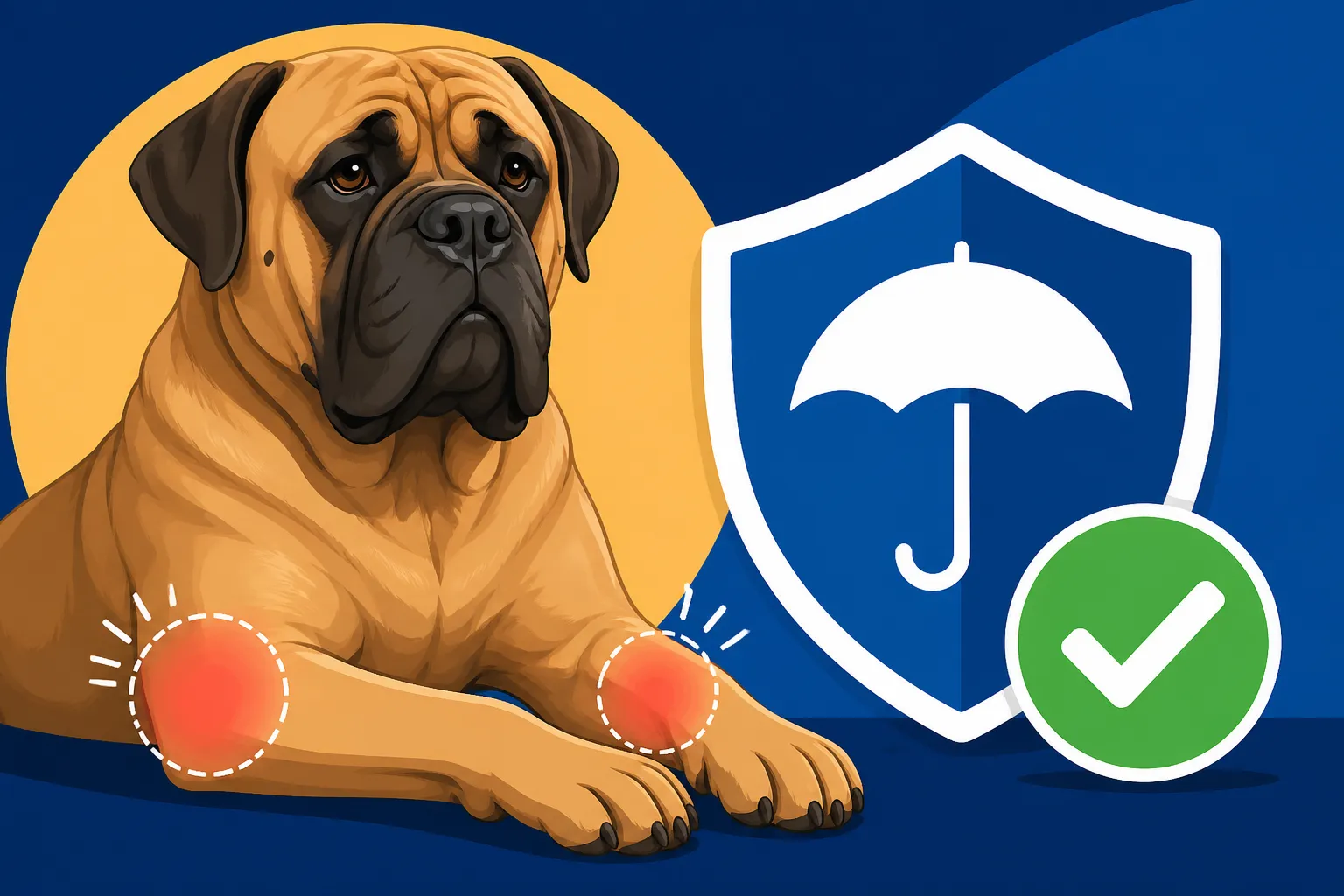
Elbow dysplasia is a heartbreaking reality for many large and giant breed owners, and unfortunately, Elbow Dysplasia Affects One Mastiff in Seven. When it comes to elbow dysplasia, most contracts from responsible Mastiff breeders will offer some form of guarantee, but it's rarely a blanket "fix-all." These clauses typically focus on the genetic component of the disease, acknowledging that while environment plays a role, underlying genetics are significant. The guarantee often stipulates that the puppy's parents have been screened and cleared for elbow dysplasia through organizations like the Orthopedic Foundation for Animals (OFA).
The specific coverage for elbow dysplasia usually comes with certain stipulations. For example, the contract might guarantee that the puppy will pass an OFA elbow certification at a certain age (typically around two years old, as this is The Age a Mastiff Is Certified by OFA). If the dog fails this certification, the contract outlines what recourse you have. This might include a replacement puppy from a future litter, a partial refund of the purchase price, or sometimes, a contribution towards treatment costs. It's rare for a contract to cover 100% of surgical costs, as these can be astronomical for a Mastiff. Always clarify the exact terms: what constitutes a "failure," what documentation is required, and what the breeder's specific obligation is.
Navigating the Fine Print: What to Look For and Ask About
Breeder contracts are legal documents, and understanding their clauses is paramount. It’s not just about what is included, but also what conditions, timelines, and limitations are imposed. Being prepared with the right questions can save you a lot of heartache and expense down the road.
Timeframes and Conditions for Claims
One of the most critical aspects of a health guarantee, especially for conditions like elbow dysplasia, is the timeframe for making a claim. Most contracts will have a very short initial period – often 48 to 72 hours – during which you must take your new puppy to a licensed veterinarian for a "well-puppy" check. If any immediate, life-threatening issues are found during this initial exam, the contract usually allows for a full refund or replacement. This initial check-up is non-negotiable and incredibly important; do not skip it.
For conditions like elbow dysplasia, which manifest as the dog grows, the guarantee period is typically much longer, but still finite. You'll often see guarantees for joint health extending until the dog is 24 or 30 months of age. If your Mastiff is diagnosed with severe elbow dysplasia within this timeframe, and it's confirmed by an accredited veterinary radiologist (like those associated with OFA), then you can typically initiate a claim. The contract will almost certainly require specific diagnostic procedures, often including radiographs submitted to a recognized registry, and may even specify that the diagnosing veterinarian cannot be your primary vet, requiring a second opinion from a specialist. These conditions are there to ensure an objective diagnosis, and while they can be a hassle, they're part of the process.
Remedial Actions and Limitations
Should an elbow issue be confirmed within the contract's guarantee period, the remedial actions offered by breeders can vary widely. The most common solution is a "replacement puppy." This means you would receive another puppy from a future litter, often with the requirement that the affected dog be spayed or neutered (if not already) and sometimes returned to the breeder, although many reputable breeders understand the bond you've formed and may allow you to keep the affected dog. A full cash refund is much rarer, and often, only a partial refund of the purchase price is offered, especially if you elect to keep the dog and pursue treatment.
It’s vital to understand the limitations. For instance, few contracts cover the cost of medical treatments or surgeries for elbow dysplasia, which can run into the thousands of dollars, easily exceeding the original puppy purchase price. This is where pet insurance can become an invaluable safety net, but we'll get to that in a moment. Some contracts also explicitly state exclusions, such as conditions arising from injury, improper feeding (like overfeeding leading to rapid growth), or excessive exercise during the growth phase. This highlights the importance of raising your Mastiff puppy carefully, as discussed in Why a Mastiff Puppy Must Not Be Exercised Hard. You should also check if the contract addresses other common issues, like Whether a Mastiff Contract Covers Blindness or if it delves into What a Mastiff Contract Says About Breeding Rights. These details reveal a lot about a breeder's comprehensive approach to health.
Beyond the Contract: Proactive Steps for Mastiff Elbow Health
While a well-written contract offers a layer of security, true peace of mind comes from understanding and implementing proactive measures for your Mastiff's long-term health. The contract is a safety net for genetic predispositions, but your daily care plays an enormous role in preventing or mitigating the expression of these issues.
Understanding Genetic Predisposition and Testing
The cornerstone of preventing elbow dysplasia starts with responsible breeding practices. Before even looking at a contract, a prospective Mastiff owner should inquire extensively about the health clearances of the puppy's parents. Reputable breeders will be transparent about their dogs' OFA (Orthopedic Foundation for Animals) certifications for elbows and hips. OFA assigns grades to elbows, and only dogs with "Normal" elbows should be bred. If a breeder shows you certificates for both parents, demonstrating clear elbow scores, you are already significantly reducing your risk. This due diligence is critical because Why One Mastiff in Seven Fails Its Elbow Grade, and breeding two affected dogs dramatically increases the likelihood of affected puppies.
Don't be shy about asking to see the actual certificates or looking up the dogs on the OFA public database. A breeder who has invested in these tests and is proud of their results will be happy to share this information. It's a key indicator of ethical breeding practices and often justifies a higher purchase price, as detailed in Whether a Mastiff Under Fifteen Hundred Was Health Tested. Genetic testing, like DNA panels, is also becoming more common for a range of conditions, and while not directly tied to elbow dysplasia diagnosis, it shows a commitment to comprehensive health screening.
Environmental Factors and Puppy Rearing
Even with the best genetics, a Mastiff's elbows are vulnerable during their rapid growth phase. As a Mastiff puppy can put on an incredible amount of weight very quickly, the stress on developing joints is immense. Overfeeding, especially with diets too high in calcium or protein, can accelerate growth beyond what the skeletal system can safely handle, leading to joint problems. Always feed a high-quality, large-breed puppy food formulated for slow growth, and follow feeding guidelines carefully to keep your puppy lean.
Beyond diet, appropriate exercise is absolutely crucial. Why a Mastiff Puppy Must Not Be Exercised Hard. Intense, high-impact activities like running, jumping, or excessive stair climbing can cause irreversible damage to soft, developing cartilage and bone. Keep exercise gentle, short, and frequent. Avoid long walks, forced runs, or allowing your puppy to jump repeatedly. The Walk Length That Damages a Mastiff Puppy might surprise you; short, controlled leash walks are best. Furthermore, providing good traction on floors is vital. What Bare Floors Do to a Growing Mastiff can lead to slips and falls that jar developing joints, contributing to issues. Consider rugs or runners on slippery surfaces. And seriously, avoid stairs if you can, especially for very young puppies, as Why Stairs Are Worse for a Mastiff Than Any Breed.
The Role of Pet Insurance in Supporting Mastiff Health
Given the potential for significant health issues in giant breeds, and the limitations of most breeder contracts, pet insurance truly shines as a complementary layer of protection. A breeder's contract might offer a replacement puppy, but it won't pay for the diagnostics, pain management, or specialized surgeries required to treat an affected dog you've already fallen in love with. This is where a robust pet insurance policy can be a financial lifeline.
For conditions like elbow dysplasia, pet insurance can cover a substantial portion of veterinary costs, from initial diagnosis and medications to expensive surgeries and rehabilitation. Companies like Healthy Paws are known for their comprehensive accident and illness plans, which typically cover genetic and hereditary conditions like elbow dysplasia, provided they aren't pre-existing before enrollment or the waiting period expires. Enrolling your Mastiff puppy as early as possible is key, before any signs of potential issues arise, to ensure maximum coverage. You should certainly investigate Whether Pet Insurance Covers a Mastiff's Elbows when considering a policy.
Choosing the right insurance policy for a Mastiff requires careful consideration. Giant breeds, by their very nature, incur higher veterinary costs for everything from medication dosages to anesthesia. This means you'll want to look for policies with high annual payout limits, or ideally, unlimited payouts. Also, consider the deductible and reimbursement percentage. A lower deductible means you pay less out-of-pocket before insurance kicks in, while a higher reimbursement percentage means the insurer covers more of the eligible vet bill. While a Whether a High Deductible Suits a Mastiff Owner might lower your monthly premium, remember that the cost of a single major surgery for a Mastiff can be substantial, making comprehensive coverage paramount. Ultimately, despite their short lifespans, Why a Mastiff Costs More Per Year Than a Dog That Lives Twice as Long, making insurance a wise investment.
Comparison: Contract Coverage vs. Pet Insurance Coverage for Elbow Dysplasia
Understanding the distinct roles of a breeder's contract and pet insurance is crucial for comprehensive protection against health issues like elbow dysplasia. They serve different, yet complementary, purposes.
| Feature | Breeder Contract (for Elbow Dysplasia) | Pet Insurance (for Elbow Dysplasia) |
|---|---|---|
| Primary Goal | Guarantee genetic health from breeding lines, offer recourse for genetic issues. | Financial protection against unexpected veterinary costs (illness/injury). |
| Coverage Type | Typically addresses genetic predisposition leading to diagnosis within a specified age window. | Covers treatment costs for diagnosed conditions (genetic, accidental, illness). |
| Typical Guarantee Period | Often 24-30 months of age for joint conditions. | Continuous coverage as long as premiums are paid; starts after waiting periods. |
| What It Provides | Replacement puppy, partial refund of purchase price, sometimes contribution towards diagnosis. | Reimbursement for eligible vet bills: diagnostics, surgery, medication, therapy. |
| Cost of Treatment | Rarely covers actual treatment/surgery costs. | Covers a percentage of actual treatment costs (e.g., 80-90%). |
| Conditions/Exclusions | Requires specific diagnostics (e.g., OFA), no coverage for environmental causes (injury, improper rearing). | Must not be a pre-existing condition; waiting periods apply; routine care usually excluded. |
| Proactive Role | Encourages responsible breeding through health testing parents. | Encourages owners to seek prompt veterinary care without financial delay. |
This table clearly illustrates that while a breeder's contract is your first line of defense against known genetic issues from their breeding program, pet insurance steps in to provide the crucial financial support for the actual medical care that your beloved Mastiff might need throughout their life, regardless of the cause.
Disclaimer
This article is for general informational purposes only and does not constitute professional advice. Laws, prices and regulations vary by location and change over time. Consult a qualified professional for guidance on your specific situation.