Why Some Call It the Old English Mastiff
It can be incredibly confusing when you’re researching the majestic Mastiff, only to come across references to an "Old English Mastiff." You might wonder if it's a completely different breed, a historical predecessor, or just a quaint, old-fashioned way of referring to the same beloved dog. This guide is here to untangle that historical knot, helping you understand why some still use the "Old English" descriptor and what it truly means for the breed we know and love today.
Tracing the Roots: Where "Old English" Comes From
When we talk about the "Old English Mastiff," we're essentially looking back at the foundation stock of the Mastiff breed as it developed in Britain. The term itself isn't an official breed name recognized by major kennel clubs today, but it speaks to a very real historical lineage that shaped these magnificent dogs. It’s a nod to their deep heritage and their pivotal role in English history for centuries.
The Ancient Lineage and Roman Influence
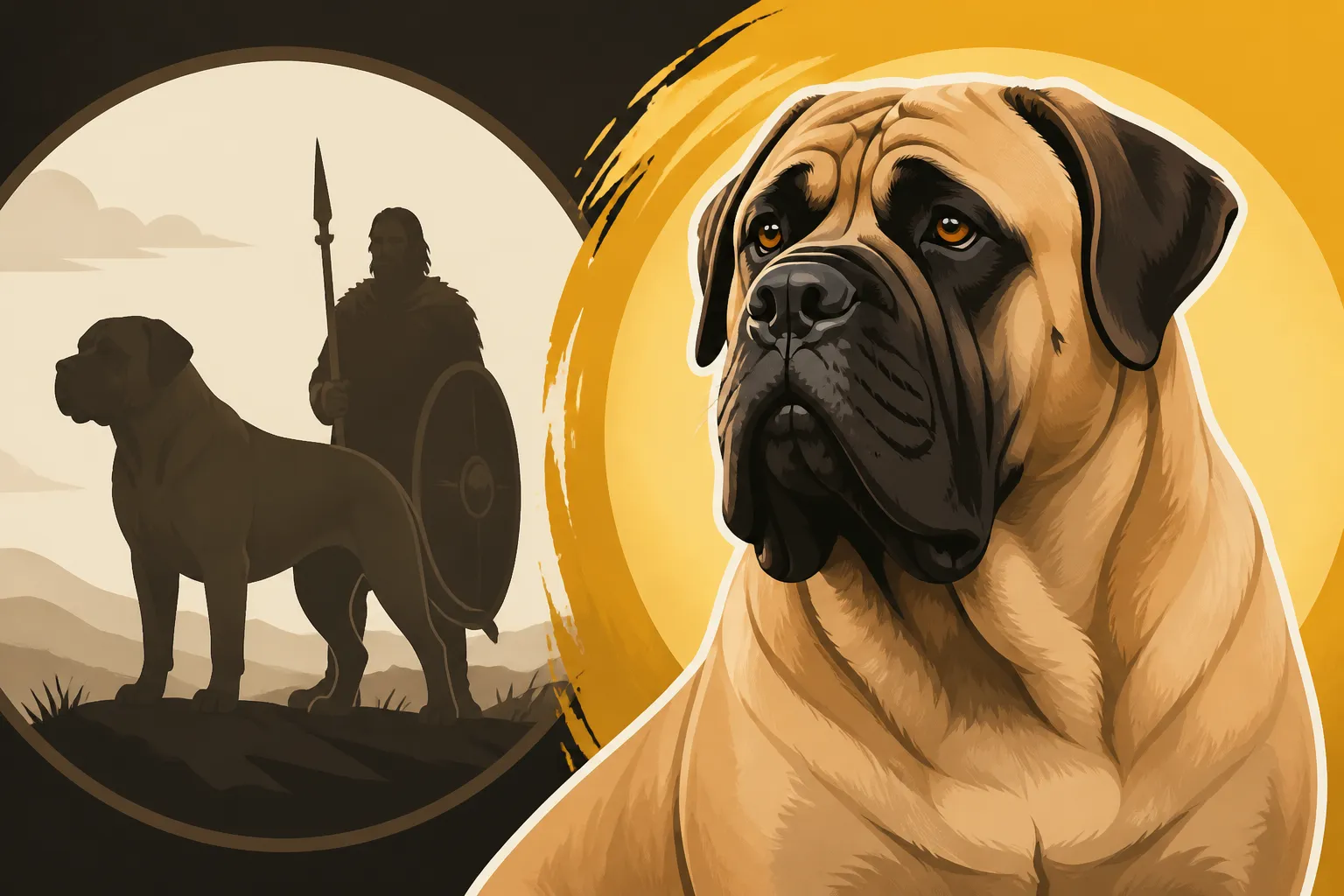
The story of the Mastiff, and consequently the "Old English" distinction, begins long before official breed standards were ever conceived. Their ancestors, often described as powerful Molosser-type dogs, accompanied various peoples across continents. These were robust, brave dogs used for guarding, war, and hunting large game. When the Romans invaded Britain in 55 BC, they were reportedly impressed by the formidable native dogs they found. These weren't the refined show dogs we see today, but rather the hardy, protective animals of the Britons. It's often said that What Caesar Wrote About British Mastiffs speaks to these early encounters, highlighting their immense strength and courage.
The Romans themselves brought their own Molossian dogs, and it’s believed that these interbred with the native British stock, further solidifying the powerful lineage that would eventually become the Mastiff. This blending of ancient bloodlines over centuries laid the groundwork for the dogs that would later be known for their English origins. It’s fascinating to think about how these dogs witnessed the rise and fall of empires, always remaining by humanity's side for protection and companionship.
Britain's Indigenous Mastiff-Type Dogs
For centuries, these large, powerful dogs were integral to the lives of the English gentry and common folk alike. They guarded estates, livestock, and families against intruders, both human and animal. Their immense size and intimidating presence made them unparalleled deterents. They weren't just pets; they were essential workers. The very word "Mastiff" likely comes from the Old French word "mastin," meaning "tame" or "domesticated," which hints at their role as household guardians, even with their fierce appearance. Where the Word Mastiff Comes From is a journey into etymology that sheds more light on this.
The "English" part of "Old English Mastiff" emphasizes that these were the dogs developed and refined within the British Isles. Unlike other European mastiff types, the English variant developed its own distinct characteristics, influenced by the local environment, needs, and selective breeding practices (even if informal). They became synonymous with the strength and steadfastness of the English spirit, a true national dog long before breeds were formally categorized.
The Evolution of a Name: From "Mastiff" to "Old English Mastiff" and Back Again
The journey of the Mastiff's name reflects changes in how dog breeds were perceived, documented, and officially recognized. While "Old English Mastiff" might sound like a separate, archaic breed, it's primarily a historical descriptor for the one and only Mastiff.
Distinguishing a Historical Breed from a Modern One
In the days before formalized kennel clubs and breed standards, many types of dogs were simply known by their function or their general appearance. The "Mastiff" was a broad term for a large guardian dog. As dog breeding became more systematized in the 19th century, particularly in England, efforts were made to solidify the characteristics of specific breeds. The term "Old English Mastiff" emerged partly to distinguish the traditional, indigenous British strain from other Molosser breeds that were gaining popularity or being imported from elsewhere. It was a way of saying, "This is our Mastiff, the one that has been here for generations."
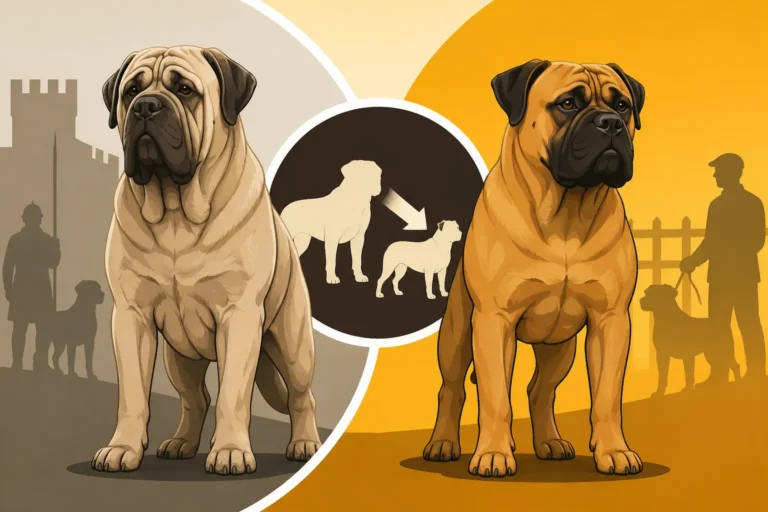
This historical labeling helped reinforce the unique identity of the English variety. It differentiated them from breeds like The Mastiff Against the Bullmastiff and the Cane Corso, which, while sharing some distant ancestry, developed along different lines for different purposes. The "Old English" preface essentially highlighted the historical purity and long-standing presence of this specific type of large dog in England. Think of it as a proud declaration of heritage, much like calling something "traditional English tea."
The Official Breed Standard and Its Nomenclature
Today, most major kennel clubs, including the American Kennel Club (AKC), simply refer to the breed as the "Mastiff." The "Old English" prefix has largely fallen out of official use because it’s redundant; the Mastiff breed recognized globally traces its direct lineage back to those very English dogs. There isn't a "New English Mastiff" or a "Modern English Mastiff" to differentiate it from. When you see a Mastiff today, you are looking at the direct descendant of those "Old English" dogs. What the AKC Officially Calls the Mastiff clarifies this formal designation.
Despite this, the informal use of "Old English Mastiff" persists, particularly among enthusiasts who appreciate the deep historical roots of the breed. It serves as a reminder of their storied past and the centuries of development that went into creating these gentle giants. It's not uncommon to hear older breeders or long-time owners use the term with affection and respect for the breed's heritage.
| Term Used | Official Status | Implication | Historical Context |
|---|---|---|---|
| Mastiff | Official Breed Name | The recognized breed today | Direct descendant of historical English dogs |
| Old English Mastiff | Unofficial, historical | Refers to the same breed, emphasizing British origin and traditional type | Used to distinguish from other emerging Molosser types, particularly in 19th century England |
| Molosser | Broad Dog Type | Ancestral group of large, robust dogs | Ancient dogs from Molossia, progenitors of many mastiff-type breeds |
More Than Just a Name: What "Old English" Implies About the Breed
The "Old English" in "Old English Mastiff" isn't just about historical accuracy; it also evokes the qualities and purpose for which these dogs were traditionally bred. It speaks to their very essence and the role they played in society.
A Legacy of Guarding and Companionship
For centuries, these dogs were guardians, plain and simple. They were bred for their imposing size, their courage, and their unwavering loyalty. Picture a grand English estate, perhaps one of The English Castles Mastiffs Guarded, with a massive Mastiff patrolling the grounds, its presence alone enough to deter any would-be intruder. This deep-seated protective instinct, combined with a gentle temperament towards their own family, is a hallmark of the Mastiff today. The "Old English" refers to this functional role, where the dog was a vital part of the household's security and an esteemed companion.
They weren't bred for speed or agility, but for strength and intimidation. This historical purpose shaped their physical characteristics – their massive heads, powerful bodies, and deep chests. It also shaped their temperament: watchful, discerning, and generally reserved with strangers, but incredibly devoted to their inner circle. This blend of formidable protector and loving family member is a direct inheritance from their "Old English" days.
Preserving the Historical Type Versus Modern Interpretations
The designation "Old English Mastiff" also subtly champions the preservation of the breed's traditional characteristics. In the mid-19th century, as dog fancy gained traction, there was a conscious effort to standardize breeds. This meant looking back at the "old" types and striving to maintain their form and function. For the Mastiff, this meant ensuring that the breed continued to embody the impressive size, powerful build, and noble temperament that had defined it for centuries. How the Modern Mastiff Differs From the Prewar Type delves into how wartime challenges impacted the breed and how dedicated breeders worked to restore its historical type.
Breeders who resonate with the "Old English" descriptor often place a high value on maintaining the breed's ancestral qualities, sometimes emphasizing a more substantial, heavier build and a classic temperament that honors their heritage. They are committed to breeding dogs that are true to their roots, not just in appearance but in character and health. Many rely on quality food and supplements, often sourcing from reputable online retailers like Chewy, to ensure their Mastiffs grow into healthy, robust adults that reflect their impressive lineage.
Common Misconceptions and Clarifications
The historical nomenclature can lead to some misunderstandings, especially for those new to the breed. It's important to clarify what "Old English Mastiff" is and is not.
Is "Old English Mastiff" a Separate Breed?
No, an "Old English Mastiff" is not a separate breed. It is simply another name for the Mastiff, sometimes used to emphasize its historical English origins. Think of it like calling a German Shepherd a "Alsatian" – an older, once-common name that refers to the same breed. There is no official registry for an "Old English Mastiff" that distinguishes it from the standard Mastiff. If you encounter someone advertising "Old English Mastiff puppies," they are selling Mastiff puppies. What truly matters is the lineage, health testing, and adherence to the breed standard, regardless of the historical descriptor used. For instance, reputable breeders will share The CHIC Tests Both Mastiff Parents Must Clear to prove their dedication to healthy lines.
The confusion sometimes arises because other breeds do use "Old English" in their name, such as the Old English Sheepdog. In that case, "Old English" is part of the official breed name and denotes a distinct breed. However, for the Mastiff, it's a historical nickname rather than a formal differentiator.
The Difference Between Old English and Other "Mastiff" Breeds
The term "Mastiff" itself is a broad classification for a type of dog, much like "terrier" or "hound." This is why you see many breeds with "Mastiff" in their name: Neapolitan Mastiff, Bullmastiff, Tibetan Mastiff, and so on. Each of these is a distinct breed with its own unique history, characteristics, and breed standard. The "Old English Mastiff" specifically refers to the English Mastiff. Why the Mastiff Is Not the Same as a Tibetan Mastiff explains how genetically distant some of these "mastiff" breeds actually are.
When someone refers to an "Old English Mastiff," they are generally talking about the magnificent, fawn, apricot, or brindle giant with a black mask, known for its calm demeanor and powerful build. They are not talking about the heavily wrinkled Neapolitan Mastiff or the more agile Bullmastiff. Understanding this distinction is crucial when researching the breed and looking for a reputable breeder. Regardless of the exact terminology used, finding a breeder who is transparent about their dogs' health, temperament, and adherence to the breed standard is paramount. Many Mastiff owners swear by trusted brands available on platforms like Chewy for their dog's specific dietary and health needs, especially given their enormous size and the specialized care they require. Even basic supplies like giant dog beds or extra-large food bowls are readily found through such retailers.
This historical title, "Old English Mastiff," ultimately underscores the deep and meaningful connection between this noble breed and its country of origin. It's a testament to a legacy of loyalty, protection, and sheer impressive presence that has captivated people for centuries and continues to define the Mastiff today.
Disclaimer
This article is for general informational purposes only and does not constitute professional advice. Laws, prices and regulations vary by location and change over time. Consult a qualified professional for guidance on your specific situation.