Why the Mastiff Is Not the Same as a Tibetan Mastiff
It’s incredibly common for people new to the world of giant dog breeds to hear the word "Mastiff" and immediately picture any large, powerful dog. But when you hear "Tibetan Mastiff," it's easy to assume it's just a variation of the same breed, perhaps a longer-haired version from a cold climate. This couldn't be further from the truth. These are two entirely separate breeds with vastly different histories, temperaments, and care requirements, and understanding these distinctions is absolutely vital for anyone considering bringing one of these magnificent dogs into their home. This guide will walk you through the fundamental differences between the Old English Mastiff (often just called "Mastiff") and the Tibetan Mastiff, helping you appreciate their unique qualities.
Deep Roots: A Tale of Two Histories and Origins
The journey of any dog breed starts with its history, and for the Mastiff and the Tibetan Mastiff, their paths diverged millennia ago, shaped by distinct geographical and cultural forces. Understanding where they came from is key to appreciating why they are so different today.
The European Heritage of the Old English Mastiff
Our beloved Mastiff, the Old English Mastiff, has a history deeply intertwined with the British Isles, though its origins stretch back even further. They are descendants of ancient Molosser dogs, massive canines used by various civilizations for war, guarding, and hunting large game. Imagine Roman legions marching across Europe, bringing their formidable war dogs with them. It's believed that these dogs intermingled with local British stock, eventually leading to the development of the Mastiff we recognize today. Where the Mastiff Came From Before Britain
Throughout centuries, the Mastiff was refined in England, largely serving as a formidable estate guardian. They were tasked with protecting vast properties, livestock, and families from poachers and predators. This role demanded a dog that was physically imposing, courageous, but also discerning and devoted to its human family. They weren't just brute force; they needed a keen intelligence to know friend from foe. This long history of guarding homes, not herding or hunting extensively, cemented their calm, watchful, and deeply loyal nature. When you think of a Mastiff, picture the loyal companion that stood guard over English nobility and commoners alike for generations.
The Ancient Mystique of the Tibetan Mastiff
In stark contrast, the Tibetan Mastiff hails from the remote, high-altitude regions of the Himalayas, particularly Tibet and Nepal. These dogs are one of the most ancient breeds, often considered a primitive breed, meaning they have changed very little from their ancestral stock. Their lineage is shrouded in legend, with tales of them accompanying Genghis Khan and serving as guardians of monasteries and nomadic camps high in the mountains.
Their original purpose was as uncompromising guardians for livestock and homes against serious threats like snow leopards, wolves, and human intruders in a harsh, unforgiving environment. This wasn't a job for a soft dog; it required immense strength, courage, independence, and a fierce protective instinct. They are known for their formidable appearance, their booming bark that carries far across mountain valleys, and a self-sufficient nature born from thousands of years of working independently in isolation. They weren't bred to interact intimately with humans in the same way a European Mastiff was; their primary bond was to their flock or territory, and humans were part of that territory they protected.
A Striking Visual: Comparing Their Physical Forms
At first glance, both breeds are undeniably large and impressive, but a closer look reveals a myriad of physical differences that reflect their divergent evolutionary paths and functional purposes. From head to tail, they tell different stories.
The Old English Mastiff's Classic Silhouette
The Old English Mastiff is often described as a "gentle giant" in appearance, a massive, powerful dog, but with a generally softer, more melancholic expression. They possess a short, dense coat, which typically comes in fawn, apricot, or brindle, always with a distinct dark mask on their muzzle. Their skin tends to be looser, especially around the face and neck, creating those endearing wrinkles that Mastiff lovers adore. The Wrinkles and Folds a Mastiff Owner Cleans Every Week
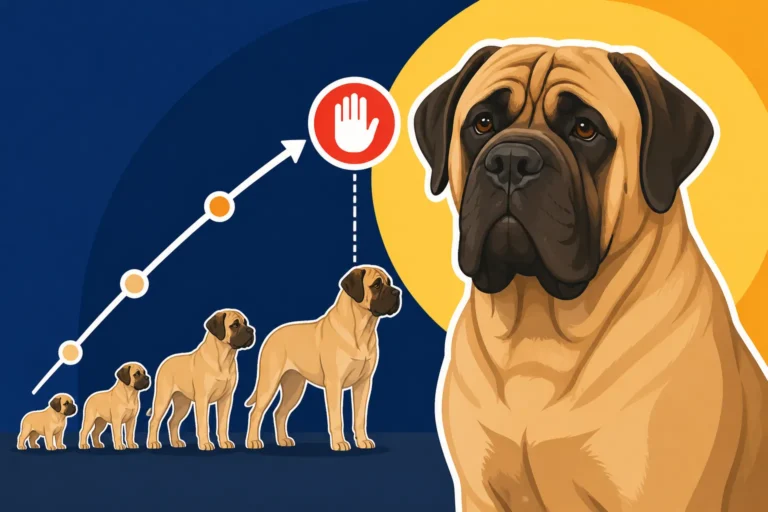
Their head is broad and square, a hallmark of the breed, with a moderate amount of loose skin over the forehead that wrinkles when alert. Their eyes are dark and expressive, often conveying a sense of calm dignity. Body-wise, they are immensely heavy-boned, deep-chested, and rectangular in proportion, giving them a stately, imposing presence. A male Mastiff can easily weigh two hundred pounds or more, standing at least 30 inches tall at the shoulder. Their sheer mass and bulk are a defining characteristic, often making them one of the heaviest breeds.
The Tibetan Mastiff's Regal, Lion-like Grandeur
The Tibetan Mastiff presents a far more primitive and wilder image, often described as lion-like, especially the males with their impressive manes. Their defining feature is their thick, dense double coat, which is particularly heavy around the neck and shoulders, creating that regal ruff. This coat evolved to protect them from the extreme cold of their mountainous homeland. Their colors can vary widely, including black, brown, red, blue, and various shades with tan markings, sometimes even appearing sable. They often have white markings on their chest and feet.
Their head is also broad, but the overall impression is less square and more powerful, framed by their mane. Their eyes are usually dark brown, set slightly obliquely, giving them a more watchful, almost almond-shaped appearance. Unlike the Old English Mastiff's droopy jowls, the Tibetan Mastiff typically has tighter lips. Their build is robust and powerful, but often appears more agile and athletic beneath their heavy coat than the massive, slower-moving Old English Mastiff. They also carry their tails curled over their backs, a distinct difference from the Mastiff's lower-set, straight tail.
| Feature | Old English Mastiff | Tibetan Mastiff |
|---|---|---|
| Origin | England (Molosser lineage) | Himalayan Mountains (Tibet, Nepal) |
| Coat Type | Short, dense, close-lying | Thick, heavy double coat, often with a prominent mane |
| Common Colors | Fawn, apricot, brindle (all with dark mask) | Black, brown, red, blue, sable (often with tan points) |
| Facial Features | Loose skin, prominent wrinkles, dark mask, droopy jowls | Tighter lips, less wrinkling, lion-like mane, often watchful eyes |
| Build | Immensely heavy-boned, rectangular, massive bulk | Powerful, robust, slightly more agile under coat |
| Tail Carriage | Low set, often straight or slightly curved | Carried curled over the back |
| Lifespan | Typically 6-10 years | Typically 10-14 years |
| Temperament | Gentle, calm, loyal, docile with family, watchful | Independent, reserved, highly protective, often aloof |
Hearts of Gold vs. Independent Spirits: Temperament and Behavior
When it comes to personality, this is where the breeds truly diverge. Both are guardians, but they perform their duties with entirely different approaches, making them suitable for very different types of owners and households.
The Gentle Giant: Old English Mastiff Temperament
The Old English Mastiff is famously known for its "gentle giant" disposition. With its family, it is incredibly affectionate, loving, and surprisingly docile for its size. They are often described as "nanny dogs" for children, albeit incredibly clumsy ones, known for their patience and tolerant nature. They crave companionship and thrive on being part of the family unit, often following their people from room to room. Whether a Mastiff Follows You Room to Room
However, their guarding instincts are very much present, even if expressed subtly. They are typically reserved with strangers, observing newcomers carefully. They might not be overtly aggressive, but their sheer size and watchful demeanor are usually enough to deter any ill intent. They rarely bark without good reason, preferring a low growl or simply blocking a perceived threat with their massive body. A Mastiff's loyalty is absolute, and while they are not typically high-energy, they do need consistent, positive training from a young age to ensure their manners match their immense size. They are surprisingly sensitive and respond poorly to harsh corrections, often retreating into themselves if treated unkindly.
The Ancient Guardian: Tibetan Mastiff Temperament
The Tibetan Mastiff is a breed whose temperament is very much a product of its ancestral role: an independent, formidable guardian in a harsh land. They are intelligent, strong-willed, and notoriously independent. While they form strong bonds with their immediate family, they are not typically "velcro dogs" like many Mastiffs. They are reserved to the point of being aloof with strangers, and their protective instincts are far more primal and overt.
These dogs are known for their strong territorial nature and can be highly suspicious of anyone outside their inner circle. Socialization from a very young age is absolutely critical, and even then, they maintain a certain level of independence and wariness. They are naturally nocturnal guardians, meaning they are often most active and vocal at night, a trait that can be challenging for suburban living. Their bark is deep, booming, and used with purpose. Owners must understand that the Tibetan Mastiff is not a breed for the faint of heart or those seeking a cuddly, universally friendly giant. They demand respect, clear leadership, and an owner who understands and can manage their unique, primitive guarding instincts.
Daily Living: Care and Grooming Necessities
Considering the vast differences in their coats, origins, and physical attributes, it's no surprise that the daily care and grooming needs of these two Mastiff breeds are quite distinct. These practical considerations significantly impact the commitment required from an owner.
Maintaining the Old English Mastiff
The Old English Mastiff's short, dense coat might seem low-maintenance, but "low effort" is not entirely accurate. While they don't require extensive brushing, they do shed, and that dense undercoat needs occasional attention, especially seasonally. A good rubber curry brush works wonders for shedding. Bathing a Mastiff, a creature that can outweigh a grown man, is a major undertaking, often requiring specialized grooming facilities or an outdoor setup. Where a Mastiff Can Actually Be Washed
Beyond the coat, their distinct wrinkles and folds require regular cleaning to prevent skin infections, especially around the mouth and eyes. This is a weekly task that can become much more frequent if they're particularly slobbery or messy. Elbow calluses are also a common concern due to their massive weight, necessitating soft bedding. Perhaps the most universal "care" concern for a Mastiff owner is drool. The loose jowls of the Mastiff mean that drool is a constant companion, flung onto walls and furniture with enthusiastic head shakes. Owners quickly learn to keep a "drool rag" handy.
Tending to the Tibetan Mastiff's Majestic Coat
The Tibetan Mastiff's magnificent double coat is a thing of beauty, but it comes with a significant grooming commitment. While it doesn't typically shed constantly, they undergo a massive "blow" once or twice a year, where they shed their entire undercoat. During these periods, grooming becomes an intensive daily affair to prevent matting and manage the incredible amount of loose hair. Without regular brushing, their coat can quickly become tangled and felted, leading to skin issues.
Beyond the seasonal shedding, regular brushing throughout the year is still important to keep their coat healthy and free of debris, especially if they spend time outdoors. Bathing a Tibetan Mastiff is an even more colossal task than bathing an Old English Mastiff, often requiring professional help due to the sheer volume of hair and the time it takes to dry thoroughly. Unlike the Old English Mastiff, the Tibetan Mastiff typically has much tighter jowls, meaning drooling is usually not a significant issue. However, their heavy coat means they are highly susceptible to overheating in warm climates, requiring careful management during hot weather.
Health Matters: Lifespan and Common Ailments
Both giant breeds, unfortunately, share some health vulnerabilities common to large dogs, but each breed also has its own specific predispositions and typical lifespans that prospective owners must be aware of.
Health Profile of the Old English Mastiff
The Old English Mastiff, like many giant breeds, tends to have a shorter lifespan, typically ranging from 6 to 10 years. This reality is a hard one for owners to face. They are prone to several significant health issues, with orthopedic problems being a major concern. Hip and elbow dysplasia are unfortunately common, conditions where the joints don't develop properly, leading to pain and arthritis. Elbow Dysplasia Affects One Mastiff in Seven Responsible breeders extensively screen for these conditions, but the sheer weight of a Mastiff puts immense strain on their joints throughout their lives.
Another critical concern for Mastiffs is bloat, or Gastric Dilatation-Volvulus (GDV), a life-threatening condition where the stomach twists. Their deep chests make them particularly susceptible. Bloat in the Deepest Chest of Any Breed: the Mastiff Owners often choose to have a prophylactic gastropexy performed, a surgery to tack the stomach in place. They can also be prone to certain cancers, heart conditions like dilated cardiomyopathy, and eye issues like entropion or ectropion due to their facial structure. Awareness of these potential issues and proactive veterinary care, often involving specialists due to their size, are crucial for their well-being. Why Anesthesia Is Riskier in a Mastiff
Health Profile of the Tibetan Mastiff
The Tibetan Mastiff generally enjoys a longer lifespan than its English counterpart, typically living between 10 and 14 years. This extended longevity is often attributed to their more primitive genetic background, although they are not without their own health challenges. Like many large breeds, hip and elbow dysplasia can occur, though perhaps with a slightly lower incidence than in some European giant breeds.
Thyroid issues, particularly hypothyroidism, are relatively common in Tibetan Mastiffs and can affect their metabolism, coat quality, and energy levels. They can also be prone to certain eye conditions, including Progressive Retinal Atrophy (PRA), which can lead to blindness. Why Mastiff Retinal Atrophy Needs Only One Copy of the Gene Reputable breeders will conduct thorough health screenings, including OFA certifications for hips and elbows and genetic testing for conditions like PRA. While bloat is a concern for any deep-chested breed, it may be less prevalent in Tibetan Mastiffs compared to Old English Mastiffs, but owners should still be vigilant.
Learning the Ropes: Training and Socialization Approaches
Training and socialization are paramount for any large dog, but the distinct temperaments of the Old English Mastiff and the Tibetan Mastiff mean very different strategies and expectations are needed to raise them into well-adjusted adults.
Guiding the Old English Mastiff
Training an Old English Mastiff is about gentle consistency and positive reinforcement. They are intelligent dogs, eager to please their families, but they can also be quite sensitive and will shut down if treated harshly. They learn best with short, engaging sessions that focus on building a strong bond. Basic obedience is essential from day one because a dog that can weigh over two hundred pounds needs to understand boundaries and polite leash manners before it outgrows its handler. Teaching a Mastiff Before It Outweighs You
Socialization is equally important to ensure they are comfortable and confident around new people, places, and other animals. While they are naturally reserved, early, positive exposure helps them develop into well-adjusted adults rather than overly wary ones. Their sheer size means accidental bumps are a real concern, especially around small children or the elderly, so teaching them to be spatially aware is a lifelong endeavor. They thrive on clear, kind leadership and a consistent routine, and while they might sometimes display a stubborn streak, it's often more a sign of them thinking through a request than outright defiance. The Stubbornness That Is Actually a Mastiff Thinking
Directing the Independent Tibetan Mastiff
Training a Tibetan Mastiff is a far more challenging endeavor, demanding immense patience, understanding, and experience. These are not dogs that are easily coerced or eager to blindly please. Their intelligence is high, but so is their independence. They have a strong "what's in it for me?" attitude and will question commands, often preferring to make their own decisions. Positive reinforcement and reward-based training are crucial, as harsh methods will only create resentment and distrust.
Socialization for a Tibetan Mastiff is not just important; it's absolutely vital for preventing potential aggression or extreme timidity. From a very young age, they need extensive, positive exposure to a wide variety of people, sights, and sounds. However, even with diligent socialization, a Tibetan Mastiff will likely remain reserved with strangers and intensely protective of its territory and family. They require an owner who can be a firm, consistent, and confident leader, understanding that this breed needs to respect you, not just obey you. They are not recommended for novice owners or those who cannot commit to a lifetime of consistent management and training. Their powerful guarding instincts mean they are often challenging to integrate into busy social environments or households with frequent visitors.
Practicalities of Ownership: The Real-World Impact
Beyond the day-to-day care, there are broader practical considerations that define what it's truly like to own either a Mastiff or a Tibetan Mastiff, from their vocal habits to their suitability for different living environments.
Living with an Old English Mastiff
Owning an Old English Mastiff means embracing a lifestyle centered around a truly massive, yet generally calm, companion. They are not high-energy dogs and are content with moderate exercise, often just a few walks a day and some yard time. Their immense size means they need plenty of space indoors, even if they aren't constantly zooming around. A comfortable, large bed is a non-negotiable expense, and you'll likely need several throughout the house. What a Bed That Holds a Mastiff Costs
Their famously quiet nature means they aren't prone to nuisance barking, which is a blessing in many neighborhoods. However, their sheer presence and potential clumsiness mean that small children and fragile items need careful consideration. When it comes to travel, their size presents logistical challenges; fitting a Mastiff into a standard car is often impossible, and air travel is rarely an option. Why Airlines Will Not Fly a Mastiff Owners must also factor in the significantly higher cost of everything from food to medication, as giant breed pricing bands often mean they require multiple doses or larger quantities. Why a Mastiff Costs More Per Year Than a Dog That Lives Twice as Long
Living with a Tibetan Mastiff
Living with a Tibetan Mastiff is a commitment to a far more independent and often more challenging breed. Their guarding instincts are paramount, and they require secure fencing, often higher than typical, to prevent them from patrolling boundaries or escaping to investigate. Their booming bark, especially at night when they are most active as guardians, can be a major issue for neighbors if not managed.
While they appreciate space, their exercise needs are moderate, similar to the Old English Mastiff, but they thrive on having a job or territory to guard. They are not suited for apartment living or homes without a large, securely fenced yard. Their independence means they are less likely to be happy simply lounging by your side all day; they need mental stimulation and a purpose. Due to their formidable nature and protective instincts, they are often not the ideal choice for families with very young children or those who entertain frequently. Owning a Tibetan Mastiff means understanding that you are bringing a formidable, ancient guardian into your home, not a giant, cuddly teddy bear. Their food and veterinary costs will also be substantial due to their size, similar to the Old English Mastiff. You can find specialized giant breed foods or supplements on platforms like Chewy, for example.
What a Name Signifies: Modern Roles and Recognition
Finally, it’s worth looking at how these two breeds are perceived and utilized in the modern world, which further cements their distinct identities beyond a shared part of their name.
The Old English Mastiff in Contemporary Society
Today, the Old English Mastiff primarily serves as a beloved family companion and guardian. They are admired for their imposing size, gentle demeanor, and unwavering loyalty. While their protective instincts remain, they are generally a calm and adaptable presence in a loving home. They can excel in obedience and even some low-impact activities like therapy work, where their calm nature and gentle disposition are highly valued. The Mastiff as a Therapy Dog
They are recognized by major kennel clubs worldwide, including the American Kennel Club (AKC), which sets a breed standard that emphasizes their dignified appearance and gentle temperament. Enthusiasts are dedicated to preserving the breed's health and integrity, focusing on responsible breeding practices that aim to mitigate common health issues. Despite their short lifespan, their impact on their human families is profound, leaving an indelible mark with their quiet strength and deep affection. If you're looking for a devoted, albeit giant, family member, the Old English Mastiff is a popular choice. For their specific nutritional needs, many owners find appropriate large-breed formulas and supplements through online retailers like Chewy.
The Tibetan Mastiff in the Modern World
The Tibetan Mastiff, while gaining popularity in recent decades, particularly in Asia, still retains much of its ancient, primitive nature. They are often sought after as status symbols or for their impressive guarding capabilities. However, their unique temperament means they are not suited for every household. Their primary role continues to be as guardians, whether of family, property, or livestock.
They are also recognized by major kennel clubs, but the emphasis in their breeding often remains on preserving their natural instincts and formidable physical characteristics. They are not a breed that thrives on constant human direction or social events in the same way many other breeds do. Their deep-seated independence and territoriality mean that owners must be prepared for a dog that will always operate somewhat on its own terms. Due to their rarity and unique needs, finding specialized trainers or support for Tibetan Mastiffs might require more dedicated searching. When considering items like durable chew toys or heavy-duty leashes for a Tibetan Mastiff, Chewy or similar large online pet stores are good starting points. Whether a Mastiff Needs a Custom Collar
Disclaimer
This article is for general informational purposes only and does not constitute professional advice. Laws, prices and regulations vary by location and change over time. Consult a qualified professional for guidance on your specific situation.