The Mastiff Against the Bullmastiff and the Cane Corso
It’s easy to look at a large, impressive dog and think they’re all cut from the same cloth. But when you’re talking about powerful, protective breeds like the Mastiff, Bullmastiff, and Cane Corso, understanding their distinct nuances isn't just about trivia—it's essential for a successful, happy life together. This guide dives deep into what makes each of these magnificent breeds unique, helping you truly see past their shared "big dog" status to appreciate their individual characteristics and decide which might be the right fit for your home.
A Glimpse into Their Storied Past: Mastiff, Bullmastiff, and Cane Corso History
These three breeds, while all powerful and imposing, each have a rich and distinct history that shaped their development and, crucially, their inherent traits. Understanding where they come from is key to appreciating who they are today. It’s not just about ancient dog breeds; it's about the purpose they served and the people they lived alongside.
The Ancient Roots of the English Mastiff
The English Mastiff, often simply referred to as the Mastiff, is a truly ancient breed with a lineage that stretches back millennia. Their ancestors, the Molossers, were formidable dogs found across the ancient world, known for their massive size and protective instincts. When the Romans arrived in Britain, they were reportedly so impressed by these indigenous, large fighting dogs that they took them back to Rome to fight in arenas against bears, lions, and even gladiators. Imagine the sight! How Roman Troops Brought Mastiffs to England
Throughout the Middle Ages and beyond, the Mastiff evolved into a guardian of estates, an imposing figure protecting castles and land from poachers and intruders. They weren't typically aggressive unless provoked, but their sheer size and presence were often deterrent enough. The famous tale of The Mastiff That Stood Over Sir Piers Legh at Agincourt in 1415 speaks to their steadfast loyalty and courage. These dogs were bred for massive bone and bulk, designed to be slow, deliberate, and utterly immovable. Their job wasn't to chase down a thief, but to stand their ground and deter. This long history of being a guardian, coupled with a deep bond with their human families, is why today's Mastiff is known for its gentle, loyal, and somewhat reserved nature. They've seen it all, and they've learned to be calm observers first, protectors second.
The Gamekeeper's Night Dog: The Bullmastiff's Emergence
The Bullmastiff, in contrast to the ancient Mastiff, is a relatively modern creation, deliberately bred in 19th-century England. This breed was born out of a very specific need: to help gamekeepers protect vast estates from poachers. Poaching was a serious problem, and gamekeepers needed a dog that could track, quietly apprehend, and hold a poacher without mauling them. The Mastiff, while imposing, was perhaps too slow, and traditional guard dogs were often too aggressive once they caught their target.
So, breeders crossed the old English Mastiff with the Bulldog, aiming for a dog that combined the Mastiff’s size and guarding instinct with the Bulldog’s courage, strength, and lower center of gravity. The result was the "Gamekeeper's Night Dog," a powerful, agile, and remarkably quiet animal perfectly suited for night patrol. They were often referred to as "the silent watchdogs." This ancestry gives the Bullmastiff its distinctive blend of power and athleticism, along with a keen sense of territory and a deep-seated protective nature. They are often more alert and quicker to react than the English Mastiff, a direct legacy of their job apprehending human intruders.
The Italian Farm and Family Protector: The Cane Corso's Resurgence
The Cane Corso's history also traces back to ancient Roman war dogs, sharing some distant ancestry with the Mastiff through the Molosser type. These robust dogs were widely used in ancient Rome as auxiliary warriors, as well as for hunting big game and guarding property. After the fall of the Roman Empire, the Cane Corso adapted to life in rural Italy, becoming an invaluable all-around farm dog. They guarded livestock, hunted boar, and, most importantly, protected their families and homes. What Roman Troops Brought Mastiffs to England
However, with the mechanization of agriculture and the devastation of the World Wars, the Cane Corso faced near extinction. By the mid-20th century, they were incredibly rare. Thankfully, a dedicated group of enthusiasts in Italy worked tirelessly to revive the breed, tracing the few remaining specimens and rebuilding the population. This deliberate effort to preserve the breed's working heritage means that the modern Cane Corso retains a strong protective drive, impressive intelligence, and a high level of athleticism. They are often described as having an intense bond with their families, coupled with a wary, observant nature towards strangers. Their historical role required them to be versatile, intelligent, and fiercely loyal, traits that are very much present today.
Physical Distinctions: Size, Structure, and Appearance
While all three breeds are undeniably large and powerful, a closer look reveals significant differences in their physical makeup, each tailored to their historical purpose and contributing to their unique presence.
The Gentle Giant: English Mastiff's Imposing Stature
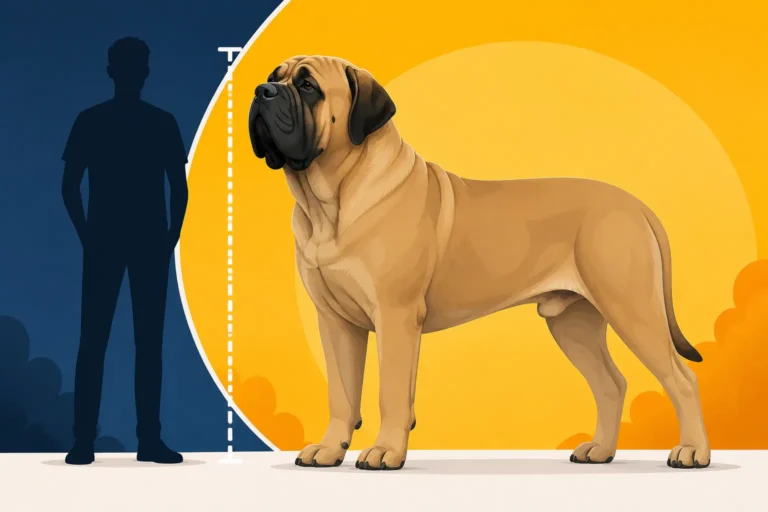
The English Mastiff is the epitome of a giant breed, often described as having a truly massive, rectangular body. When you see one, you're looking at immense bone and substance. Males typically weigh between 160 to 230 pounds, though some can be even heavier, pushing well past 200 pounds. Females are usually a bit lighter, ranging from 120 to 170 pounds. In terms of height, they stand impressively at 27.5 to 30 inches or more at the shoulder. What a Mastiff Actually Weighs How Tall a Mastiff Stands
Their heads are broad and massive, with a distinctly wrinkled brow that gives them a thoughtful, sometimes mournful, expression. The muzzle is relatively short and broad. Their bodies are deep and wide, giving them a heavy, powerful appearance that speaks to their immovable guardian role. The tail is carried low, usually not rising above the level of the back. Their coats are short and close-lying, coming in fawn, apricot, or brindle, always with a dark mask around the muzzle and eyes. The sheer scale of a Mastiff is breathtaking; they're not just big, they're truly gargantuan, making them one of the heaviest dog breeds in the world. This size contributes to their lower energy levels and the need for careful management of their joints, even from puppyhood.
The Athletic Protector: Bullmastiff's Muscular Build
The Bullmastiff, while still a large and powerful breed, is noticeably more athletic and compact than the English Mastiff. They are sometimes called the "perfectly proportioned" guard dog due to their blend of strength and agility. Males generally weigh between 110 to 130 pounds, with females typically ranging from 100 to 120 pounds. Their height at the shoulder is usually 25 to 27 inches for males and 24 to 26 inches for females. This makes them significantly lighter and slightly shorter than their Mastiff cousins.
Their build is distinctly muscular and powerful, giving the impression of immense strength packed into a well-balanced frame. The head is broad and square, though usually with fewer wrinkles than an English Mastiff. The muzzle is shorter than the Mastiff's, contributing to their powerful bite. Their coat is short and dense, found in fawn, red, or brindle, and they, too, have a characteristic black mask. The Bullmastiff's structure reflects its history as a dog bred for speed, strength, and the ability to knock down and hold a human without causing severe injury. They have a purposeful, self-assured stance, looking ready for action, a direct contrast to the Mastiff's more placid, monumental presence.
The Agile Guardian: Cane Corso's Leaner Frame
The Cane Corso stands out with its more lean, athletic, and somewhat elegant build compared to the other two. They are powerful and muscular, but without the sheer bulk of the Mastiff or the compact density of the Bullmastiff. Males typically weigh between 99 to 110 pounds, and females 88 to 99 pounds. Their height ranges from 25 to 27.5 inches for males and 23.5 to 26 inches for females. This places them generally lighter and often a touch taller than the Bullmastiff, with a more streamlined silhouette. How a Cane Corso Moves Against a Mastiff
Their heads are large, but proportioned to their body, with a powerful muzzle. Unlike the Mastiff, deep wrinkles are not a breed characteristic, though some might have slight furrowing. The Cane Corso's body is robust and strong, conveying an impression of elasticity and quick movement. Their ears are traditionally cropped in some regions, though they are increasingly left natural, hanging close to the head. Tails are often docked, but again, this practice is changing, and natural tails are carried relatively low. Their coats are short, stiff, and dense, and can come in black, gray, fawn, red, and brindle, often with a black or grey mask. The Cane Corso's physique is clearly that of an active working dog, capable of bursts of speed and agility, reflecting its history of hunting and dynamic protection duties. They carry themselves with an alert, intelligent, and somewhat watchful expression, always appearing ready to assess a situation.
Temperament and Personality: What to Expect
Beyond their looks, the true heart of each breed lies in its temperament. These dogs are more than just their size; they have distinct personalities shaped by centuries of selective breeding and specific roles.
The Benevolent Watchdog: Mastiff's Calm Demeanor
The English Mastiff is famous for its gentle, loyal, and incredibly calm demeanor, often earning them the nickname "Gentle Giants." They form deep bonds with their families and are known for being exceptionally patient and tolerant, particularly with children they've grown up with. This isn't to say they are pushovers; far from it. When it comes to intruders, their immense size and deep, resonant bark are usually more than enough to deter any unwanted visitors. How Rarely a Mastiff Barks
However, their protective instincts are typically reserved and measured. A Mastiff will often put itself between its family and a perceived threat, using its body as a barrier, rather than launching into an aggressive attack. They are generally reserved with strangers, preferring to observe from a distance until they've assessed the situation and received cues from their owner. A well-socialized Mastiff accepts guests once introduced, often then choosing to quietly supervise the gathering from a comfortable spot. Their temperament is characterized by a quiet dignity and unwavering devotion. They are not typically high-energy dogs, preferring a good long nap on a comfy bed to hours of vigorous activity. How a Mastiff Judges a Stranger at the Door This calm, somewhat aloof nature is a hallmark of the breed, but it comes with immense loyalty to their inner circle.
The Fearless Gamekeeper: Bullmastiff's Alert Nature
The Bullmastiff possesses a more outwardly alert and assertive temperament than the English Mastiff. Bred specifically to protect game preserves, they have a highly developed sense of territory and a natural instinct to guard. They are self-confident, courageous, and possess an unwavering loyalty to their family, often forming a strong bond with one primary caregiver, though they are affectionate with everyone in the household.
While they are generally calm and good-natured with their families, their protective instincts are always simmering just beneath the surface. They are more likely to be overtly wary of strangers and will often position themselves between their family and an unknown person. Their guarding style typically involves a strong, authoritative presence, blocking and holding an intruder rather than attacking. They are discerning and intelligent, quickly learning who belongs and who doesn't. Proper socialization from a young age is absolutely critical for a Bullmastiff to ensure they distinguish between friend and foe and don't become overly suspicious or reactive. They need an owner who understands their protective nature and can provide consistent, confident leadership. Without it, their strong instincts can become problematic.
The Assertive Bodyguard: Cane Corso's Intense Loyalty
The Cane Corso is known for its intense loyalty, strong protective drive, and highly intelligent, assertive personality. They are incredibly devoted to their families and can be very affectionate and playful with those they trust. However, they are decidedly not a breed for novice owners. They have a strong will and a natural assertiveness that requires a confident, experienced hand.
Towards strangers, the Cane Corso is typically aloof and watchful. They do not readily accept new people and will often keep a careful distance, observing every move. Their protective instincts are potent, and they are quick to respond to perceived threats to their family or territory. They are excellent guardians, combining their physical prowess with sharp intelligence. Unlike the Mastiff, which is a deterrent by presence, or the Bullmastiff, which will hold, the Cane Corso can be more proactive in its defense, if necessary. They require extensive socialization from puppyhood to teach them appropriate responses to new situations and people. Without proper guidance and firm boundaries, a Cane Corso can become overly dominant or territorial. They thrive on having a job to do and being an active participant in their family's life, demanding mental engagement as much as physical.
Training and Socialization: Shaping a Well-Behaved Companion
Training a giant breed is not just about teaching tricks; it's about establishing clear communication, trust, and ensuring safety for everyone. The sheer size and power of these dogs mean that a lack of training can lead to serious challenges.
The Sensitive Soul: Training the Mastiff
Training a Mastiff requires patience, positive reinforcement, and a gentle touch. Despite their imposing size, Mastiffs are remarkably sensitive souls. They respond very poorly to harsh corrections, yelling, or physical punishment. Such methods can cause them to shut down, become fearful, or even resentful, making future training much harder. The Sensitivity Nobody Expects in a Two Hundred Pound Mastiff
Early socialization is paramount for a Mastiff puppy. Exposing them to a wide variety of sights, sounds, people, and other calm, vaccinated dogs from a young age helps them develop into well-adjusted adults. Without it, their natural wariness of strangers can escalate into shyness or fear. Mastiffs are not generally known for being highly motivated by endless repetitions; they are deliberate thinkers. You might find your Mastiff taking a moment to process a command before performing it. This isn't stubbornness, but often a genuine thought process! Positive reinforcement, using treats and praise, works wonders. Short, engaging training sessions keep their attention. Remember, you're building a relationship, not just issuing commands. A Mastiff who respects and trusts you will be a loyal, obedient companion. Why Harsh Correction Ruins a Mastiff
The Stubborn Student: Training the Bullmastiff
Bullmastiffs are intelligent dogs, but they also possess a strong will and can be quite stubborn. This means training requires immense consistency, firmness, and a clear understanding of canine behavior. They need an owner who can be a confident, benevolent leader without resorting to harshness. Like the Mastiff, Bullmastiffs do not respond well to heavy-handed methods, but they also won't tolerate wishy-washy leadership.
Early and ongoing socialization is absolutely crucial for Bullmastiffs to manage their natural protective instincts. They need to learn appropriate responses to new people and situations, understanding that not every stranger is a threat. Puppy classes are an excellent start, followed by continued exposure to various environments. Training sessions should be engaging and varied to keep their interest. They can get bored with repetitive drills. Positive reinforcement, coupled with clear expectations and consistent follow-through, is the most effective approach. Because of their strength and protective nature, impulse control exercises are vital. Teaching a "stay" or "leave it" could literally be a lifesaver when you're dealing with a dog of this power. Their protective nature means they need to trust your judgment in who is friend or foe, and that comes from a solid, consistent training foundation.
The Eager Learner (with a Will of Its Own): Training the Cane Corso
The Cane Corso is highly intelligent and capable of learning a great deal, but they also possess a strong, independent streak and a powerful drive. This combination means they absolutely require an experienced dog owner who understands how to manage and channel their working dog mentality. They thrive on clear structure, consistent rules, and confident leadership. If you don't provide the leadership, they will gladly take the role themselves, and that's not what you want in a protective breed.
Like the other two, early and extensive socialization is non-negotiable for a Cane Corso. They need to be introduced to a vast array of people, places, and other animals in a positive and controlled manner to help them develop into well-adjusted adults rather than overly suspicious or reactive ones. Puppy kindergarten, advanced obedience classes, and ongoing exposure are all vital. The Cane Corso excels when given a job to do, so incorporating mental stimulation and structured activities into their routine is key. They respond well to positive reinforcement, but it must be paired with clear boundaries and expectations. They are eager to please their leader but will test boundaries. Consistency is your best friend when training a Cane Corso, making sure that every member of the family is on the same page with commands and rules.
Exercise Requirements and Lifestyle Fit
Understanding the exercise needs of these breeds is vital. It’s not simply about having a big yard; it’s about providing the right kind of physical and mental stimulation for their specific build and temperament.
The Couch Potato (with a Walk): Mastiff's Modest Needs
Despite their immense size, English Mastiffs are surprisingly low-energy dogs. They are not built for endurance runs or high-impact activities. Their colossal frames are simply not designed for prolonged strenuous exercise, which can put undue strain on their joints, especially as puppies. A Mastiff puppy must not be over-exercised; forced exercise or excessive running on hard surfaces can severely damage their developing joints. Why a Mastiff Puppy Must Not Be Exercised Hard
For adult Mastiffs, one or two leisurely walks a day, totaling about an hour, along with some supervised yard time, is generally sufficient. They enjoy stretching out for long naps, often finding the most comfortable spot in the house, usually near their people. However, "low energy" doesn't mean "no energy." They still need regular, moderate exercise to maintain muscle tone, prevent obesity (which is terrible for their joints), and keep them mentally content. On hot days, care must be taken to prevent overheating, as their large bodies struggle to dissipate heat efficiently. Heat and a Mastiff That Cannot Shed Its Own Bulk A truly sedentary Mastiff is prone to health issues. Why a Mastiff Only Needs One Hour a Day They are masters of the slow, deliberate pace, perfectly content to be your gentle, sprawling companion at home.
The Energetic Athlete: Bullmastiff's Moderate Activity
The Bullmastiff has moderate exercise needs, falling somewhere between the Mastiff and the Cane Corso. They are more active and enjoy a good romp, but they're not hyperactive dogs that need to run for miles. Daily brisk walks, playtime in a securely fenced yard, or engaging in mentally stimulating activities like obedience training or puzzle toys are ideal.
Their athletic build means they are capable of more strenuous activity than an English Mastiff, but still need protection from overheating in warm weather. Like all large breeds, care should be taken with vigorous exercise during puppyhood to protect their developing joints. Once mature, a Bullmastiff benefits from consistent activity that helps them maintain their powerful musculature and keep them from becoming bored or destructive. A bored Bullmastiff might decide to redecorate your living room. They enjoy being active with their families, whether it's a game of fetch (though they aren't endless retrievers) or accompanying you on a moderate hike. They adapt well to various living situations as long as their exercise requirements are consistently met.
The Working Dog: Cane Corso's High Energy Demands
The Cane Corso has significantly higher exercise requirements than either the Mastiff or the Bullmastiff. This is a working breed that thrives on having a purpose and requires vigorous daily activity to stay physically and mentally healthy. They are not content to be couch potatoes and will quickly become bored, restless, and potentially destructive if their needs aren't met.
At least an hour, often two, of vigorous exercise per day is typically necessary for an adult Cane Corso. This can include brisk walks, jogging, hiking, playing fetch, or engaging in dog sports like agility (with caution for their joints), obedience, or even protection work. They excel at activities that challenge both their bodies and their minds. Puppy exercise should still be carefully managed to protect growing joints, but they will need more structured activity than a Mastiff puppy. Owners considering a Cane Corso must be prepared to commit to a highly active lifestyle and provide consistent outlets for their dog's considerable energy and intelligence. They are a fantastic fit for active individuals or families who enjoy outdoor activities and want a canine partner to join them. Their drive and energy are a direct reflection of their historical role as versatile working dogs.
Health and Lifespan Considerations
Large and giant breeds, unfortunately, often come with a particular set of health challenges and generally shorter lifespans. Being aware of these common issues is crucial for responsible ownership and preventative care.
Mastiff: A Shorter Lifespan, Specific Concerns
The English Mastiff, sadly, has one of the shorter lifespans among dog breeds, typically living between six to ten years. Six to Ten Years Is What a Mastiff Gets This is a profound reality for anyone considering the breed, as you'll likely face senior dog care much earlier than with many other breeds. Their enormous size contributes to several common health issues.
One of the most critical concerns is bloat, or gastric dilatation-volvulus (GDV). This is a life-threatening condition where the stomach fills with gas and can twist, cutting off blood supply. It's an emergency that requires immediate veterinary intervention. Mastiffs, with their deep chests, are particularly susceptible. Bloat in the Deepest Chest of Any Breed: the Mastiff Other significant health issues include hip and elbow dysplasia, which are genetic conditions affecting the joints. Careful screening of breeding dogs is essential to reduce the incidence. Elbow Dysplasia Affects One Mastiff in Seven They are also prone to certain eye conditions like Progressive Retinal Atrophy (PRA) and entropion/ectropion, as well as various cancers, osteosarcoma being a particular concern. Regular veterinary check-ups are paramount, and proactive measures like preventative gastropexy surgery (to tack the stomach in place) are often recommended.
Bullmastiff: Robust, But Not Without Ailments
Bullmastiffs are generally robust and healthy dogs, with a slightly longer lifespan than the English Mastiff, typically ranging from 7 to 9 years, though some can live longer. However, they share some common health concerns with other large and giant breeds.
Hip and elbow dysplasia are prevalent in Bullmastiffs, necessitating careful screening of breeding stock. Responsible breeders will provide certifications from organizations like the Orthopedic Foundation for Animals (OFA). They are also at risk for certain cancers, including lymphoma and mast cell tumors. Eye conditions such as entropion (inward-rolling eyelids) can also occur. Like Mastiffs, their deep chests make them susceptible to bloat, so owners should be educated on the signs and symptoms and consider preventative gastropexy. Heart conditions, such as subaortic stenosis, can also be a concern. Regular veterinary care, a high-quality diet (perhaps from Chewy's excellent selection of large-breed specific foods), and keeping them at a healthy weight are all crucial for maximizing their health and longevity.
Cane Corso: Generally Healthy, but Watchful Eye on Joints
The Cane Corso is generally considered a healthy breed with a lifespan typically ranging from 9 to 12 years, making them the longest-lived of the three. However, like all large, powerfully built dogs, they are not immune to health issues.
Hip and elbow dysplasia are significant concerns, and reputable breeders should always screen their dogs for these conditions. Gastric torsion (bloat) is also a risk due to their deep chests, so owners should be aware of the preventative measures and emergency signs. Other conditions that can affect Cane Corsos include idiopathic epilepsy, demodectic mange (especially as puppies), and certain eye disorders like entropion. Thyroid issues can also arise. Because of their athletic nature and lean build, maintaining a healthy weight is often easier for a Cane Corso than for a Mastiff, but it's still vital for joint health. Choosing a puppy from health-tested parents and providing excellent veterinary care throughout their lives are the best ways to ensure a healthy Cane Corso.
Grooming and Maintenance: What to Expect
While all three breeds have short coats, their grooming needs vary, particularly when it comes to managing wrinkles, drool, and overall cleanliness.
Mastiff: Drool, Wrinkles, and Shedding
Ah, the Mastiff – a majestic creature, but let's be realistic, they come with certain "features." First and foremost, prepare for drool. Lots of it. Their loose flews (lips) mean that after drinking, eating, or just getting excited, a Mastiff can, and will, shake its head, sending strings of slobber flying across the room, onto walls, and even the ceiling. Managing a Mastiff's jowls after it drinks is an art form, often requiring a dedicated "drool towel" always at hand. Drool Physics and the Mastiff Head Shake
Beyond the drool, Mastiffs often have prominent wrinkles, especially on their faces. These folds need regular cleaning to prevent moisture, dirt, and bacteria from accumulating, which can lead to skin infections. A quick wipe-down with a damp cloth or a pet-safe wipe a few times a week, especially in the nose rope and lip folds, is essential. The Wrinkles and Folds a Mastiff Owner Cleans Every Week Mastiffs shed year-round, moderately. While their short coat doesn't require extensive brushing, weekly brushing with a rubber curry comb helps remove loose hair and distribute natural oils. Bathing a Mastiff can be a monumental task given their size, so many owners opt for professional groomers or specialized self-wash stations. You'll want to invest in good quality cleaning supplies, perhaps even some specialized wrinkle wipes, which you can often find at pet retailers like Chewy.
Bullmastiff: Lower Maintenance, Less Drool
Compared to the English Mastiff, the Bullmastiff is significantly lower maintenance in the grooming department. While they do have some loose skin and can drool, it's generally much less pronounced than their giant cousin. You won't typically find slobber projectiles reaching the ceiling. Occasional wiping around the mouth, especially after eating or drinking, is usually sufficient.
Their short, dense coat sheds moderately, requiring weekly brushing to remove loose hair and keep it healthy. A rubber curry comb or a firm-bristled brush works well. Bathing is needed as necessary, usually when they get visibly dirty. Their more compact size makes bathing somewhat easier than a Mastiff, though it's still a big dog in the tub! Beyond that, regular nail trims, ear cleaning, and dental care are standard, just like with any dog. Their relatively easy grooming routine is a definite plus for owners who appreciate a powerful breed without the significant upkeep of extreme wrinkles and drool.
Cane Corso: Short Coat, Minimal Fuss
The Cane Corso is arguably the lowest maintenance of the three in terms of grooming. Their short, stiff, and dense coat sheds moderately year-round, with perhaps a bit more during seasonal changes. A quick weekly brush with a rubber curry mitt or a bristle brush is generally all that's needed to keep their coat healthy and minimize shedding.
Drooling is minimal for most Cane Corsos, especially those without overly loose jowls. They typically don't have deep facial wrinkles that require special cleaning, making their daily upkeep quite simple. Bathing can be done as needed, and their leaner, athletic build can make them a bit easier to handle in the tub than a Mastiff. Of course, regular nail trims (critical for paw health in active dogs), ear cleaning (especially if their ears are natural and prone to infections), and dental hygiene are important parts of their routine. Overall, the Cane Corso is a wash-and-wear kind of dog, perfect for owners who want a powerful companion without a demanding grooming schedule.
Side-by-Side Comparison: Mastiff vs. Bullmastiff vs. Cane Corso
To give you an even clearer picture, here's a quick comparison of some key traits:
| Trait | English Mastiff | Bullmastiff | Cane Corso |
|---|---|---|---|
| Origin | Ancient Britain (via Roman Molossers) | 19th Century England (Mastiff x Bulldog) | Ancient Italy (Roman Molossers), revived |
| Primary Role | Estate Guardian, Companion | Gamekeeper's Night Dog, Protector | Farm Dog, Hunter, Personal Protector |
| Size | Giant (120-230+ lbs, 27.5-30+ in) | Large (100-130 lbs, 24-27 in) | Large/Giant (88-110 lbs, 23.5-27.5 in) |
| Build | Massive, heavy-boned, thick, lots of wrinkles | Muscular, powerful, compact, fewer wrinkles | Lean, athletic, agile, minimal wrinkles |
| Temperament | Gentle, calm, loyal, reserved with strangers | Confident, alert, protective, wary of strangers | Intense, intelligent, assertive, aloof with strangers |
| Energy Level | Low (couch potato with leisurely walks) | Moderate (daily brisk walks, playtime) | High (vigorous daily exercise, mental stimulation) |
| Drool Level | High | Moderate | Low |
| Grooming Needs | Moderate (wrinkle cleaning, shedding, drool) | Low (weekly brush, minimal drool) | Low (weekly brush, very little drool) |
| Training Needs | Positive reinforcement, gentle, sensitive | Consistent, firm but fair, can be stubborn | Experienced owner, consistent, assertive, intelligent |
| Lifespan | 6-10 years | 7-9 years | 9-12 years |
| Common Health | Bloat, Hip/Elbow Dysplasia, Cancer, PRA | Hip/Elbow Dysplasia, Cancer, Bloat | Hip/Elbow Dysplasia, Bloat, Epilepsy |
Making the Right Choice for Your Home
Choosing between a Mastiff, a Bullmastiff, and a Cane Corso isn't a decision to take lightly. Each breed, while sharing certain "Molosser" characteristics, offers a vastly different ownership experience.
If you're looking for a truly gargantuan, placid companion who is deeply devoted to family and acts as a benevolent, immovable guardian with a booming bark, and you're prepared for significant drool and careful wrinkle care, the English Mastiff might be your perfect match. They require less strenuous exercise but need an owner who can handle their sheer size, be sensitive to their training, and commit to preventative health care against bloat and joint issues. You'll find everything from their specialized beds to their giant dog bowls on sites like Chewy.
The Bullmastiff appeals to those who want a powerful, self-assured protector with a more athletic build and a moderate energy level. They are more outwardly alert and protective than a Mastiff, but generally less demanding than a Cane Corso. You'll need to be consistent and firm in training, provide regular exercise, and be ready for a vigilant companion who takes their guarding duties seriously, but without the extreme drool of a Mastiff. They also thrive on a good quality, large-breed kibble which you can easily source from Chewy.
For the experienced dog owner who desires an intelligent, intensely loyal, and highly capable working dog with significant energy and a strong drive, the Cane Corso could be an excellent fit. They require substantial exercise, consistent, confident leadership, and extensive socialization. Their lean, athletic build makes them less prone to some of the issues associated with extreme bulk, but their assertive nature means they need an owner who is up to the challenge of managing a powerful, driven guardian. For their active lifestyle, durable toys and gear are a must, and Chewy has a wide variety.
Ultimately, the best breed for you depends on your lifestyle, experience level, living situation, and what you’re truly prepared to commit to. All three are magnificent dogs, deserving of dedicated, knowledgeable homes that can appreciate and cater to their unique traits.
Disclaimer
This article is for general informational purposes only and does not constitute professional advice. Laws, prices and regulations vary by location and change over time. Consult a qualified professional for guidance on your specific situation.