The Mastiff That Stood Over Sir Piers Legh at Agincourt
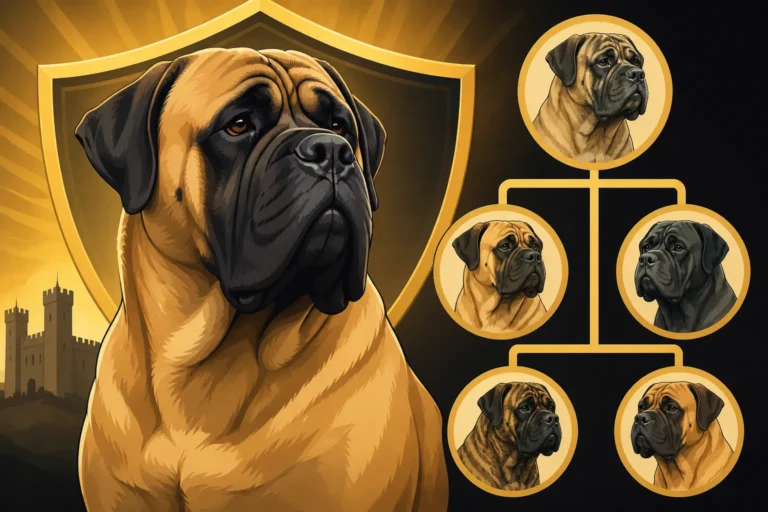
The Mastiff, with its imposing size and gentle disposition, carries a history as weighty as its formidable frame. Many people are drawn to this magnificent breed, often curious about its ancient roots and the legendary tales that define its loyal nature. This guide will delve into the storied past of the Mastiff, exploring how specific historical events, like the famous Battle of Agincourt, forged the enduring image of courage and devotion we cherish today.
The Ancient Roots of the Mastiff: More Than Just a Dog
When you look at a Mastiff, you're not just seeing a big dog; you're witnessing a living piece of history. These dogs have been by humanity's side for millennia, evolving from formidable guardians into the gentle giants we know today. Their presence stretches back to the very dawn of civilization, reflecting the human need for protection and companionship on an epic scale.
From Molossus to Modern Mastiff: A Lineage of Legends
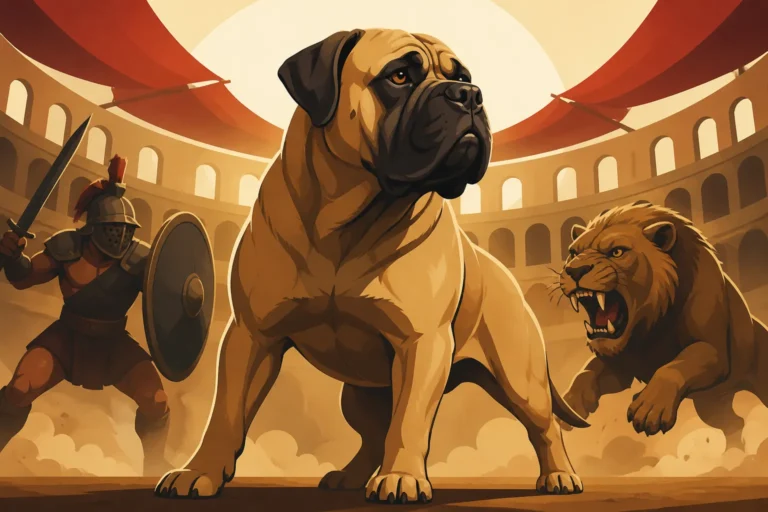
The story of the Mastiff begins with the ancient Molossus, a powerful breed of dog revered in antiquity. Originating from ancient Greece, these dogs were not merely pets; they were warriors, protectors, and loyal companions to soldiers and rulers alike. Imagine a dog so formidable it could stand its ground against a lion, a testament to its incredible strength and fearless spirit. These were the ancestors that eventually found their way across continents, shaping the lineage of many modern mastiff-type breeds.
The Romans, ever astute at recognizing strength and utility, were particularly enamored with these dogs. They brought Molossian-type dogs with them on their campaigns, utilizing them as war dogs to guard camps, patrol borders, and even charge into battle alongside their legions. It’s not hard to picture these imposing canines, with their massive heads and powerful builds, instilling fear in their enemies. This constant movement and intermingling of cultures and canine companions meant that the Molossian bloodline spread far and wide, eventually influencing the development of distinct regional variations. The sheer resilience and adaptability of these early mastiff-type dogs allowed them to thrive in diverse environments, from the sun-baked plains of Mesopotamia to the misty shores of Britannia. For anyone fascinated by the deep history embedded in our beloved Mastiffs, understanding The Molossus in the Mastiff's Ancestry is key to appreciating their profound heritage.
Early Mentions and Medieval Roles in Britain
By the time the Romans set foot on British soil, they encountered native dogs that shared many characteristics with their own Molossians. These indigenous British dogs were large, formidable, and already serving roles as protectors of livestock and property. The Romans, including figures like Caesar himself, documented these powerful British canines, recognizing their strength and utility. This blending of Roman and native stock likely contributed to the development of the distinct English Mastiff type. Imagine the sight of these behemoths guarding remote homesteads or accompanying nobles on hunts, their powerful presence a living deterrent against threats both human and animal.
Throughout the medieval period, the Mastiff continued to evolve, becoming an indispensable part of English life. They were known by various names, often simply referred to as "bandogs" for being chained during the day and released at night to guard. Their primary role remained protection – guarding castles, manors, and vast estates. Owning a Mastiff was not just about security; it was a statement of status and power. These dogs were more than just animals; they were an integral part of the defense system of the time. They were expected to be brave, vigilant, and absolutely devoted to their masters and their homes. This rich history is why you might hear the breed referred to as the "Old English Mastiff," a nod to its deep roots in the British Isles. If you're curious about the earliest written accounts of these magnificent beasts, exploring What Caesar Wrote About British Mastiffs offers fascinating insights into their ancient recognition.
The Battle of Agincourt: A Defining Moment for a Heroic Mastiff
The year is 1415, and the fields of Agincourt in France are about to become the stage for one of history's most famous battles. Amidst the chaos and carnage, a legend would be born, solidifying the Mastiff's reputation for unwavering loyalty in the face of unimaginable adversity. This isn't just a charming anecdote; it's a profound testament to the deep bond between humans and these magnificent dogs, a bond that transcends the horrors of war.
Sir Piers Legh and His Loyal Companion
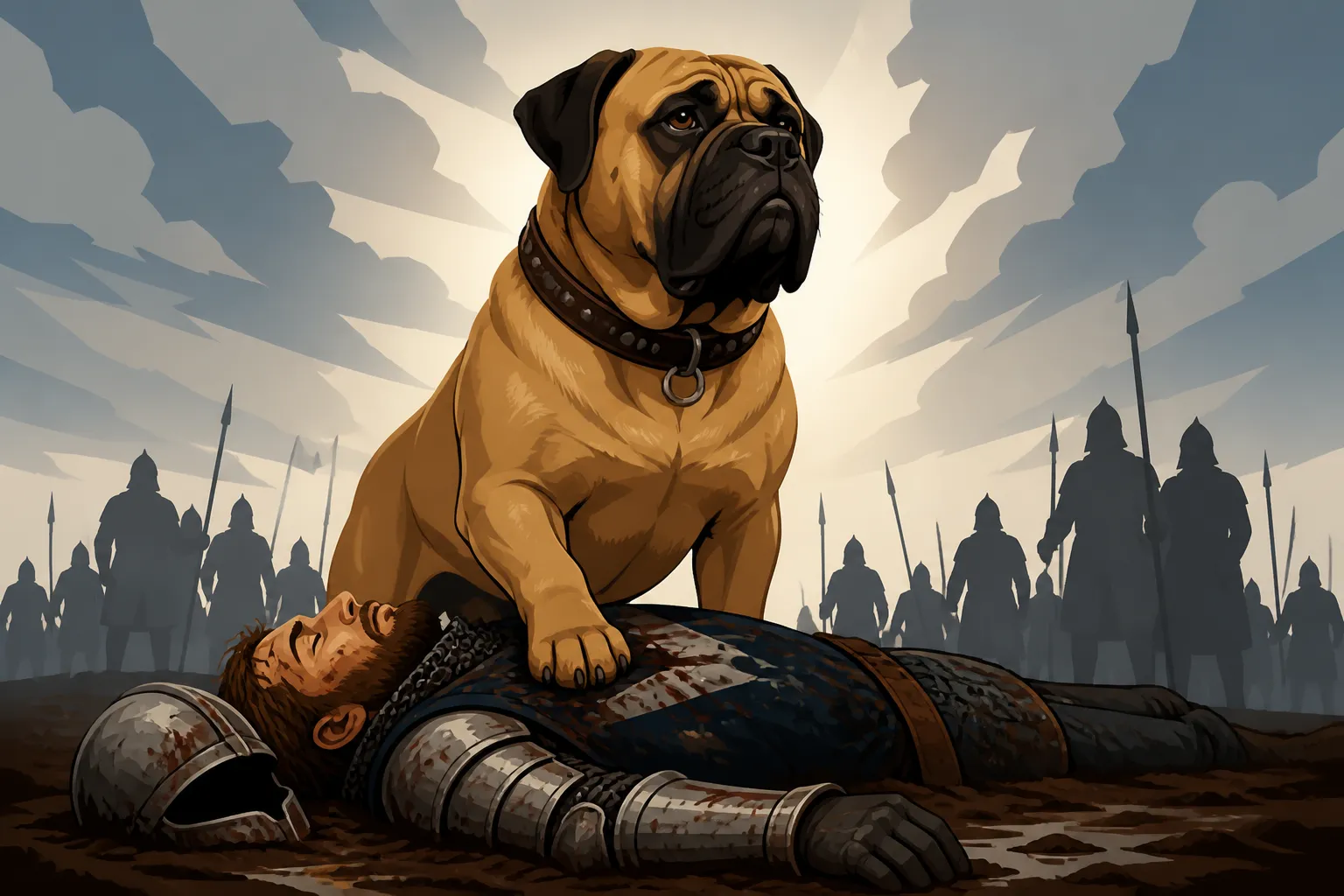
The story centers around Sir Piers Legh, a knight fighting for King Henry V. During the brutal fighting, Sir Piers was gravely wounded, falling on the battlefield. In an era where survival often depended on quick aid, his situation looked dire. But he was not alone. By his side remained his devoted Mastiff, a massive dog that refused to leave its master's side. This wasn't a trained combat dog sent to attack; this was a personal companion, a steadfast shadow that embodied unconditional love.
The Mastiff, despite the surrounding chaos of the battlefield—the shouts of men, the clang of steel, the fear—stood guard over the fallen knight. Imagine the scene: a battle-weary dog, covered in mud and perhaps blood, standing vigilant, fiercely protecting its master's body from scavengers or further harm. This act of unwavering loyalty, of staying put when every instinct might have screamed to flee, etched the Mastiff into the annals of history. Sir Piers was eventually found and rescued, and the story goes that his loyal Mastiff was still there, protecting him. This selfless act of guardianship not only saved Sir Piers but also started a legacy, ensuring the Mastiff would forever be associated with extraordinary devotion. To delve deeper into the historical figure at the heart of this tale, you might be interested in Who Sir Piers Legh Was to the Mastiff.
The Legend and Its Legacy
The story of Sir Piers Legh and his Mastiff at Agincourt became a powerful symbol. It wasn't just a tale of a dog; it was a narrative of profound loyalty, courage, and the deep, almost spiritual connection between humans and their canine companions. This specific event, whether entirely factual or embellished through centuries of retelling, cemented the Mastiff's image in the public consciousness as the epitome of a devoted protector. It transformed them from mere utility animals into heroic figures.
This legacy wasn't confined to romantic tales; it permeated the perception of the breed for generations. Breeders proudly referenced this story, highlighting the innate protective instincts and unwavering faithfulness of their dogs. Even today, when we speak of the Mastiff's temperament – its calm demeanor, its watchful eye, and its fierce loyalty to its family – we see echoes of that brave dog on the fields of Agincourt. This historical narrative shaped the breed's identity, making it synonymous with steadfastness and courage. While some historical accounts may vary, the core message of the Mastiff's unwavering loyalty has remained a cornerstone of its appeal. If you're curious about the historical veracity and documentation surrounding this incredible event, then Whether the Agincourt Mastiff Story Is Documented explores these details further.
Beyond the Battlefield: Mastiffs in English Society
After their legendary display of loyalty at Agincourt, the Mastiff's role in English society continued to evolve. While their martial prowess was undoubtedly part of their early fame, their innate guarding instincts found new and enduring applications, cementing their place as indispensable members of aristocratic households and rural communities alike.
From War Dogs to Estate Guardians
As the era of medieval warfare waned, the Mastiff's primary role shifted from outright battle companion to formidable estate guardian. Imagine sprawling English country estates, often vulnerable to poachers, thieves, and even wolves. These massive dogs were the perfect solution. They were not just a visible deterrent; their sheer size, powerful bark, and protective nature made them incredibly effective at safeguarding property, livestock, and families. They would roam the grounds at night, silent and watchful, their presence alone enough to make most intruders think twice.
The image of the Mastiff guarding these grand estates became iconic. They were seen as symbols of the lord's power and prosperity, integral to the security of the household. Their ability to assess threats and act decisively, combined with an inherent gentleness towards their own family, made them ideal protectors. This demanding role required a dog with both physical strength and intelligent discernment – traits that became deeply ingrained in the breed's character. To learn more about the specific settings where these magnificent dogs once patrolled, reading about The English Castles Mastiffs Guarded can provide a vivid picture of their historical environment.
Baiting and the Shift in Public Perception
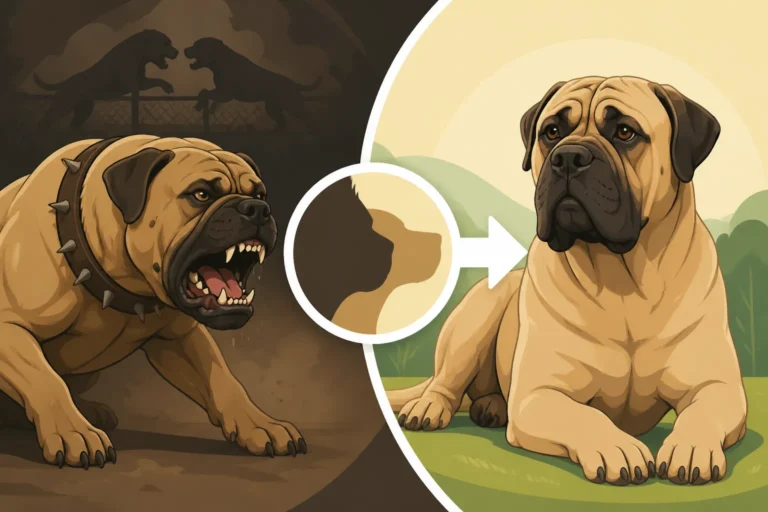
Unfortunately, not all of the Mastiff's historical roles were as noble or dignified. During certain periods in English history, notably the cruel sport of baiting, these powerful dogs were exploited for entertainment. Bull-baiting and bear-baiting were horrific spectacles where Mastiffs and other large dogs were pitted against chained animals, often to the death. These events were brutal and barbaric, a stark contrast to the Mastiff's otherwise loyal and protective nature. It's a dark chapter in the breed's history, highlighting humanity's capacity for cruelty and exploitation.
However, as society evolved and moral sensibilities shifted, public opinion began to turn against these cruel sports. Over time, legislation was introduced to ban animal baiting, signaling a critical turning point for the Mastiff breed. This shift allowed their true temperament – intelligent, loyal, and fundamentally gentle – to come to the forefront. It marked a transition away from a past that sometimes saw them as mere fighting machines, towards a future where their magnificent character could be appreciated for its inherent qualities. Understanding the full historical context, including the less savory parts, gives us a complete picture of their journey. Learning about Mastiffs in Bull Baiting and subsequently The Year Britain Banned the Baiting Mastiffs Were Used For helps us appreciate how far these dogs have come, and how human intervention, for better or worse, has shaped their destiny.
The Near Extinction and Resurgence of the Breed
The Mastiff's long and illustrious history nearly came to an abrupt end in the 20th century. The global conflicts of the two World Wars, with their devastating impact on economies and food supplies, pushed many ancient breeds, including the Mastiff, to the brink of extinction. It was a terrifying period for anyone who loved these magnificent dogs, a time when their very survival hung by a thread.
The World Wars and the Breed's Decline
The First and Second World Wars brought unprecedented hardship to Britain and much of Europe. Food rationing became a harsh reality, and maintaining large dogs like Mastiffs became an immense luxury, if not an impossibility. Families struggled to feed themselves, let alone a colossal canine that consumed vast quantities of food. Many heartbreaking decisions had to be made, with beloved pets often euthanized or abandoned out of sheer necessity. The breeding programs, which had painstakingly cultivated generations of Mastiffs, collapsed under the weight of wartime pressures.
Importing food for dogs was out of the question, and even local supplies were scarce. The focus shifted entirely to human survival, leaving breeds that required significant resources incredibly vulnerable. The cumulative effect was a catastrophic decline in Mastiff numbers, particularly in their native England. It wasn't just about food; the chaos of war meant disruptions to record-keeping, widespread loss of kennels and breeding stock, and a general lack of resources and focus for anything but the war effort. The breed, which had survived centuries of change, suddenly faced its greatest existential threat. To understand the depth of this crisis, examining Why Food Shortages Nearly Ended the Mastiff truly highlights the dire circumstances they faced.
American and Canadian Efforts to Preserve the Mastiff
In the aftermath of World War II, the situation for the Mastiff in Britain was dire. Records indicate that only a handful of viable breeding dogs remained, some estimates putting the number as low as a dozen. The breed was on the verge of vanishing forever. It was a stark reality that galvanized dedicated fanciers across the Atlantic. Breeders in America and Canada, who had been fortunate enough to maintain their lines during the war, stepped up to the plate. They recognized the immense historical and genetic value of the Mastiff and understood the urgent need for intervention.
These passionate individuals embarked on a monumental effort to send their Mastiffs back to England, effectively re-establishing the breed in its homeland. This was not a simple task; transporting such large animals across an ocean in the post-war era was a logistical and financial challenge. Yet, their commitment was unwavering. These imported dogs formed the foundation for the breed's recovery, carefully selected to ensure genetic diversity and to rebuild healthy lines. Without the foresight and generosity of these North American breeders, the Mastiff as we know it today might not exist. Their efforts serve as a powerful reminder of how a dedicated community can save a breed from the brink. You can learn more about this crucial period by reading How American and Canadian Dogs Rebuilt the Mastiff. Many modern Mastiff pedigrees can trace their ancestry back to these pivotal dogs, a true testament to international cooperation in canine preservation.
The Modern Mastiff: A Gentle Giant with a Storied Past
Today's Mastiff is a magnificent creature, often embodying a paradox: a dog of immense size and power, yet renowned for its gentle, affectionate nature. This blend of formidable presence and tender heart isn't accidental; it's a direct reflection of their long history, where traits of guarding and loyalty were prized above all else. Living with a Mastiff means understanding this deep heritage and appreciating how their past continues to shape their present.
Temperament and Traits Shaped by History
The protective instincts that made Mastiffs invaluable war dogs and estate guardians are still very much present in the modern breed, though expressed in a far more domesticated manner. A Mastiff isn't typically an outwardly aggressive dog; instead, they are watchful, observant, and possess a calm confidence. They often appear to be "thinking" before reacting, a trait that can sometimes be mistaken for slowness, but is actually a deliberate assessment of their surroundings. This thoughtful nature means they usually react with restraint, relying on their imposing size as a deterrent rather than initiating confrontation.
This discerning nature means they are generally reserved with strangers, taking their time to observe new people before offering their trust. It’s not aggression, but a deeply ingrained sense of discernment. Once they accept someone into their "circle," however, their affection knows no bounds. They become incredibly devoted family members, often forming strong bonds with children and other pets, treating them as part of their flock to be protected. Their patient demeanor, combined with their inherent protectiveness, makes them excellent family dogs for those who understand and respect their heritage. When you see your Mastiff quietly observing a new visitor, remember that instinct is rooted in centuries of guarding. If you want to understand more about their natural guarding behaviors, exploring How a Mastiff Judges a Stranger at the Door offers valuable insights.
Living with a Legacy: What Owners Should Know Today
Bringing a Mastiff into your home means embracing a lifestyle that accommodates their unique needs, many of which stem directly from their historical roles and physical stature. First and foremost, space is key. These aren't apartment dogs; they need room to stretch out, both indoors and out. While they might be content to lounge for hours, they still require a secure, adequately sized yard for supervised outdoor time. Their sheer bulk necessitates sturdy furniture, large dog beds—the kind you can find from trusted retailers like Chewy—and even a vehicle that can comfortably transport them for vet visits or adventures.
Training and socialization are paramount, starting from puppyhood. A Mastiff puppy grows at an astonishing rate, and what's cute at 30 pounds becomes challenging at 150 pounds. Early, consistent, positive reinforcement training is essential to manage their size and strength, ensuring they become well-mannered companions. They need to understand boundaries and polite behavior before they outweigh you. Furthermore, their historical role as guardians means they thrive on being an integral part of the family, not isolated. They are deeply sensitive and bond closely with their people, which is why they are often described as "velcro dogs," always wanting to be near you. Understanding The Household a Mastiff Was Built For helps perspective owners prepare for the realities and joys of Mastiff ownership.
| Aspect of Care | Historical Context | Modern Implication |
|---|---|---|
| Space Requirements | Roamed large estates, outdoor guardian | Needs ample indoor and outdoor space; not apartment dog |
| Training Needs | Intelligent, discerning, protective | Early, consistent positive training is crucial |
| Socialization | Wary of strangers, protective of family | Must be socialized early and continuously |
| Loyalty & Affection | Guarded masters, stood by the fallen | Deeply devoted to family, gentle giants with loved ones |
| Physical Needs | Powerful build, robust frame | Requires sturdy equipment, orthopedic beds, careful exercise |
Preserving the Future: Health, Breeding, and Community
The story of the Mastiff isn't just about its past; it's also about its future. For a breed that faced near extinction, ensuring its continued health and vitality is a collective responsibility shared by breeders, owners, and enthusiasts. It's a commitment to honor their legacy by safeguarding their well-being for generations to come.
Responsible Breeding and Genetic Health
Given the Mastiff's history of dwindling numbers and reliance on a relatively small gene pool for revival, responsible breeding practices are absolutely critical. Ethical breeders are deeply committed to understanding and improving the genetic health of the breed. This means going far beyond simply producing puppies; it involves rigorous health screening of potential breeding dogs for conditions common in giant breeds. These conditions can include hip and elbow dysplasia, cardiac issues, and certain eye diseases. Testing helps breeders make informed decisions, reducing the likelihood of passing on hereditary conditions to future generations.
Organizations like the Orthopedic Foundation for Animals (OFA) and various breed clubs establish recommended health certifications. A breeder who proudly shares these certifications for their breeding stock is demonstrating their commitment to the breed's health. For instance, understanding The Four CHIC Tests a Mastiff Breeder Must Clear is a fundamental step for anyone involved in or looking to purchase a Mastiff, as these tests represent a minimum standard for genetic health screening. The goal is not just to produce beautiful puppies, but healthy, long-lived companions, and this is a continuous, challenging effort that requires diligence and transparency.
The Ongoing Role of Mastiff Enthusiasts
The Mastiff community plays an indispensable role in the preservation and well-being of the breed. This includes dedicated individual owners, rescue organizations, and national breed clubs. These groups work tirelessly to educate the public about the breed's unique needs, historical significance, and the importance of responsible ownership. They organize events, provide resources, and offer support networks for Mastiff owners, helping them navigate the joys and challenges of living with such magnificent dogs.
Rescue organizations, in particular, provide a vital safety net for Mastiffs who, for various reasons, find themselves in need of new homes. They offer a second chance to dogs that might otherwise be overlooked, ensuring they receive the care, rehabilitation, and loving families they deserve. For any prospective owner, engaging with the Mastiff community, especially through reputable breed clubs, is a fantastic way to gain knowledge and support. They are often the best source of information, whether you're looking for a responsible breeder or seeking advice on training and care. For example, exploring What the Mastiff Club of America Offers a Buyer can provide invaluable resources and connections, fostering a deeper appreciation for this truly exceptional breed. Through these combined efforts, the Mastiff's future can remain as robust and revered as its incredible past.
Disclaimer
This article is for general informational purposes only and does not constitute professional advice. Laws, prices and regulations vary by location and change over time. Consult a qualified professional for guidance on your specific situation.