How American and Canadian Dogs Rebuilt the Mastiff
Imagine a world where the magnificent Mastiff, a dog whose lineage stretches back centuries to ancient battles and grand estates, teetered on the brink of vanishing forever. It's a sobering thought, isn't it? The sheer physical presence, the gentle nature, the protective instincts we cherish in our Mastiffs today, almost became a distant memory. This guide delves into the incredible story of how dedicated breeders, primarily from America and Canada, stepped up to pull this beloved giant back from the precipice after the devastating toll of the World Wars.
The Grim Reality: A Breed Near Extinction in Britain
The early 20th century was a tumultuous time for humans and animals alike, especially in Europe. For a breed like the Mastiff, which requires significant resources and space, the hardships of war proved to be an almost insurmountable challenge. It's heartbreaking to consider how close we came to losing them entirely.
War's Devastation on the Mastiff Population
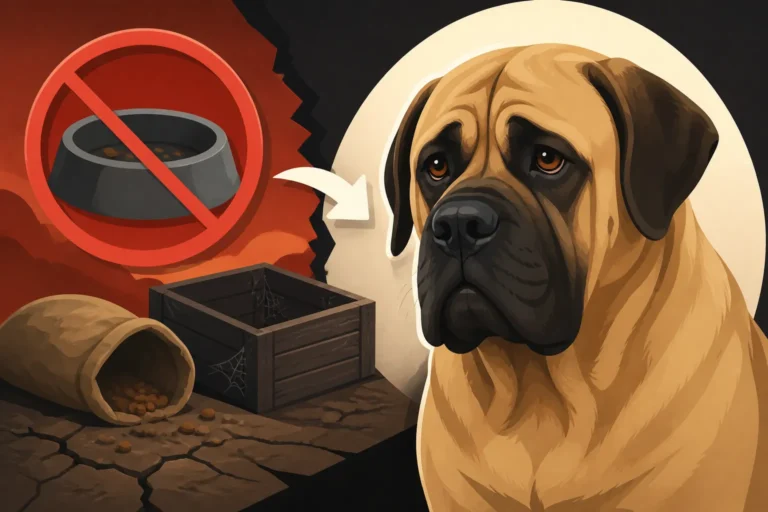
The First and Second World Wars were catastrophic for dog breeds across Britain and Europe. The immediate priorities shifted dramatically from breeding and maintaining purebred lines to sheer survival. During wartime, resources were scarce, and feeding a dog the size of a Mastiff, which can easily consume pounds of food daily, became an immense burden for families already struggling with rationing. Many beloved pets, including Mastiffs, were euthanized or simply starved because their owners could no longer afford to feed them. The logistical nightmare of maintaining kennels, let alone breeding programs, became almost impossible. Fewer Than Twenty Mastiffs Survived the Second World War is a stark reminder of just how dire the situation became. Breeders faced the constant threat of bombings, the loss of staff to military service, and the complete disruption of normal life. Imagine trying to keep up with health clearances, stud services, and puppy care when your home could be destroyed at any moment, and basic necessities were rationed to the extreme. The focus turned purely to function and necessity, leaving little room for the preservation of luxury breeds.
Rationing and Economic Hardship
Beyond the direct dangers of war, the rationing of food and other supplies had a profound impact. Meat, in particular, was severely restricted for human consumption, let alone for dogs. For a breed that requires a high-quality, nutrient-dense diet to support its massive growth and adult size, this was a death knell. Why Food Shortages Nearly Ended the Mastiff highlights this critical period. Even if one could manage to keep a Mastiff alive, providing the proper nutrition to ensure healthy growth and sound structure was nearly impossible. The sheer cost, even if food could be found on the black market, was prohibitive for most. Economic depression followed both wars, further exacerbating the struggles. Families simply couldn't justify the expense of a giant dog when their own children were going without. Kennels that had carefully cultivated lines for generations were forced to disperse their remaining stock, often without proper record-keeping or the ability to ensure the dogs went to suitable, long-term homes. It was a perfect storm of disaster that pushed the breed to the very brink in its homeland.
The Lifeline from Across the Atlantic: North American Dedication
While the Mastiff struggled in its native England, a quiet but determined effort was underway across the Atlantic. Breeders in America and Canada, who had imported Mastiffs prior to the wars, had unknowingly become the custodians of the breed's future. They were far enough removed from the immediate devastation to maintain their programs and cherish these gentle giants.
Dedicated Breeders in North America
In North America, a number of passionate breeders had been diligently working with Mastiff lines established from earlier imports. They weren't facing the same existential threats as their British counterparts. These individuals, often driven by a deep love for the breed and a commitment to preserving its unique qualities, continued to breed, show, and carefully manage their Mastiff populations. They kept meticulous records, invested in health testing where available, and prioritized the sound temperament and structure that defines a true Mastiff. These dedicated enthusiasts, many of whom formed strong regional clubs, created a vital reservoir of genetic material. They might not have known at the time that they were holding the torch for the entire breed, but their efforts ensured that quality Mastiffs continued to thrive, albeit in smaller numbers, on another continent. It's a testament to their foresight and unwavering commitment that the breed endured.
Exporting Back to the Homeland: A Journey of Hope
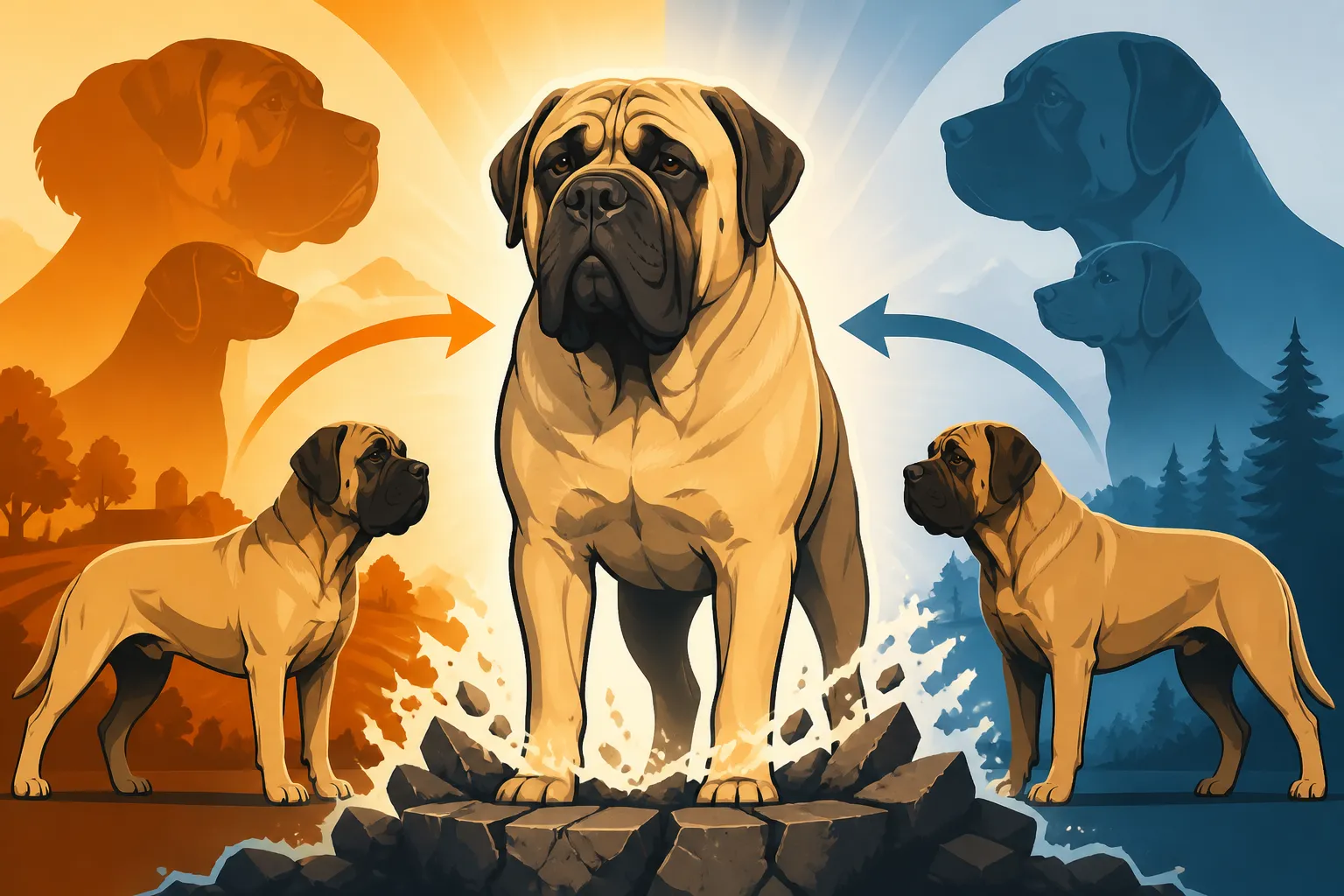
As the dust settled after World War II, British Mastiff enthusiasts realized the desperate state of their breed. With fewer than twenty Mastiffs confirmed to be alive in Britain, they looked to North America as the only viable source for rebuilding their lines. This initiated a truly remarkable effort: the export of American and Canadian Mastiffs back to their ancestral home. It wasn't an easy task. Shipping giant dogs across the Atlantic in the post-war era was incredibly complex and expensive. These weren't simply commercial transactions; they were acts of preservation. Breeders in North America carefully selected dogs that would contribute positively to the struggling gene pool, often sending some of their best stock. They understood the gravity of the situation and the historical significance of their contribution. These imported dogs, often carrying the names of their North American kennels, became the foundation upon which the modern British Mastiff was rebuilt. Imagine the relief and hope these new arrivals brought to the few remaining British breeders, a palpable sense that their beloved breed had been given a second chance.
The Challenges of Reconstruction: A Narrow Path Forward
While the influx of North American Mastiffs was a godsend, it didn't mean the path to recovery was without its hurdles. Rebuilding a breed from such a drastically reduced population brought its own set of unique and complex challenges, particularly concerning genetic diversity and health.
Rebuilding the Gene Pool from a Limited Base
The unfortunate reality was that even the robust North American population was still relatively small compared to the breed's historical numbers. When you're dealing with such a limited number of foundation dogs, you inherently create a very narrow gene pool. This means that many of the surviving Mastiffs, both in North America and those eventually sent to Britain, were closely related. Breeders faced the delicate task of trying to diversify the lines as much as possible while maintaining the breed's type and temperament. This often involved careful line breeding, which is a controlled form of inbreeding, to fix desirable traits. However, it also came with the inherent risk of concentrating undesirable ones. How Narrow the Mastiff Gene Pool Is describes this critical issue. The Mastiff Club of America and other organizations worked diligently to track pedigrees and guide breeders, but the genetic bottleneck was a significant and unavoidable factor that would impact the breed for generations. They were essentially working with the genetic equivalent of a small lifeboat trying to repopulate an entire ocean.
Inbreeding and Early Health Concerns
The direct consequence of rebuilding from a narrow gene pool is an increased likelihood of inbreeding depression, which can manifest as reduced fertility, smaller litter sizes, and a higher prevalence of certain genetic health conditions. How Inbreeding Shortened the Mastiff's Life is a sad but true reflection of these early challenges. Breeders had to contend with the re-emergence or increased visibility of recessive genetic diseases that might have been rare or hidden in a more diverse population. Conditions like hip and elbow dysplasia, certain eye conditions, and even specific types of cancers became more common as certain genetic markers were inadvertently concentrated. It wasn't a failure of the breeders' efforts; it was an unavoidable byproduct of the situation. Imagine the pressure on these dedicated individuals to make breeding decisions that would not only save the breed from extinction but also try to safeguard its long-term health, all with limited genetic resources and scientific understanding compared to today. It was a Herculean task that required immense dedication and a deep understanding of canine genetics, even if that understanding was still developing.
Shaping the Modern Mastiff: A Legacy of Resilience
The efforts of those post-war breeders, particularly from America and Canada, didn't just save the Mastiff; they fundamentally shaped the breed we know and love today. The modern Mastiff carries the genetic echoes of this rebuilding era, influencing its appearance, temperament, and health considerations.
The American Mastiff Type Emerges
As the Mastiff population grew in North America, and particularly after the re-exportation efforts, a distinct "American Mastiff type" began to solidify. While adhering to the breed standard, there were subtle differences that emerged compared to the dwindling British lines. North American breeders often prioritized soundness, temperament, and a slightly more athletic build, while still maintaining the impressive size and bone that are hallmarks of the breed. This isn't to say one was "better" than the other, but rather a natural divergence that occurs when populations are geographically separated and bred with slightly different preferences within the same standard. The dogs returning to Britain, and their offspring, thus introduced these characteristics back into the British lines, creating a more unified "modern Mastiff" appearance over time. This blend of ancestral British grandeur with robust North American development became the blueprint for the Mastiff recognized by kennel clubs worldwide today. When you see a Mastiff, you're looking at a living testament to this transatlantic collaboration.
Continued International Collaboration for the Breed
The story didn't end with the initial rescue mission. The understanding that the Mastiff's gene pool needed continuous management led to ongoing international collaboration. Breed clubs, like the Mastiff Club of America, continued to work with their counterparts in the UK and other countries to promote responsible breeding practices. This collaboration includes sharing genetic information, participating in health registries, and sometimes even facilitating the exchange of breeding stock to introduce new, carefully vetted lines when appropriate. The focus shifted from merely preventing extinction to actively improving the breed's health and longevity. Organizations like the Orthopedic Foundation for Animals (OFA) and the Canine Health Information Center (CHIC) became crucial tools, encouraging breeders to test for common ailments. The Four CHIC Tests a Mastiff Breeder Must Clear are now standard practice, a direct result of lessons learned from the past. Even today, you'll find Mastiff breeders consulting with peers globally, comparing notes on everything from diet to Whether a Mastiff Gets Cataracts or how to manage joint health. This ongoing dialogue ensures that the Mastiff continues to evolve in a healthy and sustainable way.
Lessons Learned and Future Directions: Ensuring Longevity
The near-extinction of the Mastiff breed serves as a powerful cautionary tale and a driving force behind modern ethical breeding practices. It underscored the critical importance of genetic diversity, comprehensive health screening, and responsible stewardship for all breeds, especially giant ones with inherently shorter lifespans.
The Importance of Health Testing Today
One of the most profound lessons learned from the breed's close call is the absolute necessity of robust health testing. Without a broad and healthy gene pool, genetic issues can quickly become widespread. Today, responsible Mastiff breeders understand that health clearances are not optional; they are fundamental. This includes screenings for hip and elbow dysplasia, cardiac health, eye conditions, and DNA tests for conditions like Progressive Retinal Atrophy (PRA) and Cystinuria Type III. The DNA Test That Finds Mastiff PRA is an example of how science now aids breeders in making informed decisions. By thoroughly screening breeding stock, breeders aim to reduce the incidence of these inherited diseases, improving the quality of life for future generations of Mastiffs. This commitment to transparency and health is a direct legacy of the post-war rebuilding efforts. When you consider bringing a Mastiff into your home, always look for a breeder who is open about these tests and provides documentation, because it's a direct indicator of their commitment to the breed's future. For example, many breeders will list their dogs' health clearances on their websites, or on databases like OFA, and you can even find reputable sources for specialized diets or supplements, such as those available on Chewy, that cater to specific health needs identified through testing.
Preserving Genetic Diversity: An Ongoing Mission
The struggle to maintain and expand genetic diversity remains an ongoing mission for the Mastiff community. It's a delicate balance: preserving the unique "type" of the Mastiff while preventing the genetic bottlenecks that lead to health problems. Breed clubs and individual breeders are constantly working to understand and manage this. This might involve carefully outcrossing to unrelated lines, when available, or collaborating internationally to access new genetic material. There's also a strong emphasis on avoiding the "popular sire syndrome," where a single stud dog is bred too frequently, further narrowing the gene pool. Initiatives like those supported by the Canine Health Foundation help fund research into genetic diseases and population genetics, providing breeders with better tools and knowledge. The Push to Breed Healthier Mastiffs is a movement driven by these past experiences. Owners play a role too; by supporting responsible breeders and understanding the breed's history, they contribute to the collective effort. Even choosing appropriate, high-quality food and supplies, perhaps from a trusted retailer like Chewy, for your Mastiff from a reputable breeder supports the overall health and well-being that these rebuilding efforts championed. It’s a continuous commitment to ensuring that this magnificent breed not only survives but thrives for many generations to come, truly living up to its historical legacy as a noble and powerful companion.
| Era | Mastiff Population (approx. in UK) | Key Challenges | Role of North America | Impact on Breed |
|---|---|---|---|---|
| Pre-WWI | Healthy, diverse | Local breeding challenges | Establishment of initial North American lines | Minor |
| WWI & Interwar | Significant decline | Rationing, economic hardship, breeding disruption | North American lines maintained and slowly growing | Preserved genetic reservoir |
| WWII | < 20 individuals | Near extinction, severe rationing, devastation | The sole source for breed reconstruction | Saved the breed from extinction |
| Post-WWII | Slowly rebuilding | Narrow gene pool, inbreeding, health concerns | Provided foundation stock, introduced new traits | Shaped modern Mastiff type, initiated health focus |
| Modern Era | Stable, but vigilant | Genetic diversity management, specific health issues | Ongoing collaboration, advanced health testing | Focus on longevity, health, and responsible breeding |
Disclaimer
This article is for general informational purposes only and does not constitute professional advice. Laws, prices and regulations vary by location and change over time. Consult a qualified professional for guidance on your specific situation.