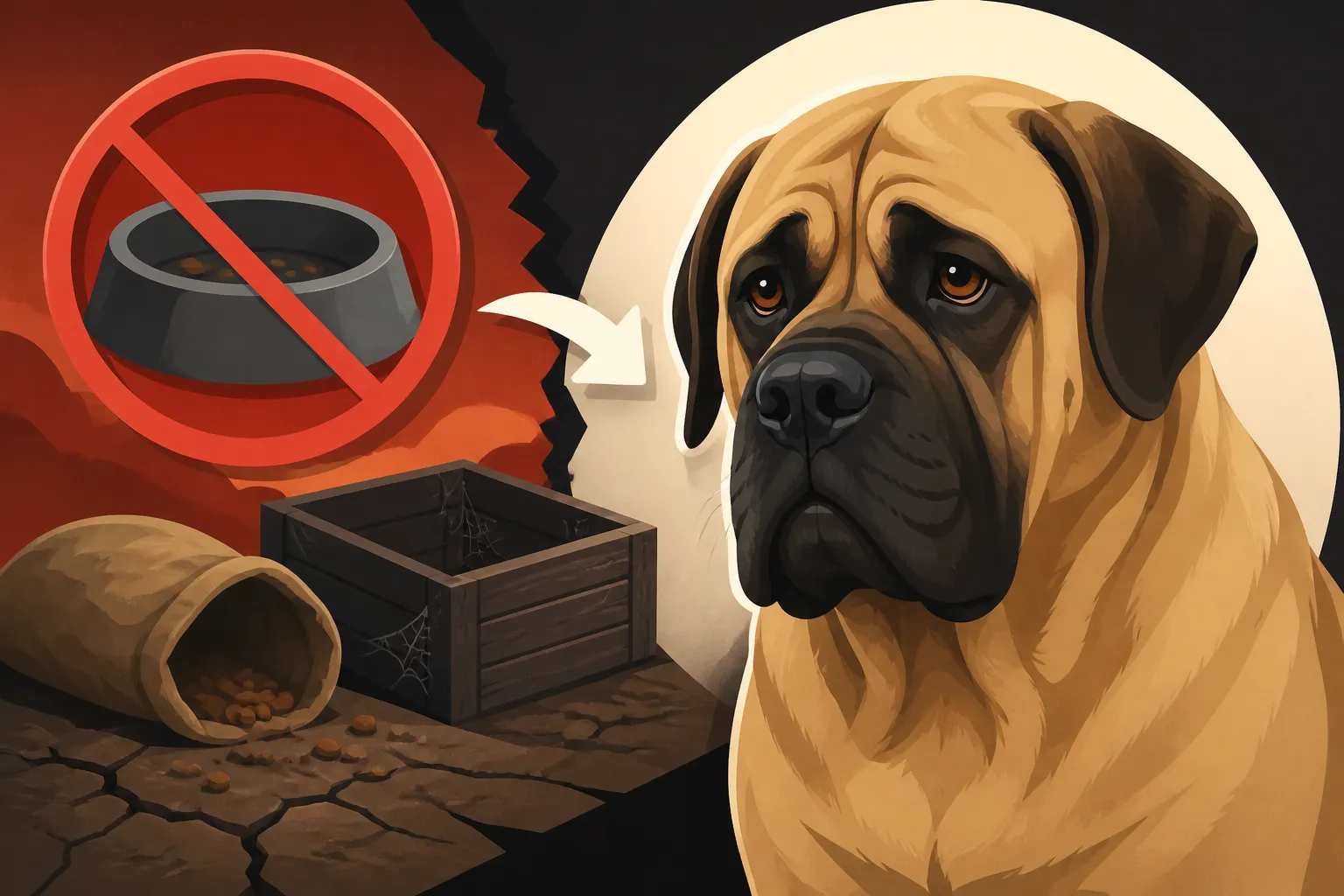
Why Food Shortages Nearly Ended the Mastiff
It's easy to look at the magnificent Mastiff today and forget that there was a time, not so long ago, when this noble breed teetered on the very edge of extinction. The sheer scale of these gentle giants, which we adore, ironically became their greatest vulnerability during periods of widespread food scarcity. This guide delves into the harrowing history of why devastating food shortages nearly wiped out the Mastiff, and the incredible efforts that brought them back.
The Grim Reality of Wartime Dog Breeding
Imagine a world turned upside down by conflict, where every resource is precious and survival is the paramount concern. For dog breeds, especially colossal ones like the Mastiff, these periods were nothing short of catastrophic. Wars, particularly the two World Wars, weren't just about battles fought by humans; they profoundly impacted the lives of animals, leading to drastic shifts in priorities and resources.
Collateral Damage of Conflict
When nations are at war, the focus of entire societies shifts dramatically. Food production, manufacturing, and even everyday labor are redirected toward supporting the war effort. This means that resources typically available for companion animals become severely limited, if not entirely cut off. Breeding programs, even for popular breeds, often came to a grinding halt. Stud services might be impossible to arrange across borders, and transporting animals for breeding or sale became a dangerous, low-priority endeavor. Families had to make impossible choices. Keeping a pet, particularly one that consumes vast amounts of food, moved from a beloved tradition to an unimaginable burden. The emotional toll of having to let go of a cherished family member, or worse, knowing they couldn't provide for it, was immense. It wasn't about a lack of love; it was about the brutal realities of survival during a global crisis.
The Luxury of a Large Dog
In times of peace and prosperity, owning a large dog like a Mastiff is a joy, a symbol of a certain lifestyle. But during wartime, this perception flipped entirely. Suddenly, a dog weighing over two hundred pounds, a creature of immense presence and appetite, became a liability. The resources required to feed, house, and care for such a magnificent animal were simply not available to the average family, who were struggling to feed themselves. The very size that defines the Mastiff, making it so impressive and formidable, worked against it. People might have been able to scrounge enough scraps for a small terrier, but a Mastiff's caloric demands were on a completely different level. This shift meant that the breeding of Mastiffs drastically declined, and existing dogs often faced euthanasia or starvation, simply because their care became an impossible luxury. Fewer Than Twenty Mastiffs Survived the Second World War, highlighting just how dire the situation truly became for the breed in its homeland.
A Giant's Insatiable Appetite
To truly understand why food shortages were such a critical threat to the Mastiff, we need to appreciate the sheer scale of their dietary requirements. These aren't dainty eaters; they are magnificent engines that require substantial fuel to maintain their massive frames and gentle temperaments.
The Sheer Volume of Food Required
A fully grown male Mastiff can easily weigh between 160 and 230 pounds, and sometimes even more. Females, while smaller, are still substantial at 120 to 180 pounds. What a Mastiff Actually Weighs directly impacts their food consumption. To support such immense body mass, a Mastiff requires a significant amount of high-quality food every single day. We're talking multiple cups, often six to ten or even twelve cups, of kibble daily, depending on their age, activity level, and individual metabolism. Multiply that by thirty days, and you begin to grasp the sheer volume of food needed just to keep one Mastiff healthy.
Imagine trying to procure, store, and afford that quantity of food when supplies are rationed, expensive, or simply nonexistent. Even today, feeding a Mastiff can be a considerable expense, with many owners purchasing large bags of kibble from retailers like Chewy on a regular schedule. Now, remove the convenience of modern pet stores, efficient supply chains, and consistent income, and you start to see the impossible situation many Mastiff owners faced. How Much a Mastiff Eats in a Month becomes a critical, almost insurmountable problem during periods of scarcity.
Nutritional Needs Beyond Basic Calories
It wasn't just about feeding them anything; Mastiffs, especially growing puppies, have specific nutritional needs that, if not met, can lead to devastating health problems. Rapid growth in giant breeds requires a carefully balanced diet, with controlled levels of protein and calcium to prevent skeletal issues like hip and elbow dysplasia. During wartime, finding specialized large-breed puppy food or even a consistent source of basic, balanced nutrition was virtually impossible. Dogs were often fed whatever scraps could be found, which were rarely sufficient or balanced. This meant that even if a Mastiff managed to avoid starvation, it might suffer from severe developmental problems, making it less likely to thrive or be bred. The quality of available food plummeted, and for a breed with such unique growth requirements, this was a silent killer, weakening the bloodlines and future generations.
Rationing and the Stark Choices
Rationing was a harsh reality for many during the World Wars, designed to ensure equitable distribution of scarce resources. For pet owners, it meant making incredibly difficult decisions about their beloved animals.
When Food Became a Scarce Commodity
Governments implemented rationing to conserve food and other essential goods for soldiers and the civilian population. Staples like meat, sugar, butter, and grains were strictly limited per person. This meant there was little to no surplus for pets. Dog food as a commercial product, as we know it today, was either non-existent or minimal. Dogs relied heavily on table scraps, which themselves dwindled to almost nothing. The notion of buying a dedicated bag of kibble, perhaps from a trusted online supplier like Chewy, would have been an alien concept in a world where families struggled to put even basic meals on their own tables.
The black market might have offered some alternatives, but these were often prohibitively expensive or dangerous to procure, making it an impractical solution for feeding a colossal Mastiff. Many Mastiff owners, heartbroken, found themselves facing a stark choice: either their family went hungry, or their beloved dog did. It was a no-win situation that forced immense emotional and financial strain on already suffering households. Why Mastiffs Were Euthanized During Rationing sheds light on the tragic outcomes many families were forced into.
The Unthinkable Decisions Owners Faced
The choices were truly agonizing. For many, keeping a large dog meant making immense sacrifices. Some owners went without food themselves to feed their Mastiffs, a testament to the profound bond they shared. Others, with heavy hearts, had to make the ultimate decision to put their dogs down, knowing they could no longer provide them with even the most basic necessities. This wasn't about convenience; it was about preventing prolonged suffering from starvation. Imagine watching your majestic, gentle companion slowly waste away. For some, the humane choice, however painful, was to end their pet's suffering. These were not decisions made lightly but born out of desperation and love in the face of impossible circumstances. The population of Mastiffs in their native England plummeted to dangerously low numbers, a direct consequence of these brutal realities.
The Lifeline from Overseas
Despite the overwhelming challenges, the Mastiff breed was not entirely lost, thanks to the foresight and dedication of a few individuals and the survival of lines outside the most heavily affected regions.
American and Canadian Sanctuaries
While Europe was ravaged by war and its ensuing shortages, North America, particularly the United States and Canada, was relatively less impacted by the direct effects of conflict on its food supply. This meant that some Mastiff lines had been established there prior to the wars, nurtured by dedicated breeders who valued the breed. These overseas populations became the vital genetic lifeline for the Mastiff. Breeders in these countries, often working with limited information and under difficult communication conditions, managed to maintain their kennels, ensuring that the breed's precious genetic diversity wasn't entirely lost.
After the wars concluded and the extent of the devastation in Britain became clear, these American and Canadian Mastiffs were instrumental in rebuilding the breed. It was a slow and painstaking process of importing dogs back to their ancestral home, carefully selecting breeding pairs to expand the gene pool, and meticulously documenting pedigrees to ensure the integrity of the breed. How American and Canadian Dogs Rebuilt the Mastiff highlights this incredible effort, a true testament to international collaboration for breed preservation.
The Dedicated Few Who Stayed the Course
Even within war-torn countries, a small handful of exceptionally dedicated individuals made incredible sacrifices to keep their Mastiffs alive. These were often people of means, or those with unique access to resources, who prioritized their dogs' survival above almost all else. They might have bartered for food, grown their own, or simply gone without to ensure their Mastiffs had something to eat. These were not just breeders; they were custodians of living history, understanding the immense value of these ancient dogs.
Their efforts, however small in number, were critical. They ensured that a tiny spark of the breed remained on home soil, preventing total eradication. Their determination, combined with the efforts of those overseas, laid the foundation for the breed's eventual, albeit challenging, revival. It’s a powerful reminder that even in the darkest times, the bond between humans and their animals can inspire extraordinary acts of perseverance.
The Slow Climb Back from the Brink
Bringing a breed back from such peril is not a quick or easy task. It involves careful planning, dedicated breeding, and a commitment spanning decades to restore health, type, and genetic diversity.
Rebuilding a Shattered Gene Pool
With only a handful of individuals left, the gene pool for the Mastiff was incredibly narrow. This is a significant problem for any breed, as limited genetic diversity can lead to an increased incidence of hereditary health problems, reduced vigor, and a diminished ability to adapt to environmental changes. The post-war breeders faced the daunting challenge of propagating the breed from very few foundational animals. This often meant using dogs that might not have been ideal in terms of health or conformation, simply because they were available.
The process involved careful line-breeding and, occasionally, outcrossing to other related breeds where absolutely necessary, to introduce new genetic material and bolster the population. However, this had to be done with immense caution to maintain the distinctive Mastiff type. This delicate balance meant that progress was slow, and every breeding decision carried immense weight, impacting generations to come. The long-term effects of this bottleneck are still a concern, as discussed in How Narrow the Mastiff Gene Pool Is and How Inbreeding Shortened the Mastiff's Life.
| Period | Estimated UK Mastiff Population | Primary Challenges | Lifeline |
|---|---|---|---|
| Pre-WWI | Healthy numbers | Standard breed challenges | Stable breeding programs |
| WWI & Inter-war | Significant decline | Food shortages, economic depression | Isolated private efforts |
| WWII (Peak War) | Fewer than 20 | Severe rationing, lack of resources, euthanasia | US/Canada imported lines, dedicated few |
| Post-WWII | Slowly rebuilding | Narrow gene pool, hereditary issues | Cross-Atlantic imports, meticulous breeding |
| Modern Day | Stable, but vigilant | Genetic diversity, health screening | Continued dedicated breeding, health tests |
The Enduring Legacy of Near Extinction
The near extinction of the Mastiff breed during the World Wars left an indelible mark, shaping the breed's history and influencing breeding practices to this day. It underscored the fragility of even the most robust breeds in the face of widespread societal upheaval. The lessons learned from that era continue to inform responsible breeding, emphasizing the importance of genetic diversity, careful health screening, and the global interconnectedness of breed preservation.
Today, thanks to the sacrifices of those who came before us, Mastiffs thrive globally. We have access to incredible resources, from specialized diets found easily on platforms like Chewy to advanced veterinary care. But their survival story reminds us of their resilience and the profound responsibility we hold as their guardians. The push for healthier, more robust Mastiffs, a topic explored in The Push to Breed Healthier Mastiffs, is a direct echo of the challenges overcome. It teaches us to cherish these magnificent creatures and to always remember the incredible journey they took to be by our sides.
Disclaimer
This article is for general informational purposes only and does not constitute professional advice. Laws, prices and regulations vary by location and change over time. Consult a qualified professional for guidance on your specific situation.