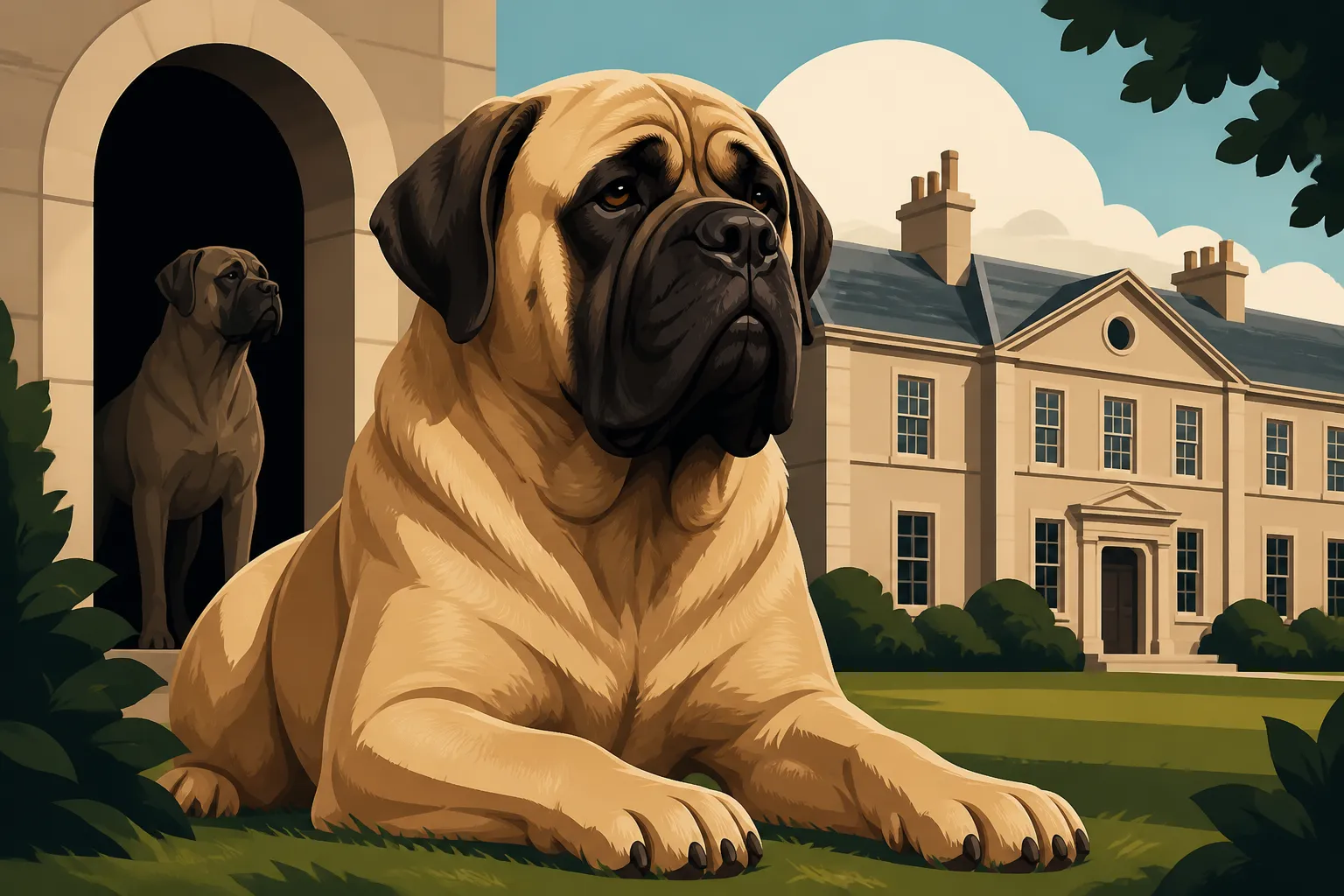
Lyme Hall Kept Mastiffs Longer Than Any Kennel on Earth
For anyone who has ever delved into the deep, rich history of the Mastiff, it can sometimes feel like trying to piece together an ancient mosaic with half the tiles missing. We hear whispers of their past, see grainy old photos, and read snippets from breed books, but truly understanding their lineage, particularly how certain families or kennels sustained them through centuries of upheaval, can be incredibly daunting. This guide aims to pull back the curtain on one of the most historically significant Mastiff kennels of all time: Lyme Hall, a place that didn't just house these magnificent dogs, but actively worked to preserve and propagate the breed longer than any other known entity on Earth.
The Enduring Legacy of the Mastiff Breed
Before we even dive into the incredible story of Lyme Hall, it's crucial to understand just how far back the Mastiff's roots truly go. We're not talking about a few decades or even a century; this is a breed whose ancestors trod the earth alongside ancient civilizations, serving roles that demanded both immense strength and unwavering loyalty. The very idea that such a powerful and distinctive dog could be maintained through so many shifting human eras is a testament to its inherent qualities and the dedication of those who cherished it.
Ancient Roots and Early Roles
Imagine a world without modern machinery, where brute strength and an intimidating presence were vital for protection and labor. This is the world into which the Mastiff's forebears were born. Their origins are often traced back to the ancient Molosser dogs, massive canines from mountainous regions, renowned for their formidable size and courage. These dogs weren't just pets; they were integral members of ancient societies. They served as guardians, protecting livestock from formidable predators like wolves and bears, and keeping human settlements safe from invaders. Their sheer presence was often enough to deter threats, a quality that Mastiff owners today can still recognize in their own gentle giants, who often deter simply by existing in a doorway.
The tales of these ancient dogs traveling with armies, particularly those of the Romans, are not just interesting anecdotes; they speak to the deep reliance humans had on these powerful animals. They weren't just mascots; they were strategic assets, capable of facing down opponents in a way few other animals could. This early association with warfare and protection imprinted a certain character on the breed, a sense of quiet authority and protective instinct that persists even now, thousands of years later. It's truly remarkable to think that the same fundamental characteristics we see in our Mastiffs today — their imposing stature, their watchful nature — are echoes of their distant past.
The Mastiff's Arrival in Britain
It's widely believed that the true "English Mastiff," as we know it today, began to take shape after the Roman invasion of Britain. The Roman legions, with their highly organized military and practical mindset, brought their Molosser-type dogs with them. These dogs then intermingled with local large breeds already present on the British Isles, eventually leading to the development of a distinctly English type. The blend of these formidable dogs created a lineage that was perfectly suited to the demands of the British landscape and its aristocratic estates.
For centuries, these developing Mastiffs were known for their role in guarding, particularly against poachers on vast hunting reserves and protecting large manors. They were powerful, imposing, and had a deep-seated instinct to protect their territory and their people. This era saw the Mastiff solidify its reputation as a loyal guardian, a dog of substance and serious purpose. It's a key part of How Old the Mastiff Is as a British Breed and truly paints a picture of a dog woven into the very fabric of British history, not merely an import, but a foundational presence. The transition from utilitarian working dog to a more refined, albeit still powerful, estate guardian is a fascinating chapter in their story.
Lyme Hall: A Sanctuary for the Mastiff Line
In the sprawling tapestry of the Mastiff's history, Lyme Hall stands out as an almost mythical thread, a singular location that dedicated itself to these dogs with an unparalleled fervor. For centuries, while other lines rose and fell, and breeds transformed with changing fashions, Lyme Hall remained a constant, a steadfast beacon for the preservation of the Mastiff. It wasn't just a kennel; it was a living museum, a testament to what sustained, generational dedication could achieve.
The Legh Family and Their Canine Companions
The story of Lyme Hall's Mastiffs is inextricably linked to the Legh family, who owned the estate for over 600 years. Imagine that kind of generational continuity, not just in land, but in an active breeding program. This wasn't a fleeting hobby; it was a deeply ingrained tradition, passed down from one generation to the next. The Legh family understood the value of these magnificent dogs, not just as symbols of status, but as integral parts of their estate's security and identity. It speaks volumes about their commitment that through countless societal shifts, political upheavals, and economic changes, the Mastiff line at Lyme Hall endured.
This deep-rooted commitment meant that the Legh family wasn't merely acquiring dogs; they were stewarding a bloodline. They meticulously kept records, a practice that was far from common in earlier centuries, allowing for a continuity of breeding that was rare. This wasn't just about having "a big dog"; it was about preserving specific traits, temperaments, and the very essence of the Mastiff. Where the Lyme Hall Mastiff Kennel Was isn't just a geographical point; it's the heart of a legacy that shaped the Mastiff we know today. Their consistent efforts allowed the Mastiff to weather many storms that might have otherwise seen the breed decline into obscurity.
Dedication Through Centuries of Change
The duration of Lyme Hall's commitment to the Mastiff is truly staggering. Imagine a single family, across dozens of generations, maintaining a specific breed of dog. This wasn't a brief period of popularity; this was a centuries-long saga of dedication. Through the English Civil War, the Industrial Revolution, and numerous changes in land ownership and societal structure, the Mastiff at Lyme Hall continued. This level of unwavering commitment is almost unheard of in the annals of dog breeding.
This long-term dedication ensured that a core type of Mastiff was maintained, a living link to the breed's ancient past. While other lines might have been crossed with different breeds for new purposes, or simply allowed to dwindle due to neglect or disinterest, the Leghs held firm. They provided a consistent environment, a secure home, and a breeding philosophy that prioritized the integrity of the Mastiff. Their perseverance offers a profound insight into the kind of passion and foresight required to truly sustain a breed over the long haul.
Breeding Philosophy at Lyme Hall
Maintaining any breed for centuries requires more than just good intentions; it demands a clear and consistent breeding philosophy. For the Legh family at Lyme Hall, this philosophy was likely born out of practical necessity, evolving over time to become a conscious effort to preserve the very characteristics that made the Mastiff such a valued companion and guardian. They weren't breeding for fleeting fads; they were breeding for substance, for history, and for function.
Preserving Type and Temperament
The Mastiff type preserved at Lyme Hall became legendary for its consistency. This wasn't just about physical appearance, though that was certainly important. It was also about temperament. Mastiffs, by their very nature, are meant to be imposing but not aggressive, protective but not unapproachable. The Lyme Hall Mastiffs were known for their impressive size and powerful build, coupled with a calm, dignified demeanor. This balance was crucial for a dog that needed to deter intruders but also live harmoniously within a family estate.
Achieving this consistency over such a long period speaks to a keen understanding of genetics and selective breeding, even without the scientific tools we have today. The Leghs would have observed their dogs closely, understanding which pairings produced the desired traits and which did not. They were, in essence, performing a long-term genetic experiment, ensuring that the Mastiff's gentle giant nature, combined with its protective instincts, was passed down. This careful selection also aimed to avoid exaggerated traits that could compromise health or function, focusing instead on robust, well-balanced animals.
The Challenges of Maintaining a Pure Line
Maintaining a pure, consistent line over centuries, especially for a large breed like the Mastiff, was fraught with challenges. Genetic diversity, or the lack thereof, would have been a constant concern. Without modern DNA testing, breeders relied on meticulous pedigrees and careful observation to avoid excessive inbreeding while still preserving desirable traits. It's a delicate balance to strike, trying to keep a line true to its origins without creating a genetic bottleneck that could lead to health issues or a weakening of the line.
Consider also the logistical challenges: feeding, housing, and caring for generations of gigantic dogs without the conveniences of modern dog food or veterinary medicine. Diseases that are now easily treatable could decimate kennels in earlier eras. Economic downturns, crop failures, or even just changes in family fortunes could easily lead to the demise of a large dog breeding program. The fact that How Long Lyme Hall Bred Mastiffs is measured in centuries, not decades, is a testament to extraordinary resilience and unwavering commitment in the face of these formidable obstacles. They likely faced many of the same struggles modern breeders encounter, such as ensuring proper nutrition (though without the benefit of readily available giant breed formulas from places like Chewy) and managing the health of their massive charges.
The Impact of Global Events on the Lyme Hall Mastiff
No institution, no matter how steadfast, exists in a vacuum. The world around Lyme Hall, and indeed the entire breed, was constantly changing, often dramatically. Major global events, from wars to economic shifts, had profound impacts on dog breeding in general, and the Mastiff was certainly not immune. The story of Lyme Hall's Mastiffs is also a story of navigating these turbulent waters, of survival against incredible odds.
Navigating War and Famine
The Mastiff's survival through two World Wars in the 20th century, following centuries of other conflicts, is a particularly poignant part of its history. These were periods of immense scarcity, where food, resources, and even human lives were prioritized above all else. Large dogs, requiring significant amounts of food and care, were often among the first casualties of such hardship. Families simply could not afford to feed them, leading to widespread euthanasia and the near-total collapse of many breeds in their native lands.
Lyme Hall's ability to maintain its Mastiff line through these devastating times speaks to an extraordinary effort. It implies a deep personal sacrifice, perhaps even foregoing human necessities to ensure the dogs were fed. Imagine the moral dilemmas faced by caretakers during rationing, deciding how to allocate precious resources. The very fact that any Mastiffs survived these periods in Britain is a miracle, and Lyme Hall played a critical role in offering a refuge and a continuation of the breed's genetic material. This resilience is a key part of why the breed, even today, carries a certain gravitas, having literally survived the worst of humanity's conflicts.
The Line's Near Extinction
Despite the valiant efforts of places like Lyme Hall, the Mastiff breed did, in fact, face near extinction in its homeland during the mid-20th century. The cumulative effects of two World Wars, economic depressions, and changing societal roles meant that by the end of World War II, the numbers were critically low. It's a sobering thought that such a historic and magnificent breed could come so close to vanishing forever. How Many Mastiffs Were Left in Britain in 1945 paints a stark picture of just how dire the situation was.
It was only through the dedication of a few remaining breeders and the timely importation of Mastiffs from North America – descendants of earlier British exports – that the breed was truly saved from the brink. This international collaboration, a transatlantic effort, underscores how interconnected the canine world can be. The American and Canadian Mastiffs, often tracing their ancestry back to dogs from influential British kennels including potentially Lyme Hall, were brought back to revitalize the dwindling gene pool. This act of global rescue is a powerful reminder of how fragile even the most robust breeds can be.
Distinguishing the Lyme Hall Mastiff
When we talk about "Lyme Hall Mastiffs," we're not just discussing a kennel; we're referring to a distinct strain, a type of Mastiff that, through generations of careful breeding, developed a recognizable set of characteristics. Understanding these distinctions helps us appreciate the depth of the Legh family's contribution and how their work influenced the Mastiff breed as a whole.
Physical Characteristics and Temperamental Traits
The Mastiffs from Lyme Hall were consistently noted for their impressive size and robust conformation. They were often described as dogs of immense substance, with powerful, muscular bodies and the distinctive large, broad head that is a hallmark of the breed. Their physical presence was undeniable, embodying the very definition of a "giant breed." They were less prone to extremes in conformation that sometimes arise from breeding for show rings, instead maintaining a functional, well-balanced physique.
Beyond their physical attributes, the Lyme Hall Mastiffs were particularly renowned for their calm and steady temperaments. This might seem contradictory for such massive dogs, but it was a crucial trait for animals that lived closely with families and guarded large estates. They were known for their quiet dignity, their watchful nature, and their unwavering loyalty. This ideal combination of imposing size and gentle disposition became a benchmark for the breed, influencing what future generations of Mastiff breeders would strive for. This blend of characteristics highlights the unique challenges and rewards of The Sensitivity Nobody Expects in a Two Hundred Pound Mastiff.
Contributions to the Modern Mastiff
While the direct, unbroken line of Lyme Hall Mastiffs eventually faded or became completely integrated into the broader gene pool, their influence on the modern Mastiff is undeniable. Many contemporary pedigrees, if traced back far enough, will likely reveal ancestors from the storied Lyme Hall line. Their consistent type and temperament served as a blueprint, a standard of excellence that helped guide the breed's development during critical periods.
The legacy of Lyme Hall is particularly important when considering How the Modern Mastiff Differs From the Prewar Type. The continuous record-keeping and breeding practices at Lyme Hall provided invaluable genetic material and established a strong foundation that helped prevent the complete loss of the traditional Mastiff type, especially when the breed faced its lowest numbers. They contributed to the genetic health and phenotypic consistency that allowed the Mastiff to rebuild and thrive once again. It’s a powerful reminder that history, in dog breeding as in all things, truly informs the present.
The Myth and Reality of Lyme Hall Today
Given its long and storied history, Lyme Hall inevitably holds a place in Mastiff lore that sometimes blurs the lines between fact and legend. Many Mastiff enthusiasts wonder about the current status of the Lyme Hall line and what remains of this incredible legacy today. It's a natural curiosity, wanting to connect with such a profound part of breed history.
Is the Lyme Hall Strain Truly Extinct?
The question of whether the "Lyme Hall strain" still exists as a distinct, unbroken lineage is complex. In the strictest sense, no single kennel can maintain a completely isolated, uncrossed bloodline for centuries without eventually facing severe genetic issues. Over time, particularly as the breed faced near extinction and required revitalization from outside lines, the Lyme Hall Mastiffs would have interbred with other available Mastiffs. Their genetics became part of the wider Mastiff gene pool, spreading their influence rather than remaining as a distinct, sequestered group.
So, while you won't find a dog today specifically labeled a "Lyme Hall Mastiff" that implies a purely isolated lineage, their bloodlines are very much alive within the broader Mastiff population. Their historical contribution is more about providing a foundational block and a model of consistency that helped define the breed during its formative years and critical periods of decline. The spirit and type they cultivated live on, even if the precise, uninterrupted "strain" has dissolved into the larger genetic fabric of the breed. This concept is explored further in Whether the Lyme Hall Mastiff Strain Survives.
Visiting Lyme Hall and Its Canine Heritage
For those who wish to connect with this incredible history firsthand, Lyme Hall itself is a stunning estate located in Cheshire, England, and is now cared for by the National Trust. While you won't find a working Mastiff kennel on site today, the hall and its grounds offer a palpable sense of the history that unfolded there. Visitors can explore the magnificent house and gardens, imagining the giant Mastiffs roaming the expansive property, fulfilling their roles as guardians and companions to the Legh family.
The estate often features information about its history, including its renowned dogs. It's a truly special experience to walk the same grounds where generations of these majestic creatures lived and contributed to the very essence of the breed. You might even feel a whisper of their ancient presence in the quiet corners of the estate. It's a powerful way to appreciate the enduring legacy of a family and their commitment to a breed that became a part of their identity.
Lessons for Modern Mastiff Enthusiasts
The incredible story of Lyme Hall offers more than just historical intrigue; it provides valuable lessons for anyone passionate about the Mastiff breed today. In an era where dog breeding can sometimes be driven by trends or quick profits, looking back at such a long-standing, dedicated effort can help ground us in what truly matters for the health and future of our beloved giants.
The Importance of Dedicated Breeding
Lyme Hall's centuries-long commitment to the Mastiff underscores the profound importance of dedicated breeding practices. This isn't just about mating two dogs; it's about a thoughtful, long-term vision for the breed. Dedicated breeders prioritize health, temperament, and adherence to the breed standard, not just for one generation, but for many to come. They understand that every breeding decision has implications that can echo through decades. This often means investing significant time, resources, and emotional energy, sometimes with little financial reward.
For anyone considering bringing a Mastiff into their home, understanding this dedication is key. A responsible breeder, much like the Legh family in their time, will be able to speak extensively about their dogs' lineage, health testing (the four CHIC tests a Mastiff breeder must clear, for example), and the temperament of their puppies. They are not merely selling puppies; they are entrusting you with the continuation of a legacy, a living piece of history. You want to work with someone who has clearly thought about their lines, perhaps even using a comprehensive DNA test panel available from services like Chewy to ensure they're making the best choices.
The Value of Historical Records and Pedigrees
One of the most valuable contributions of long-standing kennels like Lyme Hall was their meticulous record-keeping. Pedigrees, far from being just fancy documents, are vital historical records. They trace the lineage of a dog, allowing breeders and owners to understand potential health issues, temperamental tendencies, and genetic diversity within a line. Without such records, breeding becomes a haphazard guess, and the integrity of the breed is quickly lost.
For modern enthusiasts, the lesson is clear: appreciate and utilize pedigrees. Understand what they represent and how they can inform responsible breeding and ownership decisions. While we have incredible tools like DNA tests today, the historical context provided by a well-kept pedigree remains invaluable. It’s a connection to the past, a guide for the future, and a testament to the journey of the Mastiff from ancient guardian to beloved family companion. Every careful breeder is, in a way, standing on the shoulders of giants like the Legh family, continuing their important work of stewarding this magnificent breed.
| Era/Event | Approximate Period | Impact on Mastiff Breed | Lyme Hall's Role |
|---|---|---|---|
| Roman Britain | 1st – 5th Century CE | Introduction of Molosser-type dogs, initial cross-breeding with native dogs, formation of early English Mastiff type. | Established presence of large guarding dogs, pre-Lyme Hall foundation. |
| Medieval Period | 5th – 15th Century | Development as estate guardians, protection against poachers. | Beginnings of the Legh family's commitment (from 14th century), foundational breeding. |
| English Civil War | Mid-17th Century | Disruption to estates, potential decline in many large dog populations due to conflict and scarcity. | Continued preservation of the line despite widespread upheaval. |
| Industrial Revolution | 18th – 19th Century | Decline of traditional estate roles, rise of dog showing, standardization of breeds. | Maintained traditional working type, contributed to the recognized breed standard, provided consistent bloodlines. |
| World Wars I & II | Early – Mid 20th Century | Near extinction in Britain due to food shortages, resource scarcity, and societal shifts. | Maintained one of the few surviving lines, crucial for post-war revitalization efforts. |
| Post-War Recovery | Mid – Late 20th Century | Rebuilding of the breed using imported dogs (often descendants of British stock) and remaining native lines. | Genetic contributions from the Lyme Hall lineage helped rebuild the breed worldwide. |
| Modern Era | Late 20th Century – Today | Focus on health testing, genetic diversity, responsible breeding, and preservation of temperament. | Legacy informs modern breeding practices, emphasis on historical type and temperament. |
Disclaimer
This article is for general informational purposes only and does not constitute professional advice. Laws, prices and regulations vary by location and change over time. Consult a qualified professional for guidance on your specific situation.