The Molossus in the Mastiff’s Ancestry
It can be incredibly fascinating, yet sometimes a bit murky, to trace the lineage of a breed as ancient and imposing as the Mastiff. Many prospective owners and long-time enthusiasts alike often hear whispers of the "Molossus" as a foundational ancestor, but trying to pin down exactly what that means and how a legendary ancient dog connects to the beloved giants we share our homes with today can feel like trying to grasp smoke. This guide aims to clear up some of that historical fog, delving into the intriguing role of the Molossus in the Mastiff's ancestry and exploring how these legendary canines shaped the dogs we know and love.
Tracing the Shadow of the Molossus: The Earliest Ancestors
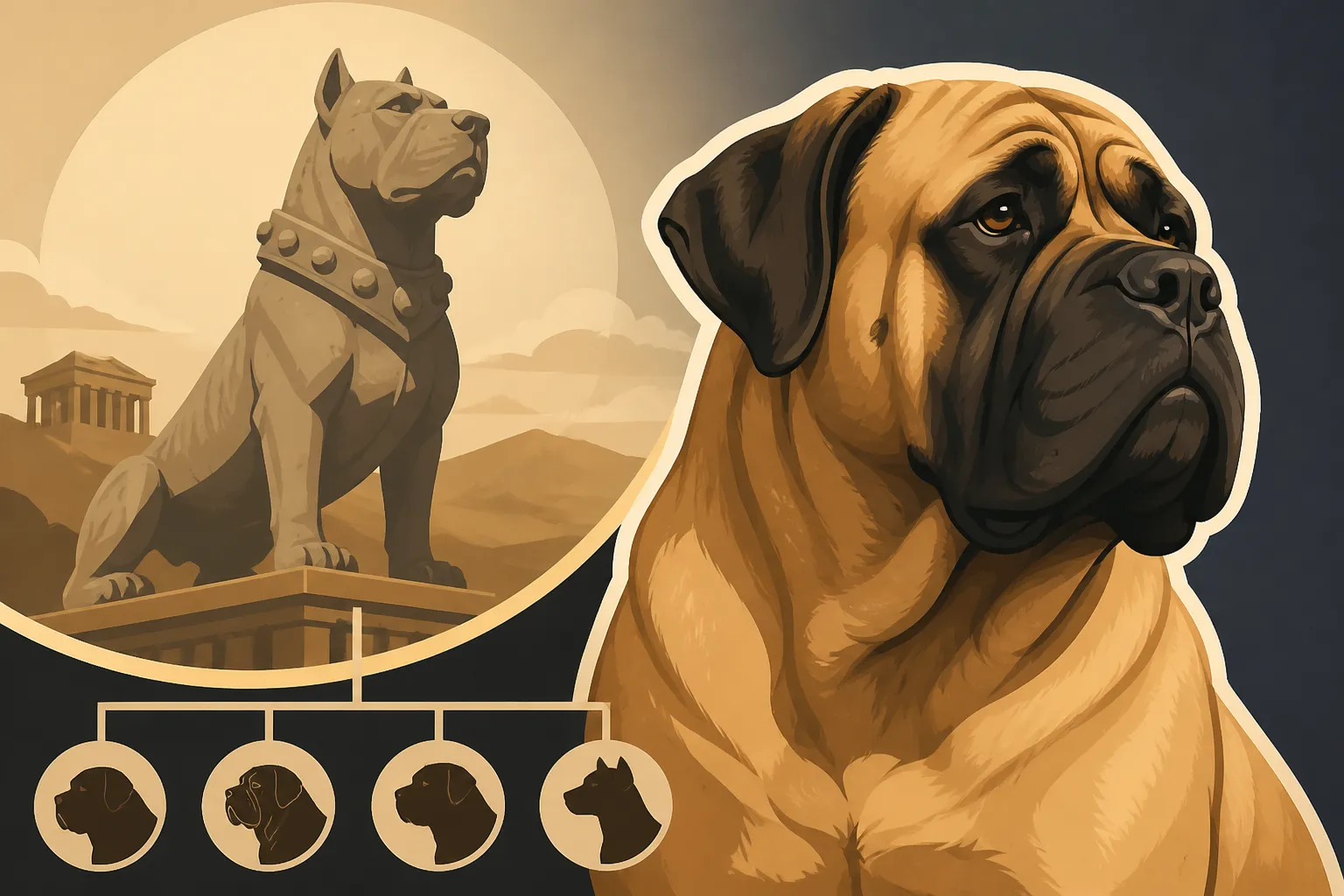
When we talk about the Molossus, we're not pinpointing a single, specific breed in the way we might identify a Golden Retriever or a Mastiff today. Instead, the term "Molossus" refers to a type of large, powerfully built dog originating from ancient Epirus, a region in what is now Greece and Albania. These dogs were renowned for their immense strength, courage, and protective instincts, making them invaluable assets to the Molossian people, a tribe whose kings claimed descent from Achilles. Understanding this foundational "type" is crucial to appreciating the long and winding road that eventually led to the modern Mastiff.
What Exactly Was the Molossus?
Imagine a dog of formidable stature, a true powerhouse with a strong head, muscular body, and an undeniable presence. That's the essence of what historians and scholars believe the Molossus to have been. They weren't bred for delicate beauty or swift coursing, but for raw power and utility. Their primary roles were guardian and war dog, requiring physical attributes that could deter predators, protect livestock, and stand firm in battle alongside their human companions. This isn't just about size; it's about a specific kind of robust construction built for resilience and strength, a trait you can still see mirrored in our modern Mastiffs today. They were the original "big dog" solution for serious tasks, and their reputation spread far and wide throughout the ancient world.
The exact appearance of the Molossus is, of course, a matter of historical interpretation rather than documented fact sheets. There were no breed standards or photographs back then! However, what we can gather from various ancient sources suggests a large, short-coated animal, perhaps fawn or brindle, with a powerful skull and jaws. These dogs would have been bred for function above all else, with temperament being key: they needed to be loyal to their families, fiercely protective, yet discerning enough not to attack indiscriminately. This balance of power and measured response is a characteristic that many Mastiff owners recognize as central to their dogs' personalities. It's a testament to the enduring genetic blueprint that was laid down centuries ago.
Evidence from Antiquity: Art and Texts
Our understanding of the Molossus comes from a mosaic of ancient evidence, primarily literary accounts and artistic depictions. Greek writers like Aristotle, in his History of Animals, described the Molossian dogs as having a specific build and temperament, highlighting their use as guardians and hunters. He noted their immense size and courage, distinctions that set them apart from other canines of the era. These aren't casual mentions; they are detailed observations that give us a window into their perceived importance.
Beyond literature, artistic representations from ancient Greece and Rome provide visual clues. Sculptures, friezes, and even vase paintings sometimes feature dogs that strongly resemble the descriptions of the Molossus: massive, broad-headed canines often depicted in protective stances or alongside warriors. While these images are stylized and don't offer photographic accuracy, they consistently convey a dog of imposing presence and strength, far removed from smaller hunting hounds or companion dogs. Think of the large, powerful dogs seen in Roman gladiatorial scenes or guarding villas – these were likely direct descendants or very close relatives of the original Molossian stock. These ancient "portraits" emphasize a continuity of type, suggesting that the characteristics valued in these dogs persisted through generations and geographical shifts. It's an incredible thought to consider the deep history etched into the very form of our present-day Mastiffs, whether they're lounging on a What a Bed That Holds a Mastiff Costs or enjoying a tasty treat from Chewy.
The Journey from Ancient Greece to Roman Arenas
The influence of the Molossus wasn't confined to Epirus. As empires expanded and trade routes developed, these formidable dogs, or their descendants, traveled across the ancient world. The Roman Empire, in particular, played a crucial role in the dissemination and evolution of Molossian-type dogs, adopting them for a variety of purposes that further solidified their reputation as powerful working canines. It was through these Roman connections that the ancestors of our modern Mastiffs eventually made their way to the British Isles, setting the stage for the breed we recognize today.
Roman Conquests and Canine Companions
The Romans, ever pragmatic and eager to incorporate useful innovations from conquered lands, quickly recognized the exceptional qualities of the Molossian dogs. They were instrumental in the Roman military, acting as war dogs (often outfitted with spiked collars and armor) and formidable camp guardians. Imagine the sheer intimidation factor of a legion marching with these massive dogs at their flanks; they weren't just animals but vital components of military might. How Roman Troops Brought Mastiffs to England is a tale of strategic animal husbandry as much as military strategy.
But their utility wasn't limited to the battlefield. The Romans also employed these powerful canines as estate guardians, protecting villas and livestock, and famously, in the brutal arenas for entertainment, where they were pitted against wild animals and gladiators. This period of Roman expansion and dog usage was critical because it meant that Molossian-type dogs were exposed to new environments, new breeding objectives, and ultimately, new genetic influences. This selective pressure, favoring strength, courage, and size, continuously reinforced the core "Molosser" characteristics that define the Mastiff type. When you see a Mastiff confidently surveying its domain, it's easy to picture a similar scene from ancient Rome, albeit with fewer lions!
The British 'Pugnaces Britanniae'
When the Roman legions arrived in Britain, they encountered native dogs that, much to their surprise, were described as equally formidable, if not more so, than their own Molossian imports. These indigenous British dogs were often referred to as Pugnaces Britanniae—the "fighting dogs of Britain." Historical accounts, most notably by Caesar, mention these dogs as powerful and courageous, used by the Britons for hunting and warfare. This encounter wasn't just a curiosity; it was a pivotal moment in the Mastiff's ancestry.
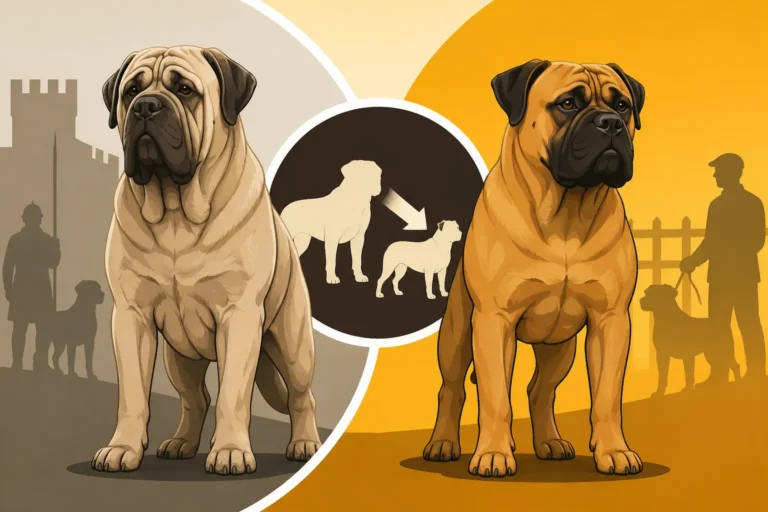
The Romans recognized the value in these native British dogs and began to crossbreed them with their own Molossian stock. This fusion of two distinct, powerful canine lines is believed to be the true genesis of the Old English Mastiff. The resulting dogs would have inherited the best traits from both: the immense power and guardian instincts of the Molossus, combined with the hardiness and perhaps distinct physical attributes of the British dogs. This hybridization created a super-dog for the times, perfectly suited for the harsh realities of medieval Britain, where large, protective dogs were essential for guarding estates, accompanying hunters, and even serving as deterrents against invaders. It's a deep history, spanning thousands of years, that connects the Molossus to the modern Mastiff, making every interaction with our gentle giants a brush with living history.
The Enduring Legacy: How Molosser Traits Live On
The concept of the Molossus isn't just a historical footnote; it's a living legacy that profoundly impacts the modern Mastiff. The characteristics that made the ancient Molossian dogs so revered—their imposing size, powerful build, protective instincts, and calm demeanor—are still highly prized traits in today's Mastiffs. These are not just random genetic coincidences; they are the direct echoes of a carefully preserved lineage, passed down through generations. When you bring a Mastiff into your home, you're not just getting a pet; you're welcoming a descendant of an ancient and noble line, whose purpose was always to guard and protect.
Physical Traits: Size, Structure, and Power
Just look at a modern Mastiff: the massive head, the broad chest, the heavy bone structure, and the sheer impressive bulk. These are all hallmarks of the Molosser type. The Mastiff's size isn't merely for show; it's an intimidating deterrent, a physical manifestation of its ancient role as a guardian. This incredible stature is something that demands respect and careful management, which is why topics like The Mastiff Puppy You Are Not Allowed to Exercise are so critical for their healthy development. While specific weights may have varied throughout history, the underlying commitment to a powerfully built, robust dog has remained constant.
The Mastiff's characteristic "squareness" in build, often described as powerful and symmetrical, is also a direct callback to the functional body plan of the Molossus. They are built for strength and endurance, capable of holding their ground. This goes beyond just being large; it's about proportionate power. Even the deep-set eyes and the heavy brows contribute to a somewhat solemn, watchful expression, a visual cue of their protective nature. It’s a breed designed to convey strength without necessarily having to move, a silent statement of capability. When you're looking for dog food, even online at a retailer like Chewy, you'll see "large breed" or "giant breed" formulas specifically tailored to support this impressive skeletal and muscular structure, emphasizing the lasting impact of their Molossian heritage.
Temperament and Purpose: Guardianship and Loyalty
Beyond the physical, the Molossus instilled a profound sense of purpose and a distinctive temperament that is still evident in the Mastiff. These ancient dogs were not wild or unruly; they were valued for their steadfast loyalty, their calm disposition, and their unwavering courage when faced with a threat. This combination of traits meant they were reliable protectors who knew when to act and when to simply observe. Modern Mastiffs embody this perfectly: they are typically gentle giants within their family circle, often described as affectionate and patient, especially with children. A Mastiff in a House With Small Children is often a picture of serene, watchful guardianship, not aggressive behavior.
However, beneath that calm exterior lies the protective instinct of their Molossian ancestors. A Mastiff naturally assesses strangers and situations, possessing an innate sense of who belongs and who doesn't. They aren't prone to frantic barking, but their sheer presence and a low, rumbling growl can be incredibly effective. This discerning nature, the ability to be a loving family member yet a formidable guardian, is perhaps the most precious inheritance from the Molossus. It’s why Mastiff owners so often say that their dogs are "thinking" animals rather than impulsive ones, a trait that makes The Stubbornness That Is Actually a Mastiff Thinking so relatable. They carry the wisdom and the protective spirit of their ancient forebears, bringing that noble history into our modern homes. From the fierce war dogs of Epirus to the beloved family members we spoil with treats from Chewy, the Molossus lives on.
Comparing Molossian Traits to the Modern Mastiff
To truly appreciate the enduring legacy of the Molossus, it's helpful to see how its defining characteristics have been carried forward and refined in the modern Mastiff. While we can't conduct a scientific comparison with an ancient dog, we can draw reasonable conclusions based on historical accounts and current breed standards. This table highlights some key areas where the ancestral Molossus's influence is still strongly felt.
| Trait Category | Presumed Molossus Characteristics (Ancient Epirus/Rome) | Modern Mastiff Characteristics (Today) | Continuity / Evolution |
|---|---|---|---|
| Size & Build | Large, muscular, heavy-boned, imposing stature, powerful jaws. | Very large to giant, symmetrical and massive, heavy-boned, broad skull, deep chest. | Direct continuity; emphasis on bulk and power remains. |
| Temperament | Courageous, protective, loyal to owners, wary of strangers, steady. | Noble, dignified, good-natured, calm, loyal, protective of family, watchful. | Core protective and loyal nature preserved, "gentle giant" refinement. |
| Primary Role | War dog, guardian (livestock, estate), hunting large game, arena combat. | Family companion, guardian, deterrent. | Shift from direct combat/hunting to family protection and companionship. |
| Coat/Color | Likely short-coated, various colors (fawn, brindle probable). | Short, smooth coat; fawn, apricot, or brindle with a black mask. | Short coat and similar color variations persist. |
| Head Shape | Broad, powerful skull, strong muzzle. | Massive, heavy, square skull; broad muzzle; distinctive "mask". | Exaggerated squareness and mask developed in modern breed. |
| Jaw Strength | Extremely powerful, essential for defense and gripping prey. | Very strong, capable jaws; used for carrying, chewing (e.g., Chewy's tough chews). | Retained for power, though rarely used in aggression. |
This comparison makes it clear that the Mastiff is not merely a large dog; it is a direct descendant of a purposeful, powerful lineage. Every wrinkle, every steady gaze, and every protective lean carries centuries of history. Understanding Where the Mastiff Came From Before Britain helps us appreciate these amazing dogs even more.
The Molossus, though a shadowy figure from antiquity, casts a long and undeniable shadow over the history of the Mastiff. It wasn't just a breed; it was a type, a blueprint for the powerful, protective, and loyal dogs that served ancient civilizations. From the battlefields of Epirus and the Roman Empire to the sprawling estates of medieval Britain, these majestic canines evolved, their core traits carefully preserved and refined. Today's Mastiff carries that proud heritage, embodying the strength, dignity, and unwavering devotion that made its Molossian ancestors legendary. When you look into the eyes of your Mastiff, you're seeing thousands of years of canine history looking right back at you, a testament to an incredible and enduring lineage.
Disclaimer
This article is for general informational purposes only and does not constitute professional advice. Laws, prices and regulations vary by location and change over time. Consult a qualified professional for guidance on your specific situation.