Who Sir Piers Legh Was to the Mastiff
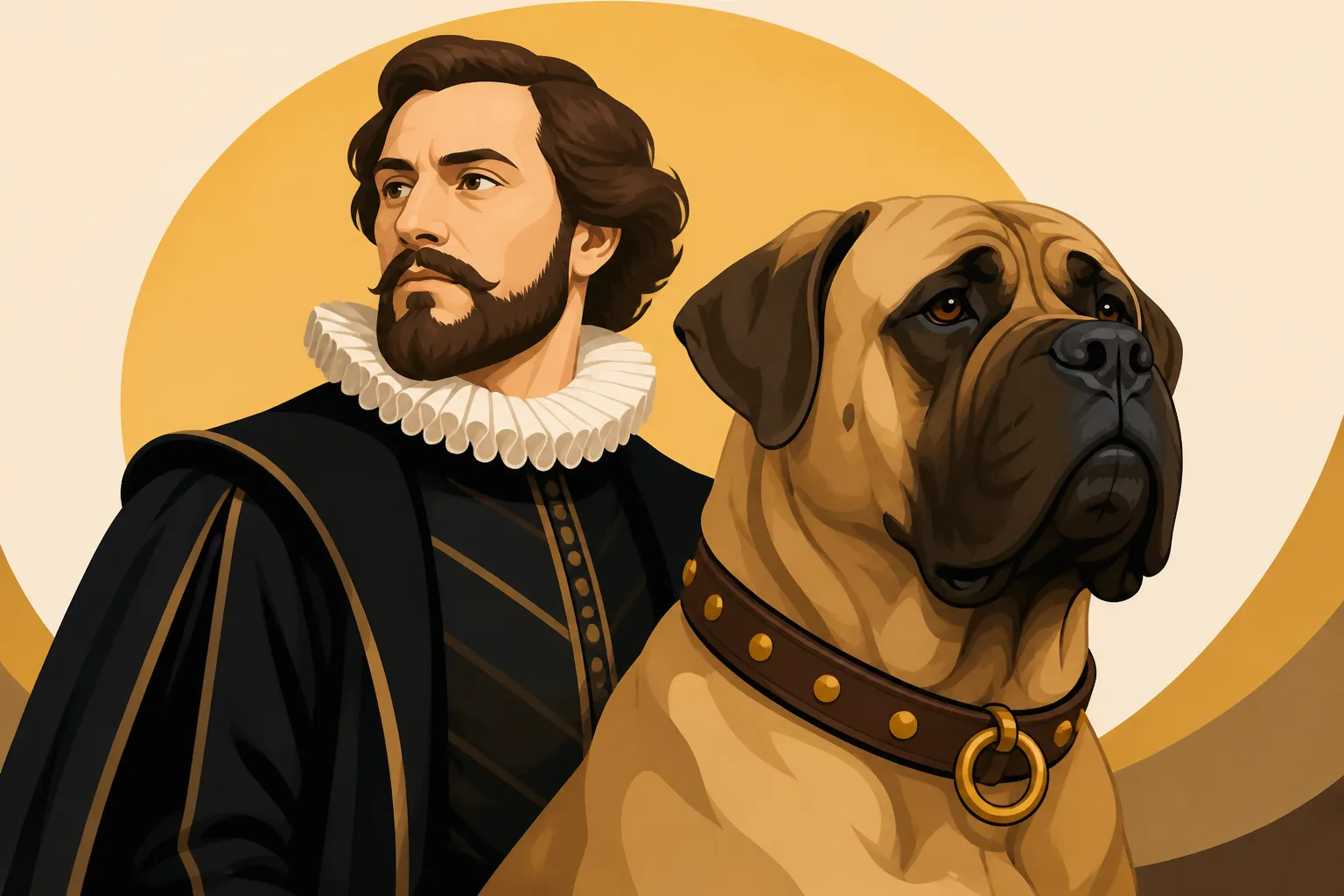
The annals of history are filled with tales of loyalty, bravery, and the remarkable bond between humans and their canine companions. For those of us who share our lives with a Mastiff, these stories resonate deeply, often bringing to mind the quiet strength and unwavering devotion of our own gentle giants. One such legendary figure, Sir Piers Legh, stands as a testament to this enduring bond, his story intertwined with the very essence of the Mastiff breed. We're going to dive into the fascinating history of this nobleman and his faithful dog, exploring the legend that has shaped our understanding of Mastiffs for centuries.
The Legend of Sir Piers Legh and His Loyal Mastiff
The name Sir Piers Legh might not be immediately familiar to everyone, but his story, particularly as it relates to the Mastiff, is a cornerstone of the breed's historical narrative. It's a tale steeped in medieval warfare, bravery, and an almost unbelievable act of canine devotion that has captivated dog lovers for generations. This isn't just a quaint old story; it's a testament to the character many believe defines the Mastiff even today.
The Myth of Agincourt and the Wounded Knight
The central point of the legend places Sir Piers Legh at the brutal Battle of Agincourt in 1415, a pivotal clash during the Hundred Years' War. Imagine the chaos, the mud, the clang of steel, and the sheer terror of battle. Sir Piers, a knight fighting for King Henry V of England, was gravely wounded on the field. In this harrowing moment, the legend says, his loyal Mastiff stood guard over him, protecting him from further harm and the grim fate of many fallen soldiers. This dog, a large and imposing creature, became an embodiment of loyalty in the face of death. Many sources point to The Mastiff That Stood Over Sir Piers Legh at Agincourt as the definitive telling of this part of the story.
The image of this massive dog, steadfastly defending its incapacitated master amidst the carnage, speaks volumes about the protective instincts inherent in Mastiff-type dogs. It's easy to picture the scene: the exhausted dog, possibly wounded itself, refusing to abandon the man it had sworn its silent allegiance to. This moment, whether entirely factual or embellished by time, cemented the Mastiff's reputation as a guardian of unparalleled devotion. It’s a powerful visual that informs how many of us still see our Mastiffs—fierce protectors with gentle hearts.
Carrying the Bloodline: The Lyme Hall Mastiffs
Following the battle, the story continues with the incredible survival of both Sir Piers and his Mastiff. It's said that the knight was discovered later, still alive, with his faithful dog by his side. Miraculously, the dog was reportedly pregnant. Upon their return to Lyme Hall, the ancestral home of the Legh family in Cheshire, England, the dog gave birth to a litter of puppies. These puppies, according to tradition, became the foundation of the famous Lyme Hall Mastiff strain. This lineage was carefully preserved and bred by the Legh family for centuries, becoming one of the most significant bloodlines in the history of the breed.
The meticulous preservation of this line at Lyme Hall is a critical part of the Mastiff's history. It suggests a conscious effort to maintain the qualities exemplified by that original brave dog—loyalty, size, and a protective nature. This commitment to a specific bloodline, based on such a powerful origin story, highlights how deeply this connection between man and Mastiff resonated through the generations. It’s a testament to how profoundly a single event can shape the future of an entire breed, creating a legacy that continues to influence modern breeding practices and our appreciation for these magnificent animals. You can learn more about this remarkable legacy in Lyme Hall Kept Mastiffs Longer Than Any Kennel on Earth.
The Battle of Agincourt: A Historical Backdrop
To truly appreciate the legend of Sir Piers Legh, it helps to understand the historical context of the Battle of Agincourt itself. This was no minor skirmish; it was a major engagement that significantly impacted the course of European history and demonstrated the incredible resilience and strategic prowess of the English forces. For a dog to play such a pivotal role, even in legend, against such a backdrop, speaks volumes.
Agincourt in 1415: A Defining Moment
The Battle of Agincourt, fought on October 25, 1415, near what is now Azincourt in northern France, was a remarkable victory for the English under King Henry V against a much larger French army. The English forces, though outnumbered, used strategic positioning, the muddy terrain, and the devastating power of their longbow archers to achieve a decisive win. The conditions were incredibly harsh; heavy rain had turned the battlefield into a quagmire, making movement difficult, especially for the heavily armored French knights.
This brutal environment underscores the extraordinary nature of the Mastiff's supposed actions. Amidst such chaos and danger, the steadfastness of a dog is truly impressive. It wasn't just a battle; it was a grueling test of endurance, courage, and sheer will for every participant, human and animal alike. The very fact that this story emerged from such a crucible of warfare gives it a powerful, almost mythic quality that has endured for centuries. What a Mastiff Did at Agincourt in 1415 elaborates further on the canine involvement in this historical event.
The Role of Dogs in Medieval Warfare
While the specific account of Sir Piers Legh's Mastiff guarding him might be more legend than documented fact, it's important to remember that dogs did play various roles in medieval warfare and daily life. They weren't just pets; they were working animals, protectors, and sometimes even participants. Large, strong dogs, progenitors of what we now call Mastiffs, were valued for their size, strength, and protective instincts.
During this period, dogs were used for hunting, guarding livestock, protecting property, and even as camp guards or to track enemies. They provided an extra layer of security and utility that was highly prized. While it's unlikely they were formally deployed as frontline combatants in the same way modern military dogs are, their presence and capabilities were undeniably important. The tale of Legh's Mastiff fits perfectly within this broader historical understanding of dogs as valuable, protective companions who often shared the dangers of human conflict. This inherent understanding of dogs as fierce protectors likely made the Agincourt legend so believable and enduring.
Mastiffs in Medieval Society and Beyond
The legend of Sir Piers Legh didn't just appear in a vacuum; it resonated because it tapped into a pre-existing understanding of what Mastiff-type dogs were capable of. These weren't just big, slobbery companions; they were integral to the security and functioning of medieval estates, and their reputation as formidable guardians was well-established.
From War Dogs to Estate Guardians
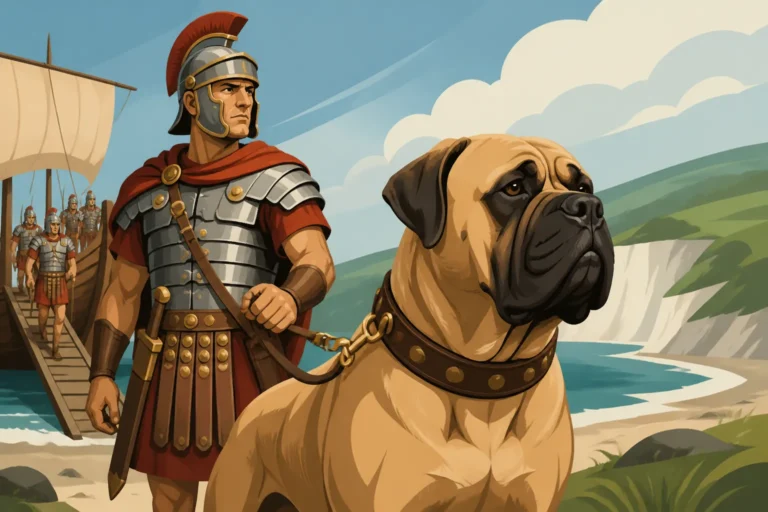
Before the Agincourt legend solidified their image, large, powerful dogs, often referred to as "bandogs" or "Mastiffs," had a long history of utility. Their ancestry can be traced back to ancient times, with dogs of the Molosser type being used by various civilizations for protection and even in combat. Where the Mastiff Came From Before Britain reveals a much older lineage than many realize. By medieval times in England, these dogs were primarily valued as guardians of vast estates, castles, and livestock. Their sheer size and imposing presence were often enough to deter intruders, both human and animal.
Imagine the sprawling grounds of a medieval manor, often isolated and vulnerable. A pack of robust, vigilant Mastiff-type dogs would have been an indispensable asset, providing a living alarm system and a powerful deterrent. Their bark alone could send shivers down a trespasser's spine, and their physical capabilities were respected. This deep-seated role as protectors of home and hearth made the story of Sir Piers Legh’s dog so believable and evocative for people of the era. They knew firsthand the power and loyalty these magnificent animals possessed.
The Appearance and Temperament of Early Mastiffs
While direct breeding records from the medieval period are scarce, we can infer some characteristics of these early Mastiff-type dogs. They would have been large, powerfully built animals, bred for strength, endurance, and a protective instinct. Their appearance would have been formidable, perhaps less refined than today's show Mastiffs, but undoubtedly impressive. The temperament, while needing to be fierce enough to deter threats, would also have required a degree of intelligence and discernment to distinguish between friend and foe.
It's likely that they possessed the calm, steady demeanor often seen in modern Mastiffs, capable of immense power but choosing to wield it with deliberation. This combination of physical prowess and discerning temperament made them ideal guardians. The legend of Sir Piers Legh's Mastiff certainly paints a picture of a dog with incredible courage and unwavering focus on its master, traits that modern Mastiff owners deeply appreciate. Even now, when you're looking for strong, durable toys or high-quality food, a company like Chewy offers products designed for the specific needs of these large, powerful dogs, reflecting a continuous need for sturdy solutions for our Mastiffs.
Lyme Hall and the Continuing Legacy
The Legh family's commitment to their Mastiff lineage at Lyme Hall is more than just a footnote in history; it's a critical thread in the survival and development of the modern Mastiff breed. Their efforts provided a vital link across centuries, preserving characteristics and a story that might otherwise have been lost to time.
A Sanctuary for the Breed
Lyme Hall served as an unparalleled sanctuary for the Mastiff breed, particularly during times when dog populations faced decline. The Legh family maintained a continuous breeding program for over 500 years, a feat almost unheard of in canine history. This unbroken line meant that traits, both physical and temperamental, could be carefully selected and perpetuated. This dedication was crucial, especially when general interest in large guard dogs waxed and waned, or when economic hardships led to the neglect of many breeds.
The importance of Lyme Hall cannot be overstated; it was a living museum, preserving the Mastiff's ancient heritage. The family's commitment ensured that the breed didn't just survive but thrived, carrying forward the qualities of loyalty and protection that were so famously exemplified by the Agincourt Mastiff. This kind of sustained breeding effort is rare and speaks to a profound respect for the dogs and their historical significance. You might be interested in How Long Lyme Hall Bred Mastiffs for more on their incredible dedication.
From Feudal Lords to Modern Breeders
The transition from feudal lords breeding functional estate guardians to modern hobby breeders striving for breed standards is a fascinating journey. The Lyme Hall Mastiffs eventually contributed significantly to the gene pool of the Mastiff breed as we know it today. When breeders began to standardize the breed in the 19th century, the Lyme Hall line provided a crucial foundation, lending its weight to the formation of the modern Mastiff.
The very traits celebrated in the Agincourt legend—loyalty, imposing size, and a protective yet steady nature—became the hallmarks of the breed standard. This shows a direct line of influence from that ancient tale to the selection criteria for Mastiffs even now. Modern breeders, while focused on health and temperament, still look for that quintessential "Mastiff quality" that harks back to these powerful historical roots. Even today, when sourcing supplies for a new Mastiff puppy, breeders and owners alike turn to reliable providers, often finding everything from food bowls to training aids on platforms like Chewy, highlighting the continuity of care despite the changing times.
Separating Fact from Legend: The Enduring Impact
While the romantic notion of a single dog defining a breed's entire future is captivating, it’s important to approach historical narratives with a balanced perspective. The legend of Sir Piers Legh and his Mastiff, like many historical tales, likely contains a blend of factual elements and embellishments that have grown over time.
The Veracity of the Agincourt Story
Historians and breed enthusiasts have debated the precise veracity of the Sir Piers Legh story for years. While Sir Piers Legh was indeed a real historical figure who fought at Agincourt, and the Legh family certainly maintained a prominent Mastiff kennel at Lyme Hall for centuries, the detailed account of the dog guarding him on the battlefield and then founding the lineage is widely considered a powerful legend rather than strictly documented history. Direct, verifiable accounts of specific dogs performing such actions in the midst of a battle from that period are, understandably, rare.
It’s more likely that the story evolved over time, becoming a romanticized origin myth for the esteemed Lyme Hall line. This doesn't diminish its importance, however. Legends often serve a crucial purpose: they distill complex ideas and historical facts into memorable, emotionally resonant narratives. For the Mastiff, this legend perfectly encapsulated the breed's most cherished qualities and provided a compelling reason for its preservation. In a way, the legend became just as important as the facts, shaping the identity of the breed. For a deeper dive into the mythical elements, see How Much of the Lyme Hall Mastiff Story Is Legend.
How Legends Shape Breed Identity
Regardless of its factual accuracy, the legend of Sir Piers Legh’s Mastiff has had an undeniable and profound impact on the breed's identity and perception. It cemented the image of the Mastiff as the ultimate loyal protector, a noble and courageous companion willing to lay down its life for its master. This narrative resonated deeply and influenced how people viewed and bred Mastiffs for generations. Breeders aimed to cultivate dogs that embodied these legendary traits, reinforcing the ideal Mastiff temperament and physical presence.
Even today, when we talk about the Mastiff's "noble" or "dignified" nature, we're echoing sentiments born from stories like this. The legend helps new owners understand the breed's deep-seated protective instincts and why early socialization and consistent, gentle training are so crucial for such a powerful yet sensitive dog. It’s a story that evokes the essence of what it means to own a Mastiff: a massive, formidable presence coupled with an unwavering heart. It’s no wonder that many Mastiff owners are so passionate about their dogs; they carry a living piece of history with them.
Here’s a quick look at the historical timeline concerning Sir Piers Legh and the Mastiff legend:
| Event | Date (Approx.) | Significance to Mastiff History |
|---|---|---|
| Battle of Agincourt | 1415 | Legendary event where Sir Piers Legh's Mastiff reportedly guarded him. |
| Founding of Lyme Hall Mastiff Line | Post-1415 | Alleged beginning of the continuous breeding line from the Agincourt Mastiff's offspring. |
| Centuries of Breeding at Lyme Hall | 15th-20th C. | The Legh family's sustained effort to preserve and develop the Mastiff breed. |
| Emergence of Modern Breed Standards | 19th C. | Lyme Hall Mastiffs contributed significantly to the gene pool for the formal standardization of the breed. |
The story of Sir Piers Legh and his steadfast Mastiff serves as a powerful reminder of the deep, historical connection between humans and these magnificent dogs. It’s a narrative that goes beyond simple historical facts, delving into the very heart of loyalty, protection, and the enduring spirit of a breed that continues to capture our imaginations. It explains why a Mastiff is more than just a pet; it's a living legend.
Disclaimer
This article is for general informational purposes only and does not constitute professional advice. Laws, prices and regulations vary by location and change over time. Consult a qualified professional for guidance on your specific situation.