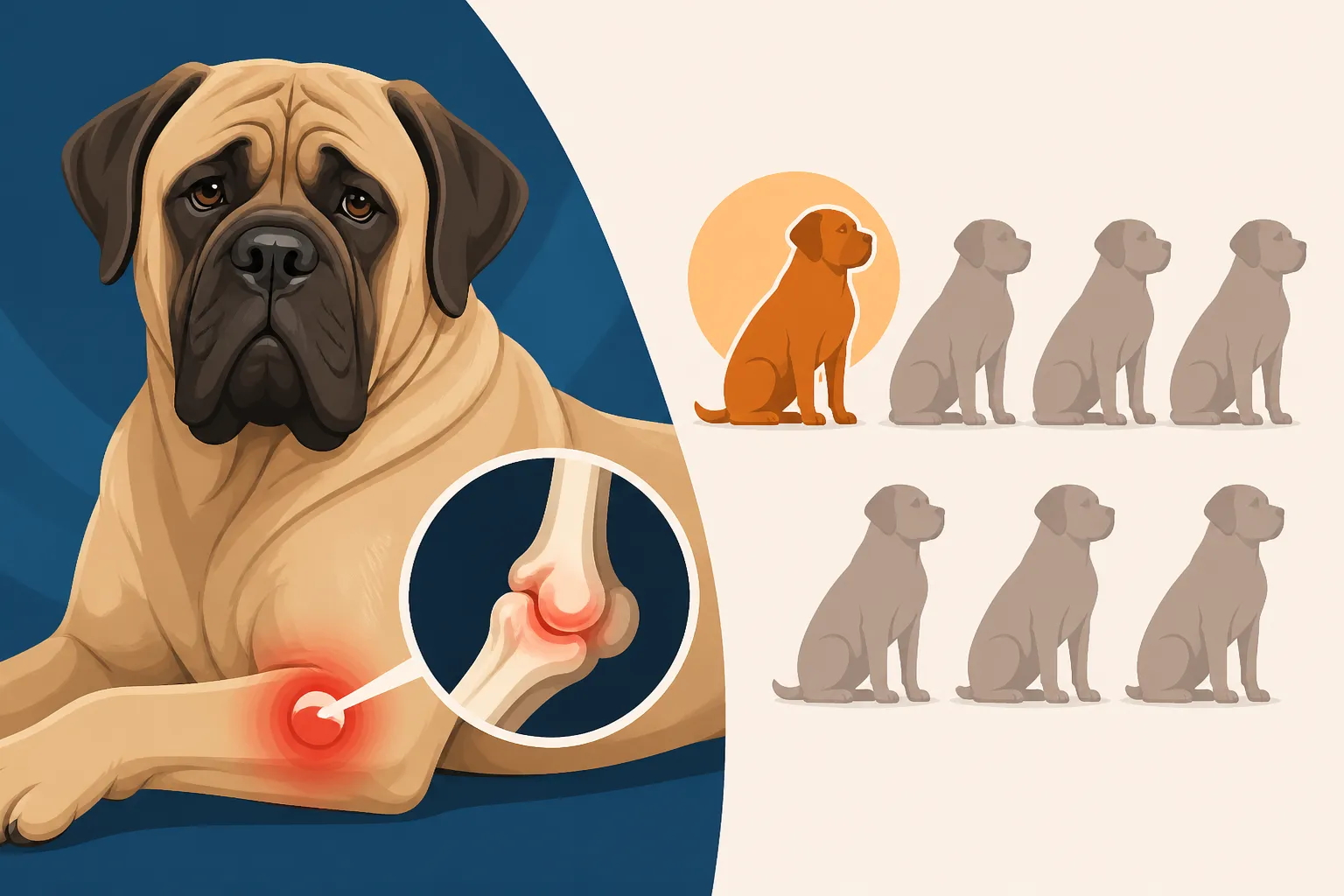
Elbow Dysplasia Affects One Mastiff in Seven
Finding out your beloved Mastiff puppy or adult dog is experiencing discomfort, lameness, or even chronic pain due to a condition like elbow dysplasia is a truly heartbreaking experience. It's a common and devastating joint disorder that affects far too many of our gentle giants, often leaving owners feeling helpless and overwhelmed. This comprehensive guide is here to walk you through everything you need to know about elbow dysplasia in Mastiffs, from understanding its causes and symptoms to exploring diagnostic methods, treatment options, and crucial preventative measures you can take to give your big dog the best possible quality of life.
Understanding Elbow Dysplasia in Mastiffs: A Deep Dive
Elbow dysplasia isn't just one condition; it's a catch-all term for several developmental abnormalities that can occur in the elbow joint. For Mastiff owners, this is a particularly frustrating topic because our dogs are disproportionately affected. It’s a sad reality that these magnificent creatures, bred for their immense size and strength, are often vulnerable to issues directly related to their rapid growth and sheer bulk.
What Exactly is Elbow Dysplasia?
The elbow joint in a dog is a complex hinge, formed by three bones: the humerus (upper arm bone) and two forearm bones, the ulna and the radius. For the joint to function smoothly, these bones must fit together perfectly, allowing for a fluid range of motion. Elbow dysplasia occurs when there's an abnormal development in one or more of these bones or the cartilage, leading to an ill-fitting joint. This poor fit causes friction, inflammation, and eventually, degenerative joint disease or arthritis.
There are primarily four manifestations that fall under the umbrella of elbow dysplasia:
- Fragmented Coronoid Process (FCP): This is perhaps the most common form. The coronoid process is a small projection of bone on the ulna. In FCP, a piece of this bone breaks off, floating within the joint or rubbing against the opposing bone. This causes significant pain and irritation. Imagine a tiny shard of glass inside a meticulously engineered mechanism – it's going to cause problems.
- Osteochondritis Dissecans (OCD) of the Medial Humeral Condyle: OCD involves a disturbance in the cartilage-to-bone transformation. A flap of cartilage forms on the end of the humerus, sometimes detaching, which again causes pain and inflammation. This is essentially a failure of the cartilage to properly attach to the bone underneath, leading to a weak spot that can chip away.
- Ununited Anconeal Process (UAP): The anconeal process is another bony projection on the ulna that normally fuses with the rest of the ulna by about five months of age. In UAP, this fusion fails to occur, leaving the process separated. This leads to instability and discomfort in the elbow. It's like a crucial pin in a hinge that never quite locks into place.
- Elbow Incongruity: This refers to a mismatch in the lengths of the radius and ulna, or an abnormal curvature of these bones, leading to an uneven joint surface. This puts abnormal pressure on specific parts of the joint, leading to cartilage wear and tear. It’s a bit like having mismatched wheels on a cart; it might still move, but it’s going to put a lot of strain on the axle.
All these conditions, regardless of their specific type, share a common destiny if left untreated: they inevitably lead to progressive osteoarthritis, which means chronic pain and reduced mobility for your Mastiff.
Why Mastiffs Are Particularly Susceptible
It’s a cruel irony that the very characteristics we adore in Mastiffs—their impressive size, rapid growth, and substantial weight—are also their Achilles' heel when it comes to joint health. Mastiffs are classified as a giant breed, and unfortunately, large and giant breeds are inherently more prone to developmental orthopedic diseases like elbow dysplasia.
Genetics play a huge, undeniable role. While the exact mode of inheritance is complex and likely polygenic (meaning multiple genes are involved), it is clear that elbow dysplasia has a strong heritable component. Responsible breeders strive to eliminate this predisposition, but even with careful screening, it can still surface. The genetic cards are simply stacked against many of these magnificent dogs, making their elbow joints particularly vulnerable during their critical growth phases.
Beyond genetics, the sheer mechanics of being a Mastiff contribute significantly. These puppies grow at an astonishing rate. Imagine a human baby growing from 8 pounds to 100 pounds in a year—that's the kind of growth spurt a Mastiff puppy experiences, albeit on a different scale. This rapid growth puts immense stress on developing bones and joints. If the bone and cartilage don't mature perfectly in sync, even minor developmental glitches can be magnified into serious issues under the increasing body weight. We've discussed before that How Fast a Mastiff Puppy Puts On Weight can be alarming if not managed correctly, directly impacting joint health.
Furthermore, the significant weight these dogs carry, often exceeding 200 pounds for a male, means that even a perfectly formed elbow joint is under constant load. Any minor imperfection in the joint will be subjected to disproportionately high forces, accelerating wear and tear and the onset of arthritis. It’s a heavy burden, quite literally, for their elbows to bear throughout their lives. This explains why Why a Mastiff's Hips Fail Under Its Own Weight is another prevalent concern, highlighting a systemic vulnerability in their skeletal structure.
The Silent Struggle: Early Signs and Subtle Symptoms
One of the most frustrating aspects of elbow dysplasia in Mastiffs is that the early signs can be incredibly subtle, easily missed or dismissed as normal puppy clumsiness or growing pains. Your Mastiff, being the stoic and devoted companion they are, might hide their discomfort until the pain becomes significant. This is why vigilance is absolutely key from the moment you bring your puppy home.
Look for a general reluctance to exercise or play as vigorously as other puppies. They might tire more quickly or simply choose to lie down instead of engaging in activity. You might notice a subtle lameness, often intermittent, in one or both front legs. This lameness might be worse after rest and improve slightly with gentle warming up, or it could be more pronounced after strenuous activity. Sometimes, it’s just a stiff gait in the morning that seems to work itself out after a few minutes.
A classic sign is an outward rotation of the affected limb, or a compensatory inward rotation of the paw to try and alleviate pressure on the painful joint. They might also stand with their elbows "out" rather than tucked close to their body. Pay close attention to how they get up from a lying position. Do they struggle, or take their time? Do they avoid putting full weight on a leg immediately? Observe them after a long nap; stiffness can be very telling.
You might also notice a decreased range of motion in the elbow, or a painful reaction if you gently flex or extend their joint. Some dogs might develop a swelling around the elbow joint, or you might even feel a grinding or clicking sensation if you carefully manipulate the joint (though this should always be done gently and preferably by a vet). They might also lick excessively at their elbow, a common sign of localized pain. Because they can't tell us what hurts, we have to become master observers of their body language and subtle cues. Ignoring these early signs can mean the condition progresses further, leading to more significant pain and damage.
The Heartbreaking Reality of Diagnosis
Receiving an elbow dysplasia diagnosis for your Mastiff can feel like a punch to the gut. You want the best for your gentle giant, and the thought of them living with chronic pain is devastating. But understanding the diagnostic process is the first step towards getting them the help they need.
Navigating the Diagnostic Process: X-Rays and Beyond
When you bring your Mastiff to the vet with concerns about lameness or stiffness, a thorough orthopedic examination will be the starting point. Your vet will palpate the joints, assess range of motion, and observe your dog's gait. Often, the next crucial step is radiography, or X-rays.
For definitive diagnosis and official grading, these X-rays are typically submitted to organizations like the Orthopedic Foundation for Animals (OFA). The OFA has specific positioning requirements for elbow X-rays to ensure consistent and accurate evaluation. These often require sedation for your Mastiff to achieve the precise angles needed, ensuring they remain still and comfortable during the process. The standard OFA elbow views usually include a flexed lateral view and a craniocaudal view. It’s at this stage that The Age a Mastiff Is Certified by OFA becomes relevant, typically after 24 months of age for final certification, though preliminary evaluations can be done earlier.
While X-rays are invaluable, especially for identifying UAP and severe cases of FCP or OCD, they don't always tell the whole story, particularly in the early stages of FCP or subtle cartilage issues. In some cases, your vet might recommend more advanced imaging techniques. These could include:
- Computed Tomography (CT) Scan: A CT scan provides a much more detailed, three-dimensional view of the bones within the joint. It's particularly adept at identifying fragmented coronoid processes, which can sometimes be obscured by other bone structures on a standard X-ray. For a Mastiff, this usually means a specialist referral, as standard clinics may not have CT capabilities, and the machine needs to be large enough to accommodate their size.
- Magnetic Resonance Imaging (MRI): While less commonly used for primary elbow dysplasia diagnosis compared to CT, an MRI can be helpful in evaluating soft tissue structures like cartilage, ligaments, and fluid accumulation within the joint, offering another layer of insight.
- Arthroscopy: This is both a diagnostic and therapeutic procedure. A tiny camera (arthroscope) is inserted into the joint through small incisions, allowing the veterinary surgeon to directly visualize the cartilage and bone surfaces. This is considered the "gold standard" for diagnosing certain forms of elbow dysplasia, especially FCP and OCD, as it allows for direct assessment and often immediate intervention.
It's important to have an open conversation with your veterinarian about the best diagnostic path for your Mastiff, weighing the benefits of each method against the costs and potential need for sedation.
Understanding Elbow Grades and What They Mean for Your Mastiff
Once X-rays are submitted to an organization like the OFA, they are evaluated by three independent board-certified veterinary radiologists. These radiologists assign a grade to each elbow, reflecting the degree of abnormality present. Understanding these grades is critical for both diagnostic and breeding purposes.
The OFA elbow grades are:
- Normal (Grade I): No evidence of elbow dysplasia. This is the ideal outcome, meaning the joint appears healthy and well-formed.
- Elbow Dysplasia Grade I (Mild): Minimal bone change, suggestive of early degenerative joint disease. While mild, this still indicates a problem and can progress.
- Elbow Dysplasia Grade II (Moderate): More significant bone changes, including new bone formation (osteophytes) or definite signs of incongruity. This level usually means noticeable lameness and pain.
- Elbow Dysplasia Grade III (Severe): Extensive bone changes, severe osteophytes, and significant joint remodeling. Dogs with this grade typically experience chronic lameness and considerable pain.
A grade of "Normal" is the only passing grade for OFA certification. Any dog receiving a Grade I, II, or III for elbow dysplasia is considered affected. For Mastiffs, it's a sobering statistic that Why One Mastiff in Seven Fails Its Elbow Grade, highlighting just how prevalent this issue is within the breed. This grading system provides a standardized way for breeders and owners to assess the health of their dogs' elbows and make informed decisions. For instance, any dog receiving a dysplastic grade should absolutely not be used for breeding, even if the clinical signs are mild.
It’s crucial to remember that a dog can be "genetically clear" on paper but still develop elbow dysplasia, and conversely, a dog with mild dysplasia might show minimal clinical signs. The grades reflect the radiographic appearance, which correlates strongly with the clinical picture but isn't always a perfect match. Your vet will combine the X-ray findings with their physical exam and your observations to formulate a complete picture.
The Emotional Toll of a Diagnosis
For many Mastiff owners, the diagnosis of elbow dysplasia carries a heavy emotional burden. You've invested so much love, time, and resources into your magnificent companion, and the thought of them facing a lifetime of pain can be truly devastating. It's easy to feel guilty, wondering if you did something wrong, or if you somehow missed earlier signs. Please understand that this is a common and valid reaction.
It's important to acknowledge these feelings and not dismiss them. Our dogs are family members, and their suffering impacts us deeply. Many owners grapple with the uncertainty of their dog's future, the potential for expensive surgeries, and the long-term commitment to pain management and rehabilitation. Questions like "Will my dog ever be pain-free?" or "How will this affect their quality of life?" are natural and come from a place of deep caring.
This diagnosis can also lead to a shift in your relationship with your Mastiff. You might find yourself constantly monitoring their gait, questioning every slight limp, and adjusting your routines to accommodate their needs. It’s a transition from simply enjoying their companionship to becoming a proactive manager of their health. This can be exhausting, both physically and emotionally.
Remember, you are not alone in this journey. Thousands of Mastiff owners navigate similar challenges. Seeking support from fellow Mastiff enthusiasts, online forums, or even a pet bereavement counselor can provide an invaluable outlet for your emotions and offer practical advice from those who have walked this path before. Your veterinarian is also a critical ally, not just for medical guidance but for emotional support and clear communication about what to expect.
Proactive Steps: Prevention and Responsible Breeding
While elbow dysplasia has a strong genetic component, there are significant steps we can take as owners and breeders to minimize its incidence and impact. Prevention truly is better than cure, especially with a condition that can cause such chronic discomfort.
The Role of Responsible Breeding and Genetic Screening
The single most impactful way to reduce the prevalence of elbow dysplasia is through responsible breeding practices. This starts with comprehensive health testing of both parent dogs before they are ever considered for breeding. Any Mastiff intended for breeding should have clear elbow certifications from organizations like the OFA. This means both parents must have an OFA elbow grade of "Normal."
Reputable breeders will not only perform these elbow certifications but often go beyond, undertaking a full suite of health tests specific to the breed. This includes evaluations for hips, eyes, and heart, often culminating in a The CHIC Tests Both Mastiff Parents Must Clear certification from the Canine Health Information Center (CHIC). A CHIC number indicates that a dog has undergone all the recommended health screenings for their breed, providing a more holistic picture of their genetic health.
When looking for a Mastiff puppy, don't be shy about asking breeders for proof of these health clearances for both parents. A good breeder will be proud to share these documents and explain their breeding philosophy. They understand that transparency is key to building trust and ensuring the health of their puppies. They know that investing in these tests is an essential cost of responsible breeding, even if it contributes to The CHIC Four Plus the DNA Stack Behind a Mastiff's Price. A breeder who claims their dogs are "vet checked" but can't provide official OFA certificates for elbows and hips should raise a red flag. While these tests aren't a guarantee that a puppy will never develop a joint issue (since environmental factors and polygenic inheritance are at play), they significantly reduce the risk.
Avoiding dogs from untested lines helps break the cycle of passing on genetic predispositions to elbow dysplasia. It’s a long-term commitment that takes collective effort from the entire Mastiff community.
Managing Puppy Growth: Diet, Exercise, and Environment
Once you bring your Mastiff puppy home, the responsibility for their joint health shifts into your hands. While genetics lay the groundwork, how you manage their growth, diet, and exercise during their critical developmental period can have a profound impact. Improper management can exacerbate a mild genetic predisposition or even contribute to the development of joint issues in an otherwise "clear" puppy.
Diet: The biggest mistake you can make with a giant breed puppy is to try and make them grow as fast as possible. This is counterintuitive, as rapid growth is strongly linked to orthopedic problems. Instead, the goal is slow and steady growth. Your Mastiff puppy needs a high-quality, large-breed puppy food formulated specifically for giant breeds. These foods typically have carefully controlled calcium and phosphorus levels, and a slightly lower protein and fat content compared to regular puppy foods. Excessive calcium, in particular, can interfere with bone development and predispose them to issues like OCD. Never supplement a giant breed puppy's diet with extra calcium unless specifically instructed by your vet. For detailed guidance, check out articles like Whether a Mastiff Puppy Grows Too Fast on Rich Food to understand the nuances of their nutritional needs.
Exercise: This is another area where "more is not better" for a Mastiff puppy. While exercise is essential for healthy muscle development and overall well-being, controlled and moderate exercise is key. Avoid forced exercise, such as long jogs, intense fetch sessions, or repetitive jumping, especially before their growth plates have closed. Their joints simply aren't ready for that kind of impact. Short, frequent play sessions on soft surfaces are ideal. Think gentle leash walks on grass, not extended hikes on pavement. It's critical to remember Why a Mastiff Puppy Must Not Be Exercised Hard. Stairs, too, can be detrimental; consider Why Stairs Are Worse for a Mastiff Than Any Breed and opt to carry your puppy up and down or block access until they are older and stronger.
Environment: Provide a safe, stable environment. Slippery floors, like hardwood or tile, can cause puppies to splay their legs, putting unnatural stress on their developing joints. Use rugs or runners, especially in high-traffic areas, to provide adequate traction. Also, ensure they have access to comfortable, orthopedic bedding that provides good support and cushions their heavy bodies, even as puppies.
Home Modifications for Joint Health
As your Mastiff grows, or if they receive an elbow dysplasia diagnosis, making certain modifications around your home can significantly improve their comfort and reduce further strain on their joints. These aren't just for senior dogs; they are beneficial for Mastiffs of all ages, especially those predisposed to joint issues.
Traction: This cannot be emphasized enough. Hardwood, laminate, and tile floors are the enemy of a Mastiff's joints. Their massive weight combined with often clumsy gaits makes them prone to slipping, which can lead to injuries or exacerbate existing joint conditions. Invest in runners, area rugs, or carpet tiles, especially in pathways and areas where your Mastiff frequently moves or jumps (like getting on or off a couch). Look for rugs with non-slip backings. The goal is to provide a continuous path of traction throughout your home. We've often discussed What Bare Floors Do to a Growing Mastiff and the potential for injury.
Orthopedic Bedding: A high-quality orthopedic bed is not a luxury; it's a necessity for a Mastiff. These beds are designed to distribute their massive weight evenly, relieving pressure points on their elbows, hips, and shoulders. Look for beds made with dense, supportive memory foam, not just soft batting that quickly flattens under their weight. Your Mastiff should be able to sink slightly into the bed, but their joints should still be well-supported off the hard floor. Consider having multiple beds in different rooms where your Mastiff likes to rest, ensuring they always have a comfortable, supportive spot available.
Ramps and Steps: For vehicles, elevated beds, or even a few steps into your home, ramps or sturdy steps designed for large dogs can be invaluable. Lifting a growing Mastiff, let alone an adult, is a significant physical challenge and can put strain on your back as well as their joints. Teaching your Mastiff to use a ramp from an early age can save their joints (and your back!) in the long run. Even for seemingly simple tasks like getting into the car, Why a Mastiff Puppy Must Be Lifted Into a Car can be crucial advice.
Raised Food and Water Bowls: While the research on elevated bowls and bloat prevention is mixed, for a dog with elbow pain, stooping down to eat or drink can be uncomfortable. Raised bowls can alleviate some strain on their elbows and neck, allowing them to eat in a more natural, comfortable posture. Ensure the height is appropriate for your Mastiff's size so they are not reaching too high or too low.
These home modifications, combined with proper diet and exercise, create an environment that supports optimal joint health and helps mitigate the challenges posed by elbow dysplasia.
Living with Elbow Dysplasia: Management and Care
Once your Mastiff has been diagnosed with elbow dysplasia, the focus shifts from prevention to comprehensive management. The goal is always to control pain, reduce inflammation, slow the progression of arthritis, and maintain the best possible quality of life for your beloved companion.
Conservative Management: Medications, Supplements, and Physical Therapy
For many Mastiffs with elbow dysplasia, especially those with mild to moderate forms, conservative management is the cornerstone of their long-term care. This multi-modal approach addresses various aspects of the condition.
Weight Management: This is perhaps the most critical component. Every extra pound on a Mastiff with elbow dysplasia translates to significantly more stress on their already compromised joints. Keeping your Mastiff lean, even slightly on the thin side, can dramatically reduce pain and slow the progression of arthritis. Talk to your vet about an ideal body condition score for your dog and how to achieve and maintain it through diet. It's a fundamental step that costs nothing but yields immense benefits.
Medications:
- Non-Steroidal Anti-Inflammatory Drugs (NSAIDs): These are commonly prescribed to reduce pain and inflammation associated with elbow dysplasia. Brands like Rimadyl, Galliprant, and Deramaxx are often used. Your vet will determine the appropriate NSAID and dosage, and regular monitoring of liver and kidney function is typically recommended while on these medications.
- Gabapentin/Amantadine: These medications can be used in conjunction with NSAIDs, particularly for neuropathic pain or to provide additional pain relief, allowing for lower doses of NSAIDs.
- Ameliorating Drugs (Disease-Modifying Osteoarthritis Drugs – DMOADs): Injectable chondroprotectants like polysulfated glycosaminoglycans (e.g., Adequan) can help protect cartilage, improve joint fluid quality, and reduce inflammation. These are typically given as a series of injections.
Joint Supplements: While not a standalone treatment, joint supplements can play a supportive role. Look for supplements containing:
- Glucosamine and Chondroitin: These are building blocks for cartilage and are believed to help maintain cartilage health and reduce its breakdown.
- Omega-3 Fatty Acids (Fish Oil): Known for their anti-inflammatory properties, fish oil can help reduce joint inflammation.
- MSM (Methylsulfonylmethane): Another compound believed to have anti-inflammatory and pain-relieving effects.
- Avocado/Soybean Unsaponifiables (ASU): Plant extracts thought to inhibit cartilage breakdown.
Joint Supplements for a Mastiff are a common topic of discussion among owners looking for ways to support their dog's mobility and comfort. Always consult your vet before adding any new supplements to your Mastiff's regimen.
Physical Therapy and Rehabilitation: This is an incredibly powerful tool for managing elbow dysplasia. A certified canine rehabilitation therapist can develop a tailored program for your Mastiff that may include:
- Hydrotherapy: Swimming or underwater treadmill exercise reduces weight-bearing stress on joints while building muscle strength and improving range of motion. This is especially beneficial for a heavy Mastiff.
- Therapeutic Exercises: Specific exercises to strengthen muscles around the elbow, improve flexibility, and enhance proprioception (body awareness).
- Massage and Manual Therapies: To reduce muscle tension and improve circulation.
- Cold Laser Therapy: Can help reduce pain and inflammation and accelerate healing at a cellular level.
The Difficult Decision: Surgical Interventions and Their Outcomes
When conservative management isn't enough to adequately control your Mastiff's pain and maintain their quality of life, surgical intervention may be considered. The specific surgical approach will depend on the underlying cause of the elbow dysplasia.
- Arthroscopy with Fragment Removal (for FCP/OCD): This minimally invasive procedure involves inserting a tiny camera and instruments into the joint to identify and remove fragmented coronoid processes or cartilage flaps (OCD). It's often the preferred method for FCP and OCD because of its precision, reduced trauma, and faster recovery compared to open surgery. For some Mastiffs, this can offer significant pain relief and slow the progression of arthritis.
- UAP Fixation/Removal: For ununited anconeal process, surgeons may attempt to re-unite the fragment using screws. If this isn't feasible or successful, the fragment may be removed entirely.
- Elbow Osteotomy (e.g., Proximal Ulnar Osteotomy): This procedure involves cutting the ulna bone to change the mechanics of the joint, relieving pressure on the diseased areas, particularly in cases of elbow incongruity. The bone is then stabilized with plates and screws, allowing it to heal in a corrected position.
- Arthrodesis (Joint Fusion): In severe, end-stage cases with debilitating pain and irreparable joint damage, surgical fusion of the elbow joint might be considered. While this eliminates pain by preventing movement, it also eliminates the joint's function, leading to a stiff but pain-free limb. This is generally a last resort.
- Total Elbow Replacement (TER): This is a highly specialized and complex procedure, similar to hip replacement in humans. It involves replacing the diseased joint surfaces with artificial components. While it can offer excellent pain relief and restore function, it is not commonly performed in giant breeds like Mastiffs due to their size, weight, and the significant stresses placed on the implant. It's often reserved for smaller dogs or specific, very carefully selected large breed cases.
The outcome of surgery varies depending on the specific condition, the severity of the pre-existing arthritis, and the individual dog's recovery. While Whether a Mastiff Recovers From Elbow Surgery is a common concern, many dogs experience improved comfort and function, though often still require ongoing conservative management to some degree. It's crucial to have a candid discussion with a board-certified veterinary orthopedic surgeon about the pros, cons, realistic outcomes, and extensive recovery period associated with any surgical option for your Mastiff.
Pain Management and Quality of Life
Long-term pain management is a continuous journey for a Mastiff with elbow dysplasia, not a one-time fix. Even after surgery, or with conservative management, arthritis will likely progress over time. The focus must always be on ensuring your Mastiff maintains a good quality of life.
This means a multifaceted approach that adapts as your dog ages and their condition evolves. Regular check-ups with your veterinarian are essential to monitor pain levels, assess mobility, and adjust medications or therapies as needed. Don't be afraid to communicate openly with your vet about your Mastiff's comfort at home. You are their primary observer.
Beyond medications and formal therapy, simple things at home can make a huge difference:
- Consistent, Gentle Exercise: Short, controlled walks (not long, strenuous ones) help maintain muscle tone and joint flexibility without overstressing the joint.
- Warmth and Comfort: Many dogs with arthritis benefit from warmth. A heated orthopedic bed or a warm compress on the joint before gentle exercise can help.
- Routines: Predictable routines can reduce anxiety and make it easier for your dog to navigate their environment.
- Mobility Aids: As the disease progresses, your Mastiff might benefit from support harnesses, especially those with handles over the hips and chest, to help them stand, get up, or navigate stairs (if unavoidable). A dog cart or wheelchair might even be considered for Whether a Mastiff With DM Can Be Fitted With a Cart or severe orthopedic issues, though challenging for their immense size.
- Environmental Adjustments: Continue to reinforce non-slip surfaces and ensure easy access to food, water, and comfortable resting spots.
The goal isn't necessarily to make your Mastiff a "perfect" athlete again, but to ensure they can enjoy their daily life, move without debilitating pain, and continue to be the loving companion you adore. This often requires patience, adaptability, and a willingness to explore different options as their needs change over time. It's a sad reality that Arthritis in a Mastiff at Four is not uncommon, making early and consistent management vital.
The Financial Burden: Costs and Insurance Considerations
It’s no secret that owning a Mastiff comes with significant financial responsibilities, and a diagnosis of elbow dysplasia can dramatically increase those costs. These are not cheap dogs to maintain, and health issues amplify that reality.
Breaking Down the Costs of Diagnosis and Treatment
The expenses associated with elbow dysplasia can quickly escalate, leaving many owners feeling overwhelmed. Let's look at the typical breakdown:
- Initial Vet Visits & Exams: Multiple trips to the vet, including physical exams, gait analysis, and preliminary palpation, can range from $50 – $150 per visit.
- Radiographs (X-rays): Diagnostic X-rays, often requiring sedation, can cost anywhere from $300 – $800, especially if multiple views are needed or if submitted for OFA certification.
- Advanced Imaging (CT/MRI): If advanced imaging is necessary, the costs jump significantly. A CT scan can range from $1,500 – $3,000, and an MRI can be even higher, often $2,500 – $4,000 or more, requiring specialist referral and general anesthesia.
- Medications: NSAIDs can cost $50 – $200 per month, depending on the specific drug, dosage, and your Mastiff's weight (remember, a bigger dog means bigger doses). Joint supplements can add another $30 – $100+ per month. Injectable DMOADs like Adequan might be $200 – $400 for a course of injections, with boosters as needed.
- Physical Therapy/Rehabilitation: A rehabilitation program can be incredibly beneficial but comes with a price tag. Individual sessions can be $50 – $150 each, and a full course of hydrotherapy or other modalities can run into hundreds or even thousands of dollars over several months.
- Surgical Procedures: This is where the costs become substantial.
- Arthroscopy (e.g., for FCP/OCD removal) can range from $2,500 – $6,000 per elbow, or even more, depending on the region and the complexity.
- Osteotomies or UAP repair can also be in the $3,000 – $7,000+ range.
- Total elbow replacement, if considered, can exceed $8,000 – $10,000 per joint.
These surgical costs typically include pre-surgical bloodwork, anesthesia, the surgery itself, post-operative medications, and follow-up visits.
- Ongoing Care: Even after initial treatment, there are lifelong costs for pain management, future vet visits, special diets, orthopedic beds, and other supportive care.
Cumulatively, a Mastiff with elbow dysplasia could incur thousands, if not tens of thousands, of dollars in veterinary bills over their lifetime. This is a tough pill to swallow for any owner.
The Value of Pet Insurance for Giant Breeds
Given the potentially astronomical costs of managing a condition like elbow dysplasia, pet insurance can be an absolute lifesaver for Mastiff owners. For a breed already predisposed to a host of orthopedic and health issues, including Bloat in the Deepest Chest of Any Breed: the Mastiff and Cystinuria Type III and the Intact Male Mastiff, comprehensive pet insurance isn't just a good idea; it's practically a necessity.
Many reputable pet insurance providers, such as Healthy Paws, offer plans that can cover a significant portion of diagnostic tests, medications, surgical procedures, and even rehabilitation therapies for eligible conditions. When choosing a policy, it's crucial to understand:
- Waiting Periods: Most policies have waiting periods before coverage for orthopedic conditions begins (e.g., 6 months for cruciate ligament issues, sometimes longer for other joint problems). It's always best to get pet insurance when your Mastiff is a puppy, before any signs of issues appear.
- Pre-existing Conditions: This is a big one. No insurance policy will cover conditions that were present or showed symptoms before the policy started or during its waiting period. This is why early enrollment is paramount.
- Deductibles, Reimbursement Levels, and Annual Limits: Understand how much you'll pay out-of-pocket (deductible), what percentage the insurer will reimburse (e.g., 70%, 80%, 90%), and if there's a cap on how much they'll pay out in a year or over the dog's lifetime.
While monthly premiums for giant breeds can be higher than for smaller dogs, the peace of mind and financial protection offered by a good pet insurance plan can be invaluable. Imagine facing a $5,000 surgery and only having to pay a fraction of that yourself. This can literally make the difference between being able to afford life-changing treatment for your Mastiff and having to make difficult financial decisions. Many owners attest that What Pet Insurance Covers a Mastiff's Elbows is one of the most important aspects to consider when choosing a plan.
Long-Term Financial Planning for a Mastiff with ED
Even with pet insurance, long-term financial planning is essential for a Mastiff with elbow dysplasia. There will always be out-of-pocket expenses, from deductibles and co-pays to treatments not fully covered, or costs incurred after annual limits are met.
Consider setting up a dedicated "Mastiff health fund" savings account. Even putting away a small amount each month can build a significant buffer over time. This fund can cover routine costs, unexpected emergencies, or any portion of treatment not covered by insurance.
It's also wise to research veterinary specialists in your area, including orthopedic surgeons and rehabilitation therapists, and understand their typical costs. Having this information upfront can help you make informed decisions quickly if a diagnosis occurs. Don't be afraid to ask your veterinarian for an estimate of costs for specific procedures or long-term management plans. This transparency is crucial for your financial well-being and for ensuring your Mastiff receives continuous, high-quality care throughout their life.
Support and Resources for Mastiff Owners
Navigating a Mastiff's elbow dysplasia journey can feel isolating, but you are absolutely not alone. There's a robust community of Mastiff lovers and a network of veterinary professionals ready to offer guidance and support.
Finding a Specialist: Orthopedic Vets and Surgeons
When dealing with a complex condition like elbow dysplasia, particularly if surgery is being considered, consulting with a veterinary specialist is often highly recommended, and sometimes essential. These specialists have advanced training and expertise in specific areas of veterinary medicine.
- Board-Certified Veterinary Orthopedic Surgeon: For diagnosis, interpretation of advanced imaging, and especially for any surgical intervention, a board-certified orthopedic surgeon is the expert you want on your team. They have undergone extensive residency training and passed rigorous examinations to earn their certification. They can provide the most accurate prognosis and detailed treatment plans. Your primary veterinarian can usually provide a referral to an orthopedic specialist in your area.
- Certified Canine Rehabilitation Therapist (CCRT or CCRP): These professionals specialize in physical therapy for dogs. They can design and oversee tailored rehabilitation programs, which are vital for both post-surgical recovery and conservative management of elbow dysplasia. They often work in conjunction with orthopedic surgeons or your primary vet. You can often find them at specialized rehabilitation centers or some large veterinary hospitals.
Don't hesitate to seek a second opinion if you feel uncertain about a diagnosis or treatment plan. It's perfectly acceptable and encouraged, especially when faced with major health decisions for your Mastiff. Your peace of mind and your dog's well-being are paramount.
Online Communities and Support Groups
The power of shared experience cannot be overstated. Connecting with other Mastiff owners who are navigating similar challenges can provide invaluable emotional support, practical advice, and a sense of community.
- Facebook Groups: Search for "Mastiff Elbow Dysplasia Support" or general Mastiff health groups on Facebook. You'll find active communities where owners share their stories, ask questions, recommend vets, discuss treatment experiences, and simply offer a listening ear. These groups often have members from around the world, providing a diverse range of perspectives.
- Breed-Specific Forums: Many Mastiff breed clubs and online communities host forums dedicated to health issues. These can be excellent resources for breed-specific information and advice.
- Mastiff Club of America (MCOA): The official parent club for the Mastiff in the United States is a fantastic resource for information on health, responsible breeding, and connecting with experienced owners. While they might not host dedicated ED support groups, they often have extensive health resources and lists of reputable breeders and vets.
When participating in online groups, remember that while shared experiences are valuable, always consult with your veterinarian for specific medical advice tailored to your Mastiff. What works for one dog might not be appropriate for another. However, these groups can help you feel less isolated and empower you with knowledge and encouragement.
Advocating for Your Mastiff's Best Care
As a Mastiff owner, you are your dog's most important advocate. Being informed, asking questions, and actively participating in their care decisions is crucial, especially when facing a chronic condition like elbow dysplasia.
- Educate Yourself: Learn as much as you can about elbow dysplasia. Understanding the different forms, treatment options, and prognoses will enable you to have more informed discussions with your veterinary team.
- Ask Questions (Lots of Them!): Don't be afraid to ask your vet to explain things in plain language. Ask about alternatives, risks, success rates, recovery times, and expected costs for every proposed treatment. If you don't understand something, ask again.
- Keep Detailed Records: Maintain a file or digital record of all vet visits, diagnoses, X-ray reports, medication schedules, physical therapy exercises, and any changes in your Mastiff's condition. This helps you track progress and provides vital information for any new vet or specialist you consult.
- Be Observant: Continue to closely monitor your Mastiff's comfort levels, mobility, appetite, and overall demeanor. Report any changes to your vet promptly. You know your dog best, and your observations are critical to their ongoing care.
- Don't Give Up: Managing elbow dysplasia is a marathon, not a sprint. There will be good days and bad days. Stay persistent in seeking the best possible care, adapting as needed, and always prioritizing your Mastiff's comfort and quality of life. Even if What Ends a Mastiff at Eight can be joint-related, proactive care can extend their good years.
By taking an active and informed role in your Mastiff's health journey, you can help ensure they receive the best possible care and live as comfortably and happily as possible, despite the challenges of elbow dysplasia.
Disclaimer
This article is for general informational purposes only and does not constitute professional advice. Laws, prices and regulations vary by location and change over time. Consult a qualified professional for guidance on your specific situation.