Cystinuria Type III and the Intact Male Mastiff
Finding out your beloved Mastiff, especially your big, wonderful intact male, is struggling with painful urinary issues can be incredibly distressing. It's a unique challenge for our giants because a condition like Cystinuria Type III isn't just a minor inconvenience; it's a serious, potentially life-threatening genetic metabolic disorder that primarily targets them, leading to the formation of dangerous bladder stones. This guide is here to walk you through understanding this complex condition, recognizing its critical signs, navigating diagnosis and treatment, and ultimately, providing the best possible care for your magnificent Mastiff.
Understanding Cystinuria Type III in Mastiffs
Cystinuria is a genetic condition that causes certain amino acids, particularly cystine, to build up in the kidneys and bladder, forming crystals and stones. In Mastiffs, we're dealing with a specific variant, Type III, which adds a layer of complexity to an already serious issue.
What Exactly Is Cystinuria Type III?
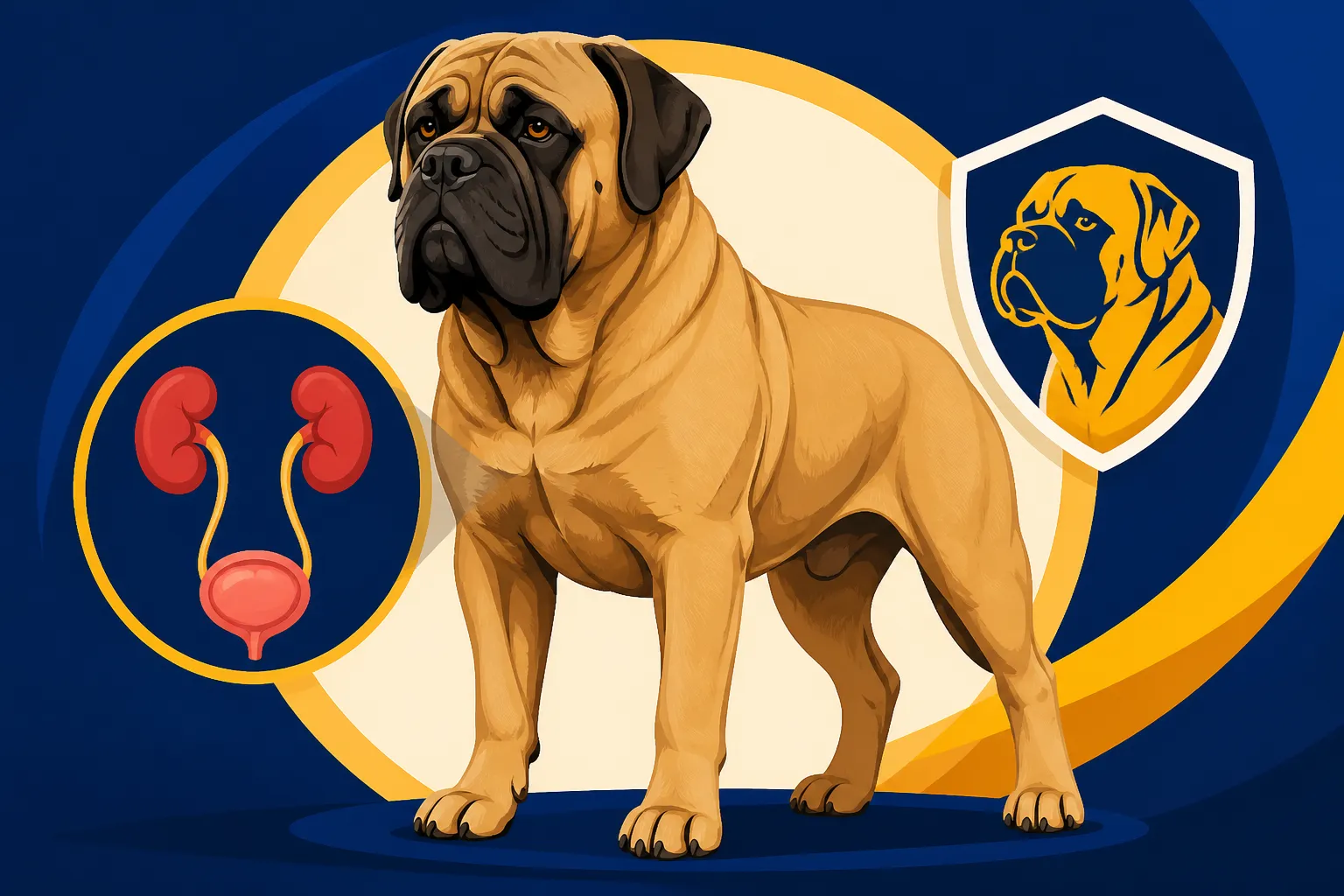
At its core, Cystinuria Type III is a hereditary condition unique to certain breeds, including our beloved Mastiffs, and it's caused by a faulty gene that impacts the transport of specific amino acids in the kidneys. Instead of being reabsorbed back into the bloodstream, these amino acids, primarily cystine, are filtered out into the urine in excessive amounts. Cystine itself isn't very soluble in acidic urine, so when it reaches high concentrations, it starts to crystallize, eventually forming solid stones. These stones can range from tiny grains of sand to significant calculi that completely block the urinary tract. The insidious part is that this isn't just a diet-induced problem; it's rooted deep in their genetic makeup, meaning simple dietary changes aren't always enough without addressing the underlying metabolic issue. It's a condition that demands a comprehensive understanding and proactive management.
Why Intact Male Mastiffs Are Primarily Affected
This is where Cystinuria Type III gets particularly tricky and heartbreaking for owners of male Mastiffs. Unlike some other forms of cystinuria, Type III is "androgen-dependent," meaning male hormones play a crucial role in its manifestation. Studies have shown that the increased levels of testosterone and other androgens in intact (unneutered) male dogs significantly influence the expression of the gene and the severity of the cystine excretion. This is why you'll almost exclusively see this problem in unneutered males, and rarely, if ever, in females or castrated males. The hormonal environment essentially acts as an accelerator for stone formation. This biological reality means that one of the most effective ways to manage or even prevent recurrent stone formation in an affected male is often directly tied to their hormonal status. It's a hard truth, but understanding Why Mastiff Cystinuria is androgen dependent is key to grasping the full scope of the condition and its management. For some owners, the decision around neutering becomes a health imperative rather than just a personal choice.
The Silent Threat of Cystine Stones
The real danger with cystine stones lies in their often-silent progression. Your Mastiff might be forming these stones for months or even years without showing any outward symptoms. Imagine a slow buildup, like sediment in a pipe, until one day, it’s completely blocked. During this asymptomatic phase, tiny crystals are aggregating, forming larger stones that might move from the kidneys down into the bladder and eventually into the urethra. The vast majority of problems arise when these stones cause a partial or complete obstruction of the urethra, the tube that carries urine from the bladder out of the body. Because the male urethra is long and narrow, especially at certain points, it's particularly prone to blockages. This can lead to a sudden, life-threatening emergency, even if there were no noticeable issues just hours before. The potential for sudden, severe complications makes proactive screening and awareness paramount for any intact male Mastiff owner.
Recognizing the Warning Signs of a Blockage
A urinary blockage is an absolute emergency. Knowing what to look for can make all the difference in getting your Mastiff the urgent care they need.
Early, Subtle Indicators
Before a full-blown blockage, there might be some subtle clues that something isn't quite right. These early signs can be easy to miss, especially in a breed as stoic as a Mastiff, but paying close attention can offer a critical window for intervention. You might notice your Mastiff making more frequent attempts to urinate, sometimes producing only a small trickle or nothing at all. They might start licking their genital area excessively, a sign of irritation or discomfort. There could be a change in their urine stream – perhaps it's weaker than usual, or they seem to strain a bit when trying to go. Sometimes, owners report their dog seems generally "off," a little more lethargic, or showing a decreased appetite. Keep an eye out for any reddish or cloudy tint to the urine, which could indicate blood or an abundance of crystals. These small changes, while not always alarming individually, should prompt a call to your vet, especially if you have an intact male Mastiff. Don't dismiss them as just "an off day."
The Critical Symptoms of a Urinary Obstruction
When a complete urinary obstruction occurs, the symptoms become far more dramatic and urgent. Your Mastiff will likely be in visible distress. They will repeatedly attempt to urinate, often hunching their back and straining intensely, but produce little to no urine. Picture your gentle giant trying to go potty, but instead of relief, they're showing clear signs of pain, perhaps whimpering or crying out. They might pace restlessly, seem lethargic, or hide. Abdominal pain, sensitivity when touched near the bladder, and even vomiting are common as toxins build up in their system. Their abdomen might appear distended or feel firm to the touch. In severe cases, they may become weak, collapse, or even go into shock. This isn't just "uncomfortable"; it's a medical catastrophe, rapidly leading to kidney damage, electrolyte imbalances, and ultimately, death if not treated immediately.
Why a Blocked Mastiff Cannot Wait Until Morning
This is perhaps the single most important message for any Mastiff owner: a blocked urinary tract is a dire emergency, and time is absolutely of the essence. You simply cannot wait until morning, or even for an hour, if you suspect your Mastiff is obstructed. When the urethra is blocked, urine cannot exit the body. This means the bladder continues to fill, potentially rupturing, and the kidneys can no longer filter toxins from the blood. These toxins rapidly build up, poisoning your dog's system and leading to acute kidney failure, severe electrolyte imbalances (particularly potassium, which can stop the heart), and irreversible damage to internal organs. Within hours, your Mastiff can go from showing discomfort to being critically ill or even succumb to the condition. This is not a situation where you can "watch and wait." If it's the middle of the night, you need to find an emergency veterinary clinic immediately. As we often emphasize, Why a blocked Mastiff cannot wait until morning is about understanding the rapid progression to a fatal outcome.
Diagnosis and Initial Management
Once you suspect a problem, prompt veterinary attention is crucial for an accurate diagnosis and immediate intervention.
How a Mastiff's Cystine Stones Are Found
When you bring your Mastiff to the vet with suspected urinary issues, the diagnostic process usually begins with a thorough physical examination. The vet will likely palpate your dog's abdomen, checking for a distended or painful bladder. A urinalysis is often the first and most critical test. This involves collecting a urine sample (often via cystocentesis, directly from the bladder with a needle, to avoid contamination) and analyzing it under a microscope. In cases of cystinuria, the urinalysis may reveal the characteristic hexagonal cystine crystals, though their absence doesn't rule out the condition as stones can form without visible crystals.
Beyond urinalysis, imaging is key. X-rays can often identify cystine stones in the bladder or urethra, though some types of stones are "radiopaque" (visible on X-ray) while others are not. Therefore, an ultrasound of the bladder and kidneys is often a more definitive tool. Ultrasound allows the veterinarian to visualize the size, number, and location of stones, as well as assess the health of the bladder wall and kidneys. In some cases, a contrast study (where dye is injected to highlight the urinary tract) might be performed. Ultimately, for a definitive diagnosis of cystinuria, stone analysis is required once stones have been removed. This confirms the specific type of stone, which is vital for guiding long-term prevention. Learning How a Mastiff's cystine stones are found involves a combination of these precise diagnostic techniques.
Emergency Procedures for a Blockage
If your Mastiff is indeed suffering from a urinary blockage, the immediate priority is to relieve the obstruction. This is often achieved through catheterization. Under sedation or general anesthesia, a urinary catheter is carefully inserted into the urethra to bypass or push the stone back into the bladder. Sometimes, hydropropulsion, a technique using fluid pressure, can help flush smaller stones back into the bladder where they can be more easily managed or removed surgically later. It's a delicate procedure, especially in a large breed like a Mastiff where the anatomy can be challenging.
Once the blockage is cleared, the catheter may be left in place for a day or two to allow the urethra to heal and to ensure continuous urine flow, preventing immediate re-obstruction. Your Mastiff will likely be hospitalized during this critical period.
Stabilizing a Critically Ill Mastiff
Relieving the blockage is only the first step. Critically ill Mastiffs suffering from a urinary obstruction will require intensive supportive care to stabilize their system. This includes intravenous fluid therapy to rehydrate them, flush out toxins, and help correct any electrolyte imbalances. Blood tests will be performed to monitor kidney function and electrolyte levels, especially potassium, which can dangerously elevate and affect heart rhythm. Pain management is also crucial; these dogs are often in significant discomfort, and appropriate pain relief will be administered.
Antibiotics may be given to prevent or treat secondary urinary tract infections, which are common complications with stones and blockages. The veterinary team will closely monitor your Mastiff’s vital signs, urine output, and overall condition. It’s a challenging time, and the goal is to get your dog stable enough to consider long-term treatment options, which may include surgery or medical dissolution of the stones. This period of stabilization is vital to give your Mastiff the best chance at recovery, especially given the rapid decline that can occur with a urinary blockage.
Long-Term Treatment and Prevention Strategies
Managing Cystinuria Type III is a lifelong commitment, requiring a multifaceted approach to prevent recurrence and keep your Mastiff healthy.
Dietary Modifications for Cystine Stone Prevention
Diet plays a crucial, though not singular, role in managing cystinuria. The primary goal of dietary changes is to reduce the concentration of cystine in the urine and to make the urine more alkaline, which helps prevent cystine from crystallizing. This means a diet that is typically low in protein, as protein contains the building blocks (amino acids, including methionine, a precursor to cystine) that contribute to cystine production. However, it's a delicate balance; Mastiffs are large, muscular dogs and still require adequate protein for muscle maintenance, so "low protein" doesn't mean "no protein."
Your vet will likely recommend a prescription therapeutic diet specifically formulated for urinary stone prevention, such as those designed for urate or cystine stones. Brands like Hill's Prescription Diet u/d, Royal Canin Urinary SO, or Purina Pro Plan Veterinary Diets UR Urinary St/Ox are often prescribed. These diets are not only lower in certain protein components but also contain ingredients that help alkalinize the urine, shifting the pH to a range where cystine is more soluble. It's important to stick strictly to this diet and avoid giving any treats or table scraps that could undermine its effectiveness. It's worth noting that Whether diet alone controls Mastiff cystinuria is usually "no" for Type III; it's a critical component, but rarely sufficient on its own due to the genetic and androgenic factors involved.
Pharmaceutical Interventions and Their Role
Beyond diet, specific medications are often necessary to effectively manage Cystinuria Type III, especially in intact males or those with recurrent stone formation. The most commonly prescribed drugs are called thiol-binding drugs, such as D-Penicillamine or more recently, Thiola (tiopronin). These medications work by chemically binding to cystine in the body, forming a more soluble compound that is less likely to crystallize and form stones in the urine. This process essentially "cleans up" the excess cystine, allowing it to be excreted safely.
These drugs are potent and require careful monitoring by your veterinarian due to potential side effects, which can include gastrointestinal upset, skin rashes, or even more serious issues like bone marrow suppression. Regular blood work and urinalysis will be necessary to ensure the medication is working effectively and that your Mastiff is tolerating it well. The dosage will be tailored to your dog's specific needs and adjusted based on follow-up test results. While these drugs can be very effective, they represent a significant, ongoing cost and commitment. Knowing Which drug dissolves a Mastiff's cystine stones is crucial, but equally important is understanding the diligent care and monitoring required when using them.
The Pivotal Role of Neutering in Management
For intact male Mastiffs with Cystinuria Type III, neutering is often considered one of the most effective and often curative interventions. Because this specific type of cystinuria is androgen-dependent, removing the source of these male hormones (testosterone) can dramatically reduce or even eliminate cystine excretion in the urine. This means the chemical environment for stone formation is fundamentally altered.
Many veterinarians will strongly recommend neutering for affected intact males once they are stable after an acute blockage. The timing of neutering is a significant consideration, especially for large breeds like Mastiffs where early neutering can have other orthopedic implications. However, the life-threatening nature of recurrent urinary blockages often outweighs these concerns. For many owners, the peace of mind knowing that their beloved Mastiff's risk of stone formation is drastically reduced makes the decision clear. Indeed, the question of Whether neutering resolves a Mastiff's cystinuria is often answered with a resounding "yes" for Type III, making it a cornerstone of long-term management and prevention. It essentially helps to turn off the hormonal trigger that drives the problem.
Living with a Cystinuric Mastiff
Caring for a Mastiff with Cystinuria Type III involves constant vigilance and a structured routine to maintain their health and prevent future episodes.
Ensuring Adequate Hydration
One of the simplest yet most effective ways to help manage cystinuria is to ensure your Mastiff is consistently well-hydrated. Increased water intake helps dilute the urine, which in turn lowers the concentration of cystine and makes it less likely to crystallize. Think of it like trying to dissolve sugar in a glass of water – more water makes it easier to dissolve. This means always having multiple fresh water sources available throughout your home. Consider adding water to their kibble or feeding wet food to increase their daily fluid intake. Some owners even use pet drinking fountains to encourage more drinking, as the flowing water can be more enticing.
The more diluted your Mastiff's urine, the less opportunity cystine has to clump together and form stones. This is particularly important for Mastiffs who may already have a predisposition to hold their urine longer or have less frequent potty breaks. Consistently providing access to clean, fresh water is non-negotiable. It’s a small, daily effort that can have a huge impact on their urinary health and overall well-being. Understanding How much water a cystinuric Mastiff needs is paramount – it's often more than you think.
Regular Monitoring and Follow-Up Care
Living with a cystinuric Mastiff means embracing a routine of diligent monitoring and regular veterinary check-ups. This isn't a "set it and forget it" kind of condition. Your vet will likely recommend frequent urinalysis (every 3-6 months, or more often initially) to check urine pH, specific gravity, and look for any new crystals or signs of infection. Blood tests will also be crucial, especially if your Mastiff is on medications like Thiola, to monitor kidney and liver function and ensure the drug isn't causing adverse effects.
Imaging, such as X-rays or ultrasounds, may be performed periodically to check for the recurrence or growth of stones, even if your dog isn't showing symptoms. At home, you'll need to be an observant advocate for your Mastiff. Keep a close eye on their urination habits: note frequency, stream strength, and any straining or discomfort. Any change should be reported to your vet immediately. This proactive approach helps catch potential problems early, before they escalate into life-threatening blockages. This continuous vigilance is just part of the journey in providing comprehensive care.
Managing the Emotional and Financial Toll
Let's be real: managing a chronic condition like Cystinuria Type III in a giant breed like a Mastiff is not only emotionally taxing but also a significant financial burden. The initial emergency treatment for a blocked Mastiff can be thousands of dollars, easily. Surgical removal of stones (cystotomy) or ongoing medication and specialized diet costs add up rapidly. Imagine facing an emergency veterinary bill of $5,000 to $10,000, and then realizing this could happen again without diligent management. What a Mastiff's weight does to every line on the vet invoice is considerable, from anesthesia to medication doses.
This is where pet insurance can be a lifesaver. Companies like Healthy Paws offer comprehensive plans that can cover a significant portion of emergency care, specialist visits, diagnostic tests, and even some prescription medications for chronic conditions, provided the condition isn't pre-existing. It's truly something to consider early in your Mastiff's life, as once a diagnosis is made, it typically becomes a pre-existing condition and won't be covered by a new policy. The emotional stress of seeing your beloved companion in pain, coupled with the financial strain, is immense. Having a plan, whether it's through a dedicated savings account or a robust pet insurance policy like those offered by Healthy Paws, can alleviate some of that stress and allow you to focus on your Mastiff's well-being.
Breeding Considerations and Genetic Testing
Understanding the hereditary nature of Cystinuria Type III is paramount for responsible Mastiff breeding and for preventing the spread of this debilitating condition.
The Genetic Test That Identifies Carriers
Because Cystinuria Type III is a genetic condition, a specific DNA test is available to identify affected dogs, carriers, and clear dogs. This test, often performed via a simple cheek swab, screens for the specific genetic mutation responsible for the condition in Mastiffs. For breeders, this is an invaluable tool, allowing them to make informed decisions about breeding pairs. A dog that tests "clear" does not carry the mutation and cannot pass it on. A "carrier" carries one copy of the gene; they typically do not develop the disease themselves (especially females or neutered males) but can pass the mutation to their offspring. An "affected" dog carries two copies of the gene and is at high risk of developing cystinuria if intact and male.
Utilizing this test is a crucial step in responsible breeding practices for Mastiffs. Reputable breeders will test their breeding stock and share the results transparently. It helps to ensure that no two carriers are bred together, which would produce affected puppies. For potential puppy buyers, asking to see the genetic test results for both parents is non-negotiable. Knowing Whether the Cystinuria marker test is reliable in Mastiffs helps breeders confidently assess risk. This proactive testing is how we collectively work towards reducing the incidence of this painful disease in future generations.
Why a Cystinuric Mastiff Is Removed From Breeding
Given the genetic nature of Cystinuria Type III, any Mastiff diagnosed with the condition, or identified as a carrier, should be responsibly removed from breeding programs. This isn't a punitive measure but an ethical imperative to protect the breed and prevent the unnecessary suffering of future puppies. Breeding an affected dog or a carrier increases the likelihood of producing more affected individuals or carriers within the population.
Even if an affected male is neutered and successfully managed, he still carries the genetic mutation and would pass it on to 100% of his offspring if bred. Similarly, breeding two carriers together statistically results in 25% affected offspring, 50% carriers, and 25% clear. Responsible breeders understand that the health and welfare of the breed supersede any individual dog's show potential or perceived value as a breeding animal. This commitment to genetic health is a cornerstone of ethical breeding, aligning with guidelines often supported by breed clubs and health organizations. The importance of Why a cystinuric Mastiff is removed from breeding cannot be overstated in controlling the prevalence of this devastating disease.
Understanding Inheritance Patterns
Cystinuria Type III in Mastiffs is generally considered to have an autosomal recessive inheritance pattern with incomplete penetrance, especially in females. What does that mean in plain English? "Autosomal recessive" means that a dog needs to inherit two copies of the mutated gene (one from each parent) to be "affected" and at risk of developing the clinical disease. If a dog inherits only one copy of the mutated gene and one normal gene, it is considered a "carrier." Carriers typically do not show symptoms themselves but can pass the mutated gene to their offspring.
The "incomplete penetrance" aspect, particularly for females, refers to the fact that even if a female inherits two copies of the mutated gene, she might not develop stones, or if she does, it would be much rarer and less severe due to the absence of high androgen levels. The strong androgen-dependency is what makes it so predominantly a male issue. Understanding these patterns is critical for breeders to responsibly plan matings, aiming to only breed clear dogs or to breed a clear dog with a carrier, ensuring no affected puppies are produced and slowly phasing the gene out of the breeding population. It’s a genetic puzzle that requires careful and informed management to ensure healthier Mastiff generations.
What Stone Surgery Costs on a Mastiff
When medical management isn't enough or a blockage is too severe, surgery becomes necessary, and the costs associated with it can be daunting for Mastiff owners.
Factors Influencing Surgical Costs
The cost of urinary stone surgery (known as a cystotomy if the stones are in the bladder, or urethrostomy if a permanent opening is needed for recurrent urethral blockages) for a Mastiff can vary dramatically based on several factors. First, the size and complexity of your Mastiff play a huge role; How much anesthetic a two hundred pound Mastiff takes alone can be significantly higher than for a smaller dog. This impacts not only the drugs used but also the monitoring equipment and personnel required. Second, the geographic location of the veterinary clinic is a major factor, with costs generally higher in metropolitan areas compared to rural ones. Third, whether the surgery is performed at a general practice or a specialty referral hospital (which is often recommended for complex cases in giant breeds) will influence the price. Specialty clinics often have advanced equipment, more experienced surgeons, and 24-hour critical care monitoring, all of which come at a premium.
Lastly, the severity of the obstruction, the number and size of the stones, and the overall health status of your Mastiff will impact the surgical time, recovery needs, and potential complications. A straightforward cystotomy might range from $2,500 to $5,000, but a complex, emergency procedure involving an obstructed, critically ill Mastiff requiring an overnight stay, specialized monitoring, and follow-up care could easily soar past $7,000 or even $10,000. It's a sobering reality, but being prepared for What stone surgery costs on a Mastiff is an essential part of responsible ownership.
Post-Operative Care and Potential Complications
Surgery is a major undertaking for any dog, especially a giant breed like a Mastiff. Post-operative care is crucial for a successful recovery and involves several key components. Your Mastiff will likely need pain medication, antibiotics to prevent infection, and possibly anti-inflammatory drugs. They will need to wear an Elizabethan collar (the "cone of shame") to prevent them from licking or chewing at their incision site, which can cause infection or dehiscence (the incision opening up). Strict rest and limited activity will be essential for several weeks to allow internal tissues to heal. This can be challenging with a large, active dog who doesn’t understand why they can’t run and jump.
Unfortunately, complications can arise. Infections are a risk, as is the potential for the incision to open. More concerning, especially with cystine stones, is the risk of recurrence. Even with successful surgery, if the underlying metabolic and hormonal issues are not addressed through diet, medication, and/or neutering, new stones can form. This is why immediate follow-up with preventative measures is critical. Regular urinalysis and imaging will be necessary in the months following surgery to monitor for new crystal or stone formation. It's a long road to recovery and ongoing management.
Financial Planning and Support
Given the potential for high costs associated with Cystinuria Type III, particularly surgical interventions, robust financial planning is essential for Mastiff owners. Relying solely on emergency savings might not be enough, especially if recurrent issues arise. As mentioned, pet insurance, such as policies from Healthy Paws or other reputable providers, can be an invaluable safety net. It's best to enroll your Mastiff when they are young and healthy, before any conditions like cystinuria are diagnosed, to ensure coverage for future issues.
Beyond insurance, consider establishing a dedicated emergency fund for your Mastiff. Even $50-$100 set aside each month can add up to a substantial amount over time. If you find yourself in an emergency situation without adequate funds, don't hesitate to speak with your veterinary clinic about payment plan options, or look into veterinary credit cards like CareCredit, which offers deferred interest plans. There are also some animal welfare organizations and breed-specific rescues that may offer financial assistance for specific medical conditions, though these resources can be limited. Proactive financial preparation can make a profound difference when facing the high veterinary costs that often accompany giant breed ownership and serious health conditions.
Disclaimer
The information provided in this article is intended for general informational purposes only and does not constitute veterinary advice. Always consult with a qualified veterinarian for any health concerns or before making any decisions related to your Mastiff's health and treatment.