Why a Mastiff Was Chained by Day
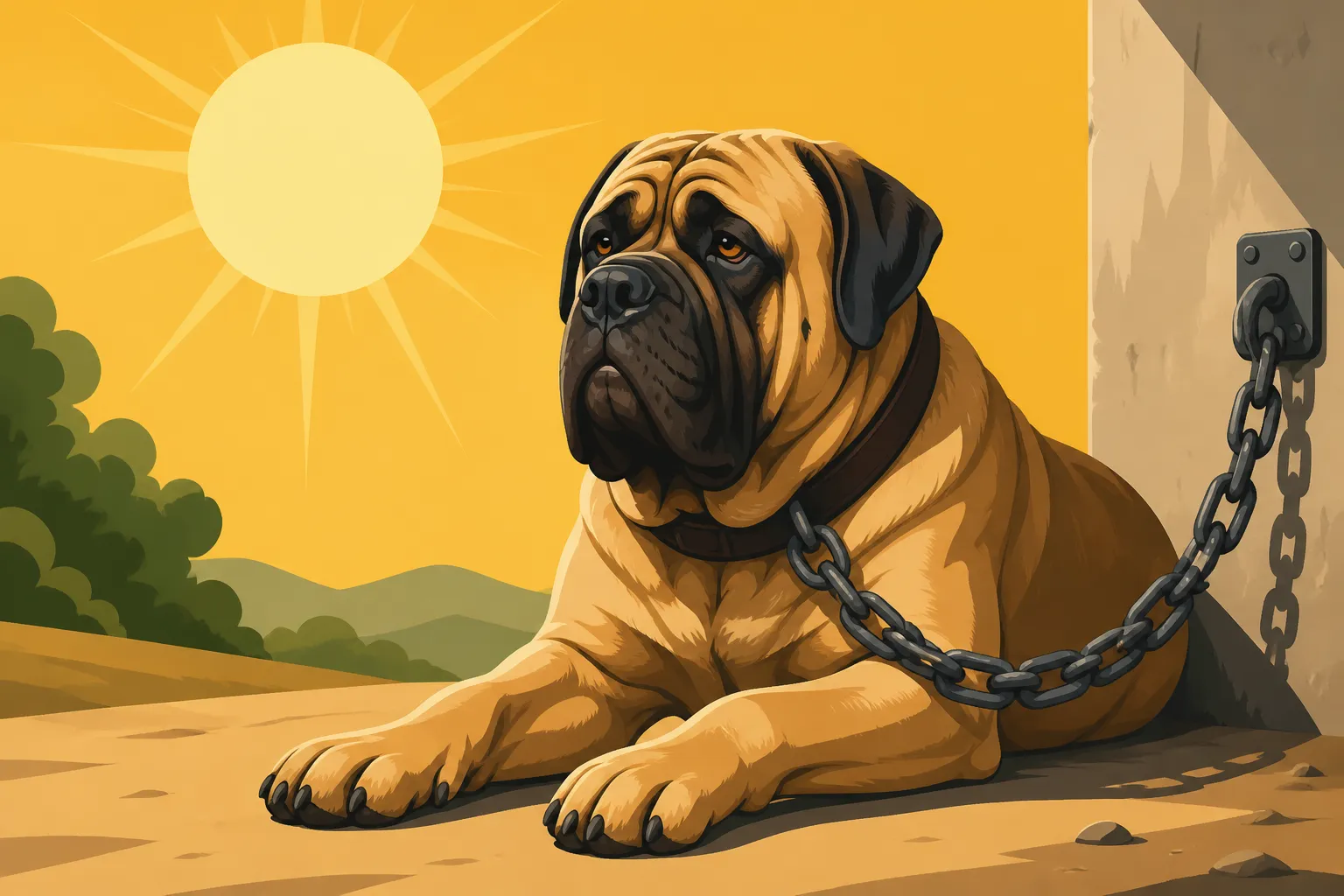
It’s easy to look at our gentle giant Mastiffs today, curled up on the sofa or politely accepting a treat, and wonder how anyone could have ever thought of chaining them. This imagery of a powerful, stoic dog being restrained by a heavy chain is, sadly, a deeply rooted part of their history. The truth is, the practice of chaining Mastiffs by day, while unthinkable for most responsible owners now, served very specific, albeit harsh, purposes in a bygone era, reflecting a vastly different understanding of dog ownership and the Mastiff's role in society. This guide will delve into the historical context, the practical reasons behind this practice, and how our understanding and care for these magnificent dogs have thankfully evolved.
The Historical Role of the Mastiff: More Than Just a Pet
To understand why a Mastiff might have been chained, we first need to appreciate that their historical role was far from that of a modern house pet. These dogs were workers, protectors, and guardians, often viewed as essential assets rather than cherished family members, though affection undoubtedly existed. Their immense size and formidable presence were their primary tools, and their temperament was shaped by the demands of their duties.
Ancient Origins and Working Duties
The ancestors of the modern Mastiff have a long and storied history, stretching back to ancient times. These were the mighty Molossian hounds of antiquity, used by the Romans and other cultures as war dogs and guardians of livestock and property. When Roman legions eventually made their way to Britain, they brought these powerful dogs with them, and it’s believed these dogs interbred with native British dogs, eventually giving rise to the Mastiff we recognize today. You can learn more about How Roman Troops Brought Mastiffs to England. For centuries, the Mastiff type dog was synonymous with protection. They weren't bred for agility or obedience competitions, but for their sheer power, bravery, and imposing presence. Their job was often solitary and demanding, requiring them to be vigilant and ready to defend.
The Estate Guardian's Job
In medieval and post-medieval England, Mastiffs became the quintessential estate guardians. Imagine sprawling country estates, often isolated, with valuable livestock, crops, and even family members needing protection from wild animals, bandits, and poachers. A Mastiff, or often several, was the first line of defense. Their immense size alone was a deterrent. They patrolled the grounds, particularly after dark, and their deep, resonant bark was enough to make any unwelcome visitor think twice. This active guarding role meant they needed to be managed during the day to prevent accidental harm to authorized visitors or to keep them from wandering off. Their protective instincts, so valuable at night, needed containment during daylight hours when human activity on the estate was higher.
Why Chaining Was a Practical Necessity and a Sad Reality
Given their demanding role and formidable nature, chaining the Mastiff during the day was seen not as cruelty, but as a practical, albeit harsh, method of management. It was a reflection of the prevailing attitudes towards working dogs and the specific challenges of controlling such powerful animals in an era without modern fencing or training techniques.
Deterrence and Control
A full-grown Mastiff is an impressive sight, easily weighing over 200 pounds. Without modern training methods focused on positive reinforcement and impulse control, their sheer power could be unmanageable. Chaining them provided an undeniable physical restraint. It ensured that during the day, when laborers, visitors, or family members might be moving freely around the estate, the Mastiff couldn't inadvertently injure someone or chase livestock. It also served as a visible deterrent. A large, chained Mastiff was a clear warning: "This property is protected." The chain itself symbolized their power, yet also their contained ferocity, ready to be unleashed when needed. For instance, in historical accounts, Mastiffs were often associated with guarding specific areas, like castle gates or the edges of a manor's property. You might hear tales of The English Castles Mastiffs Guarded, where their presence was as much a part of the defense as the stone walls themselves.
Preventing Roaming and Poaching
These estates often bordered vast wilderness or other properties, and unchecked, a Mastiff could roam significant distances. Such wandering could lead to conflicts with neighbors, harm to local wildlife, or the dog itself becoming lost or injured. More importantly, it ensured the dog was present and ready for its primary duty. Poaching was a serious problem, particularly for game animals. A loose Mastiff during the day might chase non-threatening animals or even wander off-property and fail to deter a nocturnal poacher. The chain kept them confined to their designated areas, conserving their energy and focus for their evening patrols. In some ways, it was a crude form of inventory management for a living asset.
Protection During the Day, Freedom at Night
The most crucial reason for daytime chaining was directly tied to their job description: night-time guardian. It was a common practice to keep the Mastiffs chained or confined to a kennel during the day, only to release them to roam the property freely once darkness fell. This ensured maximum vigilance and territorial behavior when threats were most likely to emerge. During daylight, the estate staff and family would move about without fear of confrontation, but come nightfall, the Mastiffs became the undisputed masters of the grounds. This cycle of daytime restraint and nighttime release allowed the Mastiffs to be effective protectors without posing a constant threat to those permitted on the property during the day. This duality of their existence highlights the utilitarian view of these animals—a tool for security, rather than a constant companion.
The Evolution of Mastiff Care and Modern Ethics
Thankfully, our understanding of animal welfare, canine behavior, and responsible ownership has evolved dramatically. The practices of the past, while historically explainable, are no longer acceptable or necessary. Modern Mastiffs live vastly different lives, benefiting from ethical breeding, thoughtful training, and a place as cherished family members.
Changing Social Norms and Animal Welfare
The concept of animal rights and welfare has gained significant traction over the last century, profoundly changing how we view and treat our pets. Prolonged chaining, once a common practice for many working dogs, is now widely condemned by animal welfare organizations and is illegal in many places. We understand that chaining can lead to severe behavioral problems, physical discomfort, and psychological distress. A chained dog is often a frustrated, under-socialized, and potentially aggressive dog. This shift reflects a move away from viewing dogs purely as tools or property, towards recognizing them as sentient beings with emotional and physical needs. The gentle giants we welcome into our homes today are products of this ethical evolution, carefully bred for temperament and nurtured with care.
Modern Mastiffs: Companions, Not Chain Dogs
Today’s Mastiff is cherished for its calm demeanor, unwavering loyalty, and gentle nature within the family unit. They are, first and foremost, companions. While their protective instincts remain, they are channeled through appropriate training and socialization, not through harsh restraint. The goal for a modern Mastiff owner is a well-adjusted, confident dog that can discern genuine threats from everyday occurrences. They are often found lounging inside, participating in family activities, and enjoying regular, supervised exercise. This transition from a chained guard dog to a beloved family member is a testament to both their adaptability and the dedication of breeders and owners who prioritize their well-being. A modern Mastiff owner often finds their greatest joy in the quiet companionship, knowing that their dog would still stand by them if needed, but does so from a place of love, not forced duty. They are truly part of the family, often demanding the biggest What an Orthopedic Bed for a Mastiff Costs to stretch out on!
Responsible Ownership in the Modern Era
Responsible Mastiff ownership today involves providing secure, spacious living conditions, consistent positive reinforcement training, and ample socialization. Instead of chains, we use sturdy fencing, secure yards, and proper leashes and harnesses for walks. Products available from retailers like Chewy offer everything from durable crates to enriching toys, allowing owners to manage their Mastiffs safely and humanely within modern homes.
Key aspects of modern Mastiff care include:
- Secure Containment: A physically secure yard with appropriate fencing is paramount. For indoor confinement, a strong, giant-breed-appropriate crate can be a valuable tool for house training or safe transport, but never for prolonged isolation.
- Early Socialization and Training: Starting early with a Mastiff puppy is crucial, as they grow so quickly. Teaching a Mastiff Before It Outweighs You is key. Exposing them to a variety of people, places, and other animals in a controlled, positive manner helps them develop into confident, well-adjusted adults.
- Appropriate Exercise: While Mastiffs aren't high-energy dogs, they do need regular, moderate exercise to stay healthy and happy. This means supervised walks and playtime, respecting their joint health, particularly as puppies. Understanding The Age a Mastiff Can Start Real Walks is important to prevent injury.
- Mental Stimulation: Engaging their minds with puzzle toys, scent work, or short training sessions can prevent boredom and destructive behaviors.
- Understanding Breed Traits: Mastiffs are naturally watchful and can be reserved with strangers. Their protective instincts are innate, but they need to be managed and guided. Learning How a Mastiff Judges a Stranger at the Door is part of understanding your dog. They are not prone to excessive barking, as covered in How Rarely a Mastiff Barks, but they are always aware.
- Health Considerations: Given their large size and relatively Six to Ten Years Is What a Mastiff Gets, they have specific health needs and higher vet bills. You'll quickly discover What a Mastiff's Weight Does to Every Line on the Vet Invoice. Planning for this is a major part of responsible ownership today. You should always be prepared for The Mastiff's Short Life Buys the Biggest Bills.
Modern Mastiffs still embody the loyalty and protective spirit of their ancestors, but they do so as cherished members of our families, free from the indignity of a chain. It’s a powerful reminder of how far we’ve come in recognizing the true value and needs of these magnificent dogs.
Disclaimer
This article is for general informational purposes only and does not constitute professional advice. Laws, prices and regulations vary by location and change over time. Consult a qualified professional for guidance on your specific situation.