Whether Mastiffs Were Used as War Dogs
It's easy to look at the sheer size and imposing presence of a Mastiff and immediately conjure images of them charging into battle, armor glinting, a formidable force on ancient fields. Many people wonder if these magnificent giants were truly the war dogs of antiquity, used by Romans or other ancient armies. This guide will delve into the historical records, archaeological evidence, and the evolution of dog breeds to separate fact from romanticized fiction, exploring the true history of Mastiff-type dogs in warfare and their eventual transition into the gentle giants we know and love today.
The Ancient Origins of War Dogs and Mastiff-Types
The concept of using dogs in warfare is as old as civilization itself, stretching back thousands of years before the modern Mastiff breed even began to take shape. These were not always the "Mastiffs" as we understand them today, but rather large, powerful dogs, often referred to as "Molossus-types," that shared a common lineage with many of the ancient heavy guarding breeds.
Early Mentions and Assyrian Reliefs
Some of the earliest and most compelling evidence of dogs in battle comes from the ancient Assyrians, a formidable Mesopotamian empire known for its military prowess. Depictions on ancient stone reliefs, dating back as far as the 7th century BCE, clearly show large, muscular dogs accompanying soldiers into combat or guarding prisoners. These impressive canines were powerful, with broad heads and strong bodies, bearing a striking resemblance to the ancestral types that would eventually lead to modern Mastiffs. They weren't just for show; these dogs were an active part of military strategy, used to flush out enemies, act as sentinels, and instill fear. Their presence alone would have been a psychological weapon, intimidating foes who had never encountered such animals in a martial context. The Assyrians understood the raw power these dogs possessed, valuing them not only for their strength but also for their unwavering loyalty and protective instincts. The Assyrian Carvings That Show Mastiff Type Dogs offer a fascinating glimpse into this ancient practice.
These early "war dogs" were likely bred for their size, ferocity, and protective nature, qualities that are still admired in Mastiffs today, albeit channeled differently. They were not pets in the modern sense, but working animals, integral to the army's function and survival. Their breeding would have focused on traits that enhanced their effectiveness in skirmishes and guarding duties, favoring strength, courage, and an intimidating demeanor. Understanding these origins helps us trace the deep roots of the Mastiff lineage, even if the specific appearance and temperament have evolved significantly over millennia.
The Roman Empire and Their Canine Legions
The Romans, ever the pragmatists and keen adopters of effective military tactics, also made extensive use of war dogs, incorporating them into their vast legions. As their empire expanded, they encountered and subsequently adopted large, powerful dogs from conquered territories, most notably the Molossus dogs from Greece and the impressive native dogs of Britain. These animals were not just mascots; they had specific, if varied, roles on the battlefield. Some accounts describe them being sent in waves ahead of soldiers, intended to break enemy lines, harass troops, or simply disorient and frighten. What Mastiffs Fought in the Colosseum even tells us about their use in more brutal spectacles, showcasing their strength and ferocity.
These Roman war dogs were sometimes outfitted with spiked collars or even light armor, turning them into mobile, aggressive weapons. Their deployment required strategic planning; they weren't simply unleashed haphazardly. They served as sentries in camps, trackers on patrols, and, in certain engagements, as shock troops. While not every Roman legion would have marched with hundreds of war dogs, their presence was significant enough to be recorded by historians and depicted in art. It's fascinating to consider How Roman Troops Brought Mastiffs to England, introducing their own Molossus-types and encountering the indigenous British dogs, likely contributed to the gene pool that would eventually become the Old English Mastiff. The Romans saw the value in these massive canines, recognizing their ability to amplify the intimidating power of their forces.
Mastiffs in Britain: From Battlefields to Estate Guardians
The story of the Mastiff in Britain is a long and storied one, deeply intertwined with the island's history, from ancient encounters with Roman invaders to their eventual role as formidable guardians of estates and homes. The term "Mastiff" itself has a rich heritage, evolving from a general descriptor of large, powerful guarding dogs.
British Mastiffs and Caesar's Observations
When Julius Caesar landed on the shores of Britannia in 55 BCE, he and his Roman legions encountered not only fierce Celtic warriors but also their equally formidable dogs. Historical accounts suggest that these native British canines were large, robust, and fearless, making a strong impression on the Roman invaders. Caesar himself, in his writings, may have alluded to these powerful dogs, describing the Britons' use of animals in their defense. What Caesar Wrote About British Mastiffs speaks to the strength and courage of these ancient British Mastiff-types. While not "Mastiffs" in the modern breed sense, these were undoubtedly the ancestors, dogs bred for strength, protective instincts, and a certain degree of resilience suitable for the rugged British landscape.
These ancient British dogs likely served a dual purpose: protecting livestock and homes from predators and thieves, and, when necessary, joining their human companions in battle. Their intimidating size and fearless nature would have made them valuable assets in tribal conflicts, acting as a deterrent and a physical force. The Romans were so impressed by these canines that they reportedly took many back to Rome, where they were crossed with their own Molossus dogs, contributing to the diverse lineage of large working dogs across the empire. This exchange of genetics and purpose laid crucial groundwork for the development of what we now recognize as the Mastiff breed.
The Transition to Guard Dogs
As centuries passed and the nature of warfare evolved, the direct combat role for large dogs like the Mastiff began to diminish. Medieval European warfare became more organized, with formations of knights, archers, and pikemen, where a large, independent dog was less strategically effective than in ancient skirmishes. Instead, the Mastiff-type found its true calling closer to home: as an unparalleled guardian. These dogs became indispensable protectors of vast estates, manors, and properties throughout Britain. The English Castles Mastiffs Guarded tells us about this shift, where their immense size and inherent protective instincts were perfectly suited to deterring poachers, brigands, and any unwelcome intruders.
The legendary Lyme Hall in Cheshire, England, is a prime example of this transition. Lyme Hall Kept Mastiffs Longer Than Any Any Kennel on Earth, breeding and maintaining their distinct strain of Mastiffs for centuries, specifically for their guarding prowess. These dogs were revered for their loyalty, strength, and intimidating presence, becoming symbols of wealth and security for the aristocracy. Their role was not to charge into a battle line but to stand sentinel, a living, breathing alarm system and a formidable last line of defense. The Mastiff's intelligence and discerning nature meant they could distinguish between friend and foe, making them invaluable for protecting property and family without being indiscriminately aggressive. This era solidified the Mastiff's reputation as a noble and devoted guardian, a role that continues to define the breed's character today.
The Reality of Dogs in Medieval and Early Modern Warfare
While the image of massive dogs fearlessly charging into medieval battles is a compelling one, the reality was often more nuanced. The logistical challenges and the changing tactics of warfare meant that dogs, especially Mastiff-types, had a different, often more supportive, role than their ancient counterparts.
Limited Direct Combat Roles
During the medieval and early modern periods, the grand, open-field battles of antiquity largely gave way to more structured combat, siege warfare, and skirmishes involving specific weapon sets like longbows, pikes, and early firearms. In such environments, a large dog, while intimidating, was difficult to control and could easily become a liability. Imagine trying to maneuver a couple of hundred pounds of determined, powerful dog through a phalanx of pikemen or an arrow storm – it just wasn't practical or efficient. Dogs could not wear extensive armor or wield weapons, and their inability to understand complex commands in the chaos of battle made them unreliable as direct combatants. The sheer logistical challenge of feeding, training, and deploying large numbers of such dogs in a sustained campaign was also immense.
Furthermore, the focus shifted from raw shock value to disciplined formations and strategic maneuvers. A dog's instinct is to react to immediate threats, which isn't always conducive to maintaining a battle line or executing a flank. While individual acts of canine bravery undoubtedly occurred, the widespread, organized deployment of Mastiff-type dogs as front-line fighters, as seen in some ancient cultures, became less common. Their incredible strength was better utilized in other ways, leading to a specialization of roles that moved them away from the direct clash of steel and flesh. How the Mastiff Was Bred Away From Fighting reflects this evolution, as their utility shifted.
Support and Deterrent Roles
Despite their limited direct combat roles, Mastiff-type dogs still maintained an important, albeit different, presence in military contexts throughout the medieval and early modern eras. Their primary value lay in their unparalleled abilities as sentinels and deterrents. A large, powerful dog tethered near a camp or patrol perimeter would instantly raise the alarm at the approach of strangers, providing an early warning system that human guards might miss, particularly in the dead of night. Their deep bark and formidable size were often enough to scare away opportunistic thieves or scouts, making them invaluable for securing provisions and protecting personnel.
Beyond guarding, these dogs could be used for tracking wounded soldiers or escaping enemies, a skill that remained vital in the often-rough terrains of historical battlefields. They also served a psychological role: the sight of a massive, growling dog accompanying a patrol or standing guard could instill a healthy dose of fear in opponents, especially those unfamiliar with such animals. Perhaps one of the most famous examples, even if partially legendary, is the story of Sir Piers Legh at the Battle of Agincourt in 1415. As the tale goes, after Legh was gravely wounded, his Mastiff-type dog stood guard over him, protecting him until help arrived. What a Mastiff Did at Agincourt in 1415 and Who Sir Piers Legh Was to the Mastiff illustrate this powerful image of loyalty and protection. This kind of unwavering devotion and protective instinct is a hallmark of the Mastiff breed, even if their days on the battlefield became more about vigilance than direct engagement.
Modern War Dogs vs. Ancient "Mastiffs": A Different Breed of Service
The term "war dog" has evolved dramatically over time, reflecting changes in military strategy, technology, and our understanding of canine capabilities. Today's military working dogs bear little resemblance in their specific roles to the Mastiff-type dogs of antiquity.
Specialized Modern Military Dogs
When we talk about "war dogs" or "military working dogs" (MWDs) today, we're generally referring to highly trained breeds like German Shepherds, Belgian Malinois, and Labrador Retrievers. These dogs are selected and trained for very specific, specialized tasks that are integral to modern military operations. They excel in detection work, sniffing out explosives, narcotics, or even human remains, a skill far removed from simply charging an enemy line. They are also vital for patrol and apprehension, using their speed, agility, and bite work to track and subdue suspects, often in dangerous situations. The emphasis is on precision, control, and the ability to operate effectively within complex human-led teams.
These modern MWDs undergo rigorous training regimes, learning to navigate diverse environments, respond to hand signals and verbal commands, and adapt to high-stress situations. Their gear includes specialized harnesses, protective vests, and communication systems. The breeds chosen are typically those known for their intelligence, trainability, drive, and resilience, traits that allow them to perform demanding jobs with remarkable consistency. They are companions and partners to their handlers, forming incredibly strong bonds, and their contribution to military and law enforcement operations is invaluable, a testament to the evolving understanding of how dogs can best serve alongside humans.
The Mastiff's Evolving Role Today
While the ancestors of the modern Mastiff certainly had roles in ancient conflicts, the contemporary Mastiff has long since retired from the battlefield. Their current 'battles' are typically fought on the home front, providing unwavering companionship and protection to their families. Today's Mastiff is celebrated not for its ferocity in combat, but for its gentle nature, calm demeanor, and profound loyalty. They are phenomenal family dogs, known for being incredibly patient and loving with children, often referred to as "gentle giants." Their sheer size alone still makes them an imposing deterrent, fulfilling their ancient guarding instincts in a much more peaceful way. Whether a Mastiff Is a Guard Dog or a Deterrent in a modern home is a question many owners consider.
A modern Mastiff's day might involve a leisurely stroll, a long nap on a comfortable bed, and soaking up all the attention and affection their human family can provide. Owners focus on their health, ensuring they receive proper nutrition (and perhaps some durable chew toys from a place like Chewy to keep those powerful jaws busy!) and regular veterinary care to support their considerable size. The protective instinct remains strong, but it's channeled into watchful vigilance rather than active aggression. They are incredible companions who will instinctively place themselves between their loved ones and any perceived threat, making them natural protectors without needing to be "war dogs."
Dispelling Myths and Appreciating the Breed's History
The romanticized image of Mastiffs as ancient war dogs is powerful, but it's important to differentiate between historical fact and popular imagination. Understanding their true journey allows us to appreciate the breed even more.
Separating Fact from Legend
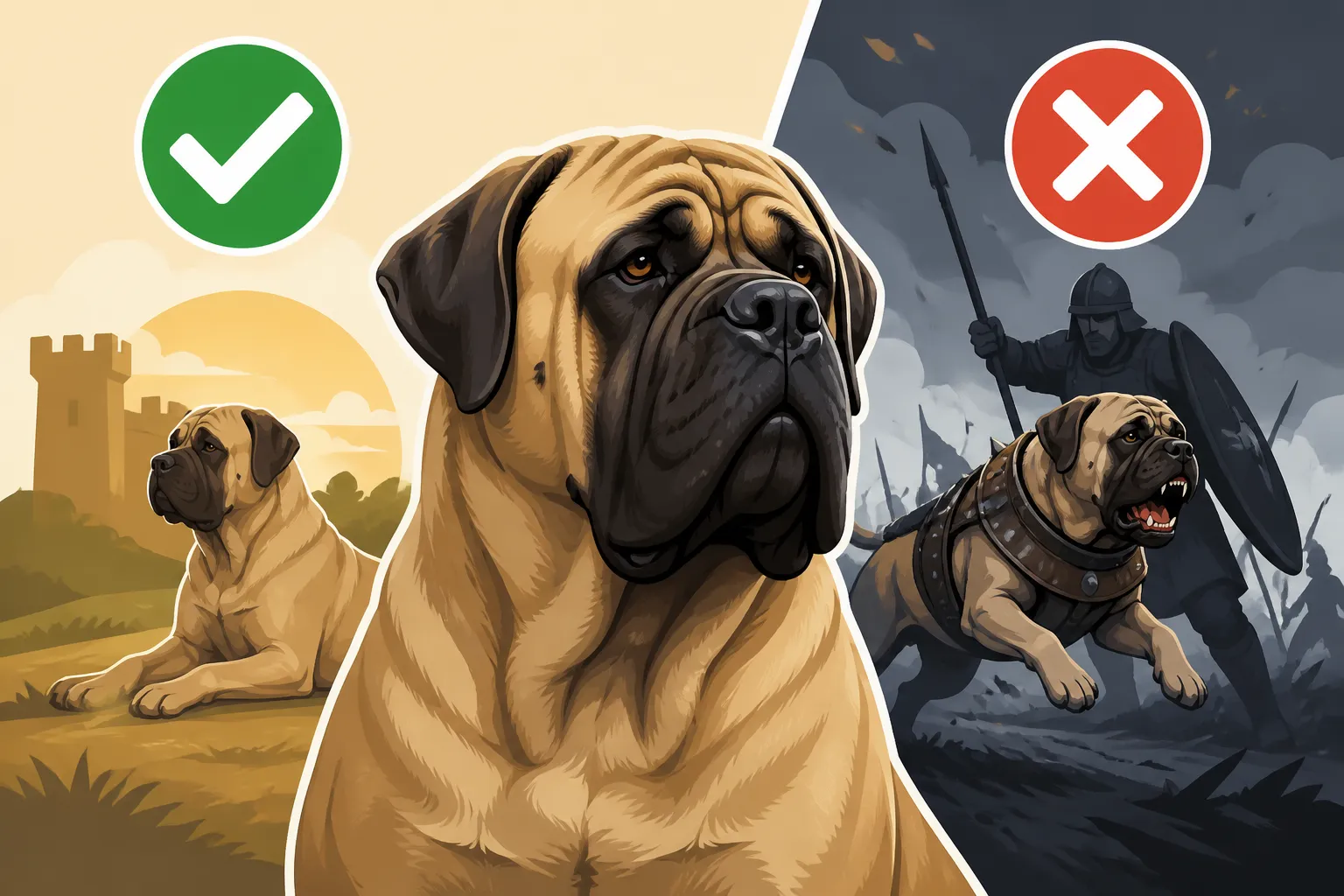
It's easy to get carried away with tales of Mastiffs tearing through enemy lines, but the historical truth, as with many ancient stories, is often more nuanced. While large, powerful dogs, ancestors of the Mastiffs, were indeed utilized in warfare by various ancient cultures, they were not always deployed in the way modern lore might suggest. They were integral, yes, but their effectiveness varied depending on the era, the type of warfare, and the specific culture employing them. The Molossus dogs of Greece and the Assyrian war dogs certainly had significant roles, but attributing every historical instance of a "war dog" to a direct, identical ancestor of the modern Mastiff can be an oversimplification. The term "Mastiff-type" is crucial here, recognizing a category of large, heavy-boned dogs rather than a single, defined breed that has remained unchanged for millennia.
Many stories have been embellished over time, making it challenging to separate confirmed historical accounts from folklore. The legend of The Mastiff That Stood Over Sir Piers Legh at Agincourt is a wonderful example of a story that highlights the breed's loyalty and protective nature, even if the specifics of dog deployment on the Agincourt battlefield might be debated by military historians. What's undeniable is that throughout history, large, powerful dogs have been valued by humans for their strength, courage, and protective instincts. It's these enduring qualities that connect the ancient Molossus to the modern Mastiff, even if their specific roles have transformed dramatically.
| Historical Period | Dog Type (Ancestral) | Primary Combat Role | Secondary/Support Role | Key Characteristics Valued |
|---|---|---|---|---|
| Ancient (Assyria, Rome) | Molossus-type, British War Dogs | Direct combatant (harass, break lines, shock troops) | Sentry, tracker, psychological deterrent | Size, ferocity, strength, intimidation |
| Medieval/Early Modern | Mastiff-type (developing) | Limited direct combat | Guardian, camp security, tracker, deterrent | Loyalty, protective instinct, size, vigilance |
| Modern (Post-WWII) | German Shepherd, Malinois, etc. | None (as direct combatants) | Detection, patrol, apprehension, search & rescue | Intelligence, trainability, drive, agility, precision |
The Enduring Legacy of the Mastiff
The Mastiff, as a breed, has an incredibly rich and diverse history, a testament to its enduring qualities. From its ancient origins as a formidable "war dog" type to its centuries-long service as a steadfast guardian of estates, the breed has constantly adapted, evolving into the gentle giant we adore today. Its journey reflects a profound partnership with humans, demonstrating how our needs and societies have shaped and refined canine companions over time. While the spears and shields of ancient battlefields are long gone, the Mastiff's inherent protective spirit, courage, and unwavering loyalty remain the cornerstones of its character.
Today, the legacy of the Mastiff is found not in its capacity for aggression, but in its boundless affection, its calm and dignified presence, and its role as a devoted family member. They continue to be protectors, but now their domain is the home, and their most vital defense is their intimidating presence combined with a gentle heart. Understanding this history deepens our appreciation for the breed, acknowledging their powerful past while celebrating their peaceful present. The modern Mastiff is a living bridge to ancient times, a magnificent reminder of the incredible journey dogs have taken alongside humanity. For anyone considering bringing one of these majestic animals into their life, knowing their historical context adds another layer of awe to their already impressive stature. What the AKC Officially Calls the Mastiff clarifies their modern standing as a distinguished breed.
Disclaimer
This article is for general informational purposes only and does not constitute professional advice. Laws, prices and regulations vary by location and change over time. Consult a qualified professional for guidance on your specific situation.