The Assyrian Carvings That Show Mastiff Type Dogs
It's truly fascinating, isn't it, to think about where our beloved Mastiffs truly come from? Many of us look at our gentle giants today and wonder about their lineage, trying to piece together the threads of history that lead to their impressive presence. One common frustration is the sheer span of time and the limited concrete evidence, making it feel like we're always looking through a dusty, ancient lens. This guide aims to pull that lens into focus, exploring the powerful and telling Assyrian carvings that offer us a glimpse into the ancient ancestors of Mastiff-type dogs, helping us understand the deep roots of their protective nature and formidable build.
The Echoes of Power: Assyria and its Canine Companions
Imagine a world centuries before our own, a time when empires rose and fell with a ferocity that matched the beasts they kept. This was ancient Assyria, a formidable power in Mesopotamia, known for its mighty army, its impressive architecture, and its keen understanding of how to leverage strength—both human and animal. The Assyrians, who flourished roughly from the 25th century BC to 612 BC, were not just conquerors; they were also meticulous record-keepers and artists, leaving behind a rich legacy of cuneiform texts and, crucially for us, stunning stone reliefs.
These reliefs, often found adorning the walls of royal palaces in cities like Nineveh and Nimrud, weren't just decorative. They were powerful propaganda, visual narratives designed to project the might, wealth, and prowess of the Assyrian kings. And right alongside these kings, depicted in scenes of war, hunting, and protection, were their dogs. These weren't the pampered lapdogs of some gentle court; these were massive, muscular canines, bred and valued for their sheer power and imposing presence. They were essential tools for a society that prized strength and deterrence, playing roles that ranged from formidable guardians of sprawling palaces to fearless companions in the hunt for dangerous game. To understand these dogs is to understand a fundamental aspect of Assyrian power and their perception of control over the natural world.
Stone and Muscle: What the Carvings Reveal About Ancient Dogs
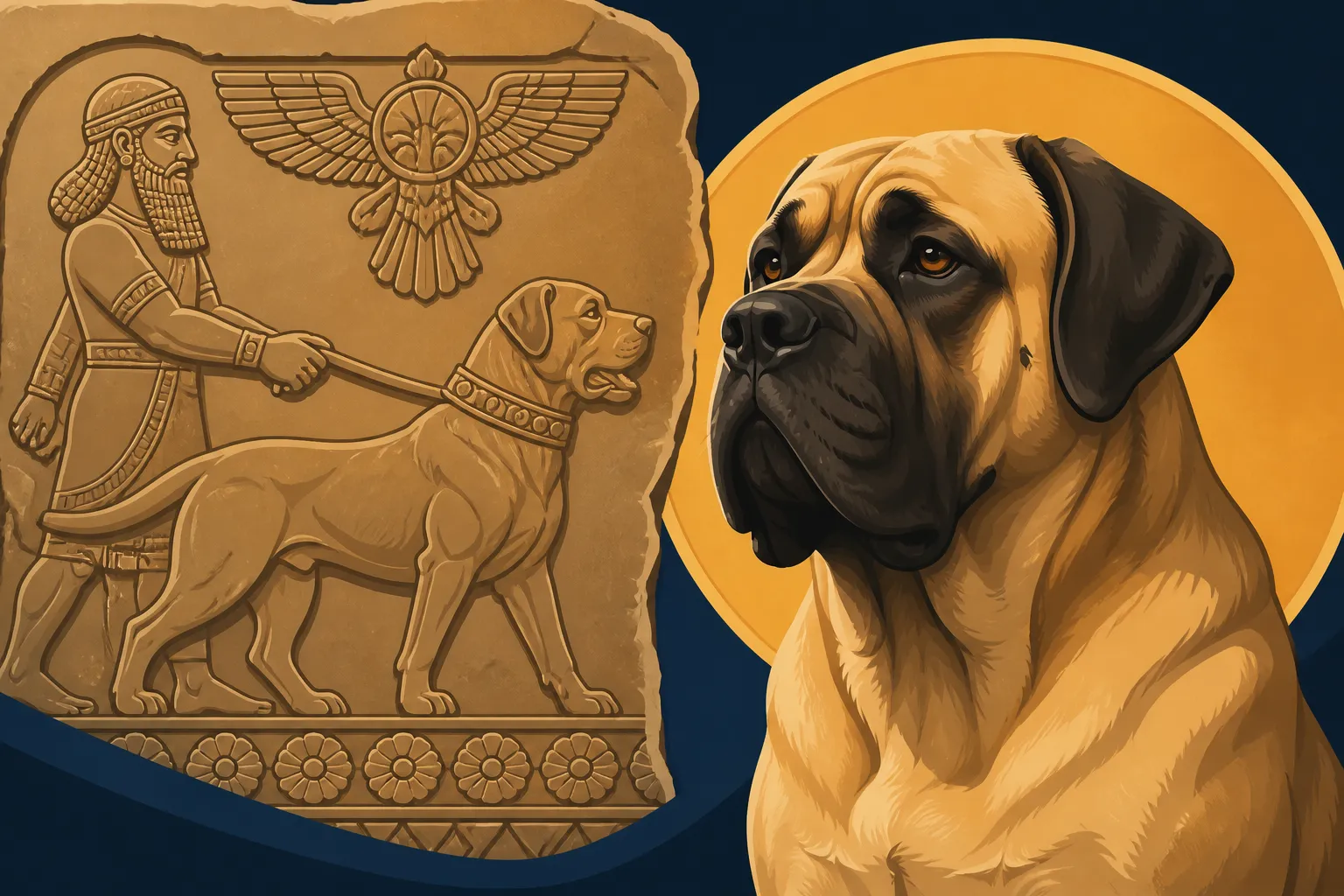
When you study the Assyrian carvings, often found in major museums today, you're immediately struck by the sheer scale and musculature of the dogs depicted. These aren't abstract representations; they are detailed, often almost photographic in their intensity, showing animals with incredible power etched in stone. The artists clearly understood the physical attributes that made these dogs so formidable. We see wide, heavy heads, often with strong, square muzzles—a hallmark that still defines many Mastiff breeds today. Their bodies are deep-chested, robust, and heavily muscled, clearly built for strength and endurance rather than speed or agility. It's a physique that screams 'powerhouse'.
One of the most striking features in many of these carvings is the depiction of cropped ears. This wasn't for aesthetic reasons in ancient times, but a practical measure. In a dog destined for combat with large predators or even other humans, ears were a vulnerable point. Cropping them would minimize injury in a fight, reducing the chances of a tear or being grabbed. Similarly, some images suggest docked tails, though this is less consistently depicted. These details hint at the harsh realities of their existence; these dogs were working animals, their bodies sometimes modified for maximum utility in dangerous situations.
While these dogs aren't the exact genetic ancestors of every modern Mastiff, they represent a distinct type of dog: the heavy, guarding, "Molosser" type. The Molossus in the Mastiff's Ancestry is a topic often discussed, and these Assyrian dogs are a crucial part of that ancient lineage. They show us that the fundamental traits we associate with Mastiffs—their imposing size, powerful bite, and protective instinct—are not new developments, but rather deeply ingrained characteristics that have been valued for millennia. Observing these carvings is like looking at a genetic blueprint, seeing the foundational elements that would eventually contribute to the development of many heavy breeds across Europe and Asia, including our own Mastiffs who famously stood guard at battles like The Mastiff That Stood Over Sir Piers Legh at Agincourt.
Let's break down some of the key physical and functional traits seen in these ancient carvings versus what we observe in our modern Mastiffs:
| Feature | Ancient Assyrian Carvings (Mastiff-Type Dogs) | Modern Mastiff (Old English Mastiff) |
|---|---|---|
| Head Shape | Broad, heavy, often squarish muzzle, powerful jaws | Broad, heavy, distinct stop, moderate muzzle, strong bite |
| Body Build | Deep-chested, heavily muscled, robust, powerful frame | Deep-chested, muscular, rectangular frame, substantial bone |
| Ears | Often depicted as cropped (for protection in combat) | Naturally V-shaped, carried close to the head, uncropped |
| Tail | Sometimes appears docked, or natural length | Long, tapers to a point, carried low, never docked |
| Coat Type | Short, dense (implied by lack of detail and practical needs) | Short, straight, coarse |
| Primary Role | Hunting large game, war dogs, palace guardians, deterrents | Companion, family guardian, gentle giant |
| Temperament | Fierce, courageous, protective, formidable | Calm, courageous, devoted, inherently protective |
This table helps illustrate the undeniable continuity of a "type" of dog over vast stretches of history, even as specific breed standards and roles have evolved.
More Than Just Guardians: The Multifaceted Roles of Assyrian Canines
The Assyrian Mastiff-type dogs were far from single-purpose animals; their strength and courage made them invaluable in several critical aspects of Assyrian life. They were certainly formidable guardians. Imagine walking through the grand courtyards of an Assyrian palace, and seeing these massive dogs, perhaps straining at leashes held by attendants, their powerful frames a clear message to any who might harbor ill intent. They were living, breathing deterrents, their presence alone enough to ward off intruders, whether human or beast. The very scale of the Assyrian empire, with its vast territories and valuable possessions, necessitated such robust protection, and these dogs filled that role perfectly.
Beyond mere guarding, these dogs were also crucial for hunting. The Assyrians were passionate about hunting, not just for sustenance but as a royal sport and a display of power. Lions, wild boars, and other dangerous animals roamed their lands, and bringing them down required more than just human skill. The carvings famously show these Mastiff-type dogs engaged in lion hunts, often depicted fearlessly tackling the large cats. Their raw strength would have been essential for cornering, holding, or even dispatching such powerful prey. They were not merely retrievers; they were active participants in the dangerous chase and takedown, a testament to their bravery and physical prowess. This is a far cry from modern dog sports, but it shows the ancient origins of dogs working alongside humans in demanding, high-stakes environments.
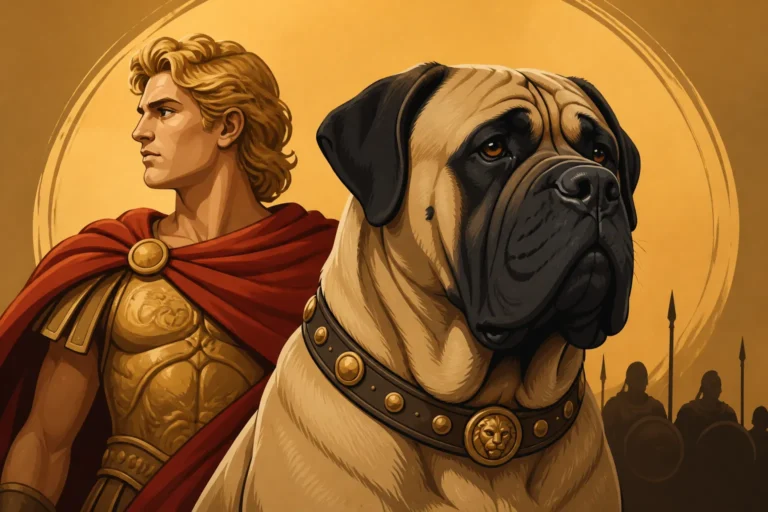
And then there's the less romantic, but historically significant, role as war dogs. While direct evidence of them being deployed on the front lines of every battle is debated, their sheer presence and training would have made them terrifying assets. Imagine a phalanx of Assyrian soldiers, with these massive, snarling dogs charging alongside them, unsettling enemy formations and sowing panic. They could have been used to harass fleeing enemies, guard camps, or even as psychological warfare. Tales of dogs in battle date back to antiquity, with figures like Alexander the Great's Mastiff Type Dogs being legendary. These Assyrian carvings provide a tangible, visual confirmation of such powerful canine companions existing within ancient military cultures, laying the groundwork for How Roman Troops Brought Mastiffs to England centuries later to serve similar purposes.
The Long Road Home: From Ancient Beasts to Today's Couch Potatoes
It's a marvel to consider the journey of these Mastiff-type dogs, from the fierce, working animals of ancient Assyria to the beloved, often gentle, companions we share our homes with today. The path wasn't direct, nor was it always clear. Over thousands of years, these powerful "Molosser" types spread across continents, their genetics mixing and adapting to different climates, cultures, and human needs. They traveled with armies, traders, and settlers, influencing a multitude of heavy breeds that eventually led to the development of the English Mastiff we recognize and adore. The early history of the How Old the Mastiff Is as a British Breed is intrinsically linked to these ancient working dogs.
What’s truly remarkable is how many of those ancient traits persist, albeit softened by centuries of selective breeding for temperament and companionship. Our modern Mastiffs still carry that innate guarding instinct, that powerful presence, and that deep loyalty to their families. They might not be hunting lions or charging into battle, but they often position themselves as silent protectors of their homes and loved ones. They embody a quiet dignity and a formidable physical presence that harks back to their ancient ancestors.
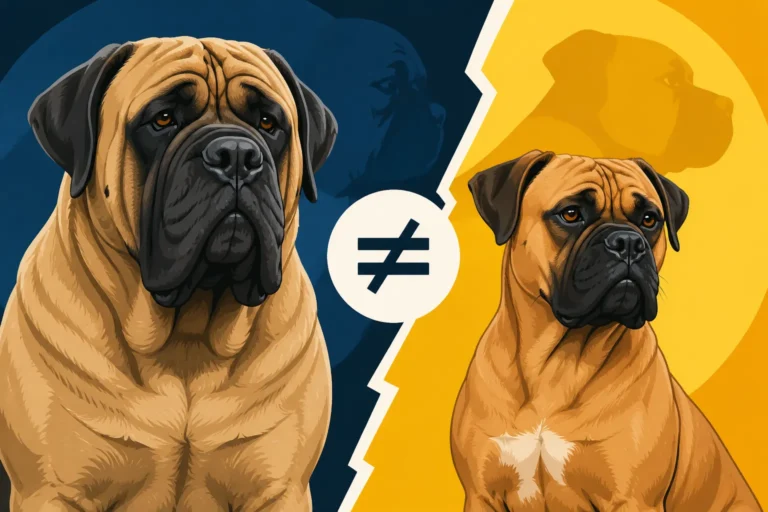
Today, we nurture these magnificent dogs, ensuring they have comfortable beds, nutritious food, and veterinary care, things their ancient counterparts could only dream of. When we order massive bags of giant breed kibble, or heavy-duty toys that can withstand a Mastiff's powerful jaws, we're engaging with a lineage that started with dogs strong enough to take on a lion. Companies like Chewy make it incredibly easy to provide for these substantial dogs, from specialized diets to durable gear. While the working roles have changed dramatically, the core essence of the Mastiff—a powerful, protective, and devoted canine—remains a constant thread connecting them to those majestic dogs carved into the walls of ancient Assyrian palaces. They remind us that while our dogs live very different lives, the echoes of their ancient, noble past are still very much present in their hearts and their formidable forms. For a deep dive into another historical lineage, exploring Why the Mastiff Is Not the Same as a Tibetan Mastiff can further highlight the diversity and distinct origins of different "Mastiff" named breeds.
Disclaimer
This article is for general informational purposes only and does not constitute professional advice. Laws, prices and regulations vary by location and change over time. Consult a qualified professional for guidance on your specific situation.