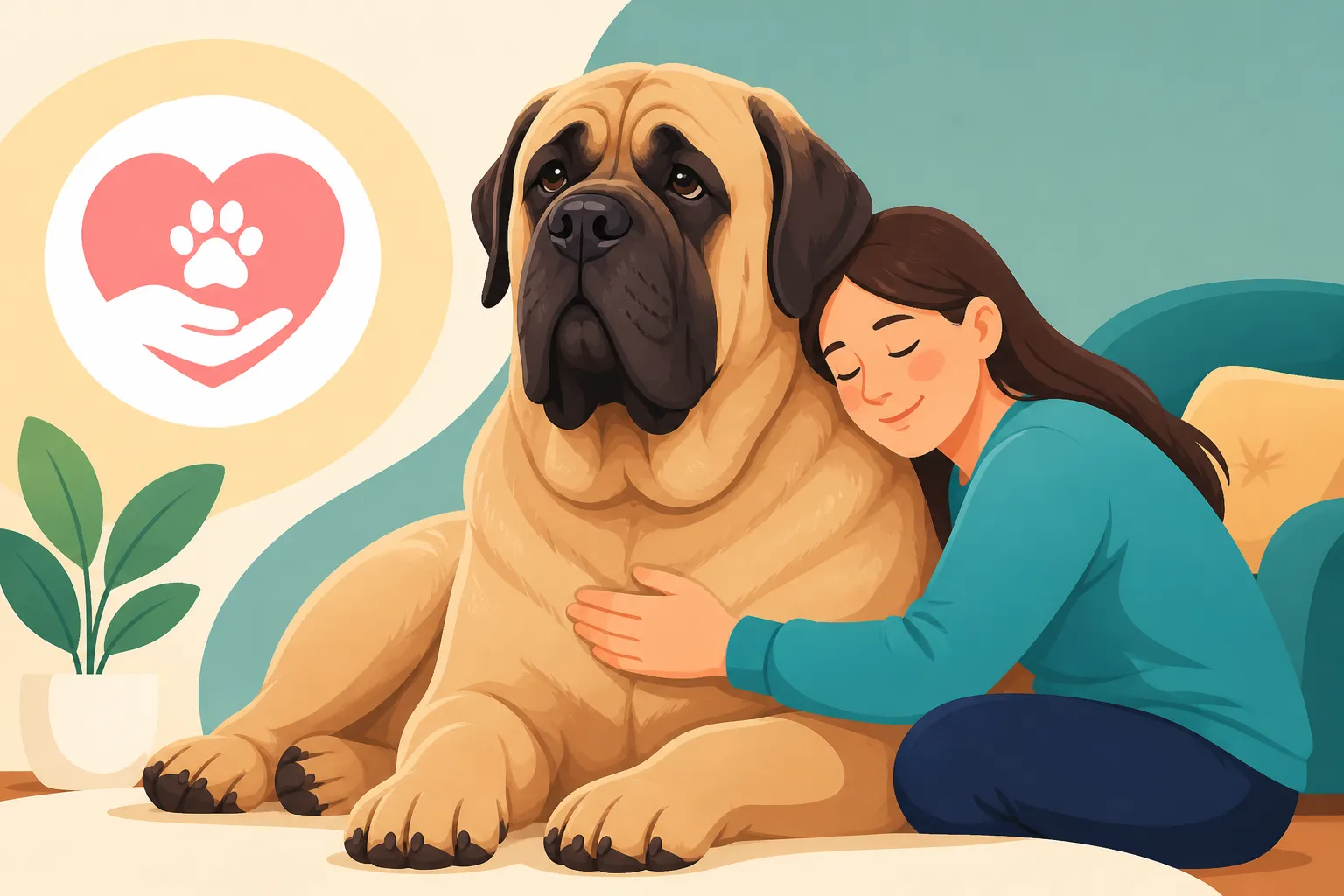
The Mastiff as a Therapy Dog
Many people look at a Mastiff and see nothing but an imposing, sometimes intimidating, presence. They envision a guard dog, a massive protector, certainly not a gentle soul draped over a hospital bed offering comfort. The idea of a two hundred-pound dog delicately interacting with fragile individuals might seem counterintuitive at first glance. However, the truth is, the Mastiff possesses a unique blend of traits that make them remarkably suited for therapy work, often excelling where smaller, more boisterous breeds might fall short. This guide will explore the often-overlooked qualities that can transform a Mastiff into an exceptional therapy dog, detailing the training, temperament, and practical considerations involved.
Understanding the Mastiff Temperament for Therapy Work
It’s easy to judge a book by its cover, and with a Mastiff, that cover is certainly grand. Their sheer size and deep bark can suggest a fierce guardian, but those of us who live with them know the heart beating beneath that massive chest is usually pure gold. This inherent nature is precisely what makes them such compelling candidates for therapy work.
The Gentle Giant Stereotype: Is it True for Therapy?
The term "gentle giant" is tossed around a lot when describing large breeds, but for the Mastiff, it truly fits. These dogs are, by nature, calm, patient, and surprisingly delicate in their movements when they need to be. Picture a Mastiff slowly, deliberately leaning its enormous head against a hand, or nudging a leg with the softest touch – it's a common scene in a Mastiff household. This inherent gentleness is a huge asset in therapy settings. They possess a natural quietness, preferring to observe and be present rather than to demand attention. Their formidable size, far from being a hindrance, can actually be a comforting anchor for people who feel small or vulnerable. There's a certain gravitas, a calming weight, that a Mastiff brings into a room. People often find great peace in simply resting a hand on their vast, warm side. This isn't a dog that's going to bounce off the walls or accidentally knock someone over; they move with an almost stately grace, even in confined spaces.
Sensitivity and Empathy in a Mastiff
If you've ever owned a Mastiff, you know they are incredibly attuned to human emotions. They have The Sensitivity Nobody Expects in a Two Hundred Pound Mastiff. They seem to possess a sixth sense for distress, sorrow, or anxiety. I've watched my own Mastiffs respond to tears with a soft nuzzle, a quiet sigh, or by simply lying closer, offering their immense presence as a silent balm. This deep emotional intelligence is invaluable in therapy settings. Imagine a child struggling to read, feeling self-conscious and frustrated. A Mastiff will often simply lie down, placing its head on the child's lap or foot, absorbing the tension without judgment. Or consider a senior citizen, perhaps suffering from memory loss or loneliness, who might not respond to verbal cues but finds profound comfort in the steady, warm weight of a Mastiff's head on their lap. They don't need elaborate tricks; their empathy alone is often enough. They understand without words, offering a silent, unwavering support that can be deeply healing.
Low Energy and Calm Demeanor
Unlike some working breeds that need constant activity and mental stimulation to prevent destructive behaviors, Mastiffs are generally quite content with a moderate amount of exercise and a lot of napping. This lower energy level and naturally calm demeanor are perfectly suited for the often-quiet, sometimes prolonged, nature of therapy visits. You won't find a well-adjusted Mastiff pacing anxiously in a nursing home or getting over-stimulated by a busy hospital corridor. They excel at "being present" – a crucial skill for a therapy dog. They can lie patiently for long periods, soaking up attention, or simply existing as a comforting presence. This isn't to say they're lazy; they enjoy their walks and playtime, but they also possess an incredible "off switch." As we've discussed before, Why One Hour a Day Is Enough for a Mastiff is usually all they truly need, and the rest of the day, they are happy to be calm companions, which translates perfectly into the gentle rhythms of therapy sessions.
The Specific Challenges and Requirements for a Mastiff Therapy Dog
While their temperament makes them ideal, a Mastiff's sheer scale also presents unique practical challenges that prospective therapy dog owners must consider. This isn't a Golden Retriever or a Cavalier King Charles Spaniel; everything is bigger, heavier, and requires more thoughtful planning.
Size and Physical Presence Considerations
Navigating tight hospital corridors, maneuvering around medical equipment, or fitting into smaller rooms in schools can be a logistical puzzle with a Mastiff. Their broad shoulders and long bodies mean they need space. For therapy work, impeccable leash manners are non-negotiable. You cannot have a two hundred-pound dog pulling its handler or accidentally bumping into vulnerable patients or delicate equipment. As many of us know, A Mastiff Does Not Pull You Over, It Simply Stops, which can be its own challenge, but it also speaks to their deliberate nature. Training them to walk politely beside you, to wait at doorways, and to be mindful of their surroundings is paramount. Investing in a high-quality, comfortable harness that distributes pressure evenly, rather than just a collar, is crucial for both their comfort and your control. Many excellent options can be found on platforms like Amazon, offering the durability and fit needed for such a powerful dog. Furthermore, consider the physical limitations of the people they'll be visiting. A Mastiff is typically too large to be lifted onto a bed or even a chair, so interactions will often take place at floor level or with the dog standing next to a wheelchair or bed. This isn't necessarily a bad thing, but it's a reality that shapes the therapy experience.
Training and Socialization Imperatives
Even with their naturally good temperaments, a Mastiff doesn't become a therapy dog without significant dedication to training and socialization. Their size amplifies the need for absolute reliability. A playful nip from a small dog is cute; from a Mastiff, it's a serious incident. Therefore, early and consistent positive reinforcement training is not just recommended, but essential. Start as soon as they come home, focusing on basic obedience commands like 'sit,' 'stay,' 'down,' 'come,' and 'leave it.' Mastiffs are intelligent but can be deliberate, sometimes needing more repetitions to solidify a command, but they rarely forget once they learn. As we've explored, What Actually Motivates a Mastiff often involves food rewards and gentle praise, which works perfectly for positive reinforcement.
Beyond obedience, extensive socialization is critical. From a young age, your Mastiff puppy needs to be exposed to a wide variety of sights, sounds, people (of all ages and appearances), and calm environments. This helps them develop confidence and prevents them from becoming wary or fearful, which could derail their therapy potential. Think about Socializing a Mastiff Puppy Before It Gets Heavy – it's much easier to carry a curious puppy through a crowded pet store than to manage an adult who hasn't seen a shopping cart before. Programs like BAXTER & Bella offer excellent online resources and structured curriculum for puppy and obedience training, which can be invaluable for establishing that solid foundation before your Mastiff becomes too large to manage easily.
Health and Longevity for a Working Dog
This is perhaps the most heartbreaking reality for Mastiff owners: their notoriously short lifespan. We often say Six to Ten Years Is What a Mastiff Gets, and Why a Mastiff Is Old at Five emphasizes how quickly their golden years arrive. This means that a Mastiff's therapy career, while incredibly impactful, may be shorter than that of other breeds. Prospective therapy dog owners must be realistic about this. It's crucial that any Mastiff considered for therapy work comes from a reputable breeder who prioritizes health and has performed all recommended health screenings. This includes clear certifications for hips, elbows, eyes, and heart, as well as genetic testing for conditions like PRA and Cystinuria. After all, The Four CHIC Tests a Mastiff Breeder Must Clear for their breeding dogs are there for a reason – to improve the breed's overall health. A Mastiff prone to lameness, joint pain, or other health issues would not only be uncomfortable during visits but could also pose a safety risk. Their physical comfort is paramount; a dog in pain cannot genuinely offer comfort to others. Regular veterinary check-ups and a healthy, lean weight are vital to extending their active, comfortable years for both their own sake and their potential therapy work.
The Certification Process and Real-World Application
Once you've nurtured a Mastiff with the right temperament, provided diligent training, and ensured their physical well-being, the next step is formalizing their role as a therapy dog. This journey involves evaluations and finding the right fit for their unique abilities.
Steps to Becoming a Certified Therapy Dog
The path to certification generally involves several key stages, each designed to ensure your Mastiff is well-behaved, stable, and truly suited for interacting with vulnerable populations.
- Basic Obedience: Your Mastiff needs to master fundamental commands flawlessly, demonstrating reliability in various environments. They must respond promptly and consistently to verbal cues and hand signals. This includes walking calmly on a loose leash, staying in position for extended periods, and coming when called, even with distractions.
- Advanced Obedience and Public Access Skills: Beyond the basics, a therapy dog needs to navigate public spaces politely. This means ignoring dropped food, not jumping on people, and remaining calm amidst noise and new sights. Often, the American Kennel Club's Canine Good Citizen (CGC) test is a prerequisite or a highly recommended stepping stone. Passing Getting a Mastiff Through the Canine Good Citizen Test shows a solid foundation of manners and control.
- Therapy Dog Specific Training: Some organizations offer specialized classes that simulate therapy environments, exposing dogs to medical equipment, wheelchairs, crutches, and people behaving in unusual ways (e.g., loud noises, sudden movements). This helps acclimate your Mastiff to the real-world scenarios they'll encounter.
- Evaluation and Certification: This is where a certified evaluator assesses your Mastiff's temperament and obedience in a simulated therapy setting. They'll look for signs of stress, aggression, or over-exuberance, as well as observe their reaction to unexpected stimuli. Reputable organizations like Alliance of Therapy Dogs or Therapy Dogs International have specific requirements and protocols. Once certified, your Mastiff and you become a registered therapy team, ready to make a difference.
Ideal Settings for a Mastiff Therapy Dog
Given their unique characteristics, Mastiffs thrive in particular therapy environments where their calm, comforting presence is most effective. They might not be the best fit for a frantic pediatric ward, but they shine in places that appreciate their quiet strength.
- Nursing Homes and Assisted Living Facilities: This is a prime environment. Many residents crave physical touch and the unconditional affection of an animal. A Mastiff's large, warm body is perfect for leaning against a wheelchair or resting a head on a lap. Their placid demeanor is calming for seniors, and their substantial size can feel very grounding and secure.
- Hospice Care: In these delicate settings, a Mastiff's quiet empathy can be profound. They provide silent companionship and comfort to individuals in their final stages of life, often simply by being present and allowing gentle petting. Their ability to tune into human emotions without being intrusive is a true gift here.
- Reading Programs for Children: For children who struggle with reading or have learning disabilities, reading aloud to a non-judgmental, giant dog can significantly boost confidence. The Mastiff provides a calm, safe space where a child feels no pressure, only acceptance.
- Stress Relief at Universities/Colleges: During exam periods, many universities bring in therapy dogs to help students de-stress. A Mastiff’s stoic, unbothered presence can be incredibly reassuring amidst the high-pressure environment of campus life, offering a momentary escape and a calming presence.
- Veteran Support Groups: For veterans dealing with PTSD or other challenges, the quiet strength and unwavering loyalty of a Mastiff can be deeply therapeutic. Their steady presence offers a sense of security and calm.
Equipping Your Mastiff for Therapy Work
Just like any professional, a therapy Mastiff needs the right gear to perform their job comfortably and safely.
- Harnesses and Leashes: Forget thin collars; a well-fitting, comfortable harness is essential. It provides better control, distributes pressure evenly across their chest, and is less likely to injure their neck or throat. Look for heavy-duty options designed for giant breeds. Many reliable brands are readily available on Amazon, offering different styles like front-clip harnesses for better leash control, or padded options for extended comfort. A sturdy, six-foot leash is also crucial for maintaining control while allowing some freedom of movement.
- Therapy Dog Vest/Bandana: A vest or bandana clearly identifying your Mastiff as a "Therapy Dog" is not just for looks; it signals to people that the dog is working and should be approached calmly. It also helps staff and patients understand their role and that they are welcome.
- Paw Protection: Depending on the facilities visited, non-slip paw pads or booties might be beneficial, especially on slick hospital floors, to prevent slipping and improve traction. As we know, Keeping a Mastiff's Nails Short Enough for Traction is vital anyway, but extra grip can be helpful.
- Hygiene Supplies: Regular grooming is non-negotiable. This means clean folds – as discussed in The Wrinkles and Folds a Mastiff Owner Cleans Every Week – clean ears, trimmed nails, and a freshly brushed coat for every visit. Keep wet wipes and a towel handy for quick drool cleanups.
- Comfort Items: While many facilities provide bedding for visiting therapy animals, bringing a favorite mat or blanket can offer your Mastiff a familiar, comfortable spot to settle during long visits.
Choosing a Mastiff as a therapy dog means embracing their unique blend of gentle nature and immense size, preparing diligently for the certification process, and being thoughtful about where their particular brand of comfort can do the most good. The rewards, for both the dog and the people they touch, are immeasurable.
| Feature | Mastiff as Therapy Dog: Pros | Mastiff as Therapy Dog: Cons |
|---|---|---|
| Temperament | Naturally calm, patient, gentle, and empathetic. | Can be reserved with strangers; requires careful socialization. |
| Size & Presence | Imposing size offers a calming, grounding presence; easy to pet for all ages. | Can be intimidating to some; requires excellent leash control in tight spaces. |
| Energy Level | Low-energy; content to lie quietly for extended periods. | Less suited for active, fast-paced therapy interactions. |
| Training Needs | Intelligent, but can be deliberate; thrives on positive reinforcement. | Must be meticulously trained for reliability due to size; extensive socialization needed. |
| Physical Needs | Requires robust health checks; prone to joint issues. | Shorter lifespan means a shorter working career; requires careful management of physical health. |
| Versatility | Excellent for nursing homes, hospice, reading programs, stress relief. | Limited by size in some settings (e.g., small rooms, specific equipment). |
Disclaimer
This article is for general informational purposes only and does not constitute professional advice. Laws, prices and regulations vary by location and change over time. Consult a qualified professional for guidance on your specific situation.