Whether a Front Clip Harness Stops a Mastiff Pulling
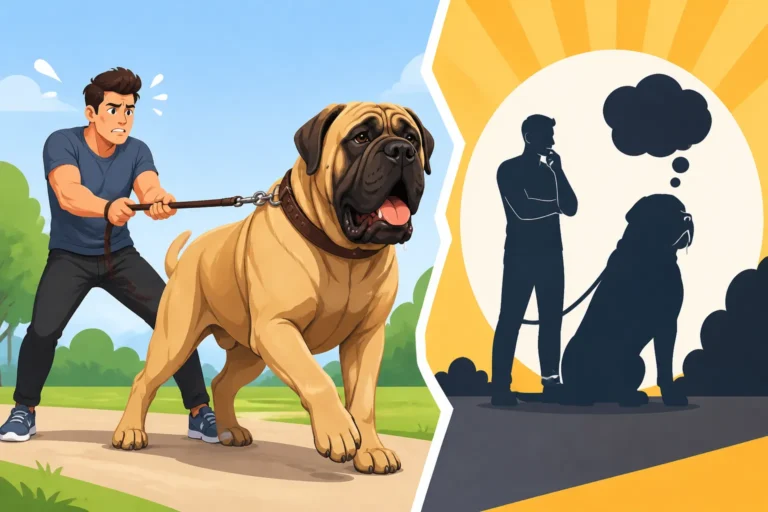
There are few things quite as dislocating, literally and figuratively, as being pulled off your feet by a two-hundred-pound Mastiff intent on chasing a squirrel. The sheer force these gentle giants can exert on a leash is astonishing, making walks feel more like a tug-of-war than a leisurely stroll. This guide dives into whether a front-clip harness can truly be the game-changer you need to make walks with your Mastiff more manageable and enjoyable for both of you.
Understanding the Challenge of a Pulling Mastiff
Before we even consider solutions, it's vital to acknowledge the unique difficulties that come with a pulling Mastiff. This isn't just a regular dog tugging; this is a massive, powerful animal whose weight and momentum can easily overpower a handler. Many Mastiff owners find themselves grappling with this issue, feeling frustrated and even embarrassed during walks. It’s not a reflection on you as an owner, but rather the sheer physics involved.
The Physics of Pulling Power
Imagine your Mastiff, perhaps 180 pounds of solid muscle, suddenly lunging after a blowing leaf. That's a significant amount of mass moving quickly. When that force is concentrated on a standard collar around their neck, it can lead to choking, coughing, and even damage to their trachea. The dog feels discomfort, but the instinct to pull often overrides it, especially if they haven't learned otherwise. The leverage you have against such a large dog is minimal when they're pulling against their neck or a back-clip harness. This isn't just uncomfortable for your Mastiff; it’s a genuine safety concern for both of you. You might find yourself dreading walks, which is a terrible feeling when you love your dog so much.
Common Mistakes That Exacerbate Pulling
One common mistake is inadvertently rewarding the pulling. If your Mastiff pulls you towards something it wants – another dog, a sniff spot, or home – and you follow, even reluctantly, the dog learns that pulling gets it what it wants. Another error is inconsistent training; sometimes you allow pulling, sometimes you don't. This sends mixed signals, making it harder for your Mastiff to understand expectations. Whether a Mastiff Pulls on a Leash goes into this in more detail. Furthermore, using a leash that’s too long can give them too much momentum to build up before you can react, and trying to physically overpower them usually ends in a stalemate or, worse, injury. With a Mastiff, brute force is rarely the answer.
How a Front-Clip Harness Works to Discourage Pulling
A front-clip harness is a training tool designed to redirect your dog's forward momentum. Unlike traditional collars or even back-clip harnesses, the leash attaches at the dog's chest, rather than on their back or around their neck.
The Mechanism of Redirection
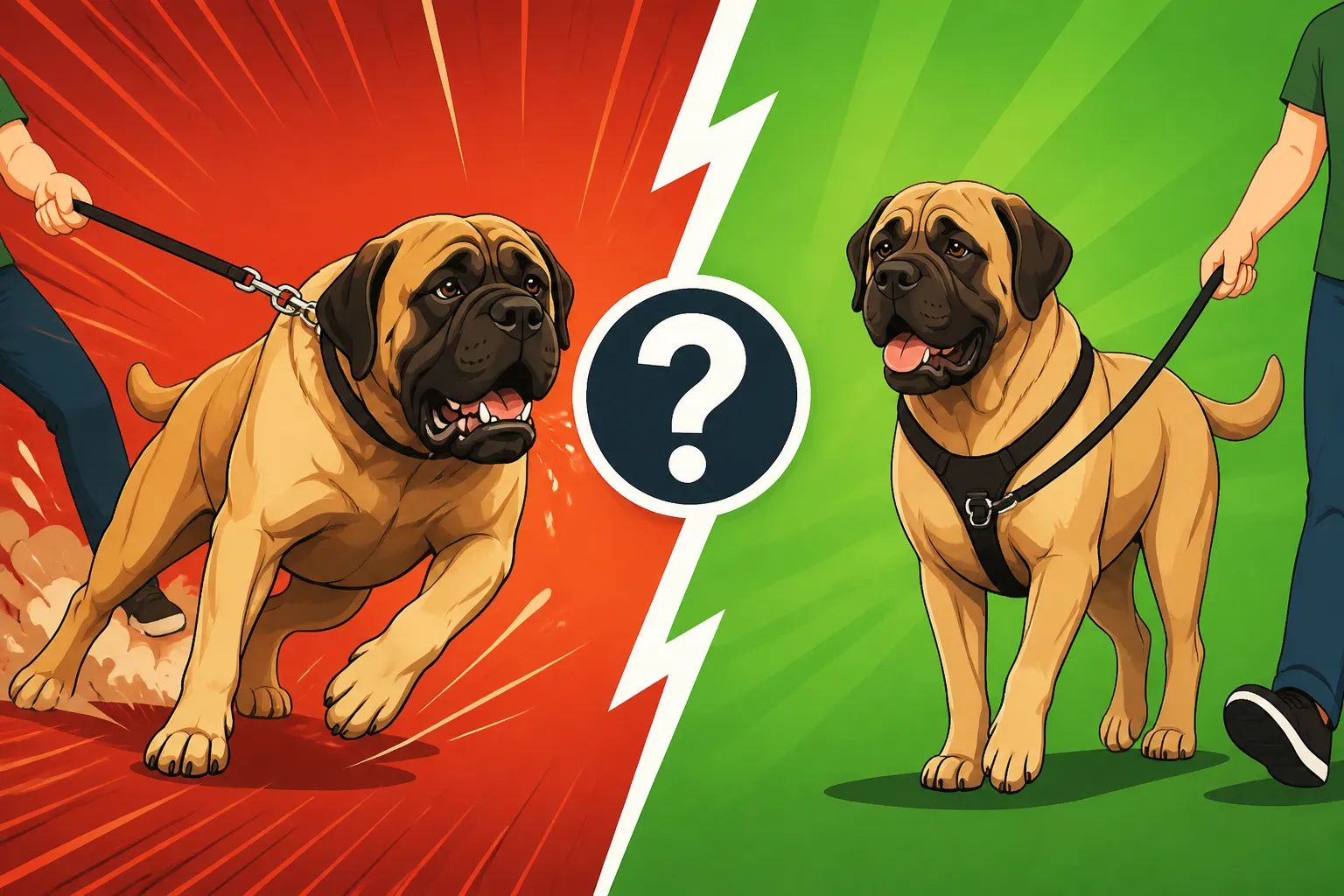
When your Mastiff pulls forward while wearing a front-clip harness, the leash attachment point on their chest will cause them to turn to the side, rather than continue in a straight line. Think of it like steering a large vehicle: if you pull on the front, the vehicle changes direction. If you're walking your Mastiff on your left side and they pull forward, the leash, attached to the front ring, will gently guide their chest (and therefore their body) towards you. This makes it incredibly awkward and inefficient for them to continue pulling straight ahead, effectively taking away their leverage. They're trying to move forward, but the harness physically makes it harder to do so in a direct line. It's a subtle but powerful change in the dynamic of the walk.
Why It Differs from Other Harness Types
Standard back-clip harnesses, while great for preventing neck strain, can sometimes encourage pulling in large, powerful breeds like Mastiffs. With the leash attached to their back, it’s akin to a sled dog harness—it gives them maximum power to lean into the pull. A collar, as mentioned, puts direct pressure on the neck. A front-clip harness completely changes this dynamic. It doesn't put pressure on the throat, nor does it give them a point to leverage their considerable weight against. It's about gentle guidance and making the act of pulling less rewarding because it doesn't get them where they want to go efficiently. This can be a revelation for owners who feel they've tried everything.
The Benefits and Limitations for Mastiffs
While front-clip harnesses offer significant advantages for managing a Mastiff, they are not a magic bullet. Understanding both their strengths and weaknesses is key to successful implementation.
Advantages of Using a Front-Clip Harness
For a Mastiff, the primary benefit is control without discomfort or pain. It allows you to manage their immense power with far less physical effort. This means less strain on your arm and shoulder, and less risk of being dragged. Because the pressure is redirected to their chest and side, there’s no choking or gagging, making the experience more pleasant for your dog and reducing the risk of tracheal injury. This can lead to a calmer dog on walks, as they aren't constantly fighting against discomfort. Many owners report a noticeable difference in their Mastiff's pulling within the first few walks, simply because the physical mechanics make pulling less effective for the dog. For a breed known for its The Sensitivity Nobody Expects in a Two Hundred Pound Mastiff, this gentle redirection can be far more effective than harsh corrections.
Potential Drawbacks and Considerations
No tool is perfect, and front-clip harnesses have a few considerations. Some Mastiffs, particularly those with very deep chests and narrow shoulders, might experience chafing under the armpits if the harness isn't perfectly fitted or made from soft materials. Always check for redness or irritation. There's also the risk of your Mastiff potentially slipping out of a poorly fitted harness, especially if they back up rapidly. This is why a secure, snug fit is paramount. Furthermore, some Mastiffs might find the feeling of the chest strap restrictive initially, and it can take a few sessions for them to get used to it. Remember, this harness is a tool to aid training, not replace it. If your Mastiff has significant behavioral issues beyond pulling, like fear or aggression, a harness alone won't address the root cause. It's about making walks safer and more manageable while you work on foundational training.
Here's a quick comparison of common harness types:
| Harness Type | Leash Attachment | Primary Benefit | Potential Drawback for Mastiffs |
|---|---|---|---|
| Front-Clip | Chest | Redirects pulling, no neck pressure | Can chafe if ill-fitting, dog might twist to avoid redirection |
| Back-Clip | Back | Comfortable, no neck pressure | Can encourage pulling, provides leverage for dog |
| Head Halter/Gentle Leader | Muzzle/Snout | Excellent control, immediate redirection | Many Mastiffs dislike them, can rub on face, requires acclimation |
| Standard Collar | Neck | Simple, easy to put on | Direct neck pressure, choking, little control for strong pullers |
Choosing and Fitting a Front-Clip Harness for a Mastiff
The success of a front-clip harness hinges almost entirely on choosing the right one and ensuring it's perfectly fitted. A Mastiff's unique build demands careful attention to detail.
Key Features to Look for in a Mastiff Harness
When shopping for a front-clip harness for your Mastiff, durability is paramount. Look for strong, heavy-duty nylon webbing, robust metal D-rings, and sturdy buckles. Given their size, anything less will quickly wear out or break. Padded straps, especially under the armpits and across the chest, are a huge bonus to prevent chafing and improve comfort. Adjustable straps around both the neck and girth are crucial to get a snug, custom fit. Many reputable brands offer harnesses specifically designed for large and giant breeds. You'll find a wide variety of front-clip harnesses available on platforms like Amazon, offering different styles and price points. Consider brands known for their strength and durability, rather than just aesthetics.
Step-by-Step Fitting Guide
Fitting a front-clip harness isn't complicated, but it requires patience and precision.
- Measure Your Mastiff: Before buying, measure your Mastiff's chest girth (just behind the front legs) and around their lower neck. Compare these measurements to the manufacturer's sizing chart. When in doubt, size up if they're between sizes, as adjustability is key.
- Acclimate Them: Introduce the harness positively. Let your Mastiff sniff it, give treats. Don't force it on them. Over several sessions, let them wear it for short periods inside the house, rewarding them for calm behavior.
- Positioning: The chest strap should sit comfortably above their breastbone, not too high on their throat. The girth strap should be several inches behind their front legs, far enough back to prevent rubbing in the armpits.
- Adjusting the Straps: Adjust all straps so they are snug but not tight. You should be able to comfortably slide two fingers under each strap. No part of the harness should restrict shoulder movement. Check this by letting your Mastiff walk around a bit. You might need to adjust them slightly after a few minutes of movement.
- Leash Attachment: Connect your leash to the D-ring on the front of the harness, on your Mastiff's chest. This is the whole point of the front-clip!
Remember, a poorly fitted harness is uncomfortable and ineffective, and can potentially lead to your Mastiff escaping. Always double-check the fit before heading out.
Integrating the Harness with Effective Training
A front-clip harness is a fantastic tool, but it's only truly effective when used as part of a comprehensive training plan. It helps manage the pulling, but it doesn't teach your Mastiff not to pull. That's where consistent, positive reinforcement comes in.
The Harness as a Training Aid, Not a Cure-All
Think of the harness as the bumpers in a bowling alley—it helps keep the ball on track, but you still need to learn how to roll it. The front-clip harness gives you the immediate physical advantage to manage your Mastiff's pulling, but the mental work of teaching loose-leash walking still needs to happen. Without training, your Mastiff might learn to tolerate the redirection but won't understand why they shouldn't pull. The goal is for them to walk politely on a slack leash, and the harness provides the foundation for you to practice this safely and effectively. Many positive reinforcement trainers, much like the philosophy BAXTER & Bella advocates, will recommend a front-clip harness as a training aid, alongside consistent leash manners work. Teaching a Mastiff Before It Outweighs You is crucial for puppies, but it's never too late to start with an adult.
Loose-Leash Walking Techniques
Here are some techniques to use with your front-clip harness:
- Start with Short Sessions: Begin in a low-distraction environment.
- Reward Slack Leash: Every time your Mastiff walks beside you with a loose leash, immediately mark the behavior (with a clicker or a verbal "yes!") and reward them with a high-value treat.
- Change Direction: If your Mastiff starts to pull, stop walking immediately. Don't say anything, just stop. When they look back at you or the leash slackens, resume walking. Even better, change direction. The moment they pull, turn and walk the other way. This constantly interrupts their pulling momentum and teaches them that pulling gets them nowhere, literally.
- "Let's Go!" Cue: Use a specific cue like "Let's go!" before changing direction or starting to walk. This helps them associate the cue with forward movement while staying by your side.
- Be Patient and Consistent: Mastiffs are thinkers, and sometimes they appear stubborn. The Stubbornness That Is Actually a Mastiff Thinking means they need consistent, clear communication. It might take many repetitions, but it will sink in.
- Manage Distractions: Gradually increase distractions as your Mastiff improves. Start in your quiet yard, then move to a quiet street, then a park during off-peak hours.
- Professional Help: If you're really struggling, consider hiring a professional positive reinforcement trainer. They can offer personalized guidance and help you troubleshoot specific challenges. This investment can make a world of difference for both you and your Mastiff.
By combining the physical advantage of a properly fitted front-clip harness with consistent, positive training techniques, you can transform your Mastiff's pulling habits and make walks enjoyable for everyone involved. It's about building communication and trust, not just overpowering a large dog.
Other Tools and When to Consider Them
While the front-clip harness is a fantastic starting point for managing a pulling Mastiff, it's worth knowing about other tools and when they might be appropriate. Each tool has its place, and the best choice often depends on your individual Mastiff and your specific situation.
Head Halters: An Alternative for Strong Pullers
For some exceptionally strong Mastiffs, or those who are particularly persistent pullers, a head halter (sometimes called a gentle leader) might be considered. This tool fits over your dog's muzzle and behind their ears, giving you control over their head direction. Where the head goes, the body often follows. If your Mastiff pulls, the head halter turns their head to the side, making it impossible to pull forward effectively. Whether a Head Halter Suits a Mastiff is a common question. The control offered by a head halter is immediate and significant, requiring very little physical strength from the handler.
However, head halters often require a longer acclimation period than harnesses, as many dogs initially resist something on their muzzle. It's crucial to introduce them very gradually and positively, rewarding generously with treats to build a positive association. Never use a head halter to yank or punish, as this can create a negative experience and make your Mastiff hate wearing it. If used improperly, it can also cause neck strain. It's not a substitute for training, but another tool for control while you teach loose-leash walking.
Why Traditional Collars and Back-Clip Harnesses Fall Short
For a Mastiff, a traditional flat collar offers minimal control when they decide to pull. The pressure on their throat can be harmful, leading to coughing, gagging, and potential tracheal damage. It's simply not designed to manage the force of a full-grown Mastiff. They can easily "power through" the discomfort, making walks a misery for both of you.
Back-clip harnesses, while comfortable, often give a Mastiff more leverage to pull. When the leash clips on their back, their entire body can lean into the pull, making it feel like you're trying to stop a freight train. While perfectly fine for smaller, less powerful breeds or well-trained Mastiffs who already walk politely, they generally aren't the best choice for actively addressing a pulling problem in a Mastiff. They also don't offer the same directional control as a front-clip harness or head halter. Whether a Mastiff Should Wear a Harness or a Collar often comes down to individual needs and training goals.
The Importance of Human Skill
Ultimately, no harness or collar can replace good training and handler skill. A front-clip harness provides a mechanical advantage, giving you the ability to manage the pulling while you teach your Mastiff better leash manners. Learning to read your dog's body language, anticipating potential distractions, and consistently applying positive reinforcement techniques are far more important than any piece of equipment alone. Consider enrolling in an obedience class or working with a professional trainer who understands giant breeds. A well-trained Mastiff, regardless of the equipment, is a joy to walk, and investing in that training will pay dividends throughout their Six to Ten Years Is What a Mastiff Gets.
Disclaimer
This article is for general informational purposes only and does not constitute professional advice. Laws, prices and regulations vary by location and change over time. Consult a qualified professional for guidance on your specific situation.