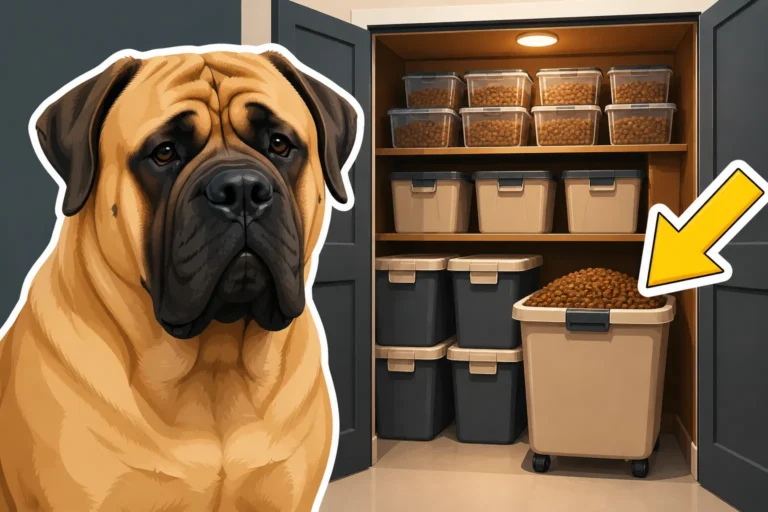
What a Mastiff’s Food Bill Comes to Over Eight Years
Owning a Mastiff is an incredible journey filled with loyalty, gentle giants, and… quite a lot of kibble. Many new Mastiff parents are taken by surprise not just by the sheer volume of food these magnificent dogs consume, but by the cumulative cost over their entire lifespan. This guide will meticulously break down what you can realistically expect to spend on your Mastiff's food from puppyhood through their golden years, typically an eight-year span, and help you prepare for this significant financial commitment.
The Foundation of the Feast: Mastiff Food Consumption
It's easy to underestimate just how much food a dog weighing upwards of 150-200 pounds (or even more for some males) actually needs. This isn't your average Labrador's portion; we're talking about substantial daily intake that forms the bedrock of their health and well-being. Understanding this baseline is the first step in grasping the long-term financial picture.
Daily Volume and Monthly Needs: It Adds Up Fast
Imagine a dog bowl that looks more like a small bucket. That's often the reality for a Mastiff. While exact quantities vary by individual metabolism, activity level, and the specific food's caloric density, an adult Mastiff can easily consume anywhere from 6 to 10 cups of dry kibble per day. Some might even need more. This isn't a recommendation, but a realistic observation of what owners report feeding their big dogs to maintain a healthy weight.
To put this into perspective, a standard large bag of premium kibble might weigh 30-40 pounds. For many other breeds, this bag lasts a month or more. For a Mastiff, that same bag might be gone in two to three weeks, sometimes even less. This means you're not just buying one bag a month; you're often buying two or even three. Over a year, this translates to a remarkable number of bags, quickly adding up to hundreds of pounds of food. It's not just the purchase price, but the sheer logistics of Where a Mastiff Owner Stores a Month of Food that becomes a consideration.
Puppy vs. Adult Rations: Growth Demands a Different Plate
The feeding journey with a Mastiff starts long before they reach their imposing adult size, and their dietary needs shift dramatically throughout their rapid growth phases. A Mastiff puppy is a growing machine, but unlike many smaller breeds, their growth needs to be carefully controlled to prevent orthopedic issues. They don't need more food than an adult necessarily, but they need food formulated for large breed puppies, with specific protein, fat, and crucially, calcium and phosphorus ratios to support slow, steady bone development. You might find yourself following The Feeding Chart a Mastiff Puppy Should Follow very closely.
During their first year to eighteen months, a Mastiff puppy can double or even triple in size. This rapid development requires consistent, measured nutrition. While their overall caloric needs might be high, the emphasis is on quality and balance. As they mature into adulthood, often around 18-24 months, their growth slows, and they transition to an adult formula. The caloric density and protein levels might change, but the overall volume remains substantial to fuel their massive bodies. Then, as they approach Why a Mastiff Is Old at Five, their metabolism might slow, requiring further adjustments to prevent unwanted weight gain.
Maintaining a Lean Frame: A Lifespan Investment
One of the most crucial, yet often overlooked, aspects of Mastiff care that directly impacts food cost is maintaining a lean body condition. It's tempting to want to feed a massive dog, to see them look "big," but an overweight Mastiff is an unhealthy Mastiff. Extra weight puts immense strain on their joints, exacerbates conditions like hip and elbow dysplasia, and significantly shortens their already brief lifespan. This is why keeping a How Ribby a Mastiff Puppy Should Look appearance initially, and then a lean adult physique, is paramount.
To maintain a healthy weight, especially for a breed that isn't built for strenuous exercise, you might find yourself carefully measuring food and resisting the urge to overfeed. This disciplined approach means you're feeding just enough to sustain them, not excess. While it doesn't necessarily reduce the cost per meal, it can prevent expensive veterinary bills down the line for weight-related issues, making it a wise investment in their long-term health. Regularly assessing The Weight Range a Male Mastiff Should Hold or female equivalent is critical. A lean Mastiff is a healthier Mastiff, and a healthier Mastiff generally means fewer costly medical interventions.
Decoding the Cost: Kibble, Quality, and Calculations
The type of food you choose for your Mastiff will be the single largest variable in your food budget. From conventional kibble to specialized diets, each option carries its own price tag and its own set of nutritional considerations. Understanding these differences is key to accurately predicting your long-term expenses.
Standard Kibble: The Baseline for Your Budget
For most Mastiff owners, high-quality dry kibble forms the backbone of their dog's diet. It's practical, cost-effective (relatively speaking for a giant breed), and easy to store. However, "standard" doesn't mean "cheap." Given the sheer volume a Mastiff consumes, even an affordable kibble adds up. You'll likely be looking for giant breed formulas specifically designed to support their unique growth and joint health needs, as discussed in Whether Giant Breed Kibble Is Worth Its Premium for a Mastiff.
Let's do some basic math to illustrate. If a 40-pound bag of good quality kibble costs you, say, $60-$80, and your Mastiff goes through a bag every 2-3 weeks, you're looking at potentially 17-26 bags per year. This can easily translate to an annual food bill of $1,000 to $2,000 or more, just for kibble. Over an eight-year lifespan, assuming steady prices and consumption, that's a staggering $8,000 to $16,000. These are conservative estimates, and any fluctuations in price, diet changes, or increased activity levels could push that higher. This is the core of What a Mastiff's Food Bill Comes to Over Eight Years.
Premium and Specialized Diets: When Health Dictates the Price
Sometimes, standard kibble simply isn't enough, or a Mastiff develops specific health needs that require a specialized diet. This is where the food bill can escalate significantly. Prescription diets for conditions like allergies, kidney disease, or urinary issues (like those sometimes seen with What Cystinuria Type III Does to a Mastiff in intact males) are often substantially more expensive per pound than over-the-counter options.
For instance, if your Mastiff develops food sensitivities, your vet might recommend a limited ingredient diet or a hydrolyzed protein diet. These foods are meticulously formulated but come with a premium price tag. Similarly, if you choose to feed a fresh, human-grade diet from a company like Ollie, or a raw diet, the convenience and perceived health benefits come at a much higher cost. While these might offer incredible benefits for certain dogs, they dramatically increase the monthly and, by extension, the eight-year total. It's a balance between health, budget, and belief in the chosen nutritional path.
Beyond the Bowl: Treats, Chews, and Supplements
The food bill isn't just about the main meals. Treats, chews, and supplements form a significant "hidden" category of expenses. Mastiffs are big dogs, and they need big treats. A small training treat designed for a Chihuahua won't even register for a Mastiff. You'll find yourself buying larger bags, bigger dental chews, and more substantial rewards for training. Whether Training Treats Count Against a Mastiff's Calories is also something to consider for their overall diet.
Furthermore, given their predisposition to joint issues, many Mastiff owners proactively incorporate joint supplements. Products like glucosamine, chondroitin, and fish oil are common additions to their daily regimen. What Joint Supplements Cost a Mastiff Owner Yearly can easily add hundreds of dollars to your annual budget. Fish oil, a popular choice for coat health and anti-inflammatory benefits, also represents an ongoing expense. These aren't optional for many owners; they're considered essential for supporting their giant breed's health and comfort, especially as they age.
Strategic Spending: Maximizing Value Without Compromising Health
Given the substantial costs involved, smart shopping and informed decisions can make a real difference to your Mastiff's food budget over their lifetime. It's about finding the sweet spot between affordability, quality, and what genuinely benefits your individual dog.
Bulk Buying and Brand Loyalty: Smart Shopping for Giants
When you have a Mastiff, buying in bulk isn't just convenient, it's often more economical. Large pet supply retailers like Chewy frequently offer discounts for autoship subscriptions or for purchasing multiple large bags at once. This can shave a few dollars off each bag, which really adds up over the years when you're going through 20+ bags annually. Look for loyalty programs or discounts directly from manufacturers, too.
However, a word of caution: while buying a pallet of kibble might seem like a dream come true for a Mastiff owner, always consider storage. You need a cool, dry place safe from pests, and ideally, where the food isn't sitting for too many months, as freshness can degrade. Before committing to a massive bulk purchase, ensure your Mastiff thrives on that specific formula for an extended period. Changing foods too frequently can upset their digestion, so finding a consistent, high-quality brand they do well on and sticking with it is often the best strategy, both for their health and your wallet.
Fresh, Raw, and Home-Cooked: Weighing Cost Against Benefits
The world of dog food extends far beyond kibble, with many owners exploring fresh, raw, or home-cooked diets. These options, while offering potential health benefits for some dogs, come with a significantly higher price tag, especially for a Mastiff. For example, a fresh food subscription service like Ollie can provide pre-portioned, human-grade meals, but the cost for a dog of Mastiff size will be substantially more per month than even premium kibble.
| Food Type | Typical Cost Implication (Relative) | Pros | Cons |
|---|---|---|---|
| Dry Kibble (Standard) | Low to Medium | Convenient, long shelf life, typically complete & balanced | Ingredient quality varies, can be highly processed, lower moisture |
| Dry Kibble (Premium) | Medium | Higher quality ingredients, often specialized formulas, convenient | Higher cost, still processed, lower moisture |
| Fresh/Cooked | High | Highly palatable, often human-grade ingredients, improved digestion | Very high cost for Mastiff volume, short shelf life, requires refrigeration, potentially unbalanced if homemade |
| Raw | High to Very High | Natural ingredients, high protein, often preferred by dogs | High cost, requires careful handling, risk of bacterial contamination, balance can be tricky, storage intensive |
Why Fresh Food Is Impractical at Mastiff Volumes for many, is simply a matter of budget and logistics. Preparing home-cooked meals for a Mastiff requires not only a huge time commitment but also meticulous attention to nutritional balance, often necessitating consultation with a veterinary nutritionist to avoid deficiencies. While the idea of providing the "best" food is appealing, the practical and financial realities for a giant breed can be daunting. It's essential to weigh these factors carefully and honestly assess what is sustainable for you and beneficial for your dog.
Adapting the Diet: Senior Years and Health Conditions
As your Mastiff moves into their senior years (often starting around Caring for a Mastiff Past Five), their dietary needs will likely change again. Their metabolism might slow down, requiring fewer calories to prevent obesity, or they might need more easily digestible food due to age-related digestive changes. Senior-specific formulas often contain ingredients like joint support and antioxidants. These specialized foods can sometimes cost a bit more, or at least require a different type of purchase. What Changes in an Old Mastiff's Bowl can range from simple calorie reduction to adding supplements or switching to a softer, wetter food if dental issues arise.
Beyond age, specific health conditions can necessitate significant and often permanent dietary changes. As mentioned, allergies, kidney disease, or even conditions requiring weight management (for example, if you need to take Taking Weight Off a Mastiff That Barely Exercises) will influence your food budget. These medical diets are often long-term commitments and are developed to manage symptoms and support overall health. While an upfront investment in quality food and preventative care can reduce the likelihood of some health issues, budgeting for potential prescription diets is a realistic part of Mastiff ownership over an eight-year span. It's a reminder that a dog's diet isn't static; it evolves with their life stages and health needs.
Long-Term Impact: What Eight Years of Mastiff Meals Really Means
When you look at the day-to-day cost of feeding a Mastiff, it seems manageable. A bag here, a bag there. But when you zoom out and consider the duration of their life, especially a breed that lives for Six to Ten Years Is What a Mastiff Gets, the cumulative figures are truly eye-opening. This perspective is vital for responsible ownership and long-term financial planning.
The Compounding Effect of Daily Choices
Every scoop of kibble, every treat, every supplement chosen contributes to a compounding total that, over eight years, becomes a substantial sum. What might seem like a small difference in price between two brands of kibble – perhaps $10-$20 per bag – can add up to hundreds, even thousands, of dollars over their lifetime. This is why choices made early on can have a massive impact. Are you buying How Many Pounds of Kibble a Mastiff Eats in a Week that's budget-friendly but nutritionally questionable, or investing in a higher-quality food that may cost more upfront but could lead to fewer health issues down the road?
The compounding effect also applies to consistency. Sticking with a high-quality diet that agrees with your Mastiff's digestive system can prevent costly veterinary visits for upset stomachs, skin issues, or other diet-related problems. In this way, spending a bit more on quality food can actually save you money in vet bills, making it an investment in overall health and reducing the likelihood of unexpected medical expenses that pet insurance providers like Healthy Paws help with, but cannot fully prevent.
Budgeting for the Unexpected: Diet Changes and Vet Bills
Even with the best planning, owning a giant breed like a Mastiff means preparing for the unexpected. A sudden food allergy, a sensitive stomach, or the onset of a chronic condition can necessitate an immediate and potentially permanent switch to a more expensive, specialized diet. These aren't just one-off costs; they become part of your ongoing monthly expenses.
Beyond diet changes, the general health of your Mastiff is intrinsically linked to their nutrition. A poorly nourished dog is more susceptible to illness, which translates directly to higher vet bills for consultations, medications, and treatments. While pet insurance can help mitigate the financial shock of major medical events, consistent, high-quality nutrition is a proactive measure that can contribute to fewer health crises in the first place. Therefore, when budgeting for your Mastiff's food over eight years, it's wise to build in a contingency for potential dietary shifts or the need for more expensive, therapeutic foods.
The Return on Investment: Health and Happiness
While the numbers can be daunting, it's crucial to remember that investing in your Mastiff's nutrition is an investment in their quality of life. A well-fed Mastiff, one who receives appropriate, balanced meals tailored to their needs, is more likely to be a vibrant, healthy, and happy companion. They'll have better energy levels (for a Mastiff, anyway!), a shinier coat, stronger bones, and a more robust immune system.
The satisfaction of seeing your gentle giant thrive, knowing you've provided them with the best possible foundation for health, is immeasurable. The joy, companionship, and unconditional love a Mastiff brings to a home far outweigh the considerable financial commitment of their food bill. By understanding these costs upfront and planning accordingly, you're not just buying kibble; you're investing in years of cherished memories with your magnificent Mastiff.
Disclaimer
This article is for general informational purposes only and does not constitute professional advice. Laws, prices and regulations vary by location and change over time. Consult a qualified professional for guidance on your specific situation.