Whether Early Scoring Predicts a Mastiff’s Adult Hips
Bringing home a Mastiff puppy is an exciting, joyous adventure, but it often comes hand-in-hand with a unique set of worries, especially regarding their colossal size and future joint health. Many new and experienced Mastiff owners find themselves consumed by questions about hip dysplasia, wondering if those early veterinary evaluations, known as preliminary hip scores, can truly give a reliable glimpse into what their gentle giant's adult hips will look like. It's a common frustration, feeling like you're trying to predict the future, and it can be incredibly stressful. This guide dives deep into the science and real-world implications of early hip scoring, explaining what those preliminary results truly mean, and more importantly, how you can proactively support your Mastiff's hip health for the long haul.
The Weight of Expectations: Understanding Mastiff Hip Health
When you look at a Mastiff, their sheer size and powerful build are awe-inspiring. But that immense bulk also places a significant burden on their skeletal system, making conditions like hip dysplasia a particularly poignant concern for this magnificent breed. Understanding why it's such a big deal, and how their unique anatomy plays a role, is the first step in protecting your furry family member.
Why Hip Dysplasia Is Such a Big Deal for Mastiffs
Hip dysplasia, in simple terms, is a condition where the hip joint doesn't form correctly. Instead of a smooth, snug fit between the ball (femoral head) and socket (acetabulum), there's a looseness or malformation. For a breed like the Mastiff, who can easily weigh over 200 pounds, this isn't just a minor discomfort; it's a profound, potentially debilitating issue. Imagine the constant, grinding pressure on an improperly formed joint, multiplied by their incredible mass. It’s no wonder that a significant percentage of Mastiffs are affected. How Common Hip Dysplasia Is in Mastiffs illustrates just how prevalent this condition can be, impacting a Mastiff's mobility, comfort, and overall quality of life from a surprisingly young age.
The genetic component of hip dysplasia is strong, meaning it's often passed down from parents to offspring. This is why reputable breeders go to such lengths to screen their breeding dogs. However, genetics are only part of the story; environmental factors play an equally crucial role, especially during the rapid growth phase of a Mastiff puppy. The pain and reduced mobility associated with hip dysplasia can severely limit a Mastiff's ability to move, play, and even stand comfortably. This can be heartbreaking for owners who envision an active life for their gentle giant. The condition, if severe, can lead to chronic pain, osteoarthritis, and in the worst cases, can necessitate costly and invasive surgeries, becoming one of the major reasons Why a Mastiff's Hips Fail Under Its Own Weight.
The Anatomy of a Mastiff's Hip Joint
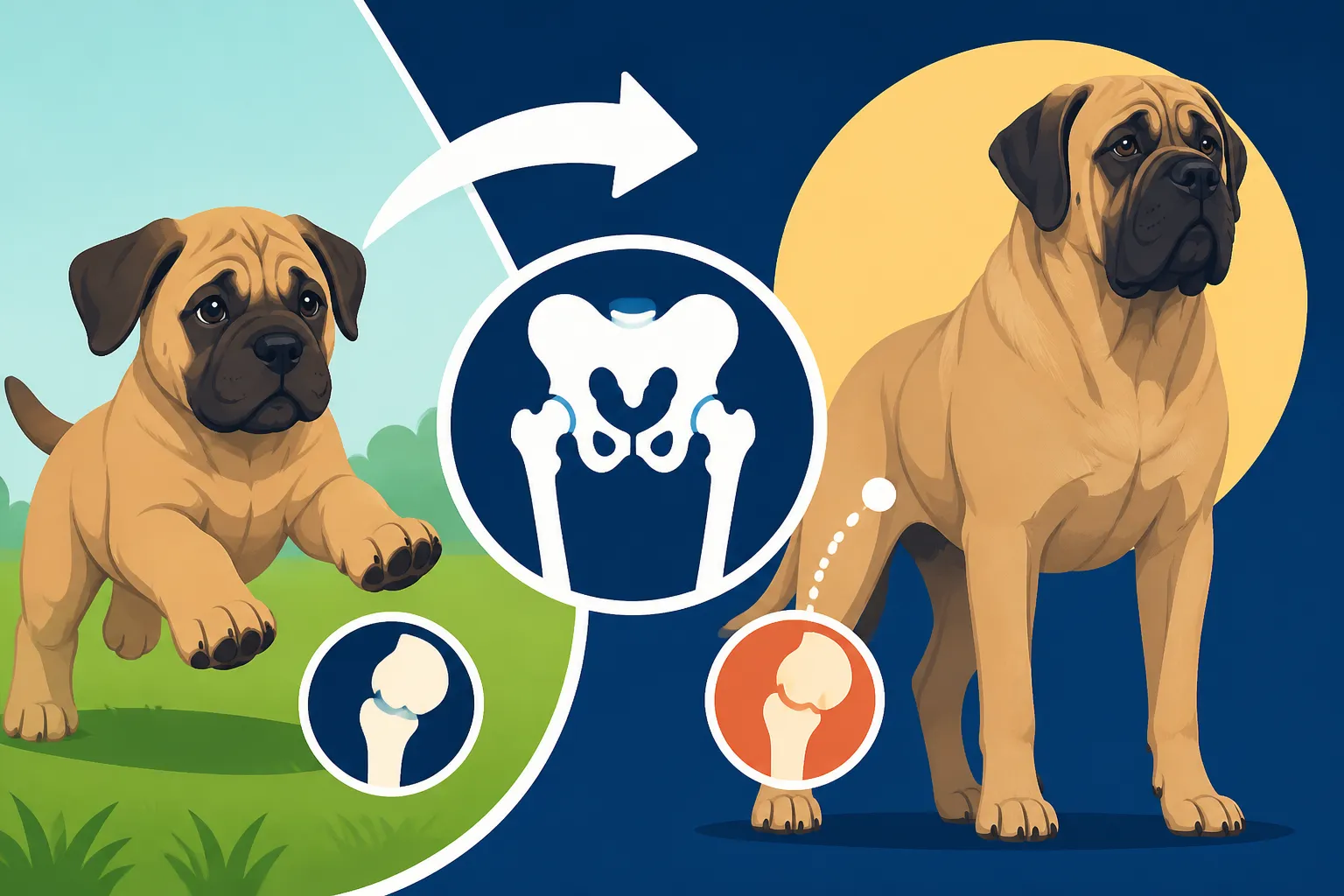
To really grasp hip dysplasia, it helps to visualize the hip joint itself. It's a classic "ball and socket" joint, similar to our own. The "ball" is the head of the femur (thigh bone), and the "socket" is the acetabulum, a concave depression in the pelvis. These two components are meant to fit together perfectly, allowing for smooth, fluid motion, cushioned by cartilage and held together by ligaments and surrounding muscles.
In a dysplastic hip, this ideal fit is compromised. The socket might be too shallow, or the ball might be flattened or misshapen. Crucially, there's often excessive laxity, meaning the ligaments holding the ball and socket together are too loose, allowing the femoral head to move too freely within the socket. This constant abnormal movement causes friction, wear, and tear on the cartilage and bone, leading to inflammation, pain, and eventually, degenerative joint disease (osteoarthritis). The sheer force exerted on these joints by a growing Mastiff means that even minor laxity can quickly escalate into significant problems, causing discomfort and limiting their natural gait.
Peeking into the Future: Early Hip Scoring Methods
As responsible Mastiff owners and prospective buyers, we all want to do everything in our power to ensure our dogs live long, healthy, and comfortable lives. One of the tools available to us is early hip scoring. These evaluations aim to provide an assessment of a puppy's hip joint health before they reach full skeletal maturity, offering a potential early warning system. There are primarily two widely recognized methods: OFA preliminary evaluations and PennHIP. Both offer insights, but they approach the assessment differently.
OFA Preliminary Evaluations: What They Are and How They Work
The Orthopedic Foundation for Animals (OFA) is a well-respected organization that has been evaluating canine hip and elbow health for decades. An OFA preliminary evaluation can be performed on Mastiff puppies as young as four months old, though it's most commonly done between four and twelve months. The process involves taking specific radiographs (X-rays) of your puppy's hips under sedation or anesthesia, ensuring they are positioned precisely to get a clear, diagnostic view. These X-rays are then sent to the OFA, where three independent, board-certified veterinary radiologists review them.
They assess various aspects of the hip joint's conformation, looking for signs of laxity, shallow sockets, or other indicators of dysplasia. Based on their findings, the hips are given a preliminary grade: Excellent, Good, Fair (all considered "normal" at this stage), or Borderline, Mild, Moderate, or Severe (indicating dysplasia). While these preliminary grades offer valuable information, it's crucial to understand they are just that – preliminary. They provide an opinion, but not a final certification, which only occurs once a dog is 24 months or older, as highlighted in The Age a Mastiff Is Certified by OFA. The purpose of these early scores is often to give breeders an indication of a litter's potential hip quality and to allow owners to adjust their puppy's exercise and care routine if a problem is detected.
PennHIP: A Deeper Dive into Joint Laxity
PennHIP, developed by the University of Pennsylvania, offers a different, often considered more objective, approach to assessing hip health. This method can also be performed on puppies as young as 16 weeks (four months). Unlike OFA, PennHIP requires three distinct radiographs. The first is a standard hip-extended view, similar to OFA's. The second is a compression view, which determines how tightly the femoral head fits into the acetabulum. The third, and perhaps most unique, is the distraction view. This view measures the maximum amount the femoral head can be distracted or moved out of the hip socket. This measurement, known as the Distraction Index (DI), is a quantitative assessment of hip laxity.
A lower DI score indicates tighter hips, while a higher score suggests more laxity and therefore a greater risk of developing hip dysplasia. PennHIP-certified veterinarians undergo specialized training to ensure the precise positioning required for these X-rays. Because it directly measures laxity, PennHIP is often considered more predictive of a dog's likelihood of developing hip osteoarthritis later in life, even in cases where hips appear "normal" on traditional X-rays. It offers a numerical value that can be compared against breed-specific averages, providing a clearer picture of where your Mastiff stands in terms of hip tightness.
The Practicalities of Getting Your Mastiff Puppy Scored
Deciding to get your Mastiff puppy's hips scored early is a proactive step many owners consider, especially given the breed's predisposition to hip issues. The ideal window for these preliminary evaluations is generally between 4 and 12 months for OFA prelims, and from 16 weeks for PennHIP. It's important to discuss the timing with your veterinarian, as they can guide you on the best age for your individual puppy based on their growth and development.
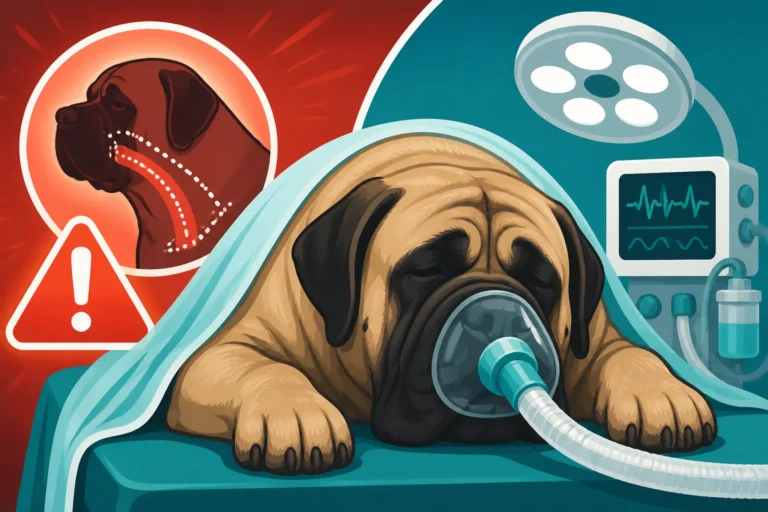
The procedure itself requires sedation or general anesthesia, as the precise positioning needed for the X-rays means your puppy must be completely still and relaxed. This might sound intimidating, but it's a routine procedure for veterinarians, and it ensures the quality of the radiographs for an accurate assessment. After the X-rays are taken, they are submitted to the respective organizations (OFA or PennHIP) for review by specialists. You'll typically receive the results within a few weeks. The cost can vary depending on your location and veterinary clinic, but it's an investment in your Mastiff's future health. Many owners find it worthwhile for the peace of mind it offers, and knowing what to expect can also help you budget for potential future needs, which a good pet insurance plan like those from Healthy Paws can also help cover.
The Million-Dollar Question: How Predictive Are These Early Scores?
This is where the rubber meets the road for many anxious Mastiff owners. You've gone through the process, invested the time and money, and now you have a preliminary score. But what does it really mean? Can you truly rely on these early assessments to predict your Mastiff's hip health years down the line? The answer, like with many things in giant breed care, is nuanced.
Understanding the "Preliminary" Nature of Early OFA Scores
The term "preliminary" is key here, especially for OFA evaluations. While an OFA preliminary score can be a strong indicator, it's not a guarantee. The reason is that a puppy's bones, joints, and ligaments are still developing and maturing rapidly. What looks "good" at 8 months might still develop some laxity by 24 months when final certification is typically done. Conversely, a "fair" or even "borderline" preliminary score doesn't automatically condemn your Mastiff to a life of hip pain. Sometimes, with careful management and growth, these milder cases can actually improve or at least not worsen significantly.
This uncertainty can be incredibly frustrating for owners. You want a definitive answer, a clear path forward. The reality is that studies have shown that while a high percentage of "Excellent" or "Good" preliminary scores remain high, there is a measurable percentage of hips that either improve or decline between the preliminary and final evaluations. It’s a snapshot in time, offering valuable insight but not etching your Mastiff's future in stone. It serves as a strong indicator of potential issues and is a critical tool for ethical breeders, but it doesn't account for all the environmental factors that can still influence joint development.
PennHIP's Claim to Higher Predictive Accuracy
PennHIP, with its quantitative measurement of hip laxity via the Distraction Index (DI), is often heralded as being more predictive than traditional OFA methods, especially at younger ages. The rationale is compelling: hip laxity is the primary precursor to hip dysplasia and subsequent osteoarthritis. By directly measuring this laxity, PennHIP aims to identify dogs at risk more accurately and earlier. A Mastiff puppy with a high DI, indicating significant laxity, has a statistically greater chance of developing hip osteoarthritis later in life, regardless of how "normal" their hips might look on a standard X-ray.
This objective, numerical approach can feel more reassuring for owners. It provides a clearer risk assessment, allowing for earlier intervention strategies if needed. However, even PennHIP isn't 100% foolproof. While it provides a robust genetic predisposition indicator, it still doesn't negate the impact of environmental factors. An otherwise genetically sound Mastiff could still develop issues if subjected to excessive, inappropriate exercise or an improper diet during its critical growth phases. Conversely, a dog with a higher DI might, with exceptional care and controlled growth, manage to avoid severe symptoms.
What Early Scores Can (and Cannot) Tell You
Early hip scores, whether OFA prelims or PennHIP, are powerful diagnostic tools, but they have their limitations. They can tell you:
- If severe dysplasia is already present: If a puppy's X-rays show clear signs of malformation or severe laxity at a young age, the prognosis for adult hip health is generally poor.
- A genetic predisposition: Particularly with PennHIP, a high distraction index indicates a higher genetic risk for developing hip dysplasia.
- Guidance for breeders: These scores are invaluable for breeders to make informed decisions about breeding lines, aiming to reduce the incidence of hip dysplasia in future generations. This helps explain The CHIC Four Plus the DNA Stack Behind a Mastiff's Price, as breeders invest heavily in these tests.
However, early scores cannot tell you:
- The absolute certainty of future health: A "good" score doesn't guarantee a Mastiff will never develop any hip issues, especially if environmental factors are ignored.
- The full impact of environment: They can't predict injuries, poor nutrition, or excessive exercise that might damage otherwise healthy hips.
- The exact onset or severity of symptoms: Even if a dog is predisposed, the age at which clinical signs appear and how severe they become can vary greatly.
- Whether a Mastiff Carrier of PRA Goes Blind Too or Whether a Mastiff's Retinal Folds Cause Blindness, which are entirely separate health concerns, demonstrates that these specific hip screenings are not a comprehensive health check. Each health aspect requires its own specific evaluation.
Ultimately, early hip scoring is a crucial piece of the puzzle, offering valuable insights into your Mastiff's hip conformation and potential genetic risk. It's a proactive measure that empowers owners with information, allowing them to make informed decisions about their puppy's care and management.
Beyond the Radiographs: Nurturing Healthy Hips in Your Growing Mastiff
While early hip scores offer a peek into the future, they are just one component of a holistic approach to ensuring your Mastiff enjoys optimal joint health. The choices you make every single day, particularly during their rapid growth phase, play an equally, if not more, significant role. You have the power to influence their development in profound ways, mitigating risks even if an early score wasn't perfect.
The Critical Role of Controlled Growth
One of the biggest mistakes well-meaning Mastiff owners can make is trying to push for rapid growth. It's tempting to want your puppy to reach their impressive adult size as quickly as possible, but for giant breeds, this is actually detrimental. Rapid growth puts immense stress on developing bones and joints, which are still soft and vulnerable. Instead, the goal is slow, steady, and controlled growth. This means paying very close attention to their diet.
Opt for a high-quality large or giant breed puppy food, specifically formulated for slow growth. These foods typically have a carefully balanced calcium-to-phosphorus ratio and moderate protein levels. While protein is essential, excessive protein, especially when combined with high calcium, can actually contribute to developmental orthopedic diseases. What Excess Calcium Does to a Mastiff's Elbows highlights how crucial this balance is, and the principles apply equally to hip development. Avoid free-feeding; instead, feed measured meals to prevent overeating and monitor your puppy's weight gain carefully. Your vet can provide a healthy growth curve to ensure your Mastiff isn't gaining How Fast a Mastiff Puppy Puts On Weight too quickly. Remember, a lean puppy is a healthy puppy, as every extra pound adds strain to those developing joints.
Smart Exercise for a Giant Puppy
This might sound counterintuitive for a dog breed that grows so large, but less is truly more when it comes to exercising a Mastiff puppy. Their growth plates, the soft areas at the ends of their bones where growth occurs, don't close until they are often 18-24 months old. Over-exercising a puppy, especially with high-impact activities, can cause irreparable damage to these delicate structures and significantly contribute to joint issues. This is why Why a Mastiff Puppy Must Not Be Exercised Hard is a mantra for responsible Mastiff owners.
Focus on short, controlled leash walks on soft surfaces, gentle play sessions, and plenty of mental stimulation. Avoid long hikes, strenuous running, jumping (on and off furniture, in and out of cars), and rough-and-tumble play with other dogs, especially larger ones, until they are fully mature. Stairs, in particular, are notorious for putting strain on developing hips and elbows, so if you have stairs, consider carrying your puppy or using ramps until they are older. If you notice any limping or odd gait, even transiently, pay close attention, as this could be The Shifting Lameness of a Growing Mastiff, a common concern in rapidly growing giant breeds that warrants veterinary attention.
Environmental Factors and Support
Beyond diet and exercise, the environment your Mastiff puppy grows up in can have a huge impact on their joint health. Think about the surfaces they spend their time on. Hardwood floors, tile, or other slippery surfaces can cause a Mastiff puppy to splay their legs, slip, and fall, putting sudden, damaging stress on their joints. Providing soft, supportive bedding in multiple areas of the house encourages them to rest comfortably without pressure points. Orthopedic beds designed for large breeds can be a great investment. Consider runners or rugs on slippery floors to give them better traction, especially in high-traffic areas.
As your Mastiff matures, maintaining a lean body condition remains paramount. Even a few extra pounds can significantly increase the load on their hips, accelerating the progression of arthritis in an already compromised joint. Regular veterinary check-ups are also crucial, allowing your vet to monitor their growth, assess their gait, and address any concerns promptly. Your vet might also suggest Joint Supplements for a Mastiff as a preventative measure or to support aging joints, often containing ingredients like glucosamine, chondroitin, and MSM. Discussing these options with your vet, and having a reliable pet insurance provider like Healthy Paws to help with vet costs, can make a real difference in managing your Mastiff's long-term health.
Planning for the Long Haul
Even with the best breeding, early screening, and diligent care, Mastiffs are giant dogs, and their size naturally predisposes them to joint issues as they age. Conditions like hip dysplasia and arthritis are sadly quite common in the breed. Understanding this reality allows you to plan effectively. Know that hip surgery can be incredibly expensive; What Hip Surgery Costs on a Mastiff is a significant financial consideration, and having pet insurance can be a game-changer.
As your Mastiff enters their senior years, which for this breed can begin as early as five years old, you'll likely start to see signs of Arthritis in a Mastiff at Four. This is where compassionate, proactive care, sometimes referred to as Caring for a Mastiff Past Five, becomes even more vital. This includes continuing joint supplements, maintaining a healthy weight, providing extra soft bedding, and potentially incorporating physical therapy or pain management strategies suggested by your veterinarian. The journey with a Mastiff is incredibly rewarding, but it does come with its unique challenges, and being prepared for the potential health costs, which can feel like The Mastiff's Short Life Buys the Biggest Bills, is part of responsible ownership.
| Feature | OFA Preliminary Evaluation | PennHIP Evaluation |
|---|---|---|
| Minimum Age | 4 months (most common 4-12 months) | 16 weeks (4 months) |
| Radiograph Type | Standard hip-extended view | Three views: standard, compression, distraction |
| Primary Measurement | Visual conformation assessment | Quantitative Distraction Index (DI) for laxity |
| Grading Output | Excellent, Good, Fair (Normal); Borderline; Mild, Moderate, Severe (Dysplastic) | DI score (0 to 1), lower is tighter |
| Predictive Power | Good for severe cases; less definitive for mild/borderline, can change. | Often considered more predictive for future hip OA due to direct laxity measurement. |
| Certification Status | Preliminary opinion; not a final certification until 24 months. | Provides a risk assessment for OA; no "final" certification but highly reliable. |
| Cost | Varies (X-rays + OFA fee) | Varies (X-rays + PennHIP fee, often higher due to specialized training/equipment) |
Disclaimer
The information provided in this article is intended for general knowledge and informational purposes only, and does not constitute veterinary advice. Always consult with a qualified veterinarian for any health concerns or before making any decisions about your Mastiff's medical care or treatment.