Heat and a Mastiff That Cannot Shed Its Own Bulk
Living with a Mastiff means embracing a dog of magnificent proportions, but those incredible dimensions come with a unique set of challenges, especially when the weather heats up. Many owners find themselves caught off guard by just how quickly these gentle giants can succumb to the summer sun, often thinking a short coat means less fuss. This guide is here to walk you through why a Mastiff struggles with heat more than most breeds, how to spot the early warning signs of trouble, and practical, empathetic strategies to keep your beloved companion safe and comfortable when temperatures rise.
Understanding the Mastiff's Unique Heat Challenges
It's not just about a furry coat; a Mastiff's entire physiology works against them when it comes to regulating body temperature in warm weather. Their sheer mass, combined with certain breed characteristics, means they are profoundly inefficient at dissipating heat. It’s a reality that requires diligent, proactive care from every Mastiff owner.
The Sheer Volume of a Mastiff's Body
Imagine trying to cool down a small car versus a large SUV with the same air conditioner. That's essentially the challenge your Mastiff faces. Their enormous body mass, often weighing between 120 to 230 pounds, means there's a huge volume of tissue that needs to stay cool. Unlike smaller dogs who have less mass to heat up and can often find relief in smaller, cooler spots, a Mastiff’s large body acts like a giant heat sink. Once their core temperature starts to climb, it takes a significant amount of effort and time for them to cool back down. This is particularly true during physical activity, where their large muscles generate even more internal heat.
Their surface area to volume ratio is also a factor. While a large dog has more surface area than a small dog, the ratio of their skin (where heat exchange happens) to their internal body mass is actually less efficient for cooling compared to a smaller, leaner animal. Think about it: a compact, dense Mastiff holds onto heat, whereas a thin, lanky Sighthound can radiate it away much more easily. This physiological truth means that even on a moderately warm day, what feels comfortable to you or a smaller dog might be pushing your Mastiff towards dangerous territory.
The Mastiff's Coat: Not Always as Simple as "Short"
Many people assume that because a Mastiff has a short, dense coat, they are inherently better equipped for heat than, say, a fluffy Malamute. This is a dangerous misconception. While they don't have the long, insulating fur of some northern breeds, their coat is still incredibly dense and thick. It's designed to protect them, but it's not particularly breathable for heat dissipation. Instead of shedding heat effectively, this dense, short coat can actually trap a layer of warm air close to their skin, preventing proper cooling.
Furthermore, Mastiffs shed, and they shed a lot. This dense undercoat, even if short, can become a formidable barrier against cooling breezes if not regularly brushed out. A buildup of dead hair acts like an extra blanket. While you might not think of a short-coated dog needing extensive grooming for heat management, a thorough brushing with a deshedding tool can actually help them regulate temperature by removing that insulating dead undercoat, allowing for better airflow to the skin. How Little Brushing a Mastiff's Coat Needs might surprise you, but don't let it fool you into thinking brushing isn't critical for heat.
Brachycephalic Tendencies and Respiratory Strain
While Mastiffs are not as extremely brachycephalic (short-nosed) as breeds like Bulldogs or Pugs, they do have a somewhat flattened face compared to longer-nosed breeds. This means their respiratory system isn't as efficient at cooling as that of a dog with a long muzzle. Dogs primarily cool themselves by panting, a process where moist air is evaporated from the tongue and mucous membranes of the respiratory tract, drawing heat away from the body.
A shorter snout, narrower nasal passages, and sometimes an elongated soft palate can restrict airflow, making panting less effective for a Mastiff. They have to work harder to breathe, which in turn generates more internal heat, creating a vicious cycle. You might notice your Mastiff's breathing sounding heavier or more labored even in mild heat, which is a clear sign their body is already struggling. This respiratory strain is a critical factor that puts them at a significantly higher risk for heatstroke compared to dolichocephalic (long-nosed) breeds. Always listen to your Mastiff's breathing.
Recognizing the Signs of Overheating in Your Gentle Giant
Catching the signs of overheating early can be the difference between a minor scare and a life-threatening emergency. Because Mastiffs are so susceptible, every owner needs to be hyper-vigilant and know exactly what to look for. Don't wait until it's too late; these dogs can go from slightly warm to critically overheated in a shockingly short amount of time.
Subtle Early Warning Signs to Never Ignore
Your Mastiff might be trying to tell you they're too hot before they even show obvious distress. The first signs are often subtle changes in behavior or body language. Keep an eye out for increased panting that seems heavier than usual for the activity level, or panting that doesn't subside quickly after coming inside. They might start seeking out cooler spots more intensely, trying to lie on tile floors, in the shade, or even digging at the ground. Their gums might appear a little darker red than normal, almost brick-red, rather than a healthy pink.
Another early indicator is a change in demeanor. A normally playful Mastiff might become sluggish, reluctant to move, or generally appear less enthusiastic. They might also become restless, unable to settle comfortably. You might notice their drool becoming thicker or more profuse, a consequence of their body trying to cool itself through evaporation. Pay attention to how they are walking; a slight unsteadiness or reluctance to put full weight on their feet can be a sign they're feeling unwell from the heat. These aren't just quirks; they're distress signals.
Advanced Symptoms and When It's an Emergency
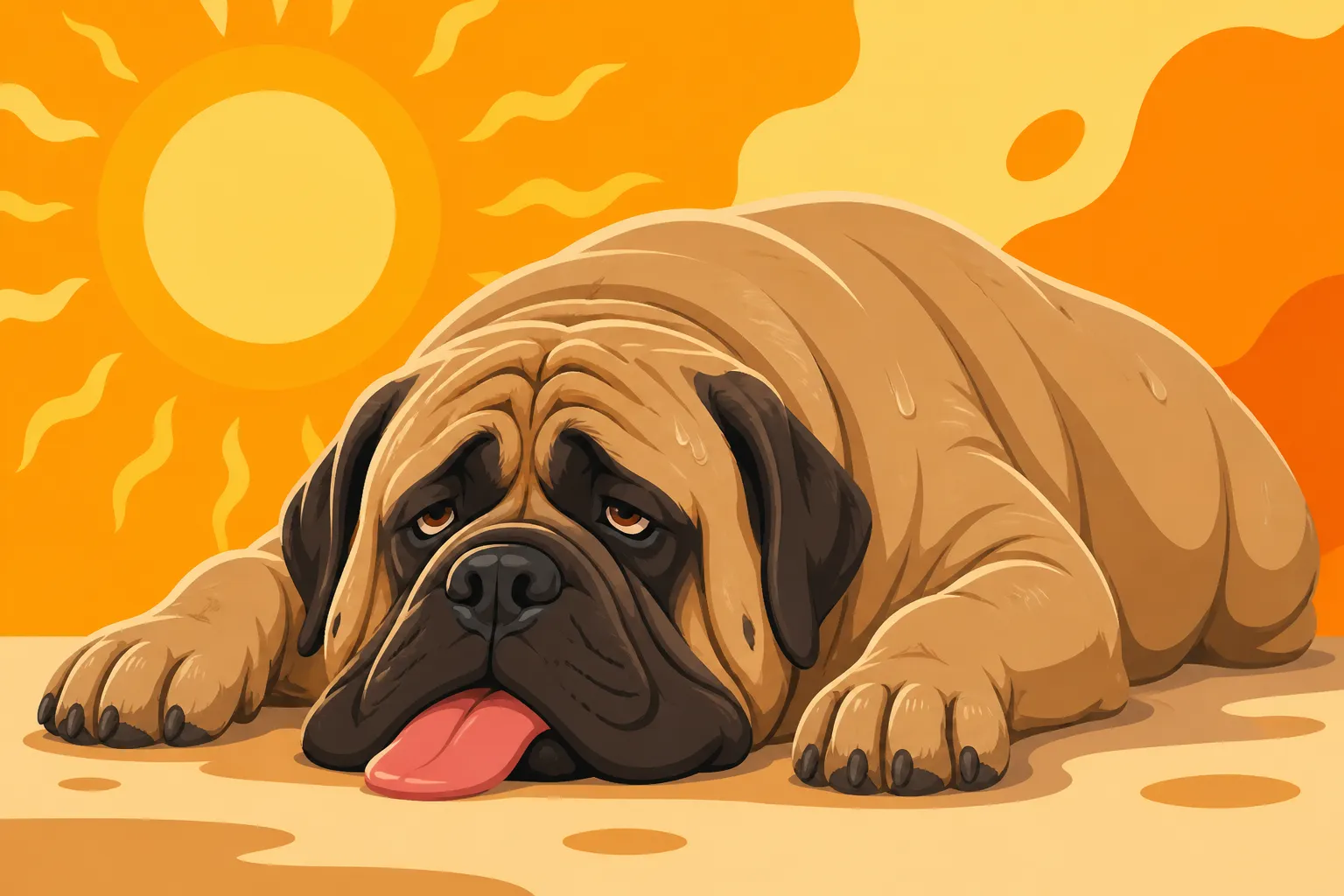
If the early signs are missed, overheating can quickly escalate into a full-blown emergency. At this stage, symptoms become much more severe. Look for extremely rapid, heavy panting that sounds strained or raspy. Your Mastiff's gums may turn bright red, purple, or even bluish as their oxygenation struggles. They might start vomiting, often with foamy or bloody vomit, or experience diarrhea. Dizziness, stumbling, or a complete collapse are critical indicators of heatstroke. Their body temperature will be noticeably high to the touch, and they may even have seizures or lose consciousness.
At this point, you are dealing with a medical emergency. Do not delay. Call your veterinarian immediately and inform them you are on your way with a suspected heatstroke case. Every minute counts when an internal temperature reaches dangerous levels, as organ damage can occur very rapidly. Knowing The Temperature at Which a Mastiff Should Stay Indoors is vital, but so is understanding that if these advanced symptoms appear, you need to act, not hesitate.
Distinguishing Normal Panting from Distress
All dogs pant, especially after exercise or when they're excited. It's their primary way of cooling down. So, how do you tell the difference between normal panting and panting that indicates distress? Normal panting is usually rhythmic and relatively quiet, with the dog's mouth open and tongue slightly out. Their gums should remain a healthy pink, and they should seem comfortable and responsive. After a few minutes of rest in a cool spot, normal panting should begin to subside.
Panting indicative of heat stress, however, is often frantic, shallow, and rapid. It might sound louder, almost like hyperventilating. The tongue may be fully extended and flattened, and the edges of the tongue might look darker red. You might see the white froth building around their mouth. Critically, this panting often doesn't slow down, even after a brief rest period, and the dog will appear increasingly anxious, restless, or sluggish. If your Mastiff is panting heavily while just lying down in a warm room, or if their panting intensifies instead of decreasing, it's a clear red flag. You need to intervene immediately by moving them to a cooler environment and assessing their condition. A helpful resource to consult is Signs a Mastiff Is Overheating, which goes into more detail.
Creating a Cool and Safe Environment for Your Mastiff
Prevention is truly the best medicine when it comes to Mastiffs and heat. Your home environment plays a massive role in their ability to stay cool and comfortable. Designing their living space with heat management in mind can make all the difference, especially during the warmer months or if you live in a hot climate.
Indoor Climate Control: AC, Fans, and Insulation
Air conditioning isn't just a luxury for a Mastiff; it's often a necessity. During hot spells, a properly functioning AC unit set to a comfortable temperature (usually between 72-75°F or 22-24°C) is crucial. If you don't have central air, consider installing window units in the rooms your Mastiff frequents. Fans can also be incredibly helpful, but they work by creating a wind-chill effect, which is less effective than actual cooling for dogs who primarily sweat through their paw pads and pant. Still, a good floor fan can help circulate air and provide some relief, especially if pointed towards their resting area.
Beyond active cooling, think about your home's insulation. Good insulation keeps heat out in summer and can dramatically reduce the burden on your AC. Keeping blinds and curtains closed during the hottest parts of the day can block radiant heat from the sun. If you have rooms that tend to stay cooler, like a basement, designate that as your Mastiff's primary hang-out spot during peak heat hours. Remember, even with AC, a Mastiff might still benefit from additional cooling aids, particularly if they're older or have underlying health conditions. How Much Cooling a Mastiff Household Needs can give you a deeper understanding of the demands.
Cooling Products and Designated Chill-Out Zones
There's a whole world of cooling products designed for pets that can be invaluable for a Mastiff. Cooling mats that use gel or water activation provide a cool surface for them to lie on, drawing heat away from their body. These are often available on platforms like Amazon and Chewy. Just ensure they are durable enough to withstand a Mastiff's weight and digging tendencies. Raised beds, which allow air to circulate underneath, can also be beneficial as they prevent heat from building up between the dog and the floor.
Creating dedicated "chill-out zones" in your home gives your Mastiff a go-to spot for relief. This might be a quiet corner with a cooling mat, a fan, and a bowl of fresh, cool water. Some owners even use kiddie pools filled with an inch or two of water for outdoor relief, but always supervise them closely, as Mastiffs aren't naturally strong swimmers and can easily overheat while playing in water if they're exerting themselves. For indoor cooling, you might consider draping damp, cool towels over them, focusing on areas like their armpits and groin where major blood vessels are close to the surface.
Protecting Your Mastiff from Radiant Heat Sources
Radiant heat is heat transferred by electromagnetic waves – think of the sun beating down, or heat radiating off concrete or asphalt. These sources can be incredibly dangerous for Mastiffs. Indoors, ensure your Mastiff isn't lying directly in a sunbeam, even if the room itself is cool. A sunbeam can rapidly increase their body temperature. Move their bed or provide shade in sun-prone areas.
Outdoors, avoid walking your Mastiff on hot pavement, asphalt, or sand. These surfaces absorb and radiate heat, which can not only burn their paw pads but also increase their overall body temperature significantly. Even grass can become hot. Always test the ground with the back of your hand; if it's too hot for your hand, it's too hot for your Mastiff's paws. During hot weather, walks should be relegated to early mornings or late evenings when surfaces have had a chance to cool down. Provide ample shade in your yard, and consider a tarp or sail to create extra cool spots if natural shade is lacking.
Smart Exercise and Outdoor Management for Heat Safety
The desire to provide adequate exercise for your Mastiff is commendable, but in warm weather, it's crucial to prioritize safety over activity. These dogs are not built for strenuous exercise, especially when the mercury rises. Overdoing it can quickly lead to dangerous overheating, making careful planning absolutely essential.
Timing Walks and Outdoor Play Strategically
When the weather forecast predicts high temperatures, your Mastiff's outdoor schedule needs a complete overhaul. Forget midday walks or active playtime in the afternoon. The safest times for any outdoor activity are typically the very early morning, just after sunrise, or late in the evening, after the sun has set and the air has cooled considerably. Even then, exercise should be kept brief and low-impact.
On truly hot and humid days, it might be best to skip outdoor walks entirely, opting instead for short potty breaks directly onto cool grass. Mental stimulation and indoor play can often substitute for physical exertion, keeping your Mastiff engaged without risking their health. Indoor games like hide-and-seek with treats, puzzle toys, or even a short training session can burn mental energy and prevent boredom. This diligent timing is even more critical for younger Mastiffs, as Why a Mastiff Puppy Must Not Be Exercised Hard emphasizes, even without the added heat factor.
Limiting Intensity and Duration of Activity
Even during cooler parts of the day, moderation is key for a Mastiff in warm conditions. Intense activities like running, vigorous fetch, or long hikes are simply too risky. Their large bodies generate a tremendous amount of internal heat during exertion, and their cooling mechanisms struggle to keep up. Opt for slow, leisurely strolls rather than brisk walks, and keep them short. A ten to fifteen-minute walk might be all your Mastiff can safely handle when it's warm.
Watch your Mastiff constantly for any signs of labored breathing or lagging behind. If they start panting heavily or show any discomfort, stop immediately and find a cool, shaded spot. Always carry water for both of you, offering it frequently. Consider a portable bowl that can attach to your water bottle. For their daily requirement, How Much Water a Cystinuric Mastiff Needs is a good guideline, showing just how important water intake is. Remember, a Mastiff's natural inclination is often to conserve energy, and in warm weather, we need to respect that instinct.
Understanding Surfaces and Paw Pad Protection
As mentioned earlier, hot surfaces are a significant danger. Pavement, asphalt, sand, and even artificial turf can absorb and hold heat, reaching temperatures that can cause severe burns to paw pads in minutes. Always check the surface with your hand before allowing your Mastiff to walk on it. If you can't comfortably hold your hand there for five to seven seconds, it's too hot for their paws.
Stick to grass or shaded, natural trails when possible. If you must walk on potentially hot surfaces, consider using protective paw booties. While some Mastiffs might resist them at first, getting them accustomed to wearing booties can be a lifesaver for their paws and help reduce overall heat absorption from the ground. Even if the air temperature feels acceptable to you, the ground temperature can be much higher, so diligence here is non-negotiable.
Hydration and Nutrition Strategies in Warm Weather
What your Mastiff eats and drinks, and when, can significantly impact their ability to cope with heat. Proper hydration is paramount, and sometimes slight adjustments to their feeding routine can further support their well-being during hot periods. It's all about making their internal systems as efficient as possible for temperature regulation.
Ensuring Constant Access to Fresh, Cool Water
This might sound obvious, but it's worth reiterating: your Mastiff needs unfettered, constant access to fresh, cool water, 24/7. Dehydration makes them even more susceptible to heatstroke. Have multiple water bowls around the house and outside, ensuring they are always full and clean. Consider using heavy, ceramic bowls that are harder to tip over and help keep water cooler for longer than plastic. For travel, portable bowls are essential.
Some Mastiffs enjoy ice cubes in their water or even frozen treats made from diluted broth or dog-safe fruit (like watermelon, without seeds). These can encourage drinking and provide a little internal cooling. During especially hot days, you might even change the water in their bowls more frequently, ensuring it remains cool and inviting. A large dog like a Mastiff needs to drink a substantial amount of water, and if the water is warm or dirty, they might be less inclined to drink enough. You can find durable water bowls and hydration accessories on Chewy or Amazon.
Adjusting Meal Schedules and Food Types
The digestive process itself generates heat within the body. In hot weather, feeding a large meal during the hottest part of the day can add unnecessary internal heat stress. It's often beneficial to adjust your Mastiff's feeding schedule, offering smaller meals during the cooler morning and evening hours. Splitting their daily ration into three smaller meals rather than two large ones can also help.
While How Much an Adult Mastiff Eats for Its Size gives you a general idea, consider the type of food too. Some owners believe that "fresh food" diets, such as those from Ollie, or those higher in moisture content, might aid in hydration, though the primary source of water should always be their water bowl. Rich, heavy foods might also be harder to digest, potentially creating more internal heat. Sticking to their regular, high-quality giant breed formula is usually best, but discuss any significant dietary changes with your vet. Avoid giving them large quantities of human food, especially fatty items, as this can upset their stomach and lead to further issues.
Supplements and Cooling Treats
While no supplement can prevent heatstroke, some can support overall health, which in turn can help your Mastiff cope better with environmental stressors. Joint supplements, for example, are often recommended for Mastiffs due to their size, and while not directly related to heat, maintaining their physical comfort is always a good idea. Joint Supplements for a Mastiff are a common consideration.
As for cooling treats, frozen items can be a welcome relief. Aside from ice cubes, you can freeze Kongs stuffed with wet food or peanut butter, make "pupsicles" from plain yogurt (check for xylitol in human brands!) and fruit, or offer chilled carrots. Just ensure any treats are dog-safe and given in moderation. Remember, these are supplemental to proper hydration and environmental cooling, not a replacement for them. Always check with your vet before introducing new supplements or making significant dietary changes, especially for a breed prone to specific health issues.
Emergency Measures: What to Do If Your Mastiff Overheats
Despite all best efforts, sometimes a Mastiff can still overheat. When this happens, quick, decisive action is critical. Knowing exactly what to do can save their life. There's a fine line between helping and accidentally harming, so stick to proven first aid steps and prepare for immediate veterinary care.
Immediate First Aid Steps at Home
If you suspect your Mastiff is overheating, the very first thing to do is remove them from the heat source. Move them indoors immediately to an air-conditioned room or the coolest spot available. Start actively cooling them down.
Here's how:
- Cool Water: Gently wet their entire body with cool (not ice-cold) water. Focus on the chest, abdomen, armpits, and groin where major blood vessels are close to the surface. You can use a hose on a gentle mist setting, wet towels, or sponge them down. Do NOT use ice water, as this can constrict blood vessels, shunting blood away from the skin and actually hindering cooling, and can also induce shivering, which raises body temperature.
- Fans: Place a fan directly on them to promote evaporative cooling.
- Hydration: Offer small amounts of cool water if they are conscious and able to drink. Do not force water on them.
- Monitor: Continuously monitor their temperature if you have a rectal thermometer. Aim to bring their temperature down to about 103°F (39.4°C) before stopping active cooling.
- Seek Vet Care: As soon as you begin cooling, contact your veterinarian or emergency veterinary clinic immediately. Inform them of the situation and your estimated arrival time. Even if your Mastiff seems to recover, they need professional medical assessment for potential internal damage. How Long a Bloating Mastiff Has Before Surgery reminds us that time is critical in many Mastiff emergencies, and heatstroke is no exception.
When to Rush to the Vet and What to Expect
Let's be clear: any Mastiff showing signs of advanced heatstroke (collapse, seizures, vomiting, dark red/purple gums, unresponsiveness) needs to get to an emergency veterinary clinic right now. Do not wait to see if they improve. Call on the way to alert them so they can be ready the moment you arrive.
At the veterinary clinic, the team will continue active cooling measures while monitoring your Mastiff's core temperature. They'll likely administer intravenous fluids to combat dehydration and support organ function. Blood tests will be run to check for electrolyte imbalances, organ damage (especially kidney and liver), and clotting abnormalities, which are common complications of severe heatstroke. Your Mastiff may need oxygen therapy, medication to protect their brain, or other supportive care depending on the severity of their condition. The recovery from severe heatstroke can be long and complicated, and some dogs may suffer permanent organ damage. Be prepared for potentially significant costs and a stressful period of care.
Post-Crisis Care and Recovery
Even after your Mastiff's temperature has returned to normal and they are stabilized, the danger isn't necessarily over. Organ damage from heatstroke can manifest hours or even days later. Your veterinarian will provide specific instructions for at-home care, which may include special diets, medications, and strict rest. It’s crucial to follow these instructions precisely and attend all follow-up appointments.
During recovery, keep your Mastiff in a cool, quiet environment. Avoid any strenuous activity or excitement. Offer small, frequent meals if they are eating, and ensure they have continuous access to fresh water. Watch closely for any recurring symptoms or new signs of illness, and report them to your vet immediately. The experience of heatstroke can be traumatic, and your Mastiff may be subdued or anxious for a while. Provide plenty of gentle reassurance and a calm environment to aid their full recovery. Prevention remains the ultimate goal; once a Mastiff has suffered heatstroke, they are often more susceptible to it in the future.
Seasonal and Regional Considerations for Mastiff Owners
Living with a Mastiff means becoming acutely aware of the weather, not just in summer, but throughout the year. Different climates and seasons present unique challenges for these massive dogs, requiring owners to adapt their care strategies accordingly. Planning ahead is key to their comfort and safety.
Preparing for Summer: Proactive Planning
Summer doesn't just arrive; it approaches, giving you time to prepare. Don't wait until the first heatwave hits to get your cooling strategy in place. Start by ensuring your home's air conditioning system is serviced and working efficiently. If you rely on fans, check that they are clean and operational. Stock up on cooling mats or other gear from places like Chewy or Amazon before demand surges. Consider what Which Cooling Gear Works on a Mastiff might be best for your specific dog.
Review your Mastiff's grooming routine. Regular brushing to remove dead undercoat can significantly improve their ability to dissipate heat. Adjust your walking schedule in advance, shifting to early mornings and late evenings as temperatures begin to climb. Identify the coolest spots in your house and yard. Think about travel plans: if you anticipate driving with your Mastiff, ensure your vehicle's AC is strong enough and plan frequent, shaded breaks. How Long a Mastiff Has in a Warm Car is a vital piece of information to consider when planning any car trips, no matter how short.
Managing Heat in Different Climates and Lifestyles
The needs of a Mastiff in Arizona are vastly different from one in Oregon. If you live in a perpetually hot or humid climate, your vigilance needs to be year-round. This might mean keeping your Mastiff indoors almost exclusively during daylight hours, having robust air conditioning, and investing in multiple cooling solutions. For those in more temperate zones, heat management might be a seasonal concern, but it's still critical during peak summer months.
Your lifestyle also plays a role. If you work long hours, ensuring your home environment remains cool and safe while you're away is paramount. Smart thermostats can be a lifesaver, allowing you to monitor and adjust temperatures remotely. If your Mastiff spends time outdoors, ensure they have constant access to deep shade and fresh water, and that their area is safe from radiant heat from concrete or asphalt. Never assume they can just "tough it out"; their size makes them uniquely vulnerable.
Travel Safety and Heat Precautions
Traveling with a Mastiff, particularly in warm weather, requires meticulous planning. As mentioned, hot cars are deadly. Even with windows down, temperatures can climb rapidly. If you must travel, do so during the coolest parts of the day, ensure your vehicle's AC is running strong, and make frequent stops in shaded areas for water and potty breaks. Consider bringing your Mastiff's cooling mat for rest stops.
For longer trips or moves, flying a giant breed like a Mastiff is often impossible or extremely risky due to temperature restrictions in cargo holds. Why Airlines Will Not Fly a Mastiff explains why this is often the case. Driving in a climate-controlled vehicle becomes the only viable option for many. If staying in hotels, confirm they are pet-friendly and that you'll have adequate space and cooling for your Mastiff. Always prioritize their safety and comfort over convenience when traveling.
Common Misconceptions About Mastiffs and Heat
There are many myths and misunderstandings surrounding large breeds and their heat tolerance. Dispelling these can help owners make better, safer decisions for their Mastiffs. It's easy to project human ideas of toughness onto these imposing dogs, but their physiology tells a different story.
"They're Big, They Can Handle Anything"
This is perhaps the most dangerous misconception of all. While a Mastiff's size and powerful build might suggest resilience, when it comes to heat, their size is a significant disadvantage. As we've discussed, their large body mass heats up quickly and struggles to cool down efficiently. Their deep chests and substantial muscle mass generate considerable internal heat during any activity.
This myth often leads owners to inadvertently put their Mastiffs at risk, assuming a quick romp in the yard on a warm day or a slightly longer walk won't hurt. In reality, it can be fatal. A Mastiff's robust appearance hides a vulnerability to heat that requires constant awareness and proactive management. Think of them as magnificent, but thermally challenged, athletes. Keeping a Mastiff Lean on Purpose can also aid in their general health and heat tolerance, as excess weight only exacerbates the issue.
"A Short Coat Means They're Fine in the Sun"
We covered this partially under the "Coat" section, but it bears repeating. A short coat does not equate to heat tolerance. In fact, a short, dense coat can act like a heat-trapping blanket rather than a breathable layer. Furthermore, a short coat provides less protection from the sun's UV rays than a longer, thicker coat, making them susceptible to sunburn, especially on lighter-colored skin or sparse areas.
The key factor is the efficiency of their cooling mechanisms, primarily panting, and their body's ability to radiate heat away. Neither of these is particularly efficient in a Mastiff. So, while they might appear sleek and less "fluffy" than some other breeds, their internal thermostat is still working overtime in warm conditions. Shade is always their best friend outdoors.
"Swimming Is a Great Cooling Plan for a Mastiff"
While swimming can be a fantastic, low-impact exercise for some dogs, it's not universally a "cooling plan" for a Mastiff, and it comes with significant caveats. First, Mastiffs are not naturally buoyant or agile swimmers. Their massive body mass and relatively short legs mean they have to work incredibly hard to stay afloat and move through the water. This exertion itself can generate a lot of heat, counteracting any cooling effect from the water.
Moreover, if they ingest too much water, they are at risk of water intoxication, and if they get exhausted, their sheer weight makes them extremely difficult to rescue. Whether a Mastiff Should Swim for Its Joints might highlight the benefits for their musculoskeletal system, but for cooling, it's a risky strategy. If you do allow your Mastiff in water, it should be very shallow, supervised closely, and only for short periods. A gentle splash in a kiddie pool with just an inch or two of water, allowing them to lie down and cool their belly, is a far safer option than deep swimming as a cooling method.
| Sign Category | Early/Mild Overheating | Advanced/Severe Overheating |
|---|---|---|
| Panting/Breathing | Increased, heavier panting than usual, restless panting | Extremely rapid, strained, raspy panting; struggling to breathe |
| Gums/Tongue | Darker red gums, tongue fully extended | Bright red, purple, or bluish gums; thick, rothy drool |
| Behavior | Sluggish, seeking cool spots, reluctant to move, restless | Dizziness, stumbling, collapse, seizures, unresponsiveness |
| Gastrointestinal | May refuse food or water | Vomiting (possibly bloody/foamy), diarrhea |
| Body Temperature | Noticeably warm to touch | Very high (above 104°F/40°C) |
| Other | Thick drool, glazed eyes, slight unsteadiness | Bloody diarrhea, pinpoint red spots on gums (petechiae) |
Disclaimer
This article is for general informational purposes only and does not constitute professional advice. Laws, prices and regulations vary by location and change over time. Consult a qualified professional for guidance on your specific situation.