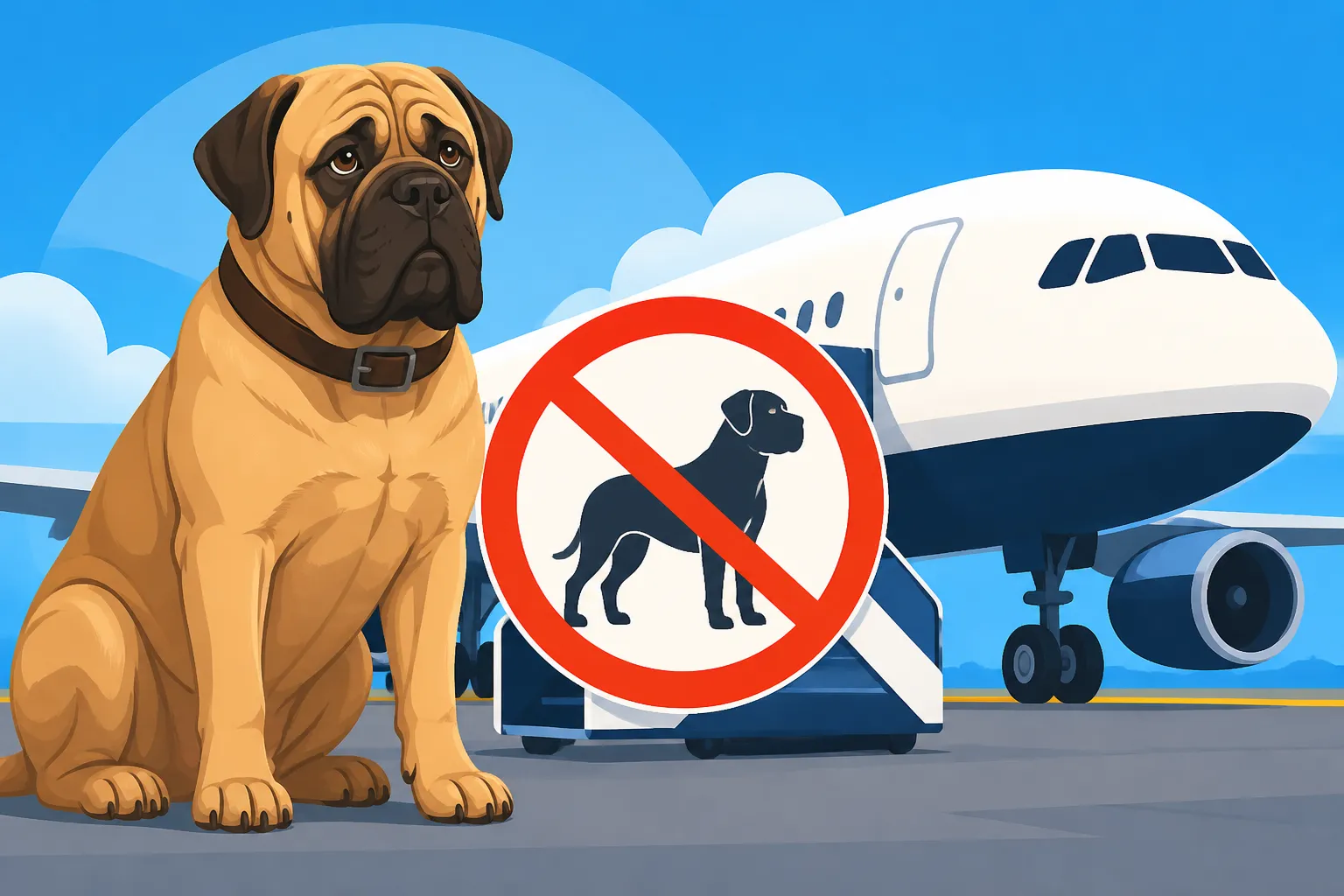
Why Airlines Will Not Fly a Mastiff
It’s a frustrating moment when you’re planning a trip, picturing your magnificent Mastiff by your side, only to hit a brick wall: the airlines won't fly them. For many Mastiff owners, the dream of taking their gentle giant on a vacation or even relocating them across the country by air quickly turns into a logistical nightmare. This guide is here to shed light on precisely why airlines have such strict policies when it comes to flying large and brachycephalic breeds, and what your realistic alternatives are for ensuring your Mastiff travels safely and comfortably.
The Sheer Scale of the Challenge: Size and Weight Limitations
When you own a Mastiff, you're accustomed to their impressive size. They are, after all, one of the largest dog breeds in the world. But what fits comfortably in your home or car becomes an entirely different proposition when you’re talking about an aircraft cargo hold. Airlines aren't just being difficult; they're operating within very real physical constraints.
Physical Space in Aircraft Cargo Holds
Imagine trying to fit a small car into an overhead locker – that's a bit how it feels for an airline trying to accommodate a crated Mastiff. Commercial aircraft cargo holds are designed with specific dimensions for loading and unloading. These spaces, while often referred to as "cargo," are not boundless caverns. They have door sizes, ceiling heights, and internal layouts that are optimized for standard luggage and commercial freight.
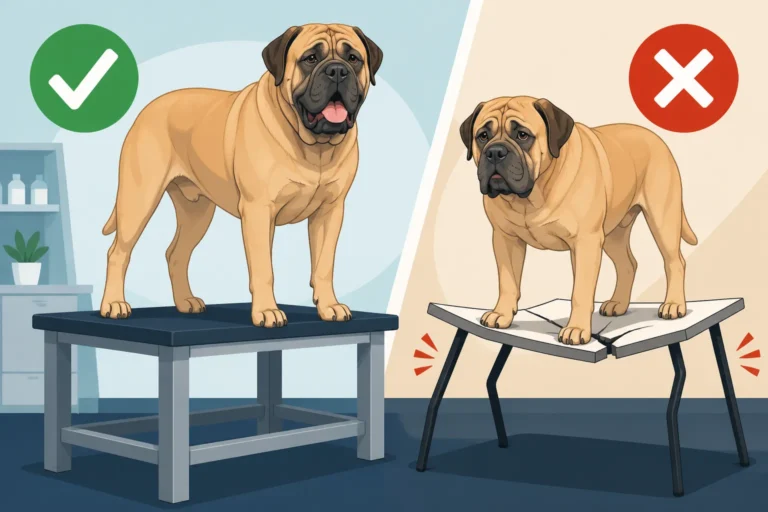
A travel crate suitable for a full-grown Mastiff is an enormous piece of equipment. We're talking about dimensions that can easily exceed 40 inches high, 30 inches wide, and 50 inches long, sometimes even larger depending on the individual dog's size. Many cargo doors simply aren't big enough to maneuver such a crate, especially on smaller planes or certain aircraft models. Even if the door were wide enough, the internal layout of the hold might not have the clear path or designated space needed to properly secure a crate of that magnitude without obstructing other essential systems or cargo. The logistics of getting a massive, heavy-duty crate through tight turns and into a specific spot on a plane are a considerable challenge, even for experienced ground crews.
Weight Restrictions and Aircraft Stability
Beyond just the physical space, there's the equally significant issue of weight. A male Mastiff can easily weigh between 160 and 230 pounds, with some individuals tipping the scales even higher. Remember Zorba the Mastiff Weighed Three Hundred and Forty Three Pounds! Add to that the weight of a robust, airline-approved travel crate, which can easily be another 50 to 100 pounds. You're quickly looking at a total package that can weigh upwards of 250 to 300 pounds, or even more.
Airlines have strict weight limits for individual cargo items, not just for overall aircraft payload, but also for specific areas within the cargo hold to maintain balance and structural integrity. A single item weighing several hundred pounds, especially if it's live animal cargo that needs careful handling, can strain equipment and procedures. The forces involved in takeoff, landing, and turbulence mean that every pound must be accounted for and secured appropriately. Carrying such an immense weight in the cargo hold, especially when factoring in the potential for other animals or freight, can push an aircraft's operational limits, making it a non-starter for safety-conscious airlines. This is just one example of What a Mastiff's Weight Does to Every Line on the Vet Invoice.
Health and Safety Risks: Why Flying Poses a Danger to Your Mastiff
While the logistical challenges are formidable, the primary reason airlines are reluctant to fly Mastiffs often comes down to the breed’s specific health vulnerabilities during air travel. Airlines prioritize animal welfare, and unfortunately, the conditions in an aircraft cargo hold can be perilous for our heavy-boned, sometimes short-nosed friends.
Brachycephalic Syndrome and Respiratory Distress
Mastiffs, while not as severely brachycephalic as a Pug or Bulldog, do have somewhat shortened muzzles and a broad skull. This anatomical structure can predispose them to Brachycephalic Obstructive Airway Syndrome (BOAS), a condition that makes breathing more difficult, especially under stress or in certain environments. Air travel, with its changes in atmospheric pressure, confined spaces, and variable temperatures in the cargo hold, significantly elevates the risk of respiratory distress for these breeds.
The stress of travel itself can cause a Mastiff to pant more, which, combined with their already compromised airways, can lead to overheating and an inability to cool themselves effectively. Their impressive bulk means they struggle to dissipate heat efficiently, making them vulnerable to hyperthermia even in moderately warm environments. Many airlines have outright bans on brachycephalic breeds due to the tragically high incidence of respiratory emergencies and fatalities during flight. It's a heartbreaking reality, but one that airlines are forced to acknowledge to prevent harm.
Temperature Extremes and Ventilation Concerns
Even in pressurized cargo holds, the environment isn't always as stable as the passenger cabin. While airlines strive for controlled conditions, temperature fluctuations can occur, particularly during ground delays, loading, and unloading. A Mastiff’s sheer body mass and sometimes thicker coat mean they are particularly susceptible to overheating. Imagine Heat and a Mastiff That Cannot Shed Its Own Bulk being confined in a crate on a tarmac in the summer sun, even for a short period before loading, or experiencing a dip in temperature during a winter flight. Their ability to regulate body temperature is less efficient than many other breeds.
Ventilation, too, can be a concern. While cargo holds are certainly ventilated, the air circulation might not be as robust or consistent as in the main cabin, especially around tightly packed crates. This can exacerbate respiratory issues and contribute to overheating. The danger is that once a Mastiff begins to struggle, intervention during flight is impossible. Ground crews or flight attendants cannot access the cargo hold mid-flight to check on an animal, making any emergency unmanageable until arrival. This is why many carriers have stringent The Temperature at Which a Mastiff Should Stay Indoors limits for pet travel.
Stress, Anxiety, and Emergency Preparedness
For a Mastiff, air travel is an incredibly stressful experience. They are sensitive dogs, despite their imposing appearance. Being separated from their owners, confined in a crate in a noisy, unfamiliar, and vibrating environment, can cause significant anxiety. This stress alone can trigger physiological responses that can compromise their health, especially for a breed prone to bloat or other stress-related issues. The massive noise of the engines can also be terrifying for a dog that relies on its hearing to understand its environment.
Furthermore, consider the emergency preparedness. If a Mastiff were to experience a medical emergency, such as bloat (gastric dilatation-volvulus), a heart issue, or severe anxiety leading to injury, there is no way for anyone to assist them during the flight. The lack of immediate veterinary care or even simple human comfort can be devastating. Even in a minor emergency, such as a crate failure, the sheer size and power of a distressed Mastiff would make containment and handling an impossible task for airport staff. The risks involved are simply too high for both the animal's welfare and the safety of personnel. Knowing Why Anesthesia Is Riskier in a Mastiff for routine procedures further highlights the danger of uncontrolled emergencies.
Airline Policies and Industry Standards: A System Built on Caution
Given the inherent risks and logistical hurdles, it’s no surprise that airline policies are heavily weighted towards caution. These aren’t arbitrary rules; they are the result of years of experience, tragic incidents, and a desire to minimize liability while adhering to professional guidelines.
Liability and Reputation Management
Airlines operate in a highly regulated and scrutinized environment. When an animal is transported, they assume a significant level of responsibility for its well-being. If an animal is injured, becomes severely ill, or worse, dies during transit, the legal and reputational fallout for the airline can be immense. For a beloved breed like the Mastiff, which holds a special place in the hearts of its owners, any negative incident would undoubtedly lead to widespread public condemnation and significant financial penalties.
To mitigate these substantial risks, it becomes much safer and simpler for airlines to implement blanket restrictions. Rather than trying to assess each individual Mastiff's health, temperament, and exact crate dimensions for every flight, it’s more pragmatic from a business and safety standpoint to simply state that the breed cannot fly in cargo. This approach protects both the airline and, ultimately, aims to prevent tragic outcomes for the animals.
IATA Regulations and Best Practices
The International Air Transport Association (IATA) sets out comprehensive Live Animals Regulations (LAR), which are the global standard for transporting animals by air. While not always legally binding in every country, these regulations are widely adopted and heavily influence airline policies worldwide. IATA's guidelines specifically address concerns for brachycephalic breeds and extremely large animals, often advising against their transport in cargo due to the heightened risks.
These regulations cover everything from crate specifications (size, ventilation, material) to temperature guidelines, feeding schedules, and health requirements. For large breeds, the guidelines emphasize the need for adequate space to stand, turn around, and lie down naturally, which often translates to exceptionally large and heavy crates. For breeds susceptible to respiratory issues, IATA's stance is often one of extreme caution. Airlines, wishing to align with industry best practices and demonstrate their commitment to animal welfare, frequently translate these cautionary recommendations into outright prohibitions for breeds like the Mastiff.
The Realities of Current Air Travel Policies
It's common for owners to hope that maybe "their" Mastiff is an exception, or that a small, regional airline might be more flexible. However, the reality is that most major airlines and even smaller carriers have significantly tightened their pet travel policies over recent years. The era of being able to easily ship a giant breed like a Mastiff in cargo is, for the most part, over. Even services offering "pet cargo" often have strict weight and breed restrictions that explicitly exclude Mastiffs and similar giants.
There's a common misconception that if you could fly an animal once, you can always do it. This isn't true for many breeds today. Policies evolve, usually becoming stricter in response to incidents or a better understanding of animal physiology under stress. It's crucial for Mastiff owners to assume that commercial air travel is not a viable option and plan accordingly. This current reality is important to understand when researching What a Mastiff Puppy Costs in 2026 or What Insuring a Mastiff for Its Six to Ten Years Costs.
Alternative Travel Options: Getting Your Gentle Giant Where They Need to Be
So, if flying is largely out of the question for your beloved Mastiff, what are your options? Thankfully, there are several safe and reliable ways to transport your big dog, focusing on minimizing stress and maximizing comfort.
Road Tripping: The Most Viable Solution
For most Mastiff owners, a good old-fashioned road trip is by far the safest and most comfortable way to travel with their dog. This option gives you complete control over the environment, schedule, and your dog's well-being. You can stop whenever needed for potty breaks, stretches, food, and water. You control the temperature in the vehicle, and your Mastiff can remain close to you, reducing separation anxiety.
When planning a road trip with a Mastiff, ensure you have a vehicle large enough to accommodate them comfortably and safely. This often means an SUV, minivan, or truck. Secure your Mastiff in a crash-tested crate that fits appropriately, or use a sturdy harness designed for car travel, tethered to a seatbelt. Pack plenty of water, food (perhaps from Ollie for freshness), bowls, waste bags, and familiar bedding. Plan your route to include pet-friendly hotels or campsites. Remember, a long car ride is still an endurance test, so frequent breaks are key. Check out Chewy for heavy-duty car ramps or larger travel crates if you need new gear. Whether a Mastiff Forces You to Buy a Bigger Vehicle is a real consideration here.
Professional Ground Transport Services
If driving yourself isn't feasible, specialized professional pet transport services are an excellent alternative. These companies focus exclusively on animal welfare and logistics, often using climate-controlled, custom-fitted vehicles. They employ experienced handlers who understand the specific needs of large breeds and are trained to recognize signs of stress or illness.
These services typically offer door-to-door transport, meaning your Mastiff will be picked up from your home and delivered directly to your destination, minimizing transfers and unfamiliar environments. While this option can be significantly more expensive than driving yourself, it often provides peace of mind, knowing your Mastiff is in expert hands. Before booking, thoroughly research companies, read reviews, and ensure they have specific experience with giant breeds like Mastiffs. Ask about their protocols for emergencies, hydration, and comfort during transit. Compare this to the potential costs of What Driving to Collect a Mastiff Puppy Costs if you were to do it yourself.
Exploring Private or Charter Flights (with caveats)
For those with significant financial resources, a private or charter flight might seem like an ideal solution. These flights often offer more flexibility with pet policies, sometimes allowing dogs to travel in the cabin with their owners, or in specialized cargo areas with better temperature and pressure control. This can eliminate many of the logistical and environmental concerns of commercial cargo travel.
However, even with private flights, it's crucial to understand that not all aircraft are created equal, and some may still have limitations on weight or cargo space. More importantly, the inherent health risks for a brachycephalic and giant breed during air travel – especially those related to respiratory strain and heat intolerance – still exist, even in a more controlled environment. It's imperative to consult with your veterinarian before considering this option, and they may recommend mild sedation or other precautions. Regardless of the travel method, having comprehensive pet insurance from a provider like Healthy Paws is always a wise investment to cover any unexpected health issues that might arise during or after travel. What Insuring a Mastiff for Its Six to Ten Years Costs is a significant consideration for any owner.
| Travel Option | Pros | Cons | Key Considerations |
|---|---|---|---|
| Commercial Air Cargo | (Generally not available for Mastiffs) | High risk of respiratory distress, heatstroke, anxiety; often outright banned. | Most airlines will refuse. Logistical nightmare due to crate size/weight. |
| Road Trip (Owner Driven) | Complete control over schedule, environment, breaks; pet stays with you. | Can be long and tiring for owner; requires a large, suitable vehicle; fuel costs. | Plan for pet-friendly accommodations, frequent stops, secure crating/harnessing, plenty of food and water (consider pre-portioned Ollie meals or a large bag from Chewy). |
| Professional Ground Transport | Experienced handlers; climate-controlled vehicles; door-to-door service. | Can be very expensive; pet is away from owner for duration of trip. | Research companies thoroughly, check references, ensure experience with giant breeds. Inquire about emergency protocols and communication during transit. |
| Private/Charter Flight | Potentially allows pet in cabin; greater control over environment. | Extremely expensive; still carries inherent health risks for breed; limited access. | Consult vet on health risks. Ensure aircraft can accommodate pet's size. Have robust pet insurance like Healthy Paws in case of any issues. |
When you weigh the emotional toll and the real health risks against the logistical challenges, it becomes clear why commercial airlines have largely opted out of flying Mastiffs. While it can be deeply frustrating when you're simply trying to get your beloved companion from point A to point B, these restrictions are ultimately in place for their safety and well-being. Embracing ground travel, whether by driving yourself or utilizing professional transport, offers a much more humane and secure journey for your gentle giant, allowing you to focus on the destination rather than worrying about the journey itself.
Disclaimer
This article is for general informational purposes only and does not constitute professional advice. Laws, prices and regulations vary by location and change over time. Consult a qualified professional for guidance on your specific situation.