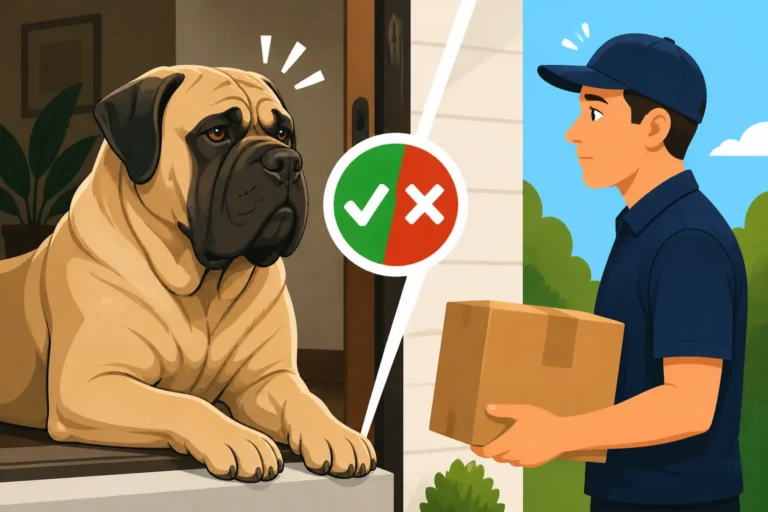
What Becomes of an Undersocialized Mastiff
Bringing a Mastiff into your life is an incredible joy, but it also comes with immense responsibility. One of the most heartbreaking and challenging situations a Mastiff owner can face is having an undersocialized dog – a gentle giant turned fearful or reactive, whose sheer size magnifies every anxiety. This guide will delve into the profound consequences of inadequate socialization for Mastiffs, the daily struggles it creates, and what steps you can take to manage and hopefully mitigate these issues, always emphasizing prevention.
The Foundation of Fear: How Undersocialization Manifests in a Mastiff
It's easy to think of socialization as just letting your puppy meet other dogs, but it's so much more. For a Mastiff, a breed designed to be watchful and protective, missing out on crucial early experiences can pave the way for a lifetime of fear and reactivity that is incredibly difficult to manage given their massive size and inherent caution.
Early Puppyhood: A Missed Window of Opportunity
The critical window for socialization in puppies generally spans from about 3 to 16 weeks of age. During this period, a puppy's brain is like a sponge, soaking up every new sight, sound, smell, and experience, filing them away as "normal" or "safe." If a Mastiff puppy is deprived of diverse, positive exposure during this time – think new people of all ages and appearances, different types of environments, various noises (from vacuum cleaners to thunderstorms), and controlled interactions with calm, vaccinated dogs – their world shrinks dramatically. They don't learn that the world outside their immediate bubble is generally a safe and interesting place.
What often happens is that the Mastiff's natural guardian instinct, instead of being channeled into calm observation and discernment, gets warped by fear. A lack of positive experiences with strangers, for instance, can lead to deep suspicion or outright terror towards anyone unfamiliar. They haven't learned to differentiate between a friendly visitor and a genuine threat because all new stimuli are filed under "unknown = potentially dangerous." This foundational fear is so much harder to address once it's deeply ingrained, especially when you consider The First Year With a Mastiff Puppy That Doubles in Size.
The Escalation of Anxiety: Behavioral Signs to Watch For
As an undersocialized Mastiff grows, their anxieties don't magically disappear; they often intensify and manifest in increasingly problematic behaviors. Initially, you might see shyness, such as a puppy hiding behind you when a stranger approaches, or a reluctance to enter new spaces. But as they mature and their size becomes imposing, these subtle signs can escalate into outright fear-aggression. Imagine a 180-pound dog who is terrified of the mail carrier, lunging and barking furiously at the window, or a dog who cowers and growls when a friendly neighbor tries to pet them.
These reactions aren't about dominance or aggression for aggression's sake; they stem from a deep-seated fear and a lack of coping mechanisms. The Mastiff perceives anything new or unexpected as a threat and reacts defensively. On walks, this can become leash reactivity, where passing dogs or people trigger frantic barking, pulling, and lunging, making even a short stroll a stressful ordeal for both owner and dog. Vet visits become nightmares, requiring heavy sedation just for a routine check-up, because the dog hasn't been positively exposed to handling or clinic environments. Leash Reactivity in a Two Hundred Pound Mastiff becomes a stark, daily reality.
Living with the Consequences: Daily Challenges and Risks
The consequences of an undersocialized Mastiff extend far beyond the dog's own emotional turmoil. They profoundly impact the owner's lifestyle, creating a ripple effect of limitations and potential dangers that many people simply aren't prepared for.
A World of Avoidance: Limiting Life for Both Dog and Owner
When you have a large, fearful, or reactive Mastiff, your world, and theirs, shrinks considerably. Simple pleasures like a walk around the neighborhood can become fraught with anxiety, requiring constant vigilance to avoid triggers. Having friends over becomes a logistical nightmare, involving crating the dog, setting up barricades, or even asking guests not to visit. Routine events like vet appointments or grooming become major operations, often requiring specialized handling, house calls, or sedatives, all adding to the stress and cost.
Owners often find themselves making constant excuses or apologies for their dog's behavior, feeling isolated and frustrated. They might stop going out, avoid certain paths, or even delay necessary vet care because the ordeal is simply too much to handle. The Mastiff, in turn, lives in a state of heightened alert, unable to relax and enjoy the world because they haven't learned to trust it. This cycle can be incredibly draining, leading to feelings of guilt and helplessness for dedicated owners who only want the best for their beloved companion. It quickly becomes clear why A Mastiff in a House With Small Children needs careful early planning.
Safety Concerns: The Potential for Serious Incidents
This is where the reality of owning a giant breed with behavioral issues truly hits home. A small dog nipping out of fear is one thing; a 150-200 pound Mastiff doing the same is an entirely different and far more dangerous scenario. Even an accidental bump from a fearful, lunging Mastiff can knock an adult off their feet, let alone a child. The potential for serious bites to strangers, family members, or other pets is a constant, terrifying shadow. This isn't about malicious intent; it's about a dog acting on instinct out of profound fear.
The legal and ethical implications of such an incident are severe, ranging from mandatory quarantines and costly legal battles to the heartbreaking decision of rehoming or even euthanasia for severe cases. Finding a suitable home for a reactive giant breed is incredibly difficult, as few individuals or rescues are equipped to handle such challenges. This potential outcome is the starkest reminder of why early, thorough, and positive socialization is non-negotiable for a Mastiff.
Health Implications: Stress and Physical Well-being
Chronic stress isn't just an emotional burden; it has tangible physical effects on a dog's health. An undersocialized Mastiff living in a constant state of anxiety may experience a weakened immune system, making them more susceptible to illness. Digestive issues, such as diarrhea or loss of appetite, can become common. The constant physical tension can exacerbate joint problems, which are already a concern for a breed prone to conditions like hip and elbow dysplasia.
Furthermore, the difficulty in handling a reactive Mastiff can impede necessary veterinary care. Basic examinations, blood draws, or even administering medication at home can become impossible without significant distress to the dog and risk to the owner or vet staff. This means that minor health issues can go unaddressed or escalate, simply because the dog's behavioral issues prevent routine care.
Strategies for Mitigation: Can an Undersocialized Mastiff Be Helped?
The good news is that an undersocialized Mastiff can be helped, but it requires an immense amount of patience, commitment, and often, professional expertise. It's not a quick fix, and the goal is often management and improvement rather than a complete "cure," especially for deeply ingrained fears.
Professional Intervention: When to Call in the Experts
Let's be incredibly clear: dealing with a fearful or reactive Mastiff is not a do-it-yourself project. Their size and power mean that even a minor misstep can have serious consequences. The first and most crucial step is to seek help from qualified professionals. This typically means consulting a veterinary behaviorist or a certified professional dog trainer (CPDT) who specializes in force-free, positive reinforcement methods. Avoid anyone who suggests harsh corrections, punishment, or dominance-based training, as these approaches will only increase a fearful Mastiff's anxiety and aggression, often making the problem worse. Why Harsh Correction Ruins a Mastiff cannot be stressed enough for this sensitive breed.
A veterinary behaviorist can assess your dog's anxiety levels and, if appropriate, prescribe medication to help lower their overall stress threshold. This isn't a "happy pill" but a tool that can make your Mastiff more receptive to training and less overwhelmed by their fears. It creates a baseline where genuine learning can occur. A good trainer will then work with you to implement a tailored behavior modification plan, focusing on safety, management, and gradual desensitization.
Controlled Exposure and Desensitization
The core of helping an undersocialized Mastiff lies in carefully controlled, positive exposure and desensitization. This means gradually introducing your dog to things they fear, but at a level so low they don't react, pairing each exposure with something incredibly positive. Think about it like this: if your Mastiff is terrified of strangers, you wouldn't throw them into a crowded party. Instead, you might start with a person standing far away, barely visible, while you feed your Mastiff their absolute favorite high-value treats. As the dog remains calm, the person might slowly get a tiny bit closer over many, many sessions, always with treats and praise flowing.
This process, called counter-conditioning, aims to change your Mastiff's emotional response from fear to something more neutral or even positive. It's about creating positive associations. Management tools like a well-fitted harness, a sturdy leash, and even a positively introduced basket muzzle (never used for punishment, only for safety and comfort) might be essential. Having a treat pouch filled with high-value rewards, perhaps from Amazon, is a must for these sessions. It's a slow, painstaking journey that requires immense patience and consistency, but seeing even small improvements in your Mastiff's comfort level can be incredibly rewarding.
Management First: Preventing Incidents
While you're working on behavior modification, managing your Mastiff's environment to prevent incidents is absolutely paramount. This means understanding their triggers and doing everything you can to avoid putting them in situations where they might react negatively. This could involve:
- Creating Safe Zones: Designate areas in your home where your Mastiff feels secure and can retreat when guests are over.
- Doorbell Training: Teaching your Mastiff to go to their bed or safe zone when the doorbell rings, rather than rushing to the door in a panic.
- Careful Guest Management: Briefing visitors on how to interact (or not interact) with your dog, or crating your Mastiff in a quiet room with a stimulating chew toy when people are over.
- Controlled Outings: Choosing quiet times and places for walks, avoiding dog parks or busy areas.
- Visual Barriers: Using window film or curtains to prevent your Mastiff from seeing outside triggers.
This isn't about hiding your dog away forever; it's about setting them up for success and keeping everyone safe while you slowly work on building their confidence. It's a marathon, not a sprint, and sometimes, lifelong management will be necessary.
| Undersocialized Mastiff Traits | Well-Socialized Mastiff Traits |
|---|---|
| Fearful/Reactive to strangers | Calmly Observant of new people |
| Anxious/Aggressive towards other dogs | Tolerant/Indifferent to other dogs |
| Resistant/Panicked at vet visits | Cooperative for routine handling |
| Destructive when stressed/alone | Content when left alone for reasonable periods |
| Lacks confidence in new environments | Explores calmly in new surroundings |
| Excessive barking/lunging on leash | Walks politely on leash |
| Difficulty adapting to change | Adapts well to new routines/environments |
Prevention is Paramount: Raising a Well-Adjusted Mastiff
While mitigation strategies exist, the absolute best approach for a Mastiff is prevention. Investing time and effort into proper socialization during puppyhood pays dividends for a lifetime, ensuring you have a confident, stable, and truly gentle giant.
Puppy Socialization: The Golden Window
As mentioned, the period between 3 and 16 weeks is crucial. During this time, your Mastiff puppy needs diverse, positive experiences. This isn't just about meeting other dogs; it's about experiencing the world in a controlled, safe, and positive way. Think about:
- Meeting a Variety of People: Different ages, genders, ethnicities, people wearing hats, glasses, uniforms, walking with canes or in wheelchairs. Always ensure these interactions are positive and non-threatening, with treats and praise flowing.
- Exposure to Different Environments: Short, happy visits to a quiet park, a pet-friendly store (if appropriate and safe), even just sitting in your car in a parking lot watching the world go by.
- Sounds and Textures: Expose them to household noises, car sounds, different walking surfaces (grass, pavement, gravel).
- Puppy Classes: These are invaluable. They offer a safe, supervised environment for puppies to interact with other puppies and learn basic obedience, all under the guidance of a professional trainer. Many online resources, like BAXTER & Bella, also offer comprehensive puppy training programs that guide you through this critical stage from the comfort of your home.
- How Many People a Mastiff Puppy Should Meet is a great resource to guide this process.
Remember, every experience should be positive and brief. You want to build good associations, not overwhelm your puppy. If your puppy seems scared, back off, make it easier, and end on a positive note.
Ongoing Socialization and Exposure
Socialization isn't a one-and-done event that ends at 16 weeks. It's a lifelong process, particularly for a breed like the Mastiff who continues to mature well into their second or third year. Continuing positive exposure throughout adolescence and adulthood helps reinforce good habits and prevents regression.
- Regular, Calm Outings: Continue taking your Mastiff to new places, even if it's just a new walking trail or a quiet coffee shop patio. The goal is to provide novel, yet stress-free, experiences.
- Maintaining Training: Continue with basic obedience, even if it's just short, fun sessions at home. This keeps their mind active and reinforces your bond. Teaching a Mastiff Before It Outweighs You is critical for maintaining control and communication throughout their life.
- Planned Playdates: If your Mastiff enjoys other dogs, arrange supervised playdates with known, friendly canines.
- Vet & Groomer "Happy Visits": Even when not sick or needing a trim, pop into the vet's office for a treat and some praise, so they associate it with positive experiences.
By consistently and positively exposing your Mastiff to the world, you help them grow into the confident, gentle, and beloved family member they are meant to be. It's an investment in their happiness and your peace of mind.
Disclaimer
This article is for general informational purposes only and does not constitute professional advice. Laws, prices and regulations vary by location and change over time. Consult a qualified professional for guidance on your specific situation.